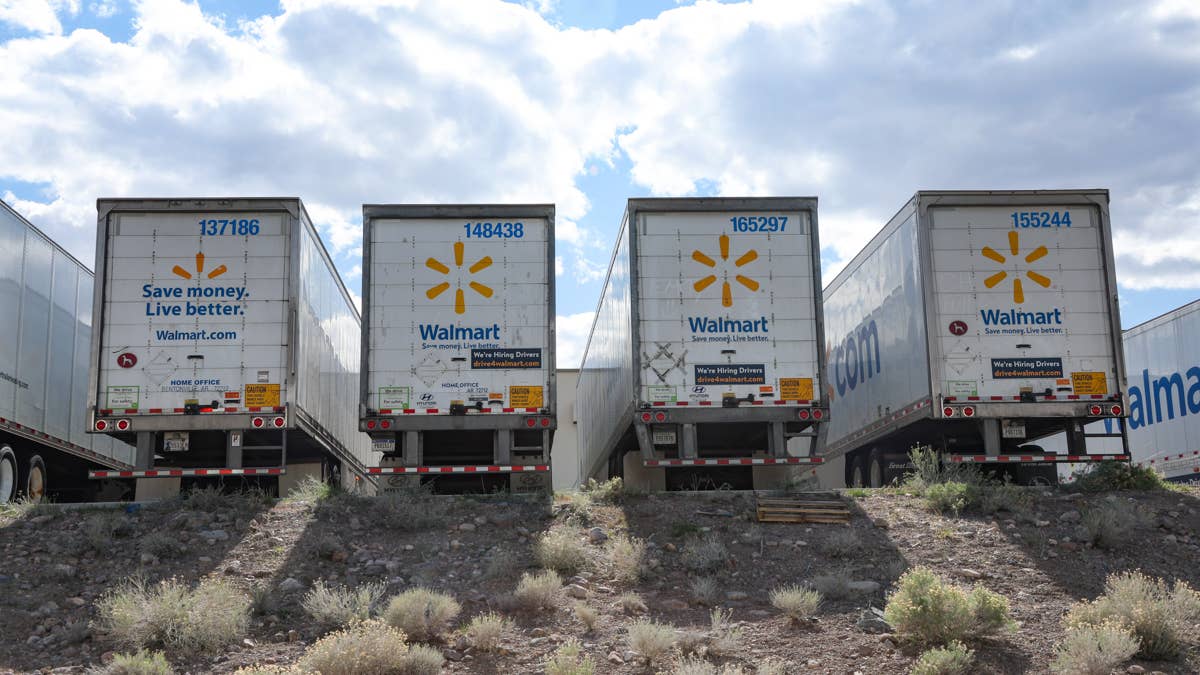
Soaring Fuel Costs Trigger Industry Bankruptcies
The American transportation sector faces a severe financial stress test as operating costs rapidly outpace freight revenue. Within a thirty-day window this fall, at least sixteen US trucking companies filed for bankruptcy. These closures range from single owner-operators to regional carriers like Xoco Transport, which employed over sixty drivers. The primary catalyst for this wave of insolvencies is the unprecedented spike in diesel fuel, which recently hit a record national average of $6.53 per gallon.
This energy crisis is not an isolated domestic issue, as networks worldwide grapple with similar constraints. Across the Atlantic, the sheer expense of filling commercial tanks has created secondary emergencies for fleet managers. Some have even resorted to fuel theft to mitigate the worsening global situation. When energy markets become this volatile, the logistical backbone of international commerce takes a huge hit.

Land Rover
Operational Pressures Crush Independent Freight Carriers
For the mid-sized carriers that recently liquidated, the daily economics of moving freight simply became unsustainable. According to a report from Inc, over the past twelve months, diesel costs jumped by over 70 percent, trapping smaller operators between escalating fuel bills and stagnant spot market freight rates. Unlike massive logistics corporations that use dynamic fuel surcharges, independent truckers pay retail pump prices while earning less per mile than during previous peak seasons.
The regional impact has been particularly devastating in critical logistics corridors. In the Midwest, skyrocketing Indiana diesel prices have gone so high that rigs need thousands of dollars just for a single fill-up. For a fleet operating forty trucks, these localized spikes add tens of thousands in unexpected weekly overhead. Many operators found their cash reserves completely depleted before they could even invoice their clients.
The collapse of these sixteen carriers represents a significant loss of freight capacity that impacts the broader economy. When transport companies exit the market, remaining fleets must handle the same volume of consumer goods. This reduction in available trucks typically raises shipping rates, which retailers inevitably pass on to the public through more expensive groceries and retail merchandise.
Regulatory Shifts Complicate the Path Forward
Watching this wave of bankruptcies highlights a glaring disconnect between automotive policy and the realities of commercial transportation. Instead of prioritizing efficiency to protect drivers from volatile oil markets, recent legislative moves seem counterproductive. A controversial mileage rollback will likely increase long-term consumption, saddling commercial operators with thousands in additional fuel expenses. We need policies that mandate greater efficiency and provide a crucial buffer when pump prices spike.
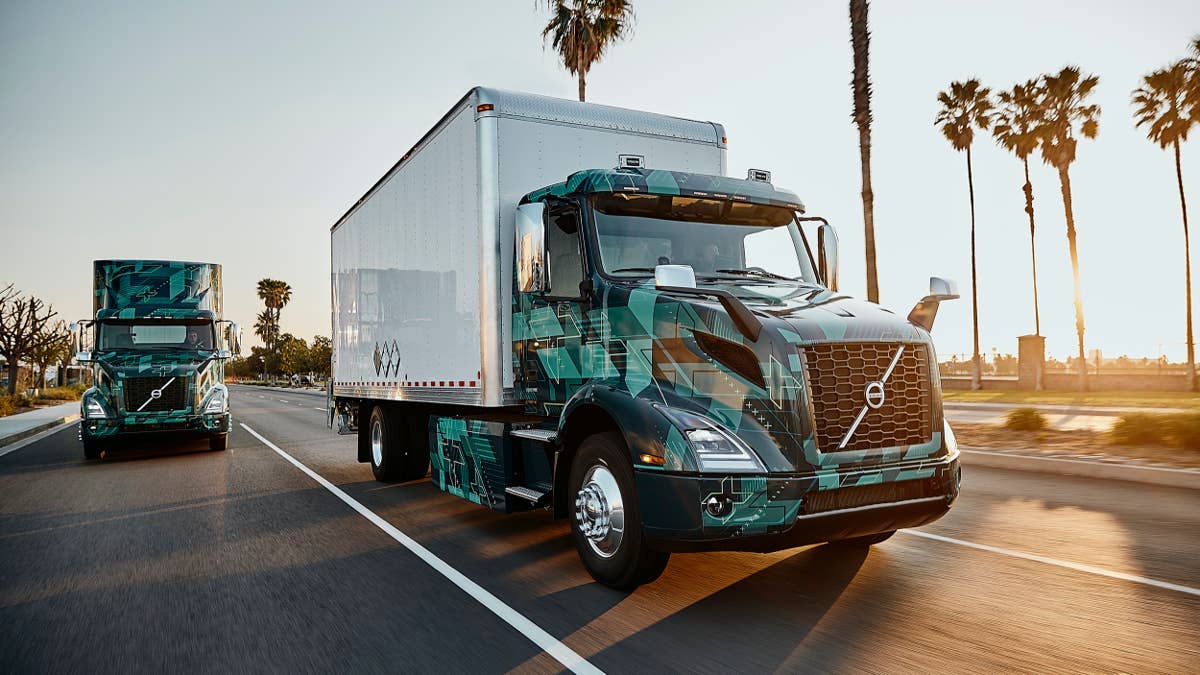
Furthermore, the transition to alternative energy remains too slow to rescue today’s struggling diesel fleets. Despite the promise of battery-electric trucks, high upfront costs and inadequate charging infrastructure have severely hampered adoption. Widespread EV hesitation continues to grow among fleet managers who cannot risk operational downtime. Until zero-emission logistics become financially viable, the American supply chain remains entirely dependent on diesel.