Rethinking The Formula
With the Electric Vehicle (EV) hype dying down and the industry as a whole at a crossroads, it comes as no surprise that brands have decided to rethink their EV strategy. Some major automakers have canceled plans and slimmed down model lineups to offer a more balanced range of vehicles.
Nobody is abandoning EV technology, but automakers are beginning to see what the market wants in an EV. Honda is focusing on the overall usability and cost of future EVs and is testing technology that could change the game if it succeeds.
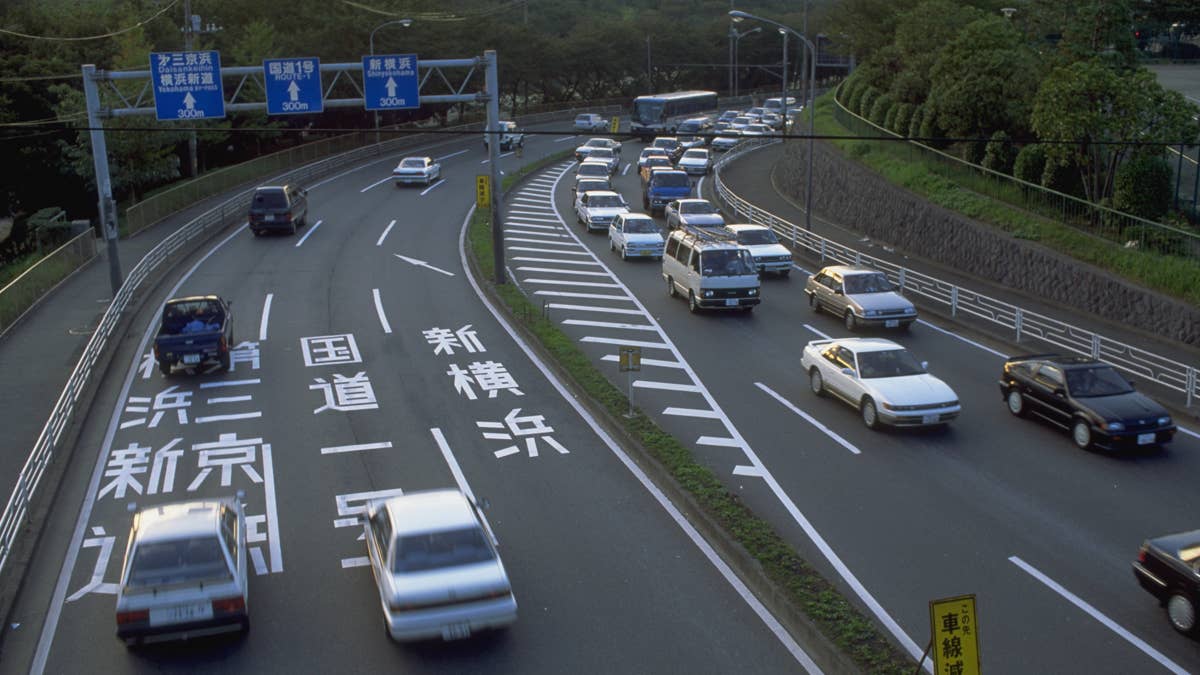
Bohemian Nomad Picturemakers/CORBIS/Corbis via Getty Images
Wireless EV Charging On The Go
Nikkei Asia reports that Honda is testing a revolutionary way to charge EVs: the Japanese automaker wants to wirelessly charge EVs on the go. Yes, you read that right: Honda and general contractor Taisei are teaming up to lead a team that will test wireless charging on expressways as early as late 2027 (or later).
A main driver behind this technology and thinking is that it will allow automakers to make EVs with smaller batteries. This would lower manufacturing costs and, in turn, retail prices, which could entice people to buy these EVs. As good as the idea sounds, the study and testing will test the feasibility and true cost of the proposed wireless charging plan. Taku Ueda, Honda R&D chief engineer and head of the project, said they are taking on the challenge of building next-generation social infrastructure and will further expand the possibilities of EV motoring.

How It Works
Honda and Taisei also presented how the wireless charging would work. In an ideal scenario, the companies want to embed the technology commercially under the road surface of expressways, where it will send electric charge to vehicles driving above. The report also says that the technology itself will be usable up to 120 kph (74 mph), which is Japan’s speed limit. Durability is also a concern for stakeholders, who want the embedded technology to last long enough to require maintenance every 10 years.
The group acknowledges that embedding the entire Japanese road network would be unrealistic and costly, so they will determine which sections should receive wireless charging technology. Initially, the project will target commercial vehicles used for transportation and logistics.

Getty Images