The Road Gets Rougher
The ongoing conflict in the Middle East has affected several automakers through shipping disruptions and high oil prices. Among them is Mitsubishi, which faces further headwinds due to its limited electrified lineup. As such, the automaker is now cutting its sales and profit forecasts for the current fiscal year ending March 31, 2027.
According to Automotive News, Mitsubishi expects operating profit to fall 7.3% year over year to ¥70 billion (about $441.7 million at current exchange rates), reversing an earlier projection of 19% growth to ¥90 billion ($567.9 million). The company also now expects annual global sales to decline 4.1% to 764,000 vehicles, reversing its previous forecast of 7.5% growth to 857,000 vehicles.
Mitsubishi
A Big Bet Without a Plug
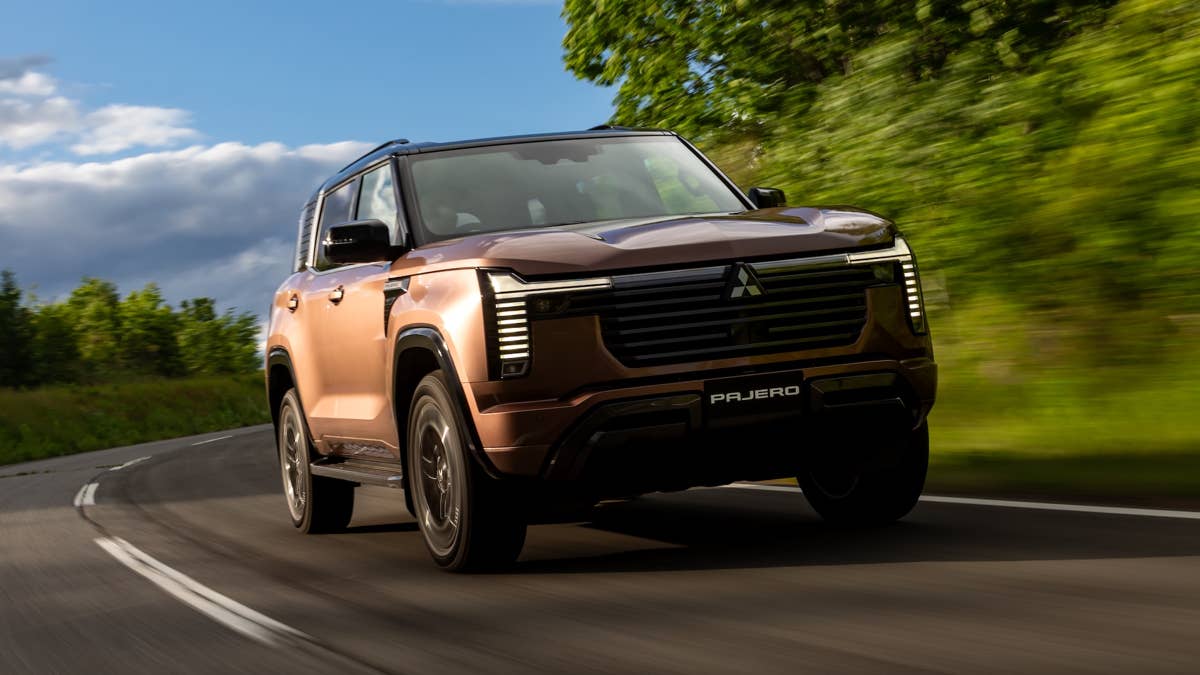
Given its limited electrified lineup, Mitsubishi has struggled to capitalize on growing interest in hybrids and electric vehicles, which offer better fuel efficiency or, in the case of EVs, eliminate the need for gasoline altogether. Instead, the automaker is betting on the all-new Pajero, previously known as the Montero in the U.S. Powered by a 2.4-liter turbodiesel inline-four engine, the Pajero is expected to be sold in approximately 100 markets, although it is launching without a hybrid option.
A U.S. launch for the returning nameplate has yet to be confirmed. Mitsubishi, however, has introduced a new EV called the Eclipse Sportback, which is based on the Nissan Leaf, and is developing a new midsize pickup truck in collaboration with Nissan. The latter could help the brand capitalize on the strong demand for trucks in the U.S.
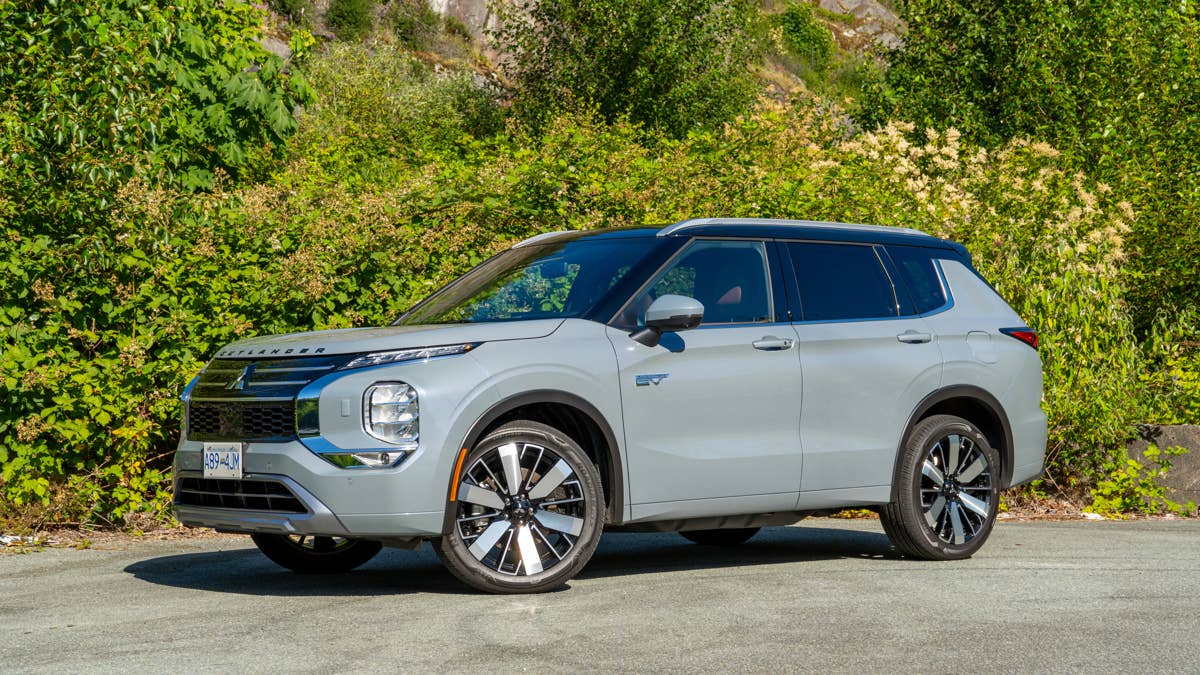
In North America, Mitsubishi expects sales to decline 7% to 154,000 vehicles. However, according to the automaker’s U.S. sales report for the first nine months of the year, the 6.6% year-over-year decline was largely driven by the discontinuation of the Mirage, while sales of its remaining models grew 14.3%. This suggests that despite the weaker regional outlook, there are still signs of life for the brand in this part of the world.
Cole Attisha
A New Route to Recovery
That is particularly relevant today, as Mitsubishi reportedly plans to shift more resources toward mature markets, including Japan, Australia, and the U.S. The decision follows growing competition from Chinese automakers in Southeast Asia, where Mitsubishi has long relied on sales.
Whether Mitsubishi has what it takes to overcome these challenges remains to be seen, especially as the Middle East conflict adds further uncertainty to an already difficult automotive market. Still, there’s reason for optimism, as Mitsubishi COO Keisuke Kishiura said the automaker is responding to these headwinds by accelerating the development of electrified vehicles, including hybrids.