Safety Is Calling
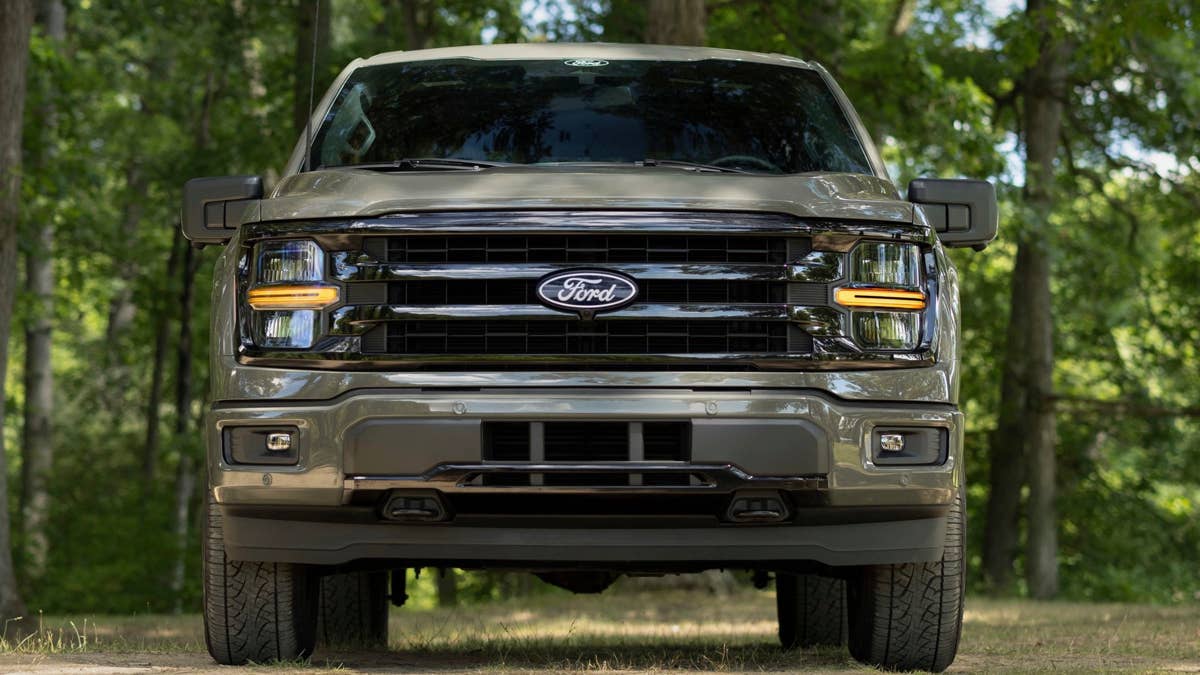
One common phrase in vehicle recall notices is that certain defects “increase the risk of a crash.” A recall means a safety-related defect or a failure to meet federal safety standards has been identified, requiring corrective action to address potential risks. It’s something Ford knows all too well after issuing 153 recalls last year.
However, despite the safety risks, many car owners still don’t respond to recalls. That’s why NHTSA announced a $1.5 million investment from the Trump administration’s Transportation Department to help states come up with better ways to improve recall completion rates, which, hopefully, could eventually help make American roads safer.
Ford
The Recall Dilemma
If the consequences can be serious, why do some car owners not get their vehicles fixed? Well, during the Recalls Next: Technological Innovations and Safety Recalls event, where the investment was announced, NHTSA said that new recalls involving 15-year-old vehicles have an average completion rate of 18%, a lot lower than the 68% average for three-year-old vehicles.
The huge difference could be explained partly by expiring warranties, as owners of older vehicles tend to seek service elsewhere, where repairs are typically cheaper than at dealerships. It is worth noting that recall repairs are free of charge, though there’s still the hassle of visiting a dealership to get the issue fixed.
NHTSA wants to improve recall completion rates by developing different ways to notify owners about open recalls, including during vehicle registration or renewal. The investment also aims to develop data-driven methods to measure recall completion rates and produce comprehensive reports outlining the methodologies and processes used, allowing best practices to be shared.

Jeep
Funding the Fix
Interested states and eligible agencies have until February 4, 2027, to apply for a share of NHTSA’s $1.5 million grant funding.
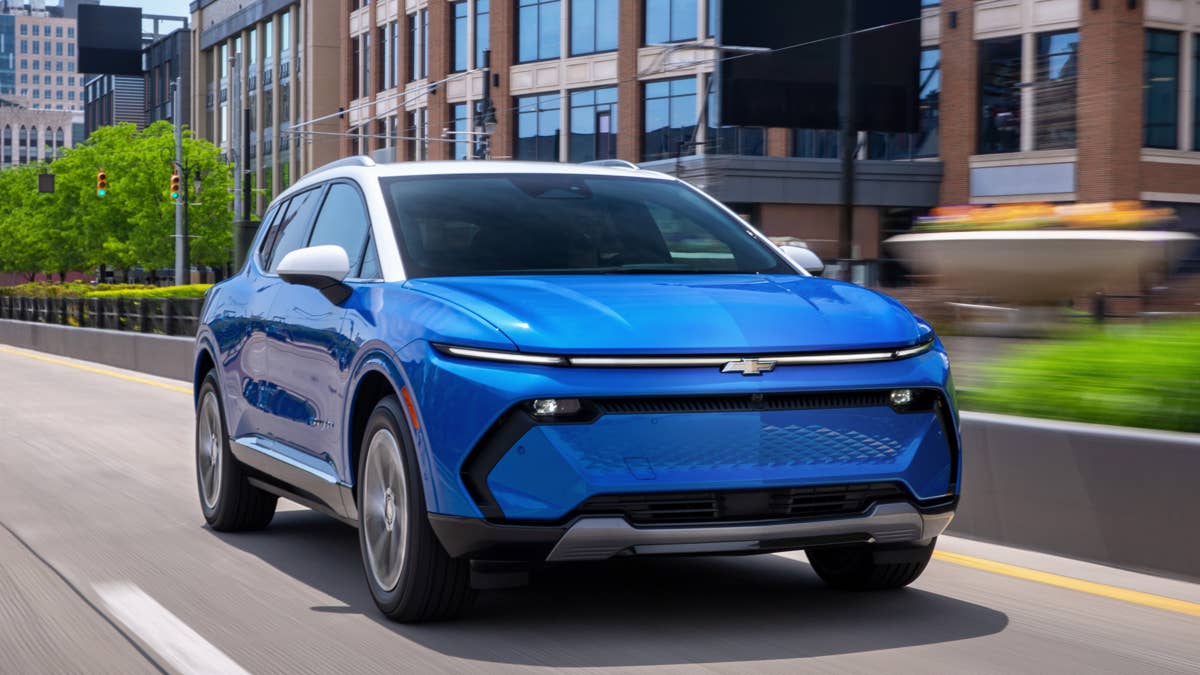
To put the importance of recalls into perspective, more than 29 million vehicles were recalled in 2025. Unaddressed safety defects can put not only vehicle occupants but also other road users at risk, especially when they involve problems like exploding airbags or brake failures. One of the most recent recalls came from General Motors, where over 67,000 electric vehicles could experience a temporary loss of braking power under certain conditions because of a software defect.
Ford so far leads the recall count this year with 84 among major automakers, followed by Stellantis with 41, GM and Toyota with 28 each, and Hyundai with 23.