Nissan is currently fighting a massive uphill battle against a rapidly changing global market. To stop a forecasted sales slide and remain competitive, the Japanese automaker knows it must build cars faster to keep pace with aggressive new rivals. Enter Matthew Weaver, the brand’s newly appointed global design chief. Taking the helm in October, Weaver is tasked with injecting bold, funky styling into the lineup while simultaneously slashing the overall product development timeline from 50 down to just 30 months.
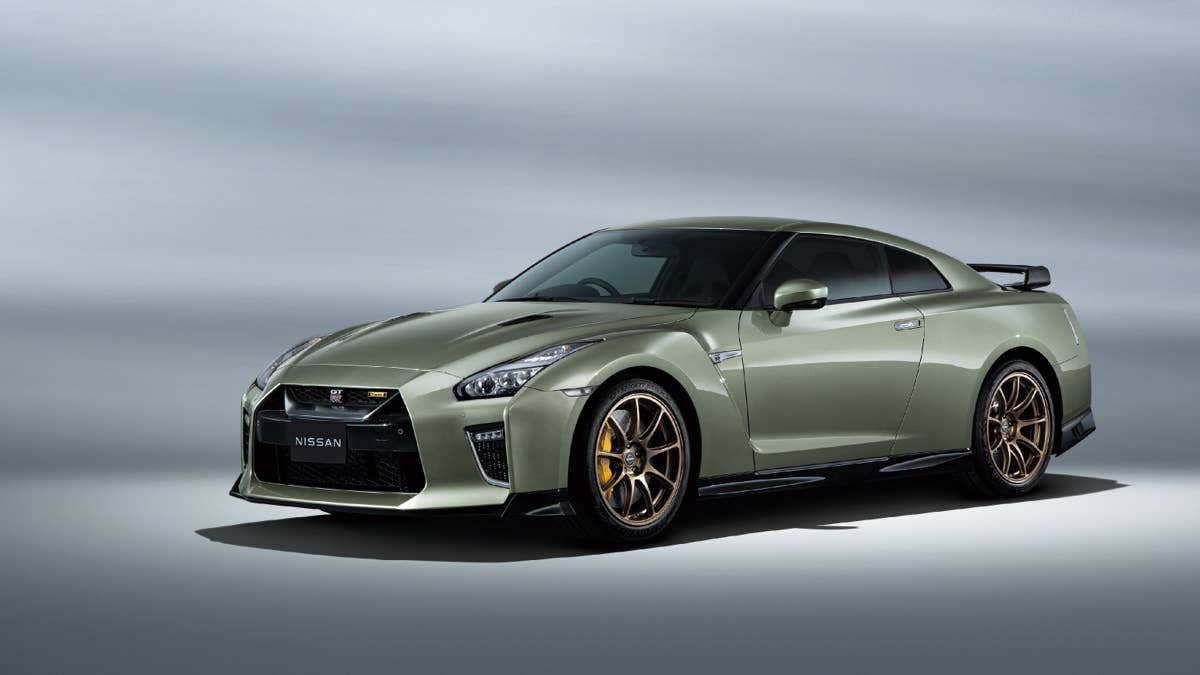
Weaver brings serious credentials to the table, having previously helped shape quirky hits like the original Juke and iconic details like the bent C-pillar on the R35 GT-R. His strategy to achieve “China Speed” relies on three core pillars: advanced artificial intelligence, dramatically streamlined executive decision-making, and manufacturing tricks learned directly from their Chinese joint ventures. The goal is to avoid safe, boring designs while getting fresh sheet metal to dealership lots in record time.
Artificial Intelligence and Quick Approvals
According to a recent interview with Automotive News , Weaver’s team has already slashed the time from first sketch to design freeze down to just five months. By utilizing new digital tools, they can effectively finish vehicle designs twice as fast as before. “We’re showing feature length films of the car as if it’s operating from desert and it’s been shot, you know, in the Sahara,” Weaver noted, explaining how these hyper-realistic renderings allow executives to green-light designs much earlier in the process.
While advanced algorithms are certainly speeding things up, the sudden reliance on digital generation naturally sparks industry fears regarding human jobs in the styling department. However, Weaver views these tools as empowering, allowing individual stylists to act as their own directors and generate an endless variety of concepts. Furthermore, the final corporate approval process has been completely gutted. Instead of requiring a dozen executives to sign off on a design, CEO Ivan Espinosa reduced the panel to just four people.
Nissan
Best Practices and Future Products
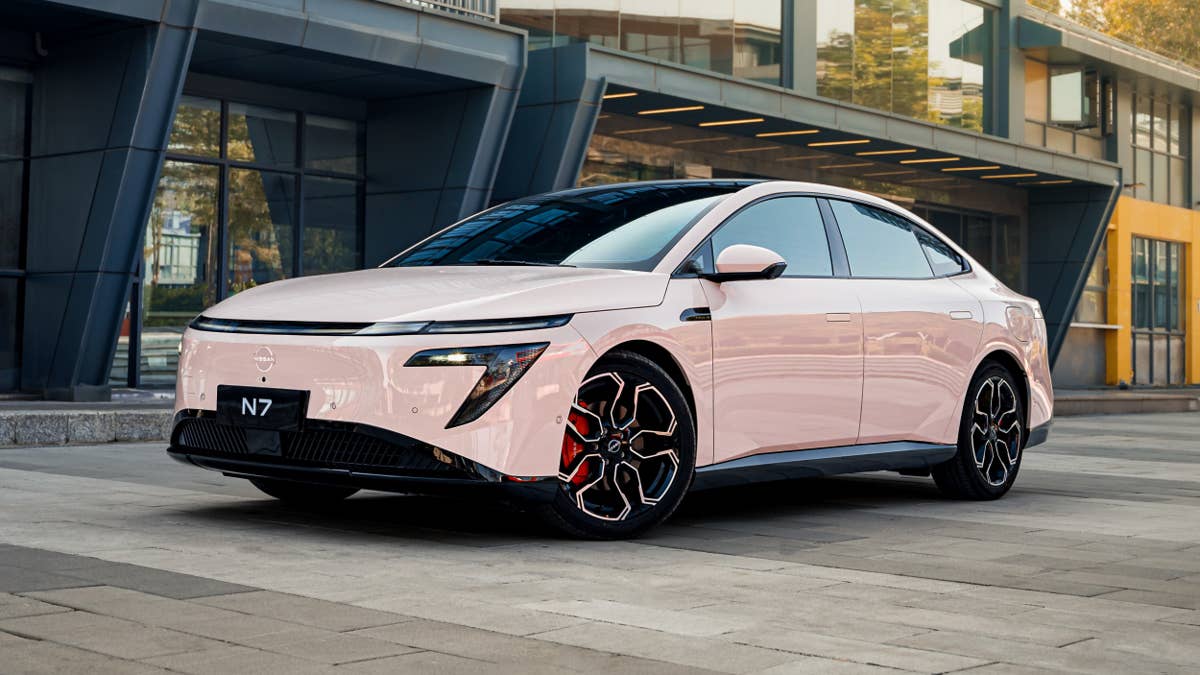
Beyond software, Weaver is looking directly at Chinese manufacturing techniques to elevate Nissan’s global fit and finish. By visiting the brand’s China studios monthly, the team is identifying upscale flourishes that domestic rivals have mastered, such as flush glazing between the door and window glass. While these premium touches are typically too expensive to produce in legacy markets, observing how joint ventures execute them cheaply gives Nissan a blueprint for improving the appearance of its mass-market models.
Fans will not have to wait long to see the first manifestations of this faster, bolder design philosophy. The initial hints of this character shift will arrive with the new Skyline sedan slated to debut this December, followed closely by the next-generation electric Juke and a rugged Xterra SUV around 2028. As Weaver puts it, the brand is determined to stay brave in the mass market, because fortune ultimately favors the bold and the quick.
Nissan