Still Gets People Talking
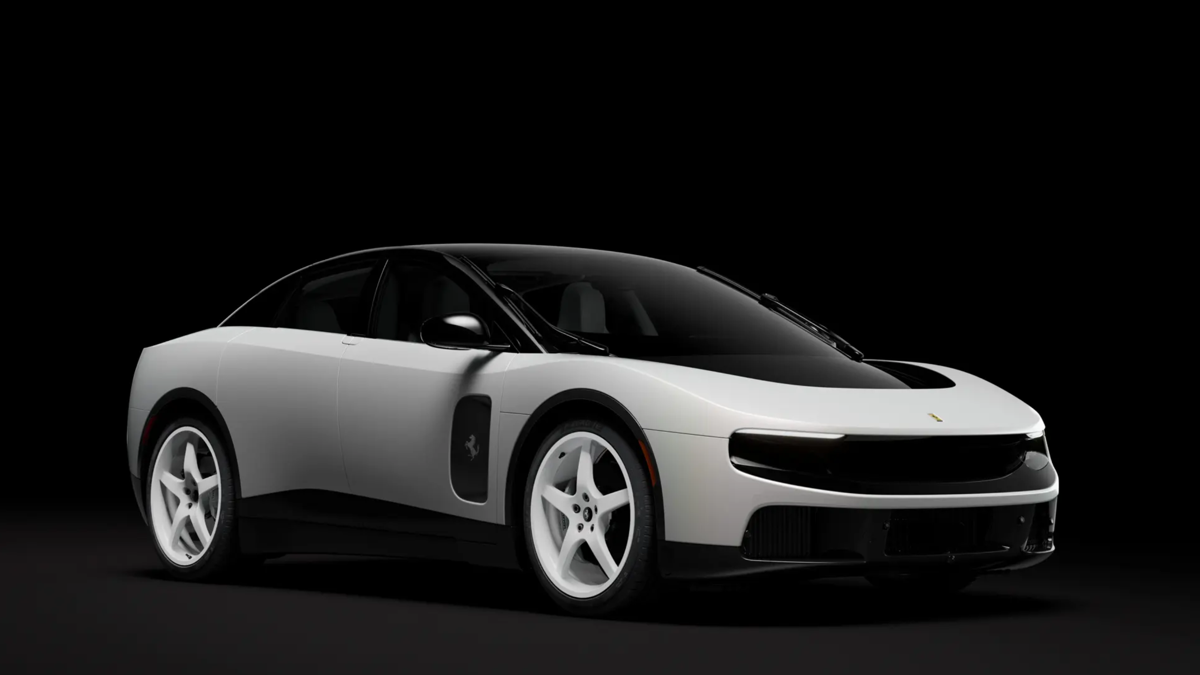
If you want to stir up the comments section of any social media platform, just bring up the Ferrari Luce and let the people type. To say it’s been controversial would be a massive disservice to the word controversial. There was an outpouring of outrage, mainly because of the car’s styling.
Months have passed since its release, and customer deliveries are just about to start. Yes, people actually bought the car, and Ferrari claims that it’s sold out, with a big chunk of these going to China. Still, it hasn’t stopped the internet from slinging hate towards it, even if it’s actually making Ferrari money.
Actually Clever?
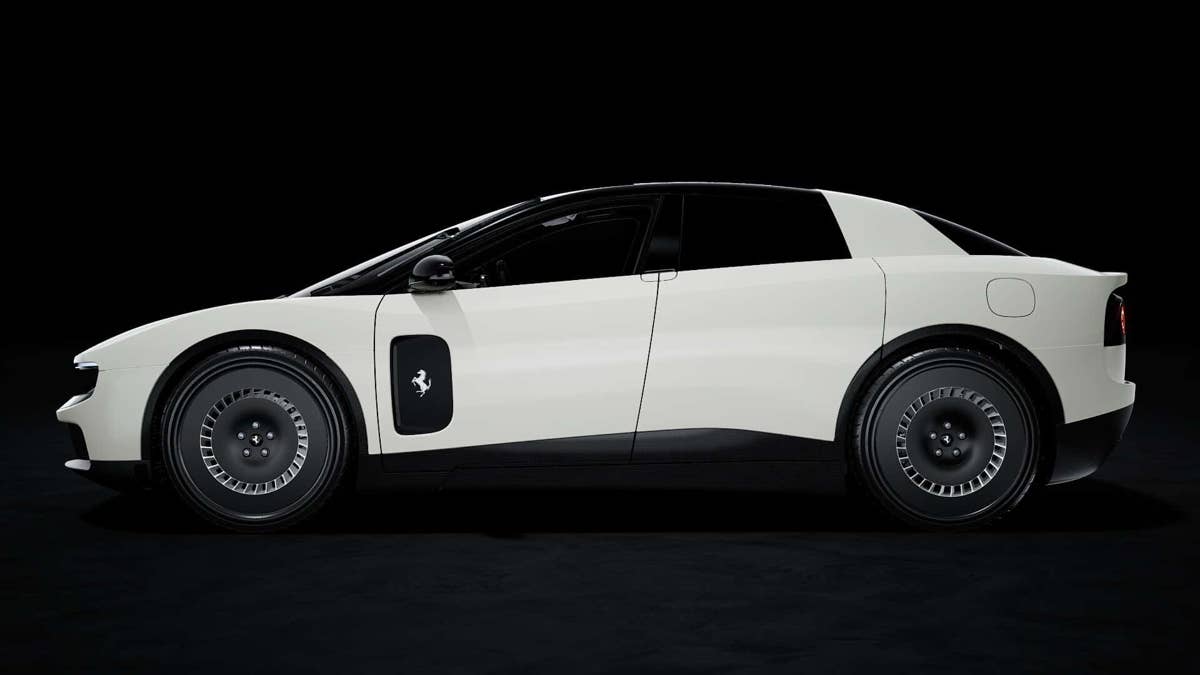
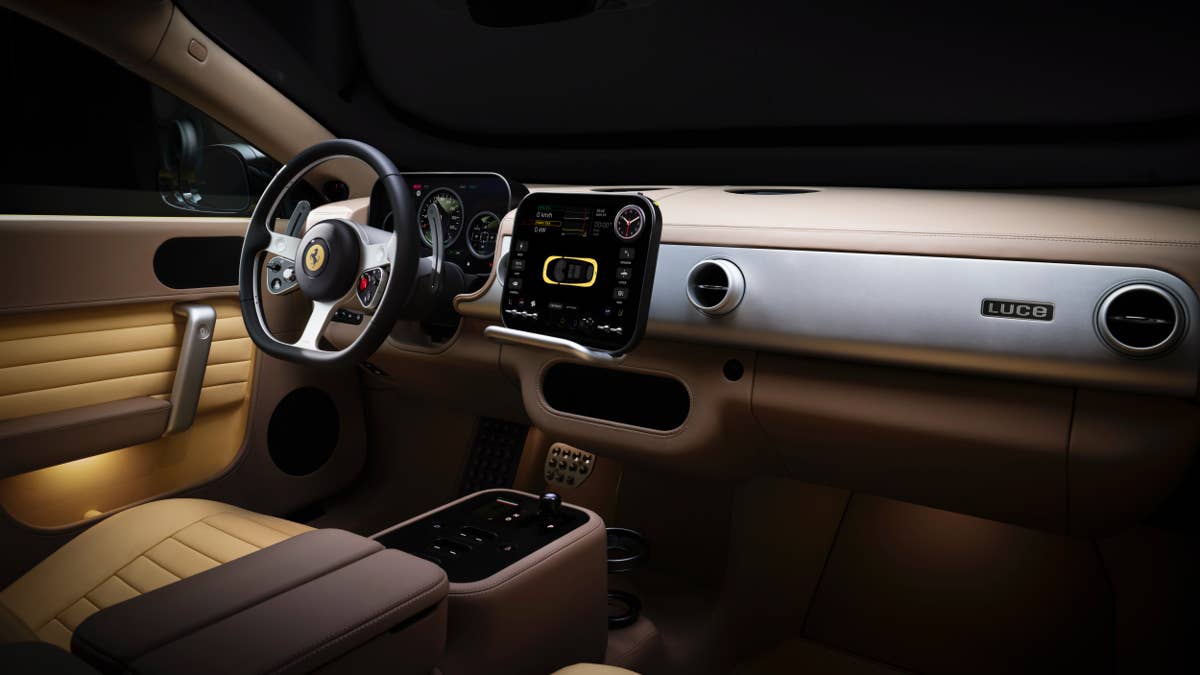
Beneath the styling that, in our words, tests your faith is a car that’s actually pretty clever. For instance, its batteries are designed to be swappable to help extend the life of the car, and the chassis was built to accommodate it. The cabin, like it or not, has its highlights from the way it looks to the quirky swiveling infotainment screen.
Ferrari knew it was a big challenge to develop its very first EV. It’s why the Italian automaker also partnered with Korean company SK On to develop pouch-type battery cells. Why is this significant, you ask? This is the kind of battery you’d see in a smartphone, and while it sounds easy to scale it up for automotive applications, it’s always easier said than done.
Pouch-type batteries aren’t entirely a new thing, but making one for a high-performance EV has its challenges. “SK On was willing to customize the cell tab design to enable higher current delivery than the nominal rating, thereby increasing power density,” said Luce Project Leader Andrea Binotti.
What Are Pouch Cells?
Pouch cells are soft, flat, and flexible cells encased in a laminated aluminum-plastic film. As mentioned, you can often find this type of battery in smaller applications, mainly for packaging reasons. It’s the reason why phones are a lot slimmer now, and why devices can be made smaller.
So, what are the advantages? For starters, it’s a lot lighter than steel-cased and aluminum-cased cells, and saving weight is crucial for performance and range. At the same time, it can be custom-sized and made to fit irregular spaces, and the slimmer size allows for greater space efficiency in the cabin.
But the most important bit is power density and delivery. Higher discharge rates and better pulse current delivery are achieved by stacked electrode structures. These cells also have a wider surface area, which helps in cooling and heat dissipation. All of this means that the battery can deliver energy more efficiently as it runs cooler.
Thinking Ahead
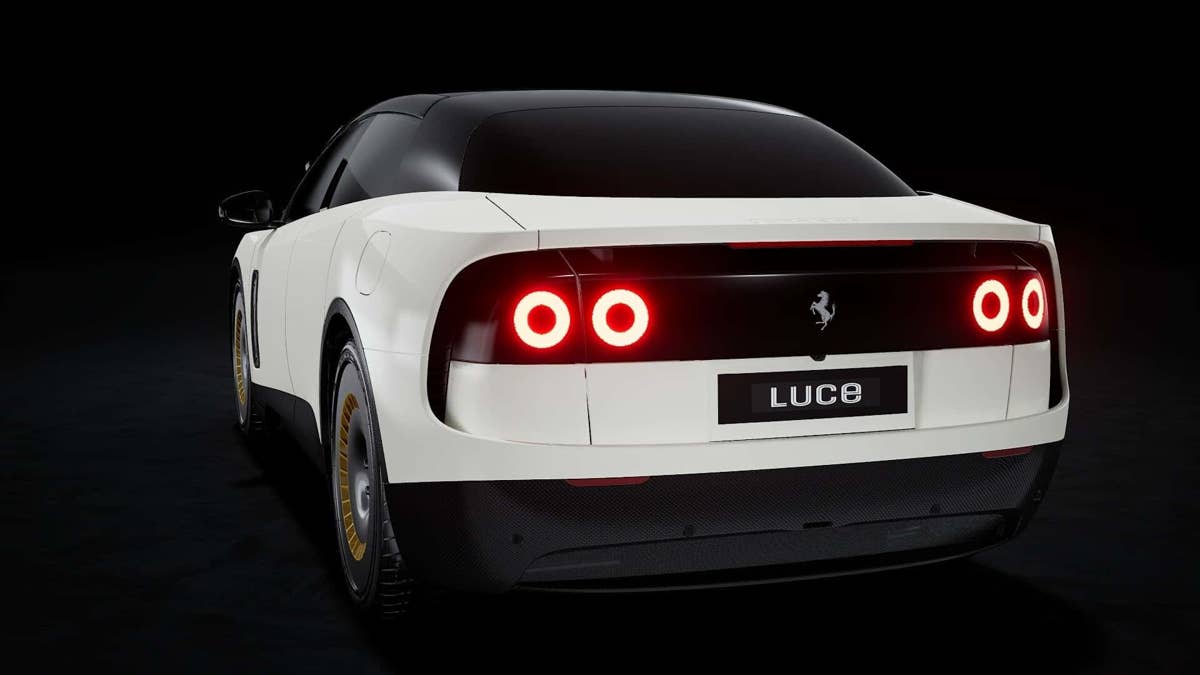
The Luce boasts a lot of advances and innovations. But while one will say that its styling is holding it back, the car is looking like a success for Ferrari. We wouldn’t call the car a technological dead end, either, as some of the things applied here can be used in future models.
Ferrari is slowly electrifying its core lineup, and it’s no longer about the engine making as much power as possible. The hybrid drive systems also have to be just as potent to deliver a powerful punch. At the same time, it has to adapt to ever-changing emissions standards, even if the brand doesn’t have to comply with the much stricter rules bigger automakers need to follow. This is Ferrari future-proofing its cars so it doesn’t have to scramble in case regulators clamp down on low-volume automakers.