Toyota May Want to Go Its Own Way
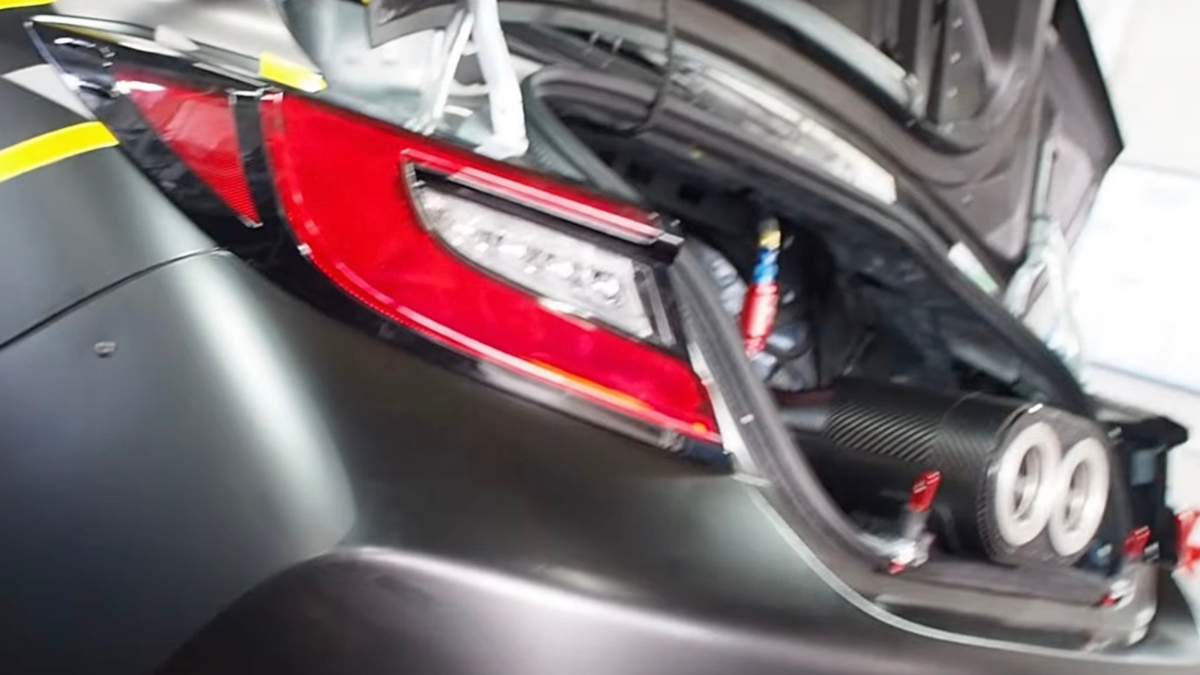
While Toyota is known as one of the world’s top-selling automakers, it is also planning to expand its role as an engine supplier with a new family of inline-four engines. These engines have been downsized to help meet stricter emissions regulations, but turbochargers and hybrid systems are still in the cards to maintain performance. Interestingly, one of the new engines is being tested in a Toyota GR86 concept car in Japan, suggesting the next-gen GR86 could come with an in-house powertrain instead.
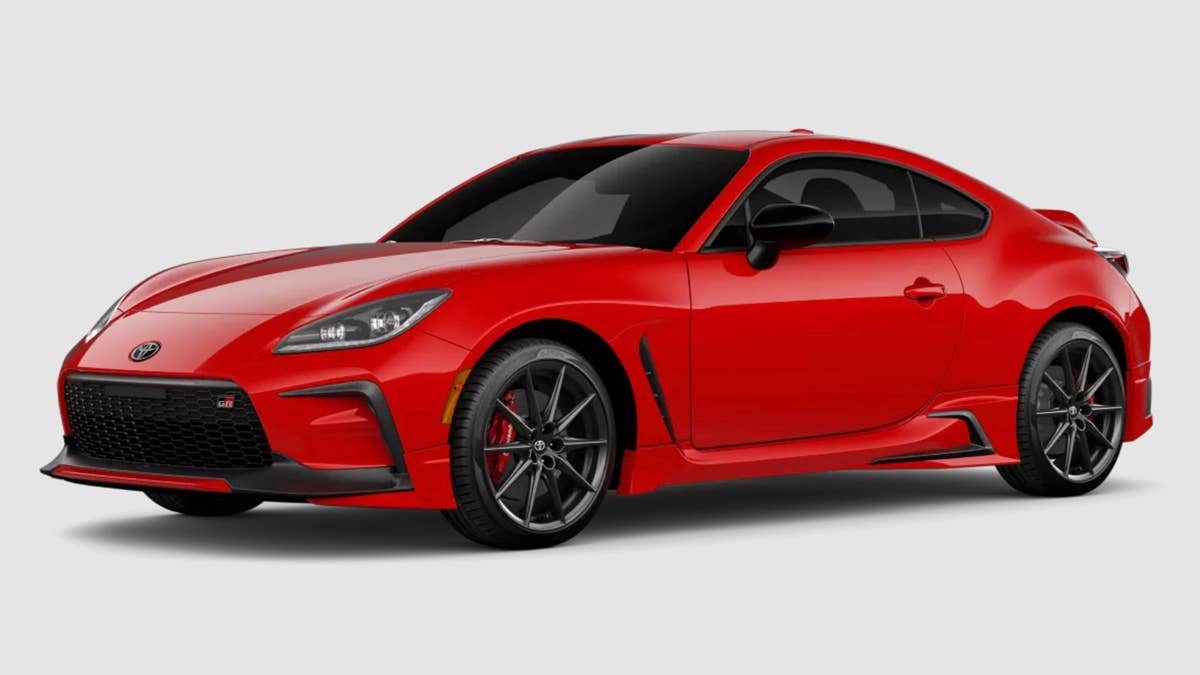
This engine is the 2.0-liter inline-four codenamed G20E, but according to Japan’s Car Watch, the concept car runs without a turbocharger. Removing forced induction would continue the nameplate’s tradition of staying naturally aspirated, from the GT86 to the GR86. The latter currently uses a 2.4-liter boxer engine developed by Subaru, which also uses it for the BRZ. Kazuya Oshima, who is in charge of the concept’s development, highlighted how running without forced induction can provide more predictable and linear power delivery. The lack of turbo hardware also helps reduce weight.
A New Engine Enters the Picture
Interestingly, the engine in question reportedly produces only around 220 horsepower, about eight horsepower fewer than the Subaru-sourced power unit. Sure, it is quite normal for models to make less horsepower after a major overhaul, as seen in the Land Cruiser when it traded its V8 for a 2.4-liter i-Force Max powertrain, but one of the biggest complaints about the GT86 was its output of around 200 hp.
The GR86 received an evolved version of the boxer engine with a larger 2.4-liter displacement, addressing concerns about power. However, if the next-gen model uses the G20E in its current form, it could be perceived as a downgrade, at least on paper.
However, it will all come down to the actual driving experience. One of the challenges could be preserving the GR86’s handling characteristics, especially considering that boxer engines help lower the center of gravity, so switching to an inline-four could change that. There’s also the packaging and chassis development, with Car Watch reporting that the concept car uses double-wishbone suspension at both the front and rear, instead of the MacPherson struts currently installed at the front of the production model.
Taking The Reins
Aside from the technical aspects, a future switch to Toyota’s inline-four could potentially give the automaker greater control over powertrain development.
It is still unclear when the next-gen GR86 will come out. For reference, the current generation debuted in 2021, nearly a decade after the first-gen GT86 arrived. Based on Oshima’s comments, the nameplate will likely retain its lightweight characteristics, which have helped define a shrinking sports car segment that includes the Mazda MX-5 Miata and Subaru BRZ.
Toyota