Making money when selling or trading a car is one of those things that is totally foreign to me. Honestly, it’s probably not the case for most of us, but are you one of those unlikely so-and-sos who has?
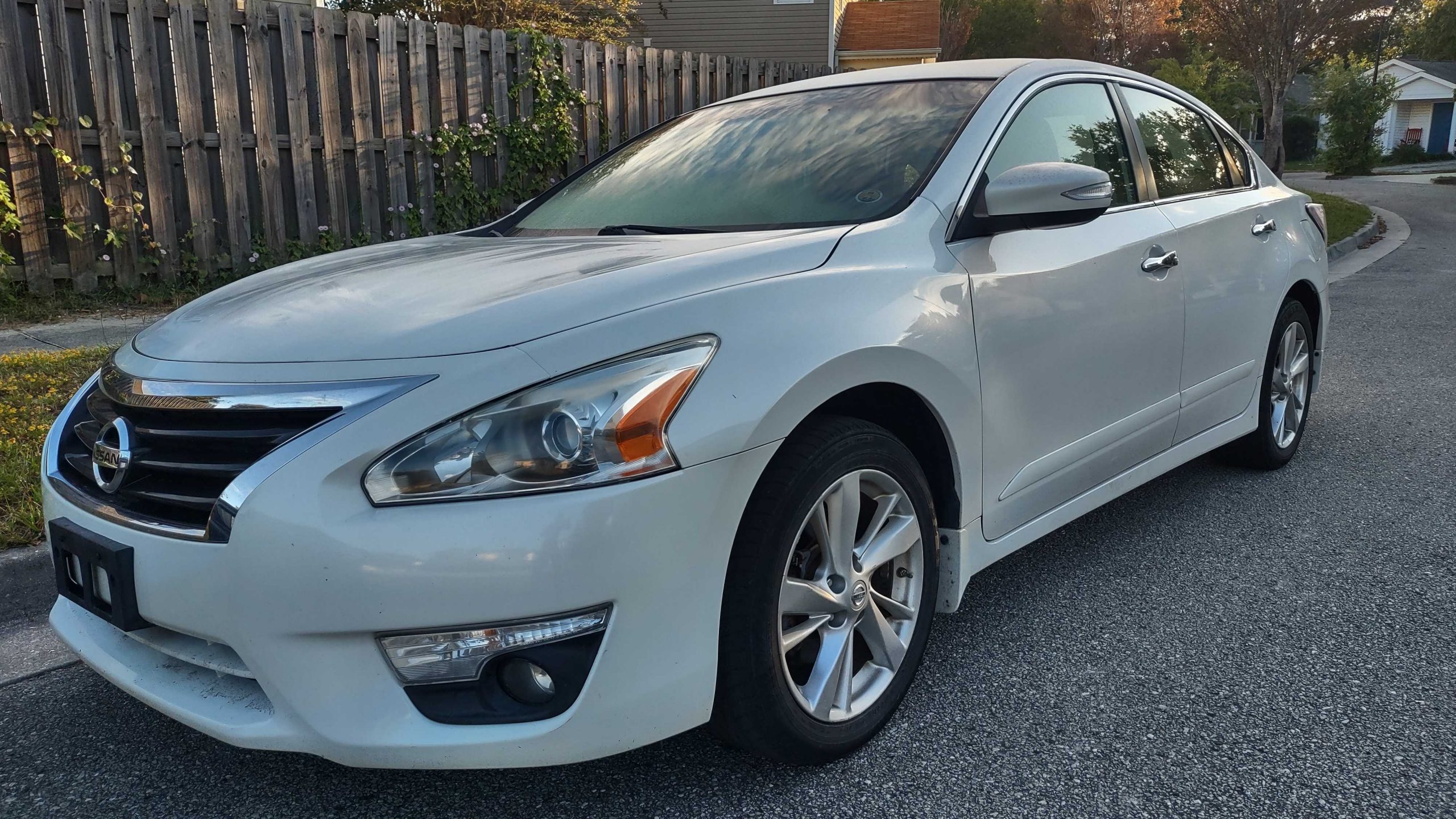
Usually, turning a profit is something that requires luck and, more often than not, much hard work; something I don’t have the time or inclination to do. Our own S.W. Gossin certainly does, putting his endless energy and mad skills into transforming some paperweight of an abused Altima or Dodge into a running, driving, salable car with a minimal investment in used parts. “But what about his labor time?” Shhhhh …
Stephen makes a few bucks, and also provides valuable transportation for families that likely couldn’t afford a typical used car. Thanks to SWG, they get Big Reliable Altima Energy!
Let’s face it; that isn’t most of us. Cars can make us do stupid things. One of those misguided acts is purchasing a car that’s beyond your means that quickly becomes worth less than what you owe on it; a predicament that is commonly described as being “upside down.” Did you ever make such a mistake?
Recently, cars were reportedly being parked in an area that was known for flooding just before the rains set in. Insurance adjusters were quick to investigate the possible fraud from people who likely saw getting their car declared a total flood loss as a solution to their situation.

Personally, I’ve never been upside down on any car – with a bank, that is. I rapidly end up with more invested in a ride than it’s worth. Usually, I purchase depreciated used cars, but I fear that someday our Mercedes Streeter will add up all of the repair and maintenance receipts that I gave her in an inch-thick file when she bought my last car. My guess is that the total sum will be tens of thousands of dollars; an amount that, if divided over the time that I owned it, likely could have been spent on a much newer car. I lost probably thirty grand on depreciation alone over the 12 or so years I had it, which I know is kind of par for the course these days.

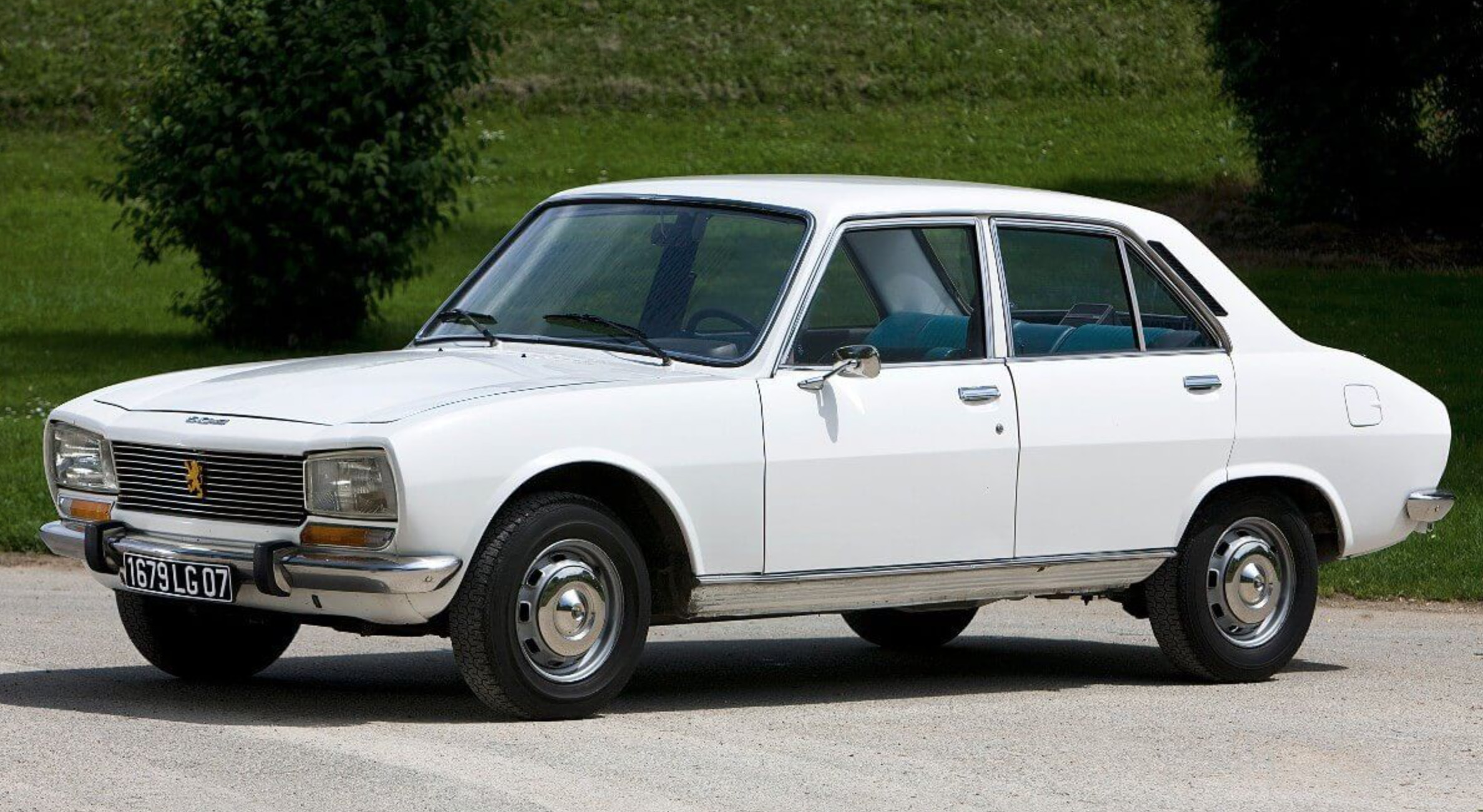
Come to think of it, there’s only one time my family made a few bucks when selling a car. We bought a high-mileage six-year-old used vehicle when we moved to the UK for around a year (a 1973 Peugeot 504Ti 4-speed) and then offloaded it when returning to the States at a minor profit. How did we do it? The pound-versus-dollar exchange rate shifted during our time there, and it easily offset the slight transactional loss on the car. Kind of cheating, I know.
Win or lose, it probably doesn’t matter. If I got back all the money I spent on cars, I’d spend it on cars. How about you? What are your biggest losses and gains from selling your rides?
Top graphic image: Depositphotos.com
The post What The Most You’ve Made (Or Lost) When Selling Or Trading A Car? appeared first on The Autopian.