Volvo’s Volume EV
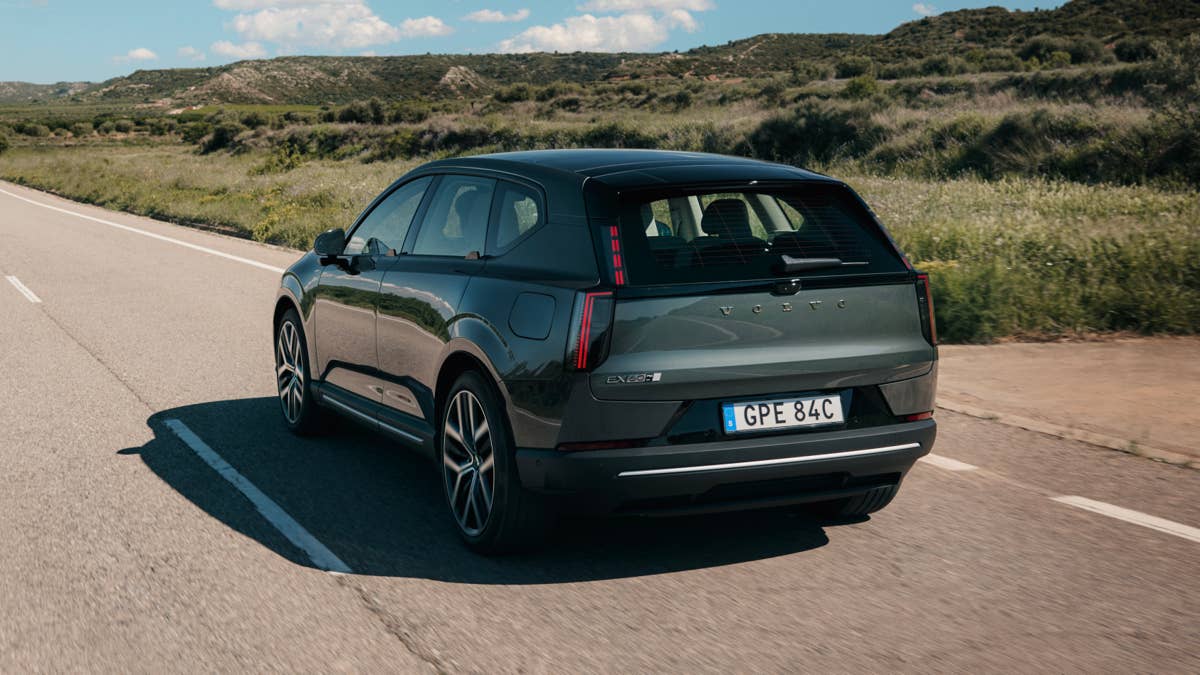
The XC60 is easily Volvo’s best-selling model, not just annually but of all time. That said, the Swedish automaker would also like to see some of that success with its XC60-sized electric crossover, the EX60. Revealed back in January, one could say that this is possibly the most important EV that Volvo has launched, and it’s aimed at the likes of the BMW iX3 and Mercedes-Benz GLC Electric.
Production kicked off in April 2026, and at the time, Volvo CEO Håkan Samuelsson said: “We are now focused on a steady ramp-up of high-quality EX60 production, making sure this game-changing car will be a profitable growth driver in the coming years.” Reservation bookings in the U.S. opened in May, and the first batches of orders have just started coming in.
Volvo
Production Woes
Volvo’s target was to sell 7,000 EX60s in the U.S., which is a fair chunk of the brand’s annual EV sales. However, a report from Automotive News has dealers worried about 2027, as the company has faced manufacturing issues with the car. Per the story, that meant Volvo has been achieving only one-tenth of the 2,000 units per week it set for itself.
So, what’s the culprit? Apparently, megacasting is causing issues for Volvo. It’s a major blow for a crucial model, especially as the company wants to push its EVs more. GlobalData estimates have stated that only 500 cars were sold in July, and just 250 in August.
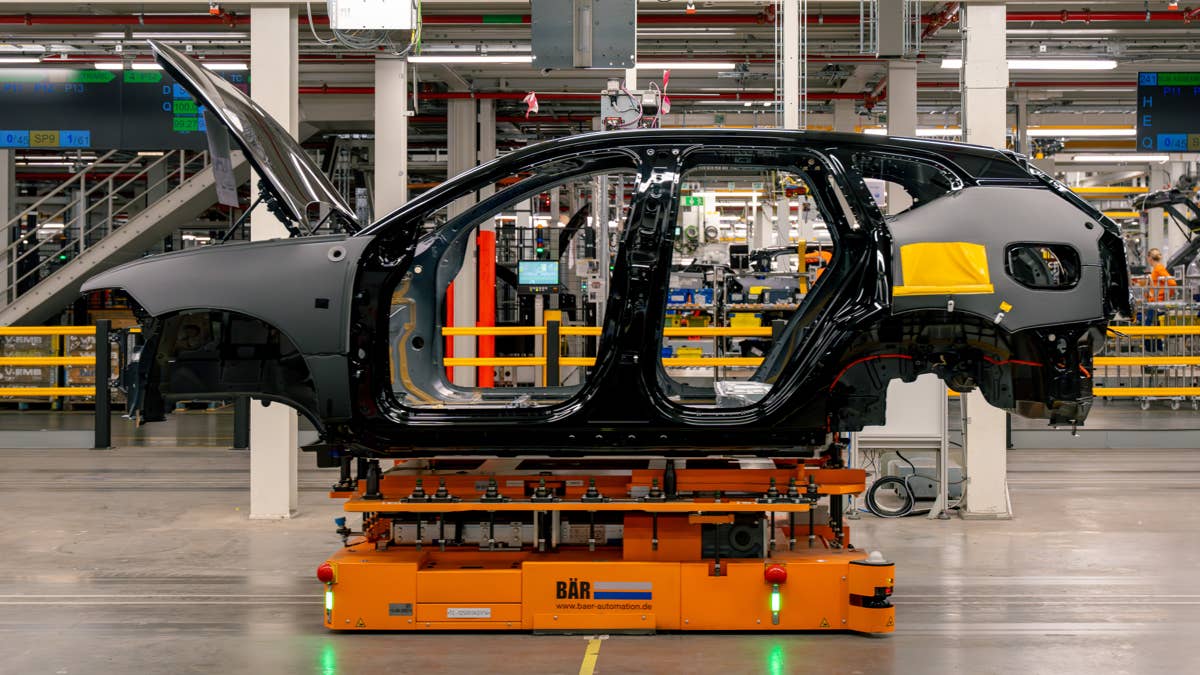
The EX60 is Volvo’s first megacasting-built car and the first to use a cell-to-body platform. Innovation has growing pains, and Volvo spokesperson Jacquelyn Johnson said that megacasting, cell-to-body, and more introduce industry-first, state-of-the-art concepts with no blueprints to copy. Therefore, the ramp-up phase takes a little longer than initially planned.”
Volvo
Deliveries Pushed Back
It’s safe to say Volvo is trying its best to reach full production capacity as soon as possible. However, as the months roll by, the low supply and stock are presenting massive opportunity costs for the company. Further slowing the EX60’s progress is the reallocation of units.
Volvo will prioritize deliveries for the European market, meaning U.S. allocations won’t be high. That also means dealers won’t have much in stock, or even any at all in some locations. It’s been estimated that things will normalize by the second half of the year, which will allow the competition to welcome car buyers who had been considering an EX60. Volvo didn’t need it now, and it will have a lot of catching up to do.
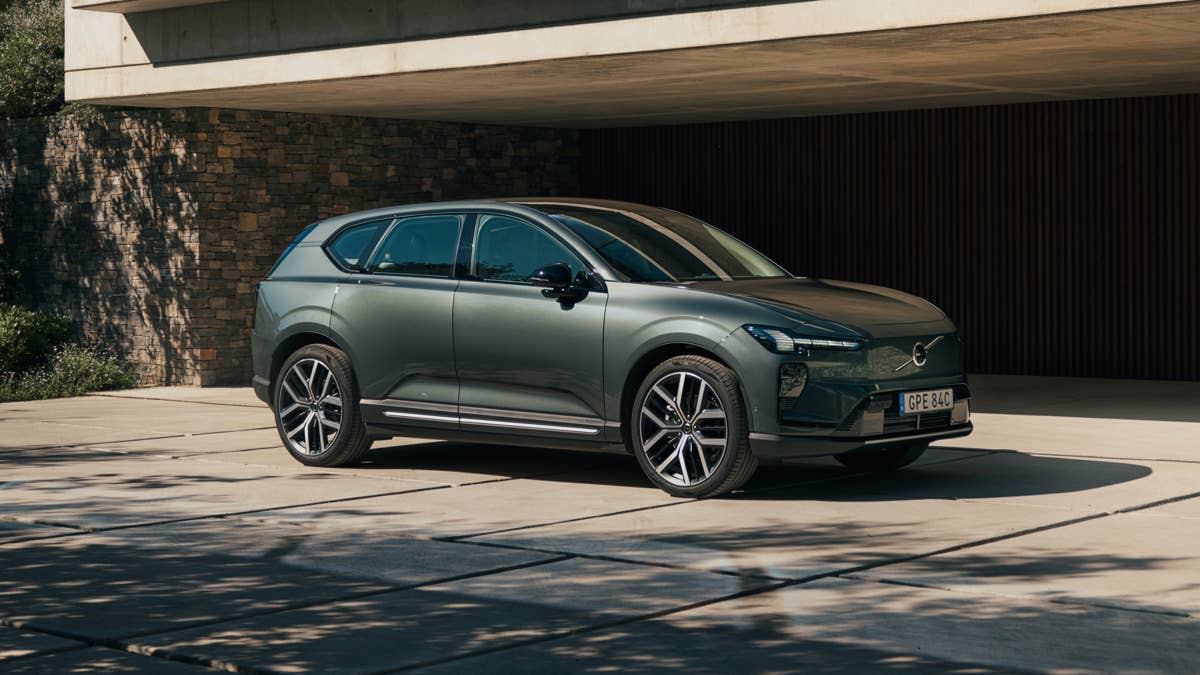
The car itself is promising. There’s up to 400 miles of range, and the price premium over the XC60 isn’t too large. It starts at $58,400 for a base P6 RWD model, while the all-wheel drive P10 bumps that up to $60,750, and the Ultra goes for $66,400.
Volvo