What Is A DB12 S?
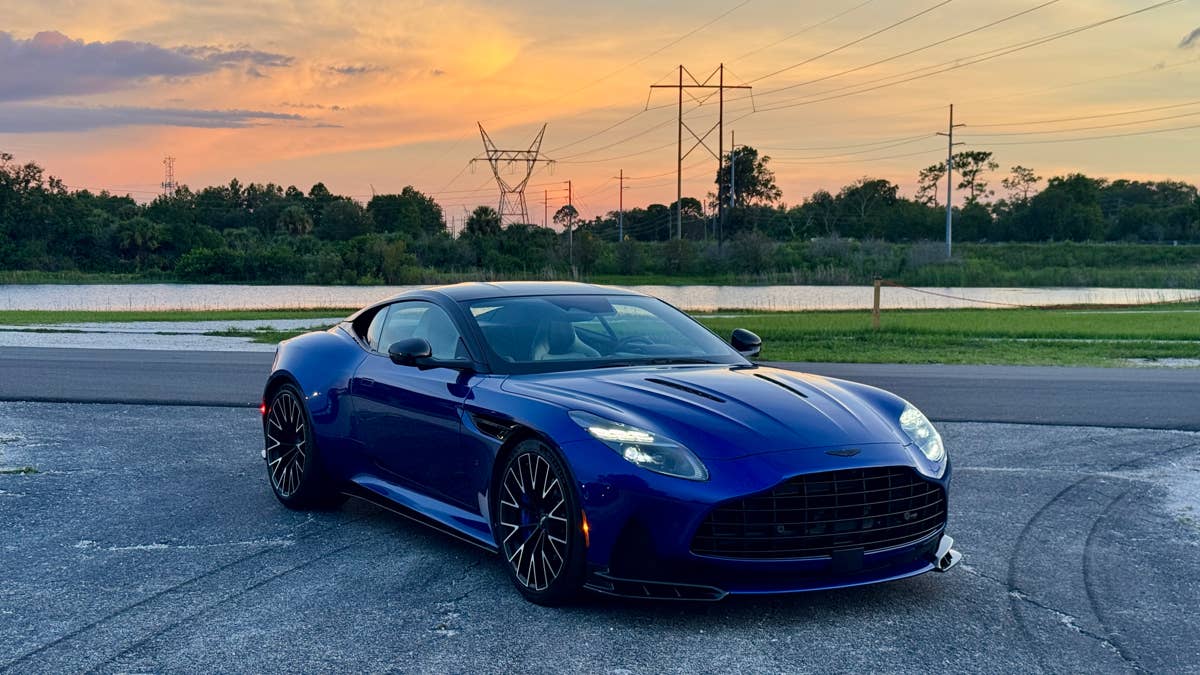
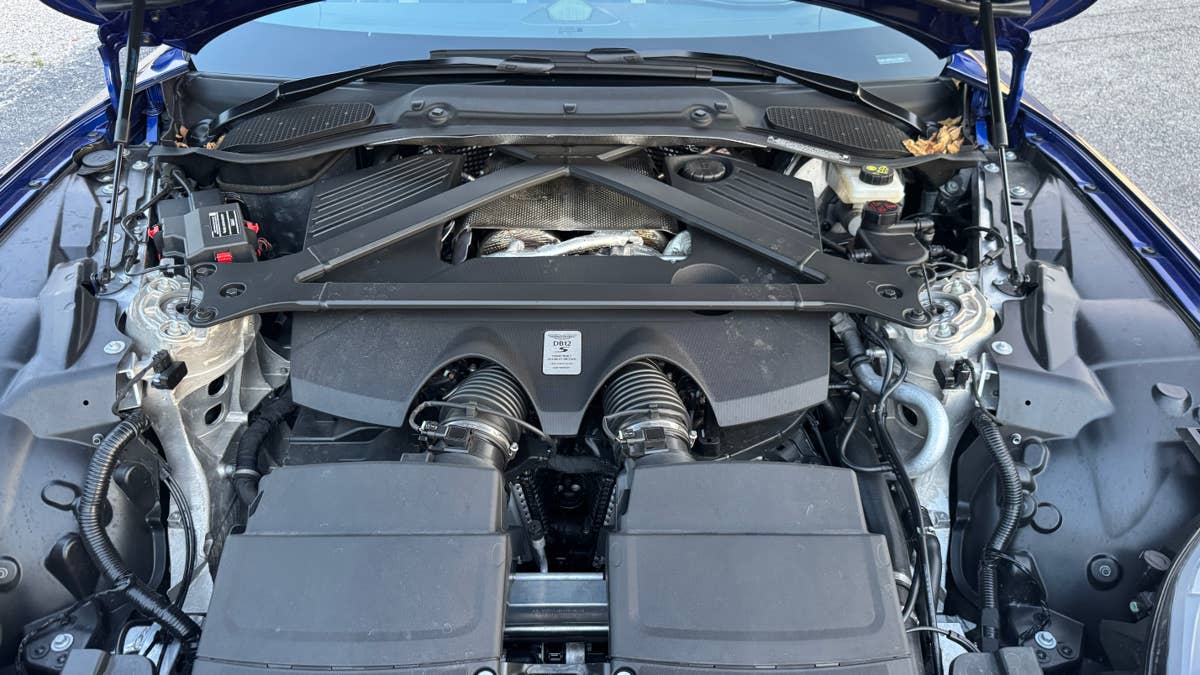
I’ve been fortunate enough to drive three Aston Martin vehicles this year, most recently the 2026 DB12 S. Not to be confused with the discontinued DBS Superlegerra, which had a V12 engine, the DB12 S is a hotter version of the DB12 with the same AMG-sourced twin-turbocharged V8 under the hood. Output increases from the standard 671 horsepower to 690, while torque remains unchanged at 590 pound-feet (though the band is wider).
Jared Levenson/Autoblog
The S improvements also include standard carbon ceramic brakes that reduce unsprung weight by 60 pounds, an optional titanium exhaust that lowers weight by an additional 26 pounds, a fixed rear spoiler, and a stiffer rear anti-roll bar. In terms of tuning changes, the throttle calibration, gearshifts, steering, E-differential, and Bilstein DTX dampers have all been returned for sharper, more enthusiastic response.
Small Changes, Big Improvements
That slight power bump, combined with a retuned transmission and launch control system, reduces the 0-60 mph time from 3.5 to 3.4 seconds. In my testing, the DB12 S beat that estimate, hitting 60 mph in 3.3 seconds. That’s quicker than I was able to achieve in the V12-powered Vanquish (3.36 seconds) but slower than the Vantage S Roadster (3.27 seconds).
Jared Levenson/Autoblog
The DB12 S no longer feels like a cushy Grand Tourer like the base DB12, but it’s less hardcore than the Vanquish, a supercar that is merely shaped like a GT. Buyers who are seeking the most “middle ground” between Aston’s most extreme models and its soft cruisers will enjoy the DB12 S. It sacrifices the base car’s pure comfort for a more thrilling experience that’s sharper than rivals like the Bentley Continental GT but more suave than a Ferrari Amalfi.
Those small calibration changes turn the DB12 S into a different car. The standard DB12 is a walking shoe that you can take on a job, while the S is a pair of track spikes that are somehow comfortable enough to walk in. Sharper steering keeps the driver more engaged, while the transmission and differential changes make it easier to apply power mid-corner without any fear of losing control. With the titanium exhaust, the low rumble from the DB12’s V8 is effervescent, and I doubt you will ever miss that it doesn’t have a V12.
Do You Really “Need” A V12?
When I drove the Vanquish earlier this year, I was convinced it was the ultimate modern Aston Martin product. 823 hp from a twin-turbocharged 5.2-liter V12 is simply bonkers, and Aston styled the car to match. It’s 5.2 inches longer than a DB12 with over three of those inches coming in the wheelbase. Other details like the Kamm Tail rear end give it epic presence that even the DB12 S can’t match, but this level of drama doesn’t come cheap.
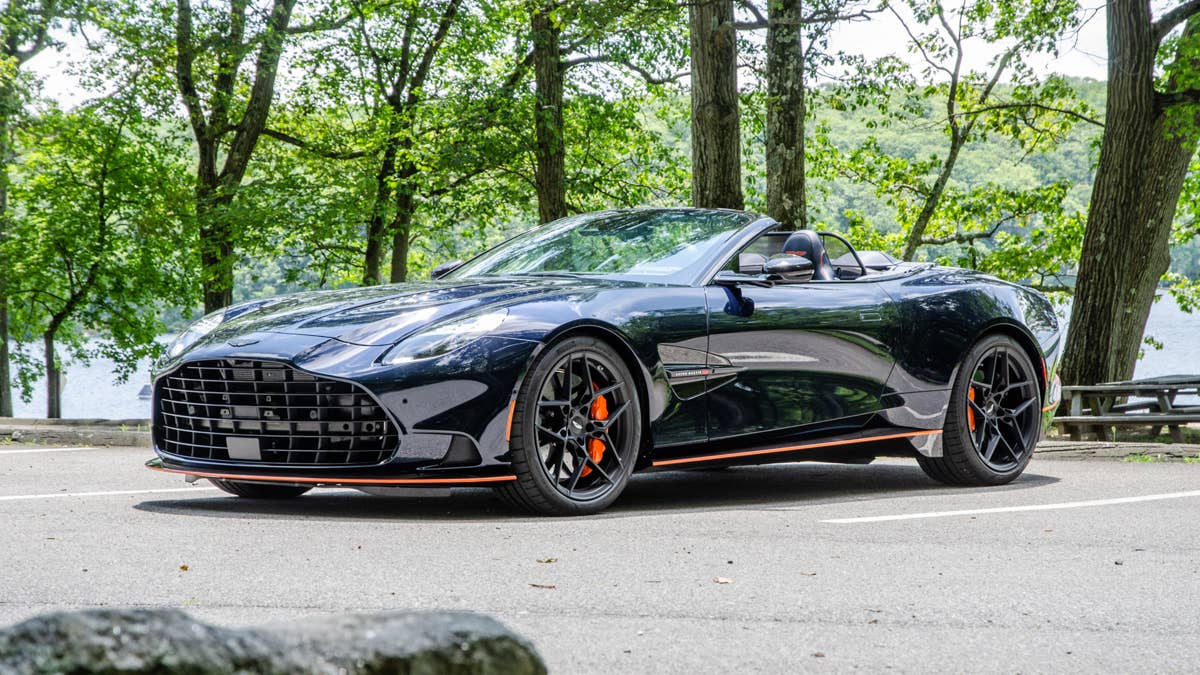
A Vanquish will cost you $436,500 to start, while the DB12 S is “only” $276,000, a $10,000 hike over a standard DB12. Is the Vanquish truly worth 58% more for the privilege of driving a V12? Based on the numbers, I would say no because in the real world, it struggled to put down all 823 hp, and was slower than its V8 counterparts to 60 mph. If you are the type of person to risk getting pulled over at triple-digit speeds, the Vanquish will quickly pull ahead with its massive power, but it’s interesting to note that Aston’s most expensive GT was the slowest to 60 in my testing.
There Is A Better Aston S Model
If it was my money and I was locked in on buying an Aston Martin, I would skip the DB12 S and the Vanquish to buy a less expensive car: the Vantage S. Having driven this car earlier in the year, I believe it is currently the best car in the Aston portfolio. Starting at $199,500 for the Vantage S Coupe, the “baby” Aston makes the DB12 and Vanquish seem overpriced.
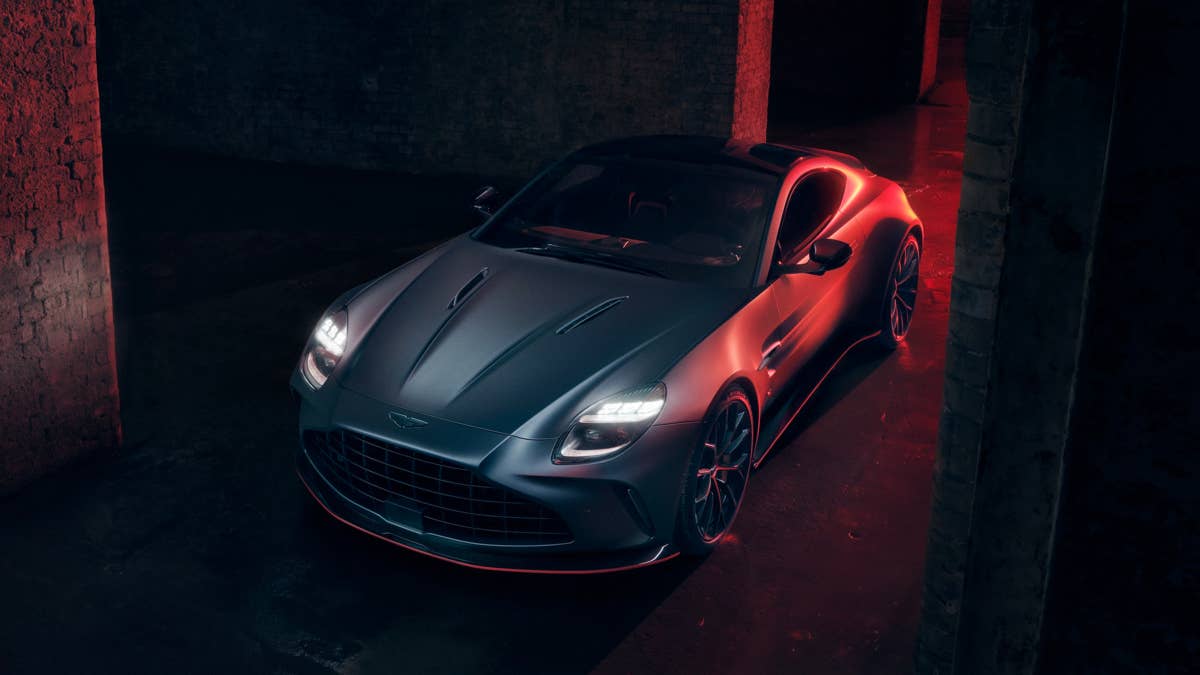
Aston Martin Vantage S
Aston Martin
I didn’t love the current generation Vantage when it first debuted, but Aston slowly improved it over the years with versions like the F1 Edition. The Vantage S feels like the culmination of Aston’s learnings, combined with the improved interior technology found in all of the company’s recent models. Not only is this smaller car even more agile than the DB12 S, it was quicker to 60 mph too. It may only have room for two passengers, but the Vantage makes up for that loss with a hatch-style trunk, which is arguably more useful than the DB12’s pitiful back seat.
Jared Levenson/Autoblog
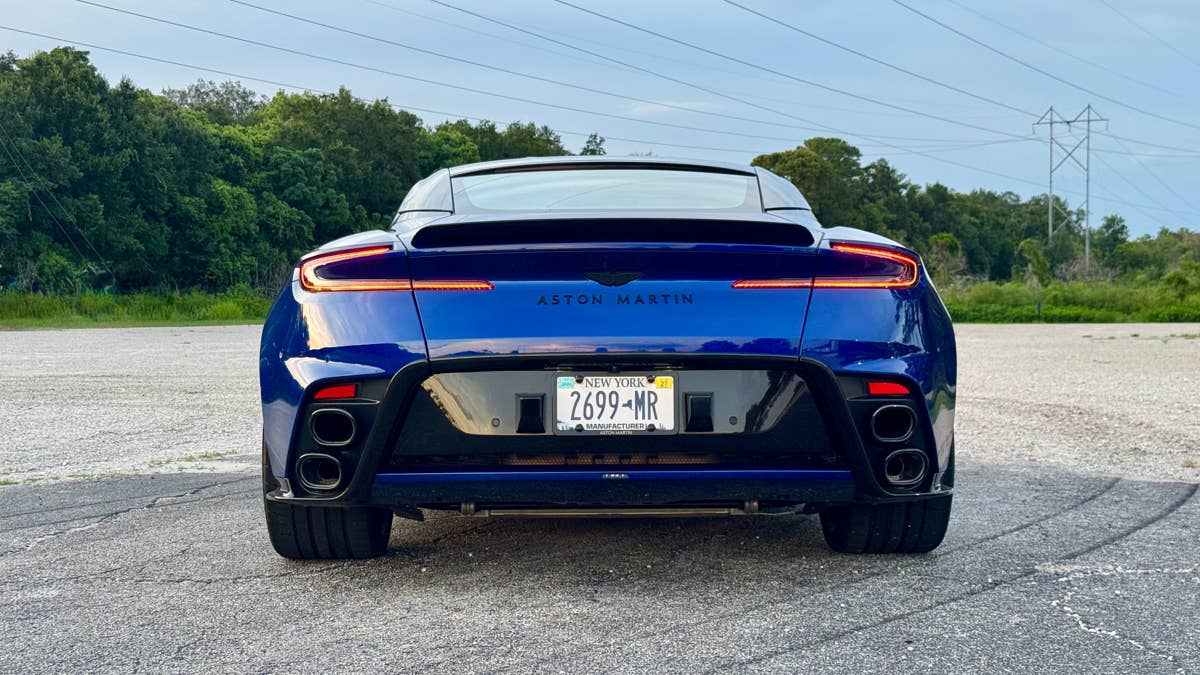
The DB12 S might be the most well-balanced GT car I’ve driven from Aston in years, but it has a very narrow audience. Buyers who want a four-seat cruiser will be happier with a base DB12, and those who simply crave the most jaw-dropping experience will want to spend extra on the Vanquish. Driving enthusiasts who want the sharpest Aston to take on a curvy back road or even the occasional track day should save the money, and get the Vantage S instead. I promise, you won’t be disappointed.