It’s sometimes hard to write about the Chinese car industry without highlighting comments that can sound a little Sinophobic. China has long since replaced Russia as the only comparable military and economic power in the world, but it’s also a major trading partner. Western automakers made billions of dollars selling cars in China and now, faced with the threat of Chinese automakers selling cars outside of China, are begging for tariffs and restrictions.
The Morning Dump is going to be a little more focused on this issue today, as Chinese President Xi Jinping is coming to Washington, D.C. soon and will potentially be bringing leaders from Chinese companies like BYD and Xioami, which are both essentially banned from selling cars in the US. The reasons for concern are real, of course, whether it’s about security, labor, or unfair pricing. Both former military leaders and current executives are expressing their desire to see Chinese automakers not sell cars here, even if President Trump seems open to the idea of Chinese car factories in America.
Congress may soon pass a bipartisan bill that heavily restricts which companies can sell in the US, though the automotive bill that passed first is actually about AM radio.
Xi Reportedly Might Bring BYD, CATL, And Xioami To The US

I’ve gone for a drive with BYD Chairman and founder Wang Chuanfu and found him to be a very personable and extremely intelligent guy. Chinese President Xi Jinping bringing him along on a trip to another country in order to represent the country’s manufacturing industry makes a lot of sense to me. I haven’t taken a drive with the heads of Xioami or CATL, though I assume they’re also pretty chill company.
However, I’m not sure that I’d bring them to the United States given all the concern, and proposed legislation, to keep Chinese companies out of the country. Reuters has multiple sources saying that Xi might be planning to do exactly that:
Washington and Beijing are finalising a group of Chinese business leaders to join President Xi Jinping’s upcoming visit to Washington, three sources familiar with the matter said, potentially including companies facing US regulatory scrutiny as they seek greater market access.
Final invitations will go out to companies in the coming days, the sources said. The State Department is expected to green-light US visas for the delegation, one of them added.
Leading Chinese electric vehicle manufacturer BYD, opens new tab, smartphone maker Xiaomi, which has also expanded into EVs, battery giants CATL, and Gotion, consumer electronics manufacturer Hisense, automotive parts supplier Wanxiang Group and state-owned Bank of China, and agriculture conglomerate COFCO Group are among companies under consideration, two of the sources and five other people briefed on the matter said.
President Trump has already said that he’s open to the idea of Chinese car companies building plants in the United States, which puts him at odds with most of his party. Americans are also not as interested in Chinese brands, though once they drive one their tune often changes.
When Trump went to Beijing he brought with him leaders of businesses that the Chinese government has issues with, so maybe this is just tit-for-tat. If that’s all this is, it’s completely reasonable in the course of diplomacy to have conversations, even with potential adversaries. Open dialogues are better than closed fists.
Whether you see it as a weakness or a strength, Trump has a flexibility when it comes to his positions, and has historically been persuadable. There is a growing concern that President Trump might be convinced that the jobs that Chinese automakers bring outweighs the risks. Leaders of car companies have been notably hesitant to critique the President, so it’ll be interesting to see their reactions to the White House embracing Chinese carmakers.
[Ed Note: Maybe we force a joint-venture system like China did to western automakers? -DT].
Generals: ‘There Cannot Be A Defense Industrial Base Without A Commercial Industrial Base’
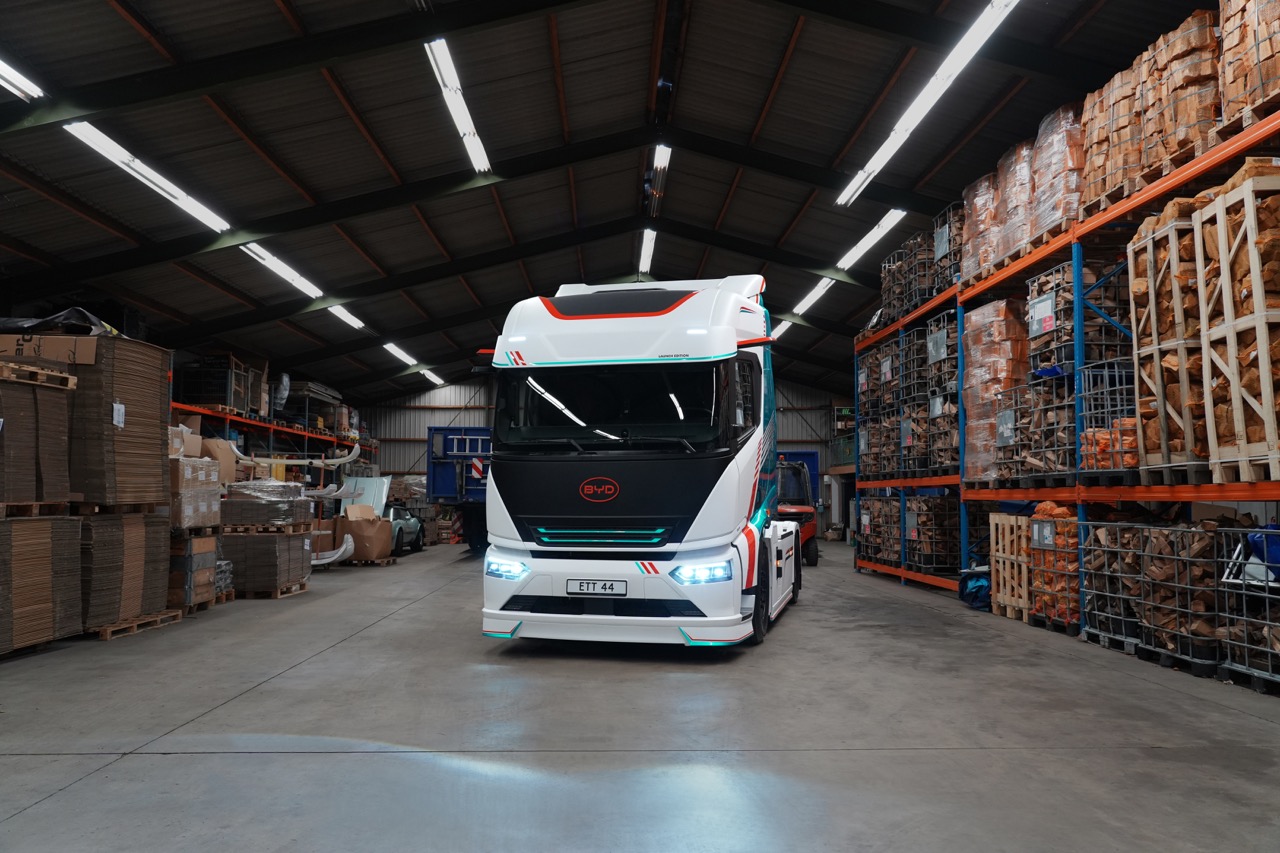
A bipartisan group in the US Congress is close to getting through the Connected Vehicle Security Act, which would make it much harder for Chinese-owned companies or Chinese-built cars to be sold here.
SAFE is a nonpartisan group of former military and business leaders operating a lobbying group focused on “transportation, energy, and supply chain policies” in the United States. They’ve got a letter out in support of the bill, writing that “There cannot be a defense industrial base without a commercial industrial base.”
Modern vehicles are increasingly software defined, collecting large volumes of information through cameras, sensors, internet-connected components, and onboard software. Chinese companies are subject to PRC laws requiring cooperation with intelligence authorities, creating a risk that the Chinese Communist Party (CCP) could gain access to geolocation histories, travel patterns, driver information, and information about surrounding critical infrastructure.
The legislation would also help preserve the commercial manufacturing capacity on which military readiness depends. U.S. industrial supply chains have been eroded for decades by state-backed Chinese competitors, undermining essential defense production capabilities. Domestic auto manufacturing creates critical domestic demand for steel, aluminum, batteries, semiconductors, and other advanced components—supply chains and capabilities the U.S. military cannot sustain alone
That’s the ex-military view, what about current business leaders?
Hyundai CEO Jose Munoz: Tariffs For Thee, But Not For Me
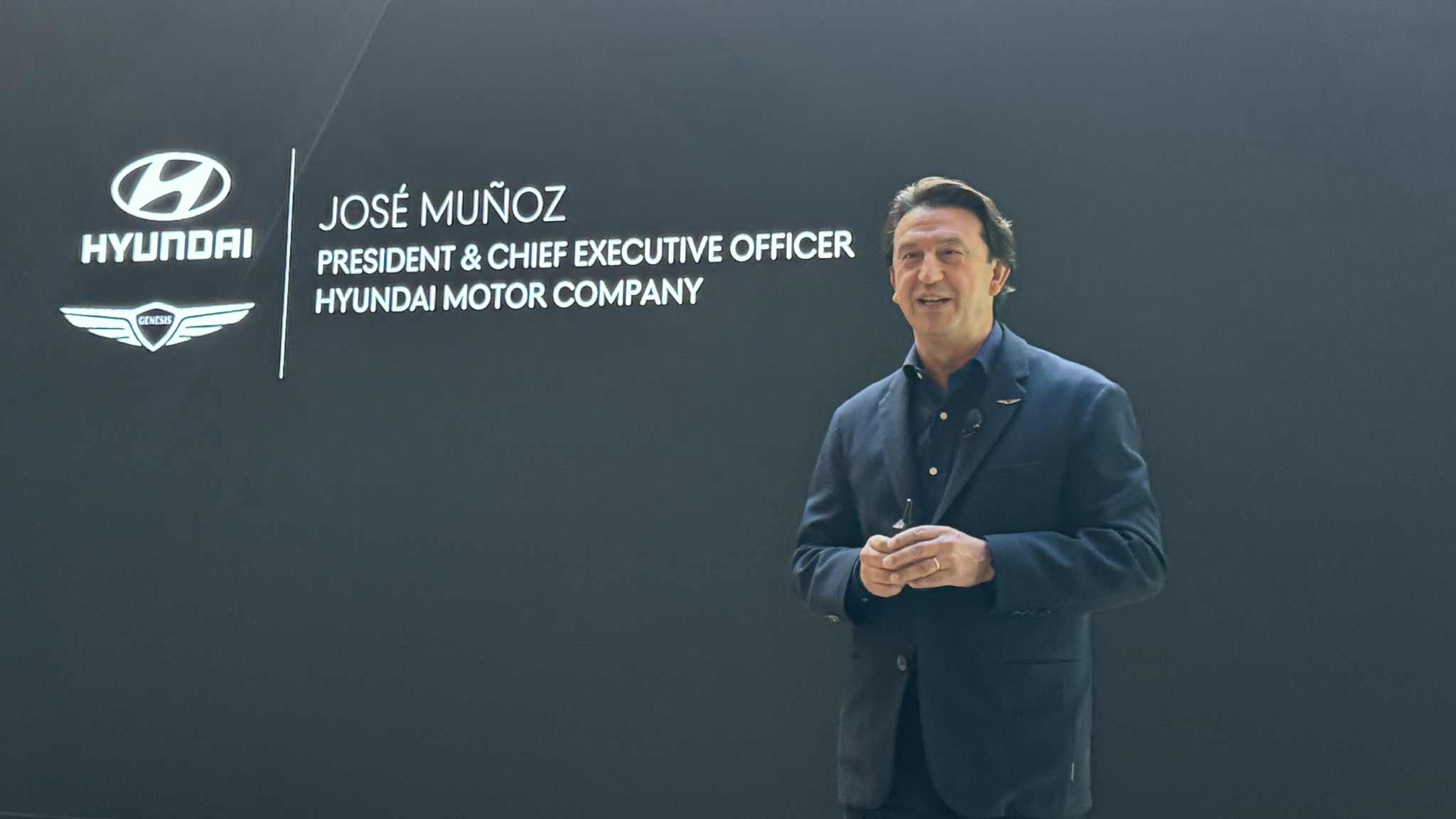
Talking to a Retuers reporter, Hyundai CEO Jose Munoz warned that not imposing trade barriers on Chinese companies was extremely risky:
Munoz said Chinese vehicles are 30 percent to 40 percent cheaper than rival models in some markets, including Italy, Spain and France. That’s despite trade barriers including tariffs or minimum pricing commitments that the European Union imposed on Chinese-built electric vehicles after concluding they benefited from unfair state subsidies.
Britain, which left the bloc in 2020, has not introduced similar tariffs. “The U.K., which in the past was a very profitable, very strong market, has become like China,” he said in San Jose, California. “All the top sellers are Chinese because there are no barriers.”
“So, I think we could expect similar things to happen in the U.S., at different levels, unless there are certain conditions,” he said, referring to measures such as the EU’s tariffs and other market-access requirements.
This is the other type of argument against Chinese automakers that’s fairly common, which is that they receive unfair state subsidies and therefore can charge unreasonably low prices and disrupt any markets they enter.
The House Of Representatives Passes A Bill To Save AM Radio

There’s been a move to discontinue AM radios in cars, which has drawn the ire of legislators. A bill passed on Tuesday would require all automakers to keep AM radio in their vehicles.
“Tens of millions of Americans tune into broadcast AM radio every day,” House Energy & Commence Committee Chairman Brett Guthrie said on the House floor, according to a press release. “Farmers use AM radio for weather forecasts, local information, and crop reports, while older Americans rely on it for local news and programming.
“AM radio is a critical tool for emergency communications. When a disaster hits and a broadband network goes dark, AM radio can continue providing critical emergency information to communities,” said Guthrie, a Kentucky representative.
If this passes the Senate and is signed into law, it would impact automakers like Tesla and Rivian, which don’t offer AM radio across all their vehicles.
What I’m Listening To While Writing TMD
I think you could do worse than a dive on Vine, but “Hollywood” by Marina and the Diamonds is a bop.
The Big Question
What do you listen to in your car? Or are you like David and just listen to silence?
Top photo:
The post What Happens If The President Rolls Out The Red Carpet To Chinese Automakers? appeared first on The Autopian.