Tariffs Open Doors
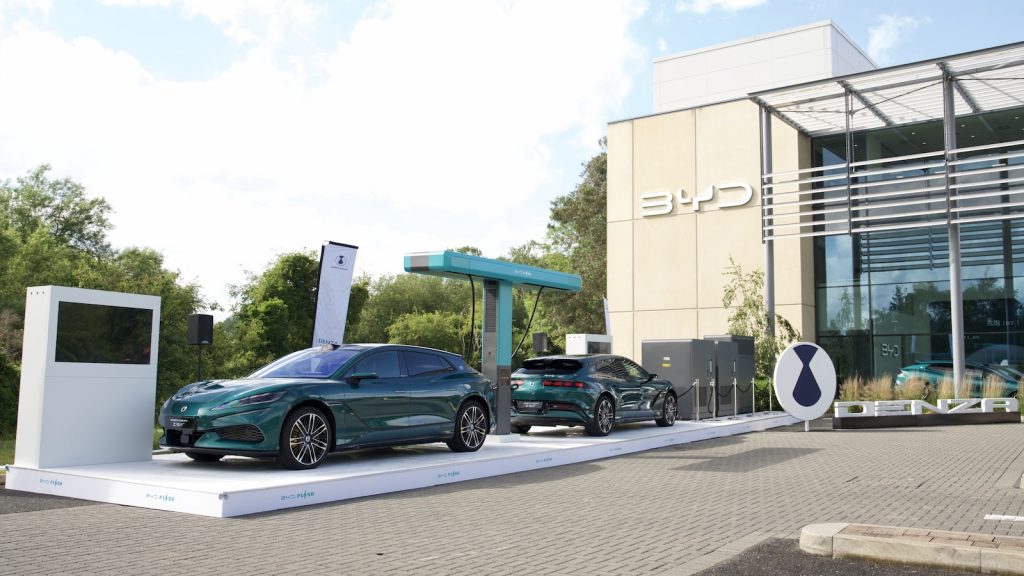
With the Trump administration imposing 50% tariffs on about $20 billion worth of Canadian goods, trade relations between the two countries are expected to remain strained. This could create opportunities for other players to step in, including those from China, which faces strong U.S. trade restrictions. BYD is among the automakers looking to capitalize, having reportedly asked about taking over Stellantis’ Brampton Assembly plant in Ontario.
Automotive News reported that Brampton Mayor Patrick Brown said BYD inquired about the plant six months ago. The factory has been idle since late 2023, initially for retooling. It was supposed to produce the next-generation Compass, but Stellantis halted the plan after U.S. tariffs complicated the business case. This helps explain why the U.S.-market Compass remains in its second-gen model, which debuted about a decade ago.
China Finds a Foothold
Securing the Brampton plant would deepen BYD’s presence in Canada as the country opens its market to more Chinese-made EVs. Under a recent agreement, the Great White North is allowing up to 49,000 Chinese-built EVs annually at a reduced 6.1% tariff. Tesla has already capitalized by importing Shanghai-built Model 3s, giving Canadian buyers a lower-priced entry point than U.S. models.
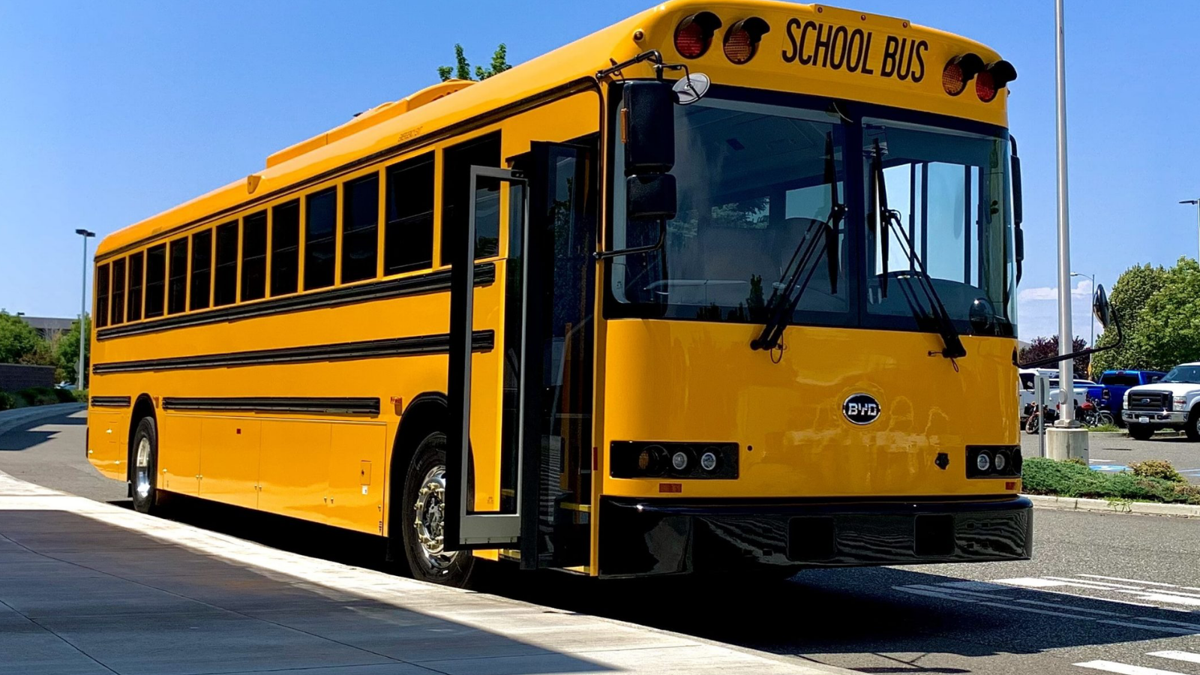
However, BYD discussed building electric buses at the idled Stellantis plant rather than passenger cars. Bus production is not new to the automaker, which already manufactures electric buses in Lancaster, California. Its buses are used by transit agencies, universities, and transportation services around Disneyland Resort.
Fellow Chinese brand Leapmotor has also considered using the Brampton plant. Earlier reports suggested it could assemble vehicles from knock-down kits, meaning they would be largely built in China before final assembly in Canada. Such an arrangement would create fewer jobs than full-scale manufacturing and could face pushback from Unifor. Brown also said Canadian defense firms Roshel Inc. and Dominion Dynamics had asked about the facility.
The Job of Keeping Jobs
Given these developments, the U.S. strengthening its trade barriers could force Canada to rely on other potential investors to preserve jobs and support local businesses – even if that means welcoming companies from China. The U.S. has imposed strong restrictions on Chinese vehicles, and its ambassador to Canada has said Chinese-made cars would not be allowed to cross the U.S. border.
For now, the Brampton facility remains idle, while North American production of the next-gen Compass has been assigned to the Belvidere Assembly plant in Illinois, where it is scheduled to begin in 2027.