It’s Still Rock and Roll To Me
After nearly 25 years out of the spotlight, the 2026 Honda Prelude arrived with the kind of crushing, decades-long anticipation usually reserved for a reunion tour for a band that has been going through a long hiatus. For Honda fans, this wasn’t just a car launch; it was the ultimate test. They’ve been waiting for Honda to stop making “boring” cars and build them something exciting. They expected perfection, or at least something that would let them relive their glory days without needing a chiropractic adjustment.
But despite the early disappointment expressed by enthusiasts, the Prelude is actually a fantastic car. It’s not a world-beater with a crazy amount of horsepower; instead, it’s just an incredibly fun to drive car, which feels like a scandalous, cancel-able admission in the spec-sheet-obsessed world that exists on social media. It’s something that can turn the morning commute into something you actually look forward to, rather than something you’d have to endure.
During my time with the Prelude, I walked away with something more complicated than a verdict. The Prelude is a genuinely excellent car, but with a starting MSRP of $43,195, it is also a car that requires a very specific kind of buyer to make peace with what it is and what it isn’t.
James Ochoa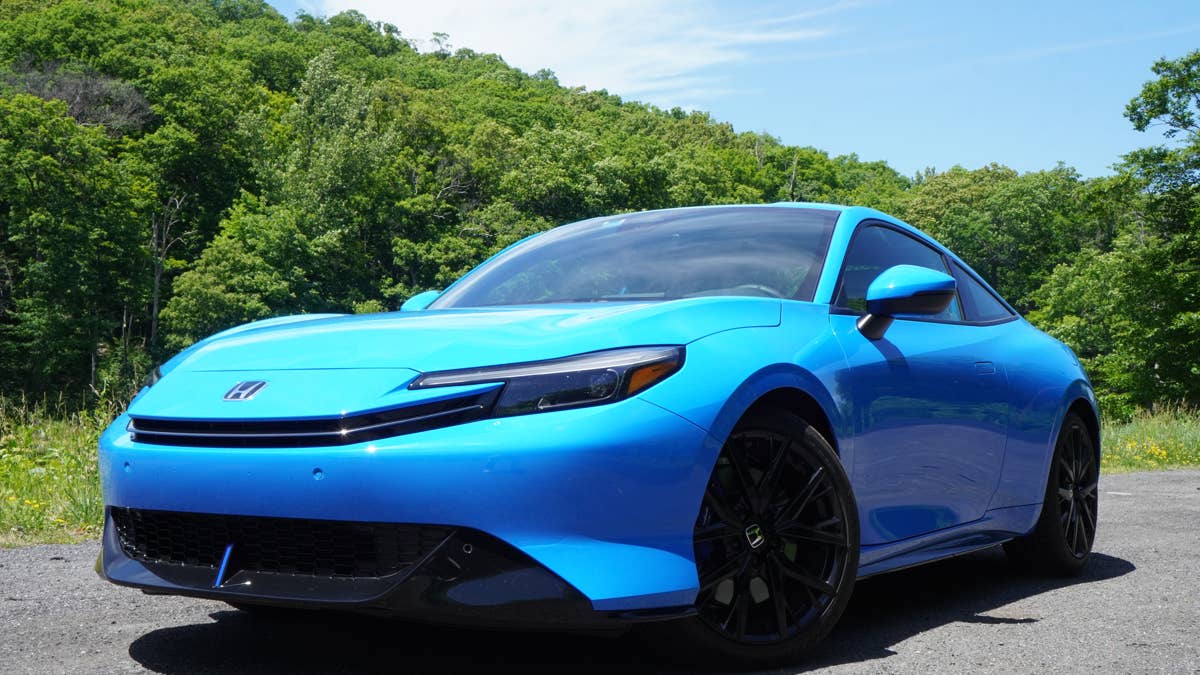
The Buttoned-up Hybrid
From a styling perspective, my initial impression of the Prelude was that it slyly resembled the latest Toyota Camry and Prius; a thought that cemented when I found the ‘lude accidentally parked next to a Camry walking back to it in the parking lot. The first time it happened, I felt a little panic that gave me a small existential crisis of automotive identity. This sounds silly, but the resemblance is undeniable and uncanny; both share a square toe-shaped nose accented by C-shaped LED headlights.
While it feels copy-and-paste in theory, there is something undeniably clean and unique about the way the Prelude wears these lines; its front end styling is part of the car’s restrained aura, which reads as polite. That said, the overall design gets more aesthetically pleasing once you move past the front fascia and take in the silhouette, especially from a distance. Unlike the current pack of hyper-aggressive, over-styled coupes and sports sedans on the market, the Prelude feels different. Its toned down styling is free from the exaggerated track-focused features like carbon fiber bumper-mounted canards or giant splitters or diffusers.
James Ochoa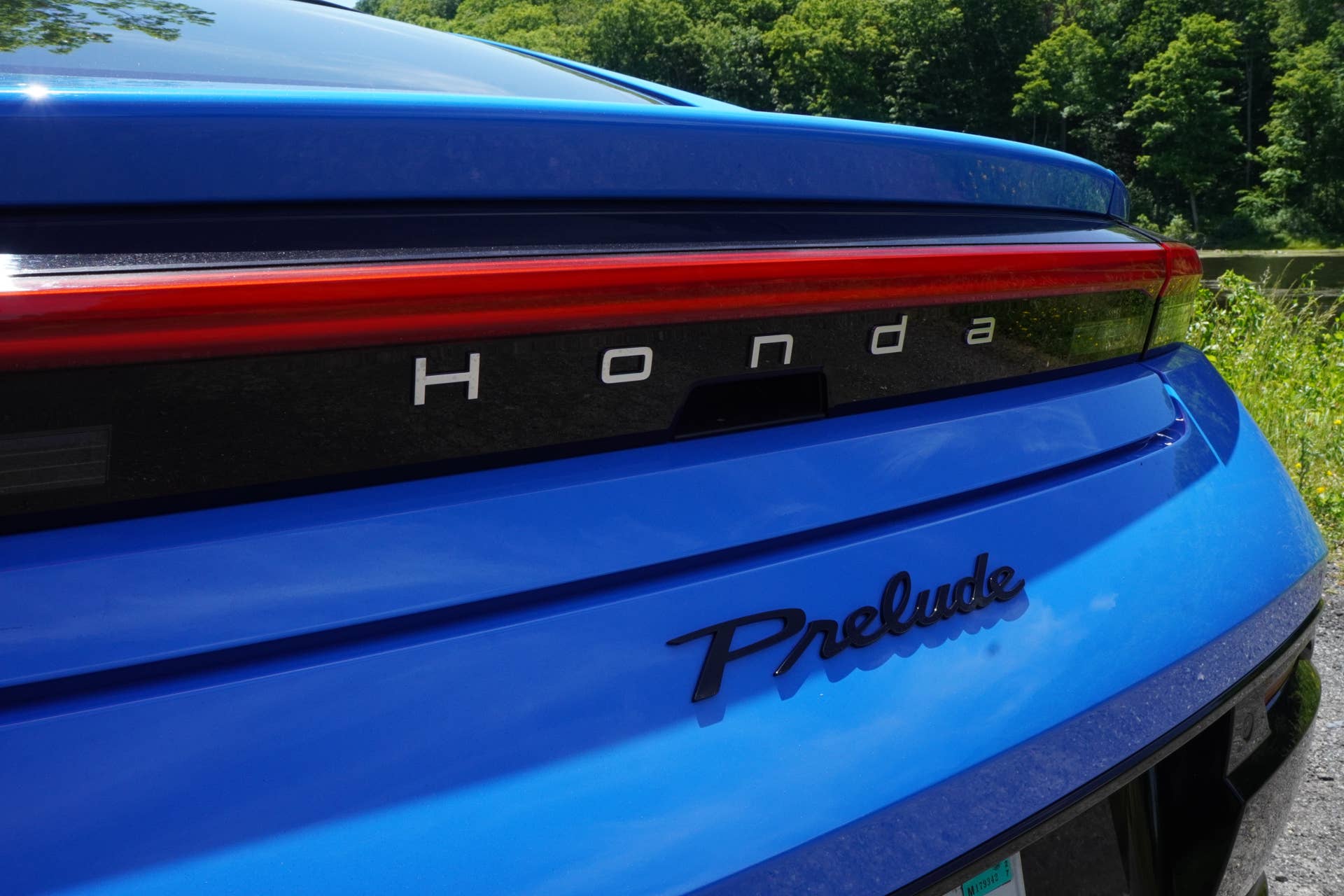
The roofline slopes with an elegance that recalls the coupes of the 90s, avoiding the awkward, cramped greenhouse aesthetics that plague so many modern two-doors. It manages to look athletic without having to shout about it, relying on surfacing and proportions rather than a barrage of vents, creases, and tacked-on aerodynamic trickery.
Ultimately, the Prelude isn’t a design that forces you to look at it by screaming for attention. Instead, it has a handsome and understated look that prioritizes actual shape over shock value; a bold choice in a market that demands cars to resemble Gundam robots. It is for this reason as to why the Prelude doesn’t seem out of place wherever it goes, whether behind nature and trees on a backroad, or on cobblestone streets in front of brownstones in the city.
James Ochoa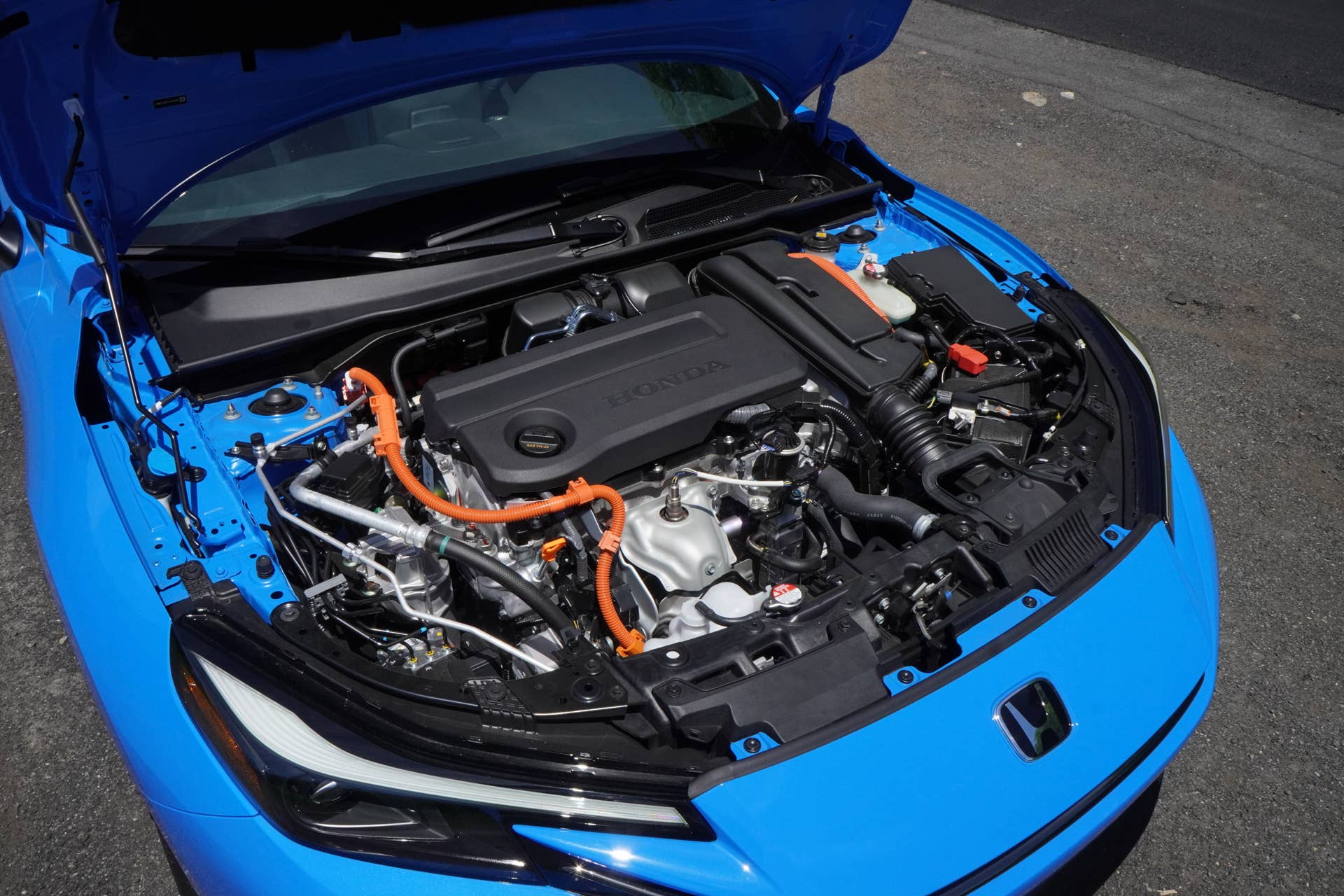
A Pinky-Up Kind of Fuel Sipper
While there is a lot to talk about, the real elephant in the room that occupies the Prelude is another Honda; specifically one that wears a Civic badge. Under the hood, the 2026 Prelude uses Honda’s two-motor hybrid system, which is similar to the unit that lives in the Civic Hybrid. It consists of an electric motor and a generator coupled to an Atkinson-cycle 2.0-liter inline-four making 200 horsepower and 232 lb-ft of torque, on regular 87-octane to the front wheels. The powertrain doesn’t feed itself onto a traditional gearbox; Honda uses something called an e-CVT and a feature called S+ Shift that we’ll get to in a moment.
The EPA rates it at 46 city, 41 highway, 44 combined and in mixed driving around North Jersey and the city, I was consistently hitting those numbers. For a car positioning itself as a sporty coupe, that fuel economy figure is almost comically impressive. It gets better mileage than most crossovers, or even other hybrids, though you probably shouldn’t lead with that at Cars and Coffee.
As a whole, the powertrain is smooth and refined in a way that takes some adjusting to. Around town, whether it be looking around for a parking space or in stop-and-go traffic, it rolls around in EV mode, which makes it nearly silent. Almost unsettlingly so. However, when you get above 25 to 30 mph, the four-cylinder wakes up to assist and the transition is seamless enough that most people riding with you will never notice it happen. Although describing this may not seem “sporty,” I liken this phenomenon to the hybrid-powered LeMans races like the Cadillac V-LMDh, whose V8 roars to life at the end of the pit lane in dramatic fashion.
James Ochoa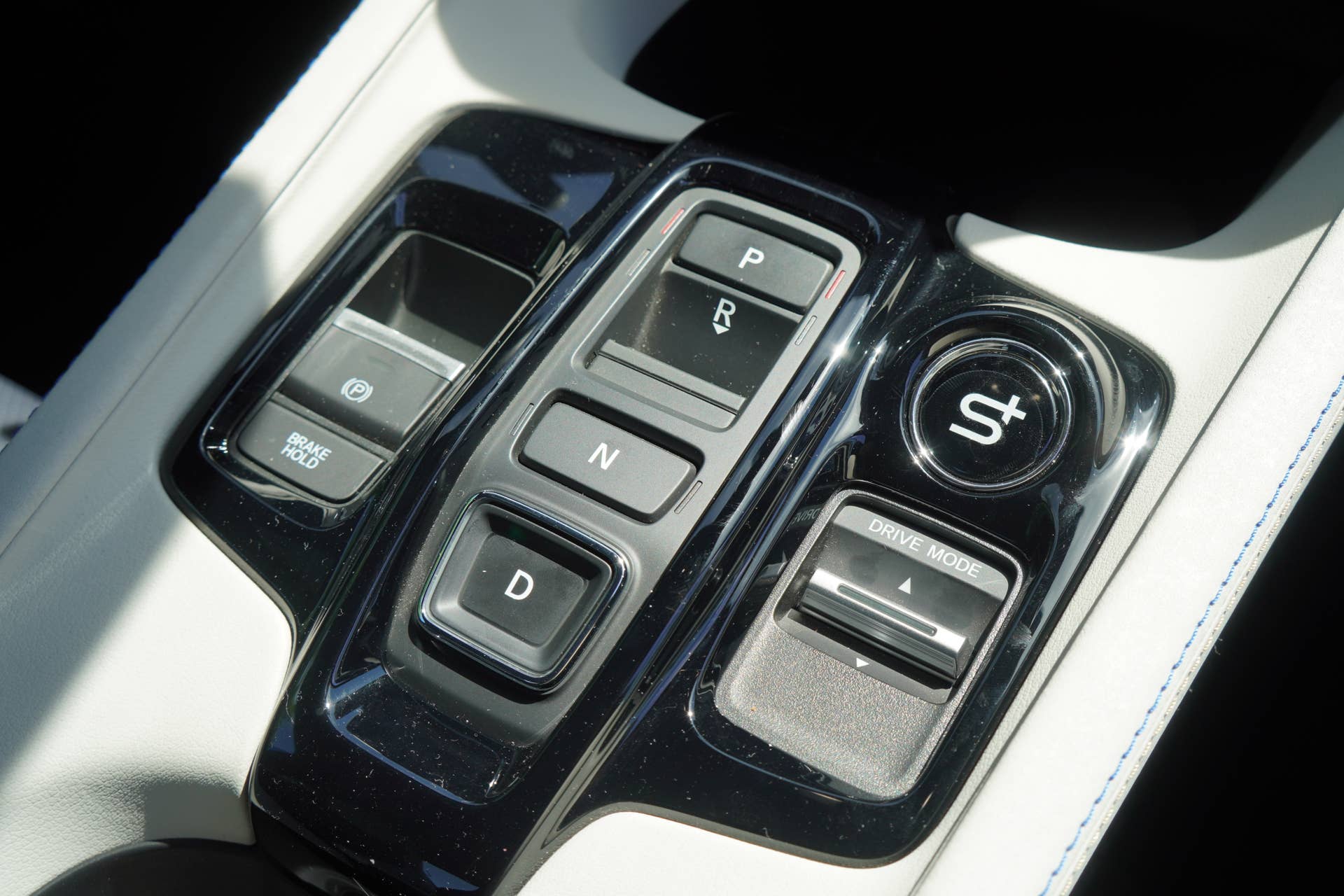
The S+ Shift System, or How Honda Created Electronic Magic.
Honda’s party trick with the Prelude is a feature called S+ Shift. This button-enabled mode simulates a traditional geared transmission by programming engine RPM blips and deliberate cuts to the electric drive motor as you cycle through eight virtual gear ratios automatically (like a traditional torque-converter automatic ‘box) or with the steering wheel-mounted paddles. No actual gears are changing, nor anything mechanical is shifting. You are, in the most literal sense, experiencing a very sophisticated illusion.
On paper, it sounds like the automotive equivalent of a fake fireplace crackling sound effect, but I assure you it is not like that at all. If you get the Prelude out on a nice driving road, whether it be the switchbacks near Seven Lakes or the curvy strips of tarmac around Ringwood, it truly comes alive. Engage Sport mode, hit the S+ Shift button, and everything changes. The RPMs climb and hang at the top before a simulated shift drops them back down. There’s a mechanical drama to the whole thing that has no right to work given what’s actually happening under the hood. But, it does work convincingly, in the same way a really good magic trick works: you know it’s not real and you don’t entirely care.
James Ochoa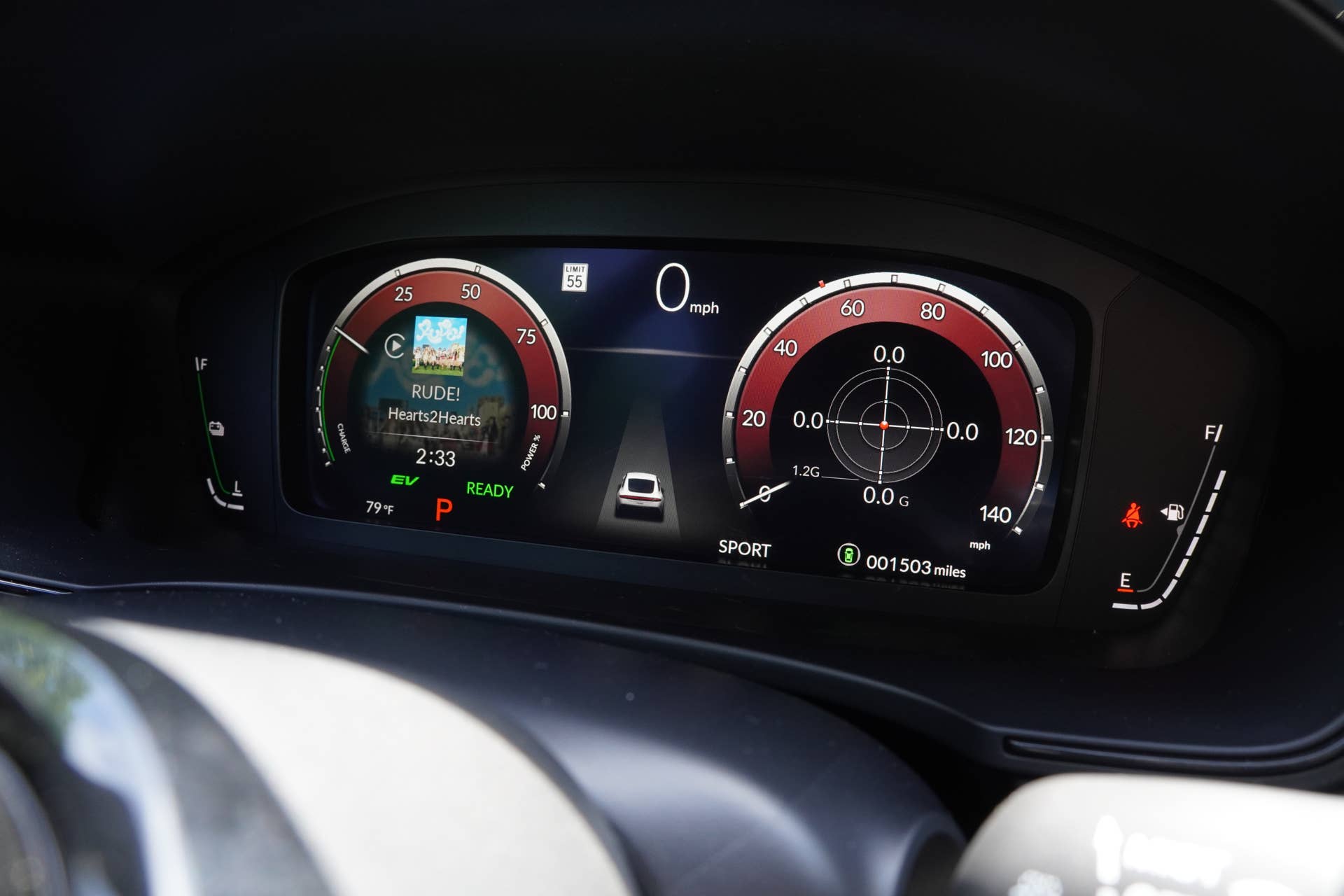
When you’re this locked in and engaged, you don’t have time to think. Pushing it though its paces with the S+ Shift on, the Prelude feels lighter, more alive and more communicative. It reminds you, in a way that’s hard to express without feeling sentimental, of what it felt like to drive a late 90s or early 2000s Honda that had no business being as fun as it was. On paper, the S+ Shift makes the car physically slower to sixty, but for feelings’ sake, it doesn’t matter. It can push you to the ragged edge of your driving abilities quickly if you are not careful, but the journey along the way is all that matters.
Is it as fast as a GR Corolla? No. Will you be pulling away from M4 Competitions? Absolutely not. Will you be smiling ear-to-ear trying to do so? Yes, absolutely. That part is non-negotiable.
One legitimate issue I found was that when S+ Shift is off, those same paddles control the car’s regenerative braking. If you’re not paying attention, you’ll find yourself toggling regen levels instead of fake-downshifting and you and your passengers will feel every bit of it. It’s a small thing, but it’s worth knowing before you hand the keys to anyone or if you experience car sickness.
James Ochoa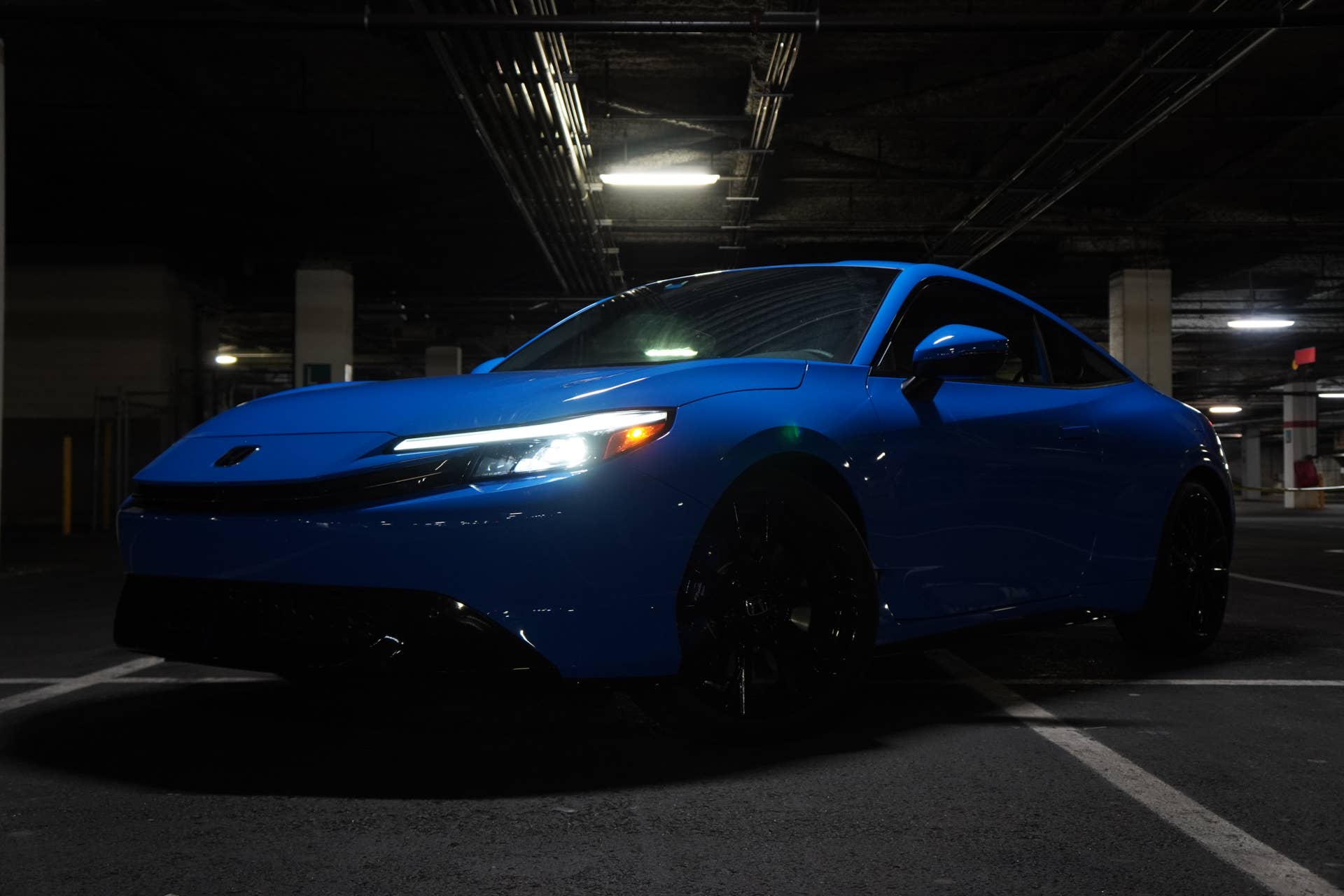
Where The Math Doesn’t Work Out
As equipped, our Prelude, which came with the $455 Boost Blue paint job, as well as dealer-installed Continental ExtremeContact Sport 02 summer tires that genuinely transformed the handling experience — came to a grand total of $44,850. That number is where the Prelude’s otherwise compelling argument starts to come apart a little.
Actually, scratch that. It becomes a point of contention. At $44,850, you are within breathing distance of the top-spec Accord Touring Hybrid. This isn’t an apples-to-apples comparison; the Accord isn’t a sports car, but it’s still a car that gives you a heads-up display, a 12.3-inch touchscreen, power-operated heated and ventilated leather seats, and enough space to seat five actual adults in comfort. The Prelude gives you manual seats, a 9-inch screen, and a backseat that is somehow big enough to be legally called a backseat.
James Ochoa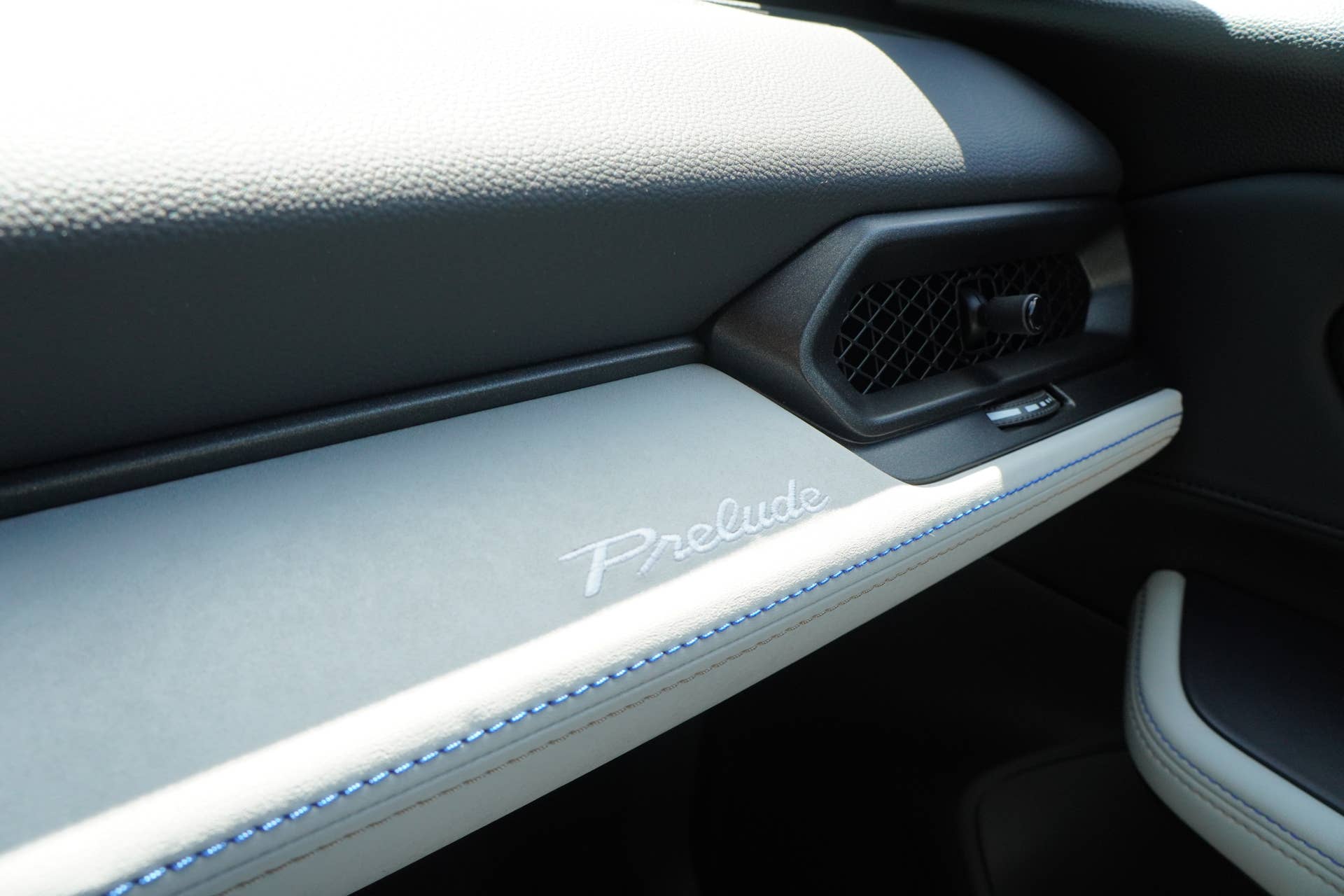
The math gets worse when you start to consider how much it stacks up against its competitors. The Toyota GR Corolla starts at $40,120 and delivers 300 horsepower through all four wheels with a proper (manual OR automatic) gearbox and a proper rally-bred AWD system. On the opposite end, the Ford Mustang GT has an MSRP of $46,560, which features a gnarly 5-liter V8 with 480 horsepower and 415 lb-ft of torque. At this price point, 200 horsepower is a number you have to be prepared to defend.
But in our world, there are products that exist above their logical price point and get away with it because quality and the ownership experience justifies it. Herman Miller chairs. Red Wing boots. Dyson vacuums. You pay the premium, the thing performs, and you stop thinking about what else you could have bought. The Prelude is not quite there. It’s not overpriced in a hollow way; it has chassis and suspension components from the Civic Type R, including the Brembo four-piston front brakes and the dual-axis front suspension, which help deliver a real driving experience. But it is overpriced for the specific moment it exists in, as it is aimed at a buyer whose enthusiasm for the nameplate that Honda is counting on to close the gap between sticker and perceived value. Unfortunately, real life catches up and priorities change and the Prelude doesn’t bring the bang for the buck.
James Ochoa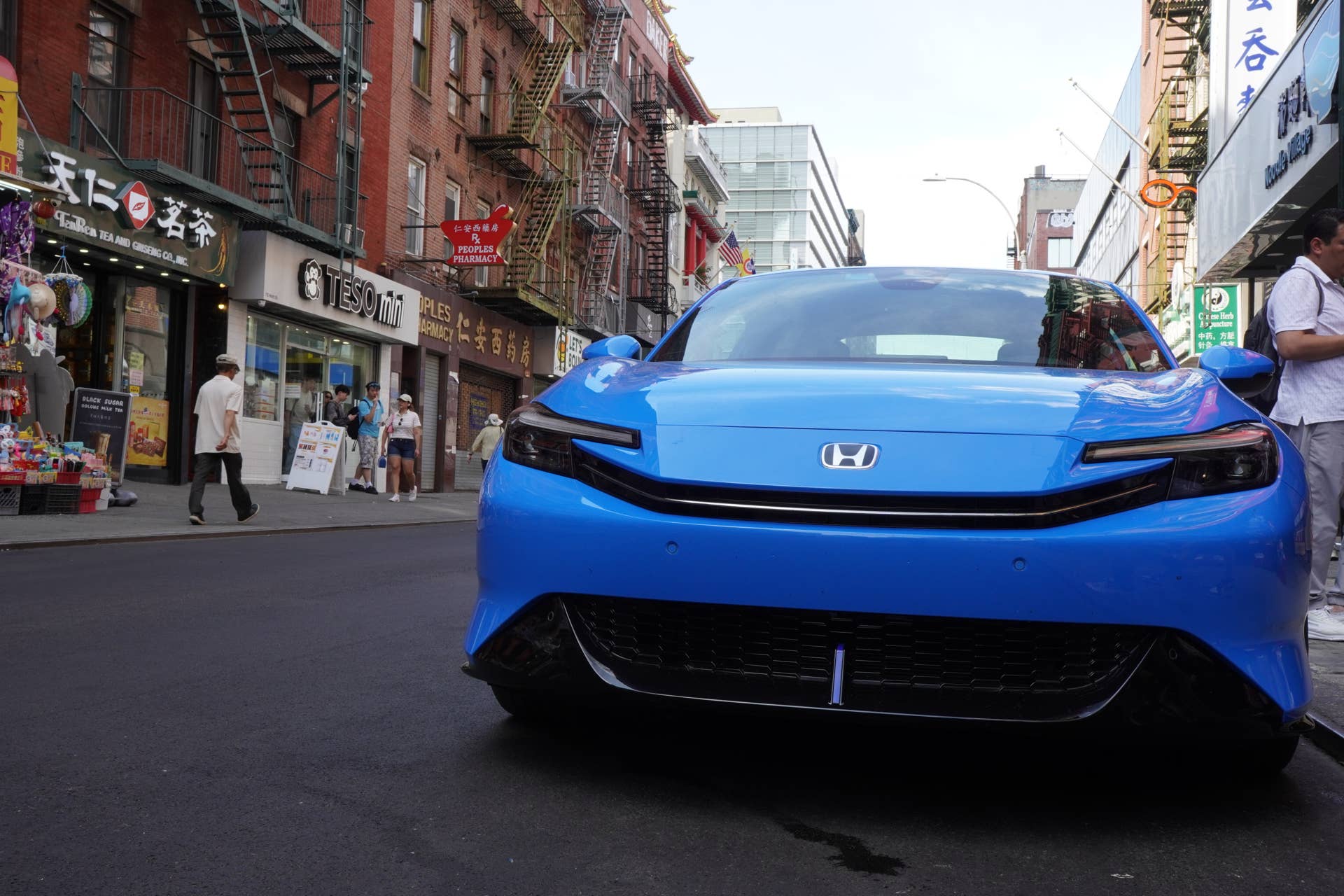
Final Thoughts
After a week of driving through a dynamic mix of environments, including North Jersey, Rockland County, the mean streets of Manhattan, the bridges and tunnels and the stop-and-go mess on the Turnpike during rush hour, I still think about it. Not in the complicated way I think about a car that disappointed me, but the other way.
To me, the Prelude is the kind of car that makes you reconsider what you actually want out of driving. For as much as money can buy horsepower, there’s a limit on what raw horsepower can make you feel on a real road with real corners. It should go without saying that driving a car at its limits will always be fun. Pushing a 200 horsepower machine on an empty twisty country road, working the S+ Shift paddles, and feeling the Contis keep grip as you maintain yourself in the mustard will always feel more alive than piloting a 500+ horsepower machine at a fraction of its capability.
The Prelude forces that conversation, which in today’s environment, needs to exist.
James Ochoa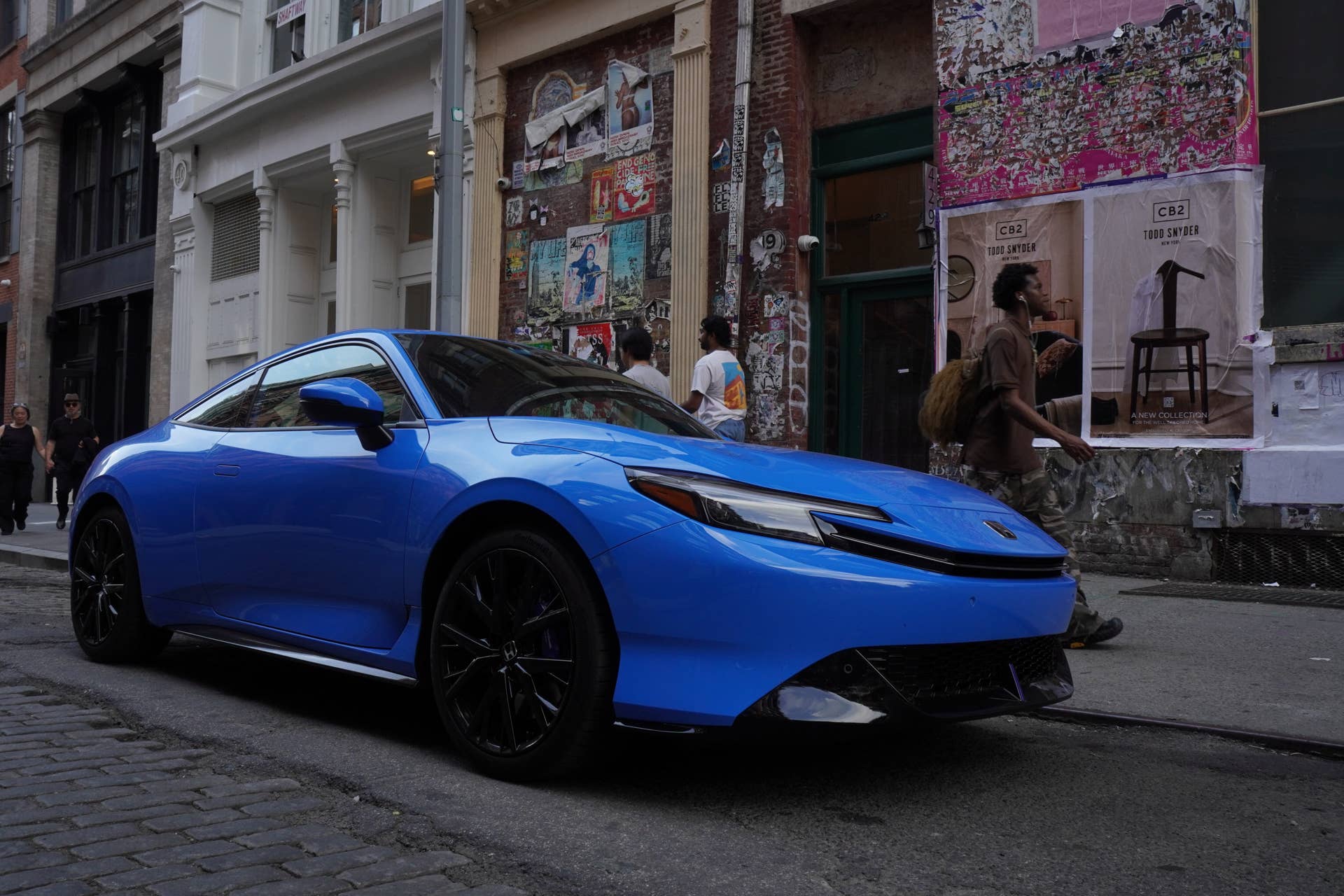
Honda built a car here that some of its most loyal fans wanted to exist. A coupe with real handling, real economy, and a powertrain that has no business being this engaging. The price tag is the only thing that doesn’t fit, and in 2026, $43,000 is apparently the new $25,000. That’s not a problem unique to Honda, but it hurts twice as bad because it’s a Honda.
Irregardless of price, the Prelude is for a very specific kind of driver. They don’t need to win at every stoplight. They value the act of driving over the performance of driving. They, if we’re being honest, probably already knows exactly who they are and doesn’t need a spec sheet to validate it. You might call this person weird, or any other type of insult, but they don’t care. Like, at all.
If that’s you, this car will reward you in ways that are indescribable.
Disclosure: Honda loaned James Ochoa a 2026 Honda Prelude Hybrid with a full tank of gas to write this review.