For early Rivian customers, a frequent pain point was its service. With wait times that stretched up to 50 days to even get their cars into a service center for an inspection, the service inefficiency proved to be one of Rivian’s most critical bottlenecks, especially when its vehicles still present issues needing to be ironed out.
Rivian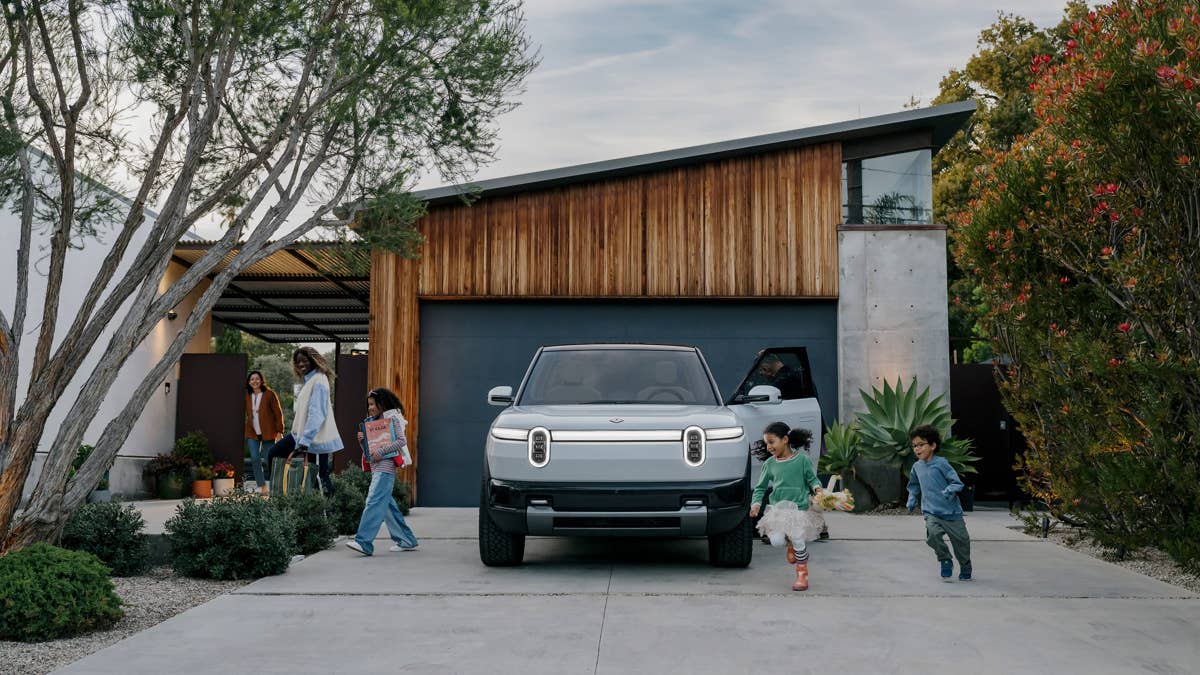
As Rivian pivots away from being a niche startup and toward being a mass-market manufacturer with sweeping structural changes, CEO RJ Scaringe says the days of driving to a service center or a physical shop may be over. In a recent interview, Scaringe claimed that Rivian wants to take care of 80 percent of all service needs using mobile service trucks. According to this approach, a technician from Rivian will arrive at the customer’s home in a mobile service station and address the issue with the car still parked on the customer’s driveway.
Mobile Service Strategy
Rivian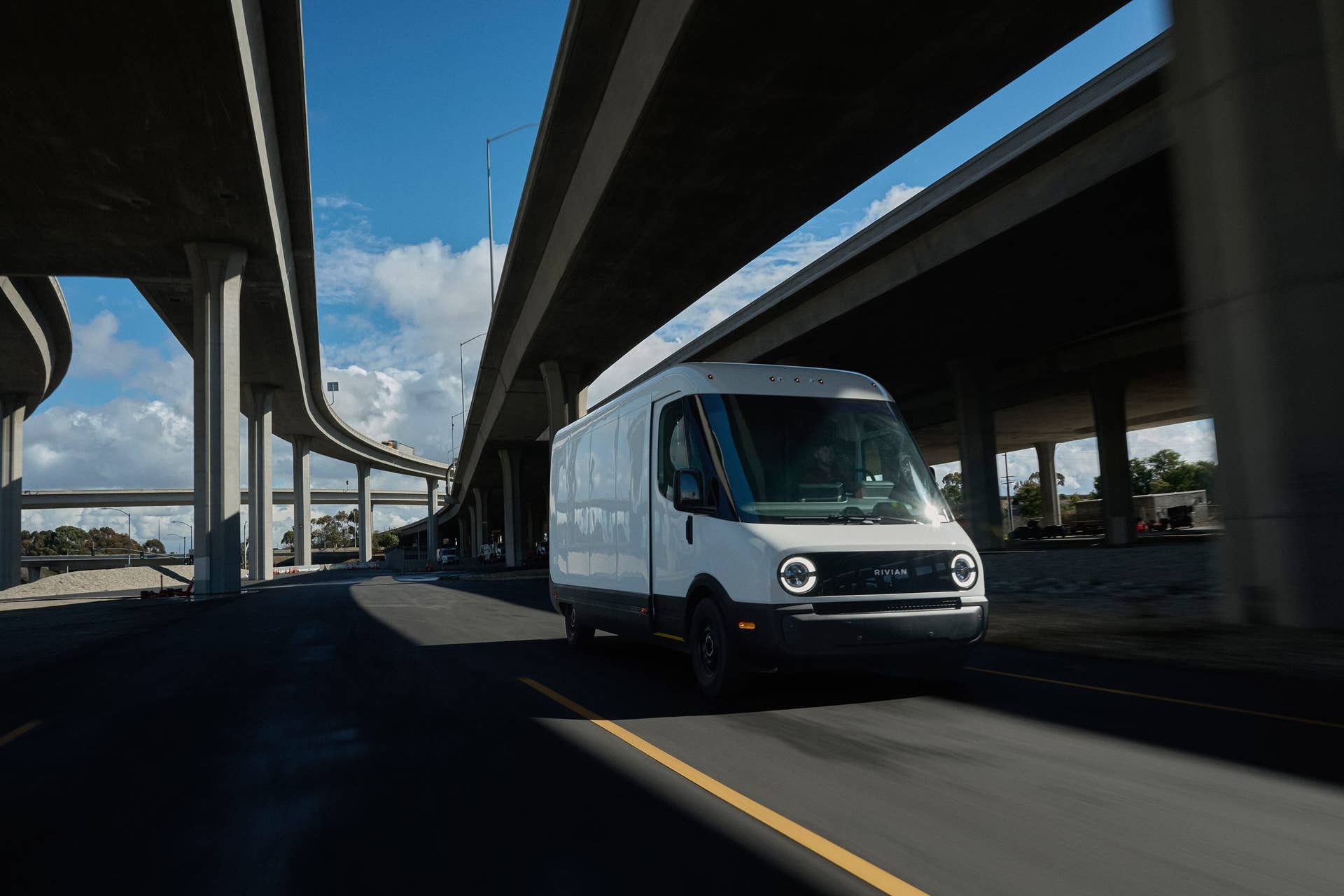
The strategy relies heavily on bypassing the traditional dealer model altogether. Scaringe recently detailed a massive shift toward off-site repairs, revealing that approximately 60 percent of Rivian’s service is now handled by the company’s mobile service fleet, with Rivian targeting to increase this figure. In order to achieve this target, Rivian has deployed around 800 mobile service vehicles across the country. The bulk of this fleet consists of modified vans acting as rolling repair bays, dispatched directly to owners’ driveways. For more extreme scenarios, the automaker uses specialized Rivian Service Trucks (RSTs) capable of reaching even those drivers who were stuck on the side of a mountain. Rivian claims that no matter where a vehicle is located, an RST can make the recovery journey.
This aggressive mobile strategy is not just about convenience; it is a logistical necessity. The newly launched R2 SUV is currently rolling out to early reservation holders, fundamentally changing Rivian’s volume metrics. They are no longer solely servicing $80,000 luxury adventure vehicles. An influx of tens of thousands of new Rivians on American roads will place unprecedented strain on an already inefficient service operation.
Rivian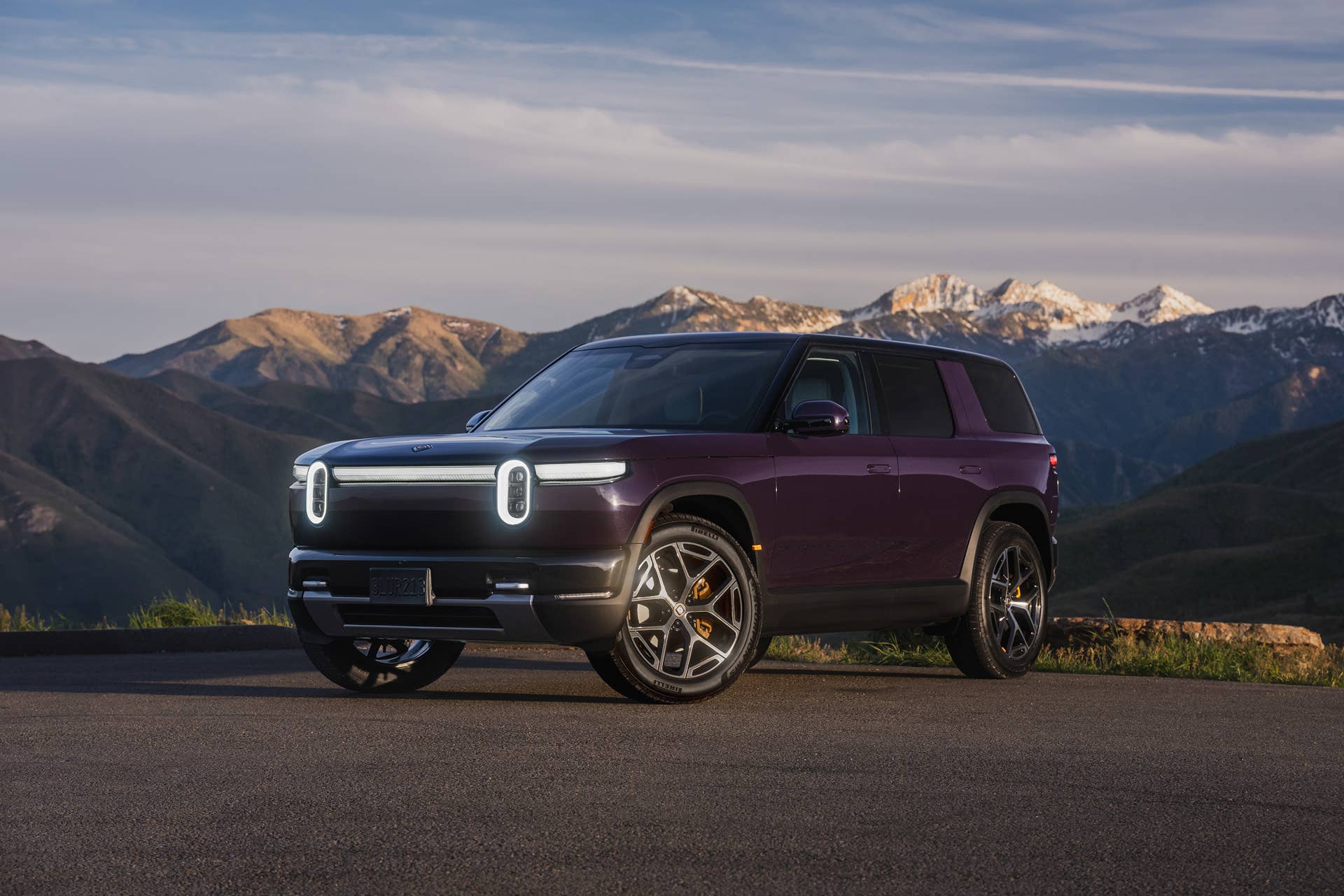
Big Picture
While mobile vans can handle software glitches, tire rotations, and minor hardware swaps, major work and complex battery diagnostics still require physical bays and additional tooling. Recognizing this, Rivian is also racing to increase its brick-and-mortar service footprint to over 150 service centers by the end of 2027.
Rivian’s mobile-first service vision sounds viable on paper, eliminating the need for loaner vehicles and long commutes. However, execution is paramount. As for the mass-market rollout of the R2, the automaker’s 800 van service fleet will be the first line of defense keeping these new vehicles out of the shop and on the road.