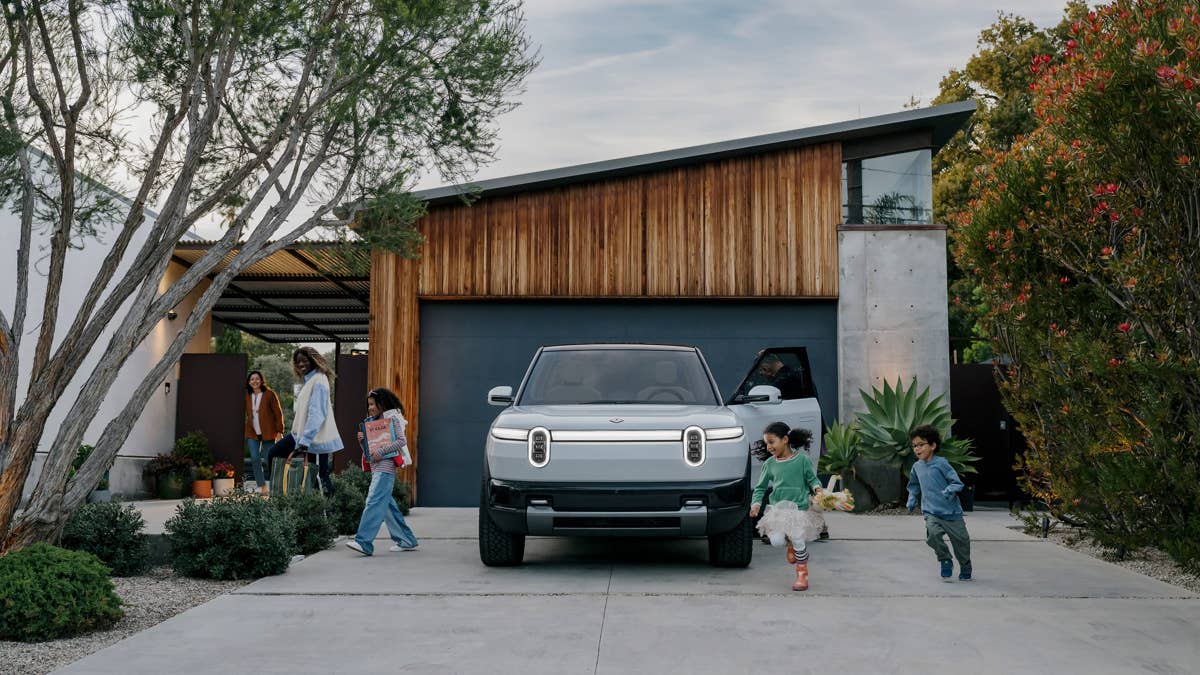
General Motors cut more than 1,000 workers at its Factory Zero plant in Detroit. It softened its EV commitments and paused production more than once. And then it started installing robots. Around 50 collaborative robots, or cobots, have been added to the assembly line at the facility, working alongside the people who remain to attach body panels to vehicles as they move down the track.
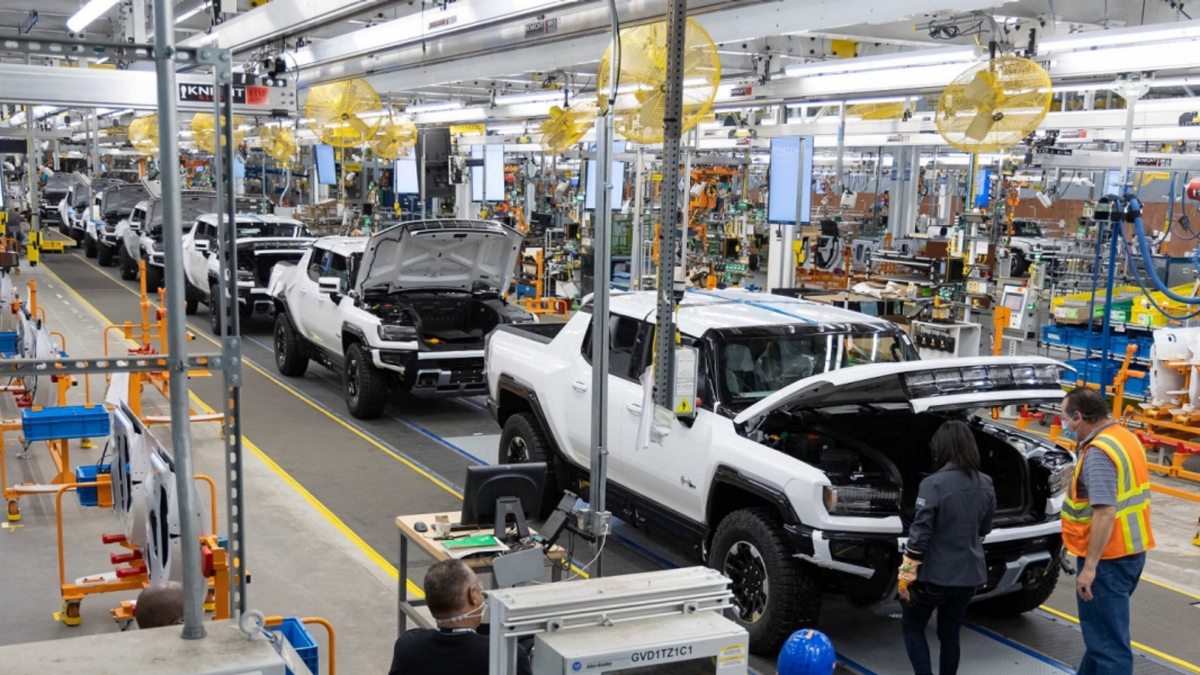
The UAW (United Auto Workers) Local 22 president, who represents workers at the plant, confirmed they are Fanuc-made machines and says his members are “disgusted.” In an interview with Crain’s Detroit Business, he said, “It’s always a concern when you see a robot coming to a plant, especially after they have laid off over a thousand people. They say it’s the wave of the future, and if that’s so, they’re taking away jobs from people.” The union has filed grievances. GM has said the cobots improve safety and ergonomics. Both things can be true, and probably are.
Mary Barra Said This Was Coming
To be fair, GM was never subtle about the direction of travel. At its GM Forward event in late 2025, Barra and her senior team spent considerable time outlining how AI and automation would shape manufacturing going forward. Earlier that year, when announcing a tie-up with NVIDIA to develop factory robotics, Barra said: “AI not only optimizes manufacturing processes and accelerates virtual testing but also helps us build smarter vehicles while empowering our workforce to focus on craftsmanship. By merging technology with human ingenuity, we unlock new levels of innovation in vehicle manufacturing and beyond.”

The Big Industry Push Towards Automation
GM is hardly alone here. Toyota signed a commercial deal earlier this year to deploy humanoid Digit robots at its RAV4 plant in Ontario, the first such deployment at a major automaker’s facility. BMW is expanding its humanoid robot pilot from South Carolina to its Leipzig factory in Germany.
BMW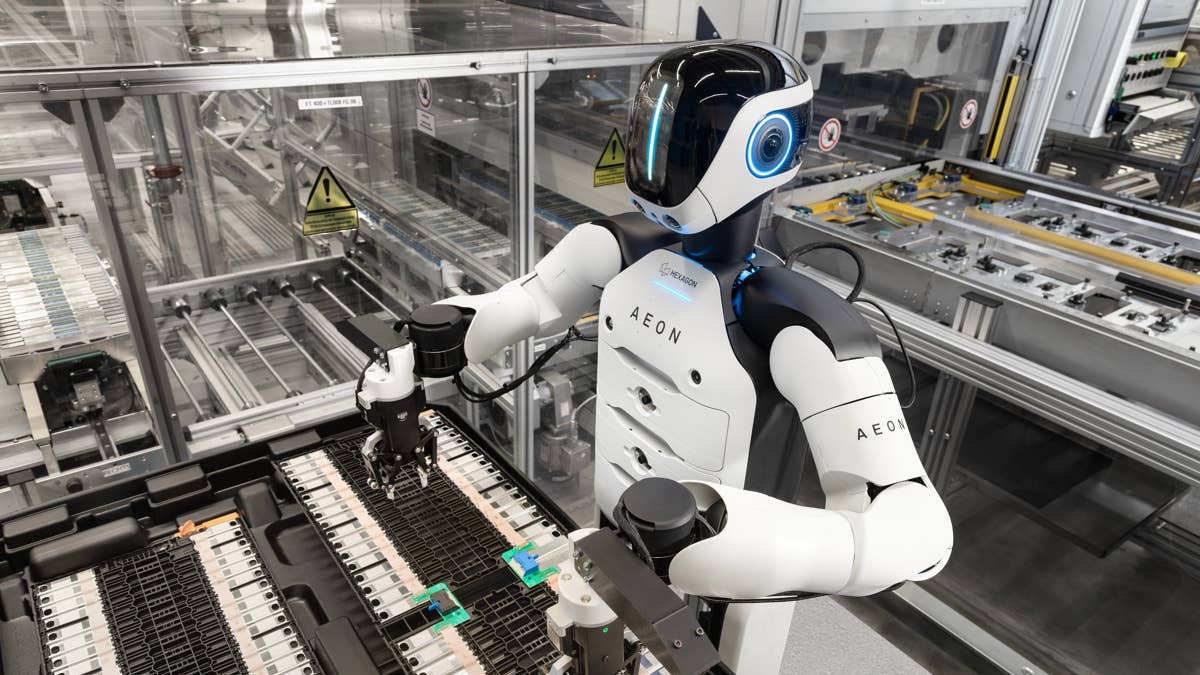
The economics are not complicated: after the 2023 UAW contract, GM estimated labor costs would rise by roughly $500 per vehicle. Robots, on the other hand, do not renegotiate every four years. Wayne State University professor Marick Masters told Crain’s Detroit that vehicle assembly now takes 50 to 70 percent fewer labor hours than it did in the 1980s. That number will keep falling. The UAW’s 2028 contract talks are already shaping up to be the most consequential in a generation, and the machines currently bolting panels at Factory Zero will have something to do with that.