The Next Frontier
Aside from rising gas prices, the U.S.-Iran conflict in the Middle East has also brought more attention to automakers’ growing interest in the defense sector, with Mercedes-Benz being the latest example. According to CNBC, the German luxury marque has partnered with German firm Tytan Technologies to develop anti-drone vehicles.
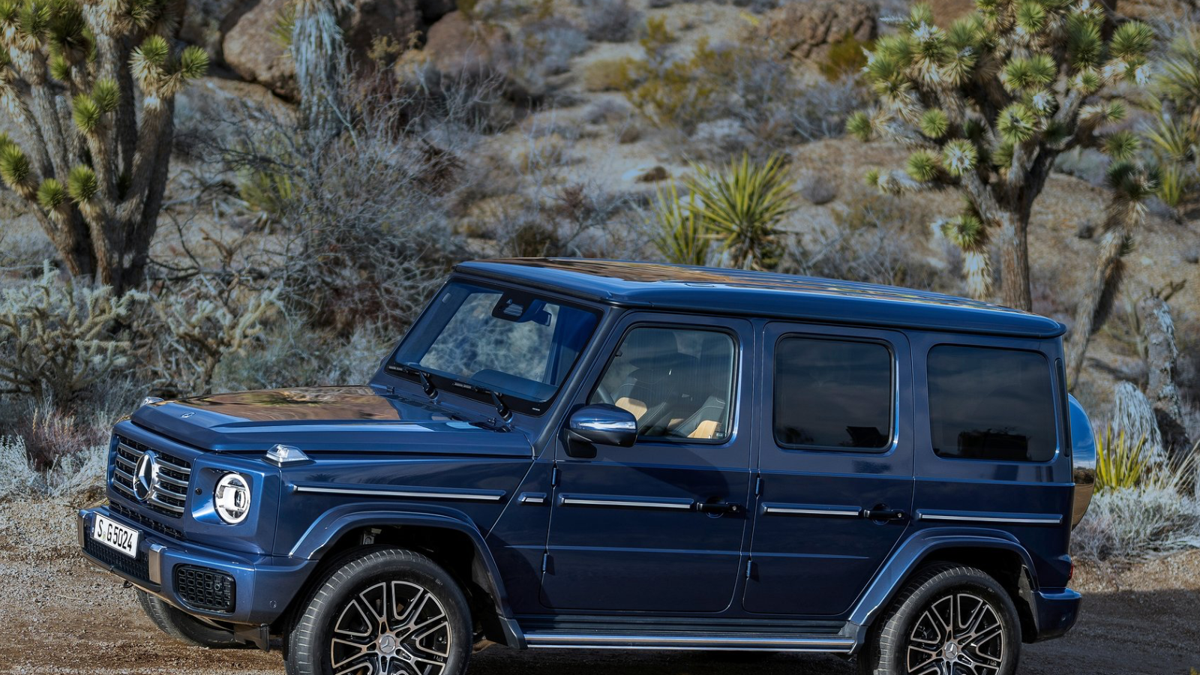
No, models like the Mercedes-Benz C-Class are not being transformed into combat vehicles. Instead, the project will use the G-Wagon and Sprinter platforms. Mercedes will focus on developing “vehicle-based drone defense and mission platforms” designed to protect people and critical infrastructure.
Mercedes-Benz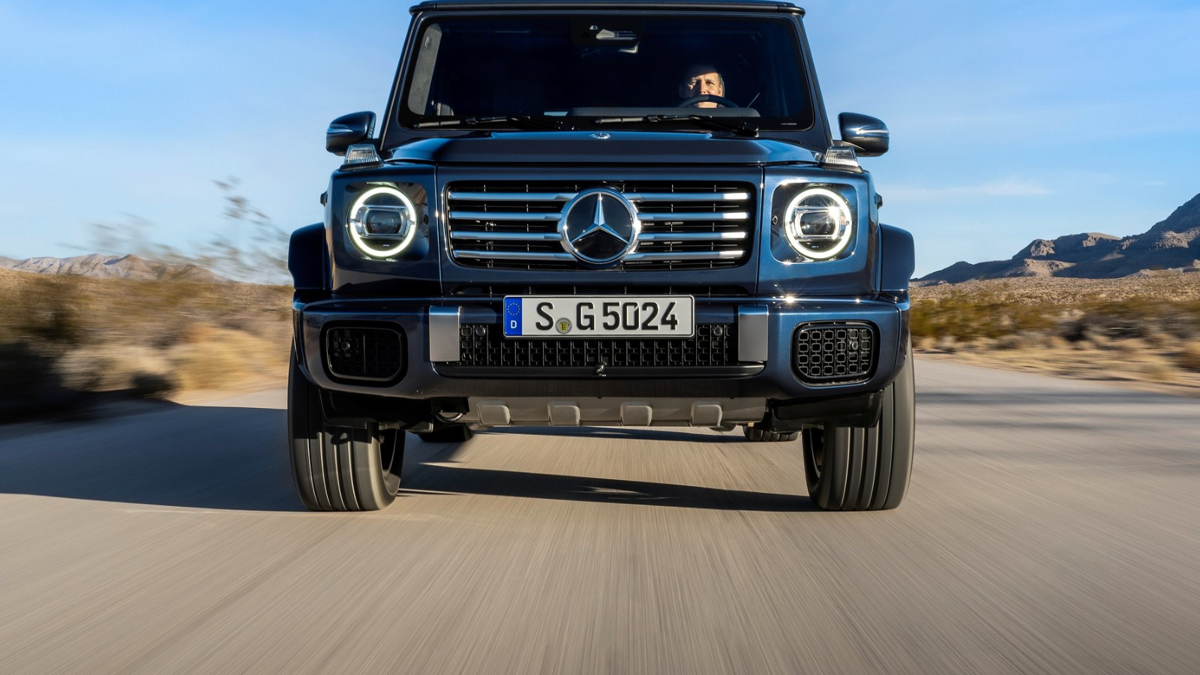
The Business Case
The report suggested that the move reflects how automakers continue to find ways to generate profit amid challenges in the broader automotive market. One of those challenges is slowing demand for electric vehicles, a segment Mercedes-Benz has entered with its EQ lineup. In fact, the automaker paused production of several EQ models in the U.S. last year to align with market demand before bringing them back.
Other headwinds cited in the report include increasing competition from Chinese automakers and higher borrowing costs.
This new partnership, however, is not the first time Mercedes-Benz has been involved in military-related efforts. The automaker was among the many manufacturers that supplied vehicles during World War II, alongside brands such as Volkswagen, which even produced an amphibious vehicle called the Schwimmwagen. Such military involvement eventually paved the way for vehicles like the G-Wagon, which may be seen today as a luxury statement piece but still has undeniable military roots.
Mercedes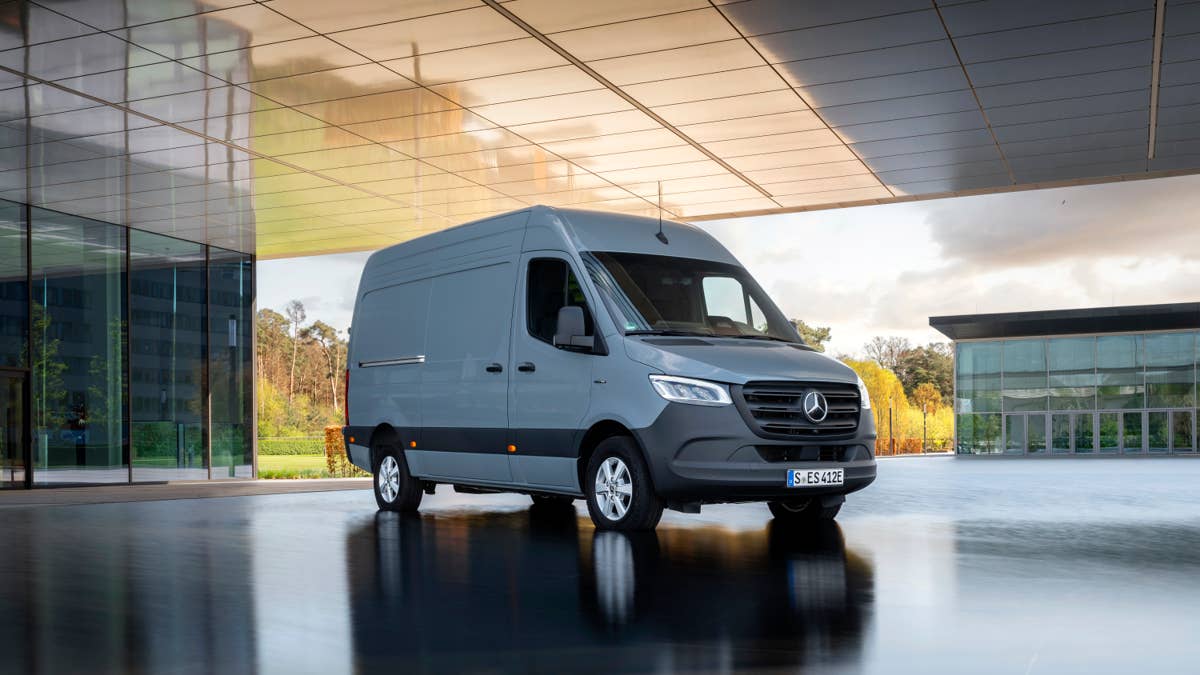
Born For Duty
Now, the G-Class platform is being used to develop anti-drone vehicles with Tytan Technologies. These vehicles are designed to detect and neutralize drones, which have become increasingly prevalent in modern warfare due to their relatively low cost, difficulty of detection, and ability to conduct surveillance missions.
This year, Renault announced the development of a ground-based drone for military and civilian use, while Volkswagen signed a letter of intent with Israeli defense firm Rafael to produce parts for missile defense systems. Ford has also reportedly held discussions with the U.S. government regarding defense-related projects. While the Blue Oval brand is not currently a major player in the defense sector, it has longstanding ties to military applications dating back to the Model T era.
If these ventures can create additional revenue streams, it is not difficult to understand why automakers are taking an interest.
Mercedes-Benz