Maintaining the Baseline
U.S. new vehicle inventories ticked up slightly to start June at 2.89 million units. According to a report from Automotive News, this stockpile represents a 75-day supply at current selling rates. That marks a one-day drop from May and a modest 1.8 percent increase compared to the same point last year. The automotive industry continues its long-term strategy of keeping total inventory near or below the 3 million mark to maintain strict pricing discipline.
Within those numbers, hybrids remain the fastest-moving powertrain option. Hybrids posted the lowest days’ supply for the second consecutive month at 63 days. Electric vehicles also saw their supply contract sharply last month, beginning in June at 68 days. This suggests buyers are continuing to transition away from combustion models even as overall retail dynamics shift.
Adobe stock photo
Headwinds Suppress Summer Sales
Despite stable lots, U.S. new light-vehicle deliveries fell 5 percent through May, prompting analysts to cut full-year forecasts due to weak consumer confidence, job anxieties, and high fuel prices. Affordability is a major barrier; Catalyst IQ reports that only 20 percent of active inventory sits below $35,000, while over two-thirds range from $35,000 to $75,000. These metrics underscore the growing affordability concerns in the market, as political and legal headwinds remain among the factors keeping transaction costs stubbornly high.
Brand-specific data highlights this pressure, as all six tracking automakers saw monthly declines in days’ supply. Toyota Motor North America was the lone manufacturer to drop below a 30-day supply, a critical inventory deficit that gives the automaker leverage to adjust MSRPs upward heading into the next model year.
Eva Marie Uzcategui/Bloomberg via Getty Images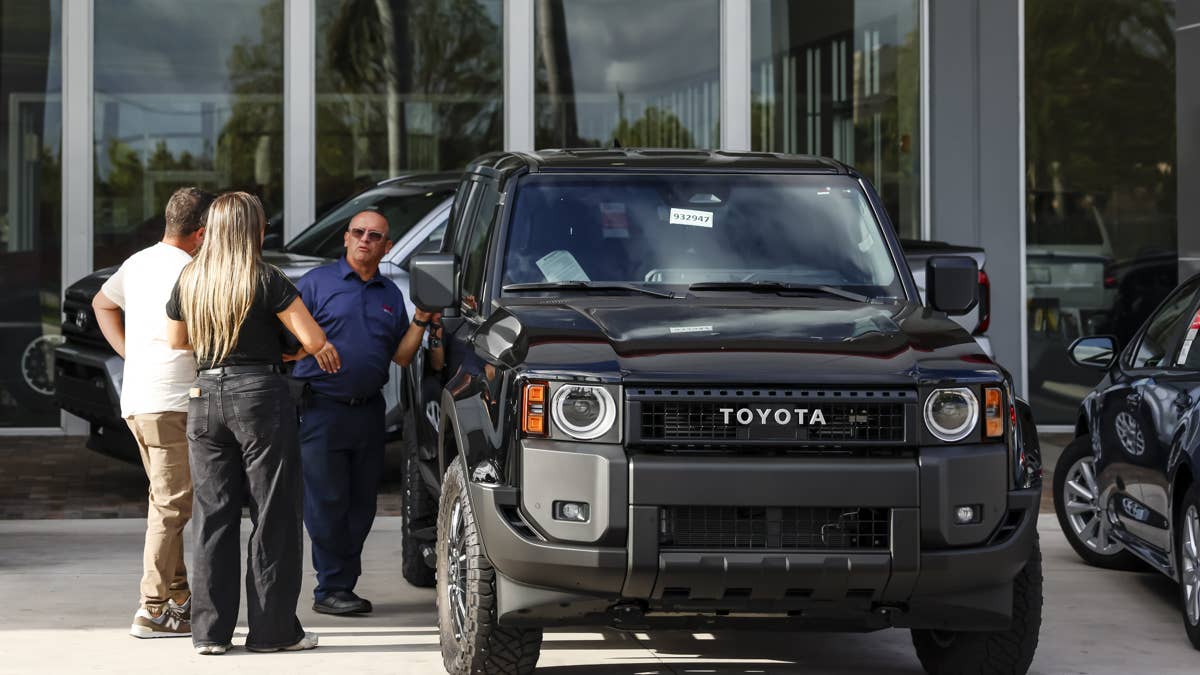
The Lowdown
For the average car shopper, monitoring these seemingly dry inventory metrics is the key to unlocking true negotiating power. Dealerships operate on a delicate balance of floorplan interest. When a lot is overflowing, the dealer feels the financial pressure to move metal, resulting in heavy discounts and manufacturer incentives. When inventory levels are constrained to a 75-day supply, the dealer holds the cards.
The pandemic taught automakers that they can maximize profits by starving the market just enough to eliminate deep discounts. By keeping national inventory hovering around 2.89 million vehicles instead of the historical 4 million norm, car companies are protecting their bottom lines at your expense. If you know that hybrids and small sedans are in critically short supply, you know not to expect a deal. Conversely, tracking when those lot totals start swelling past the 90-day mark tells you exactly when to step into the showroom and demand a better price.
Eric Thayer/Bloomberg via Getty Images