Electrification is no longer a question of if in the automotive world. The real debate now is how. Electrification has arrived, but the industry still hasn’t agreed on exactly what that should look like. Some manufacturers believe the future lies in fully electric vehicles—machines that eliminate combustion engines entirely, replacing them with silent electric motors and large battery packs. Others argue that the more realistic transition is the plug-in hybrid, blending electric commuting with the long-distance flexibility of gasoline. That philosophical divide is perfectly illustrated by two compact luxury SUVs that, at first glance, appear to occupy the same corner of the market: the Genesis Electrified GV70 and the Volvo XC60 T8 plug-in hybrid.
I’ve now spent time with both. The Volvo arrived first, bringing its formidable 455-horsepower plug-in hybrid system and a reputation for Scandinavian engineering sophistication. Shortly afterward, the Genesis Electrified GV70 landed in my driveway—a fully electric reinterpretation of one of the most compelling luxury SUVs currently on sale. Both vehicles promise electrified efficiency, modern technology, and premium comfort. But they go about delivering those things in fundamentally different ways. One uses gasoline as a safety net, and the other eliminates it entirely. After living with both, the differences between those approaches have provided profound insights. Here’s what I learned.
Cole Attisha
Design: Expressive Confidence vs Scandinavian Restraint
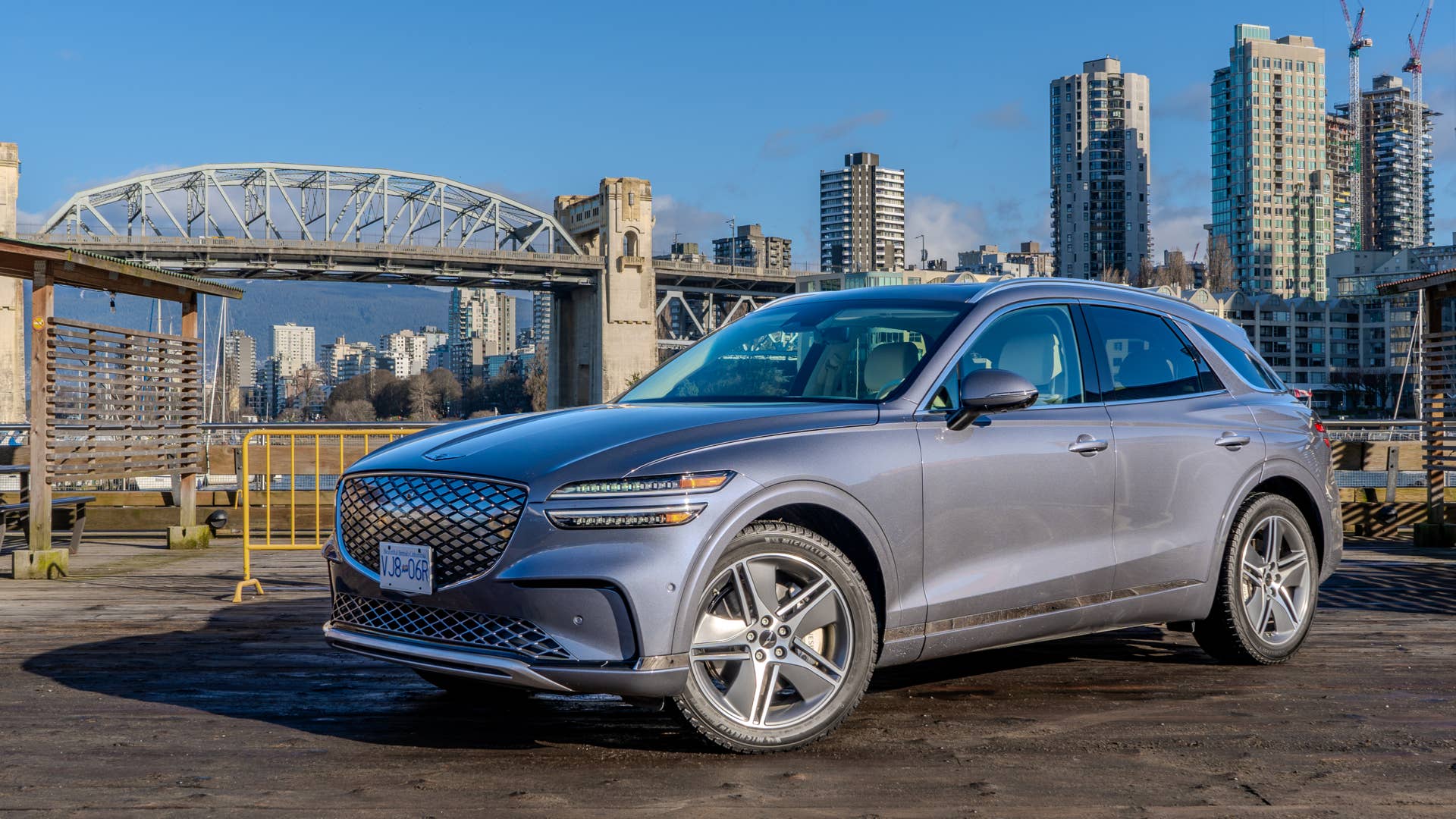
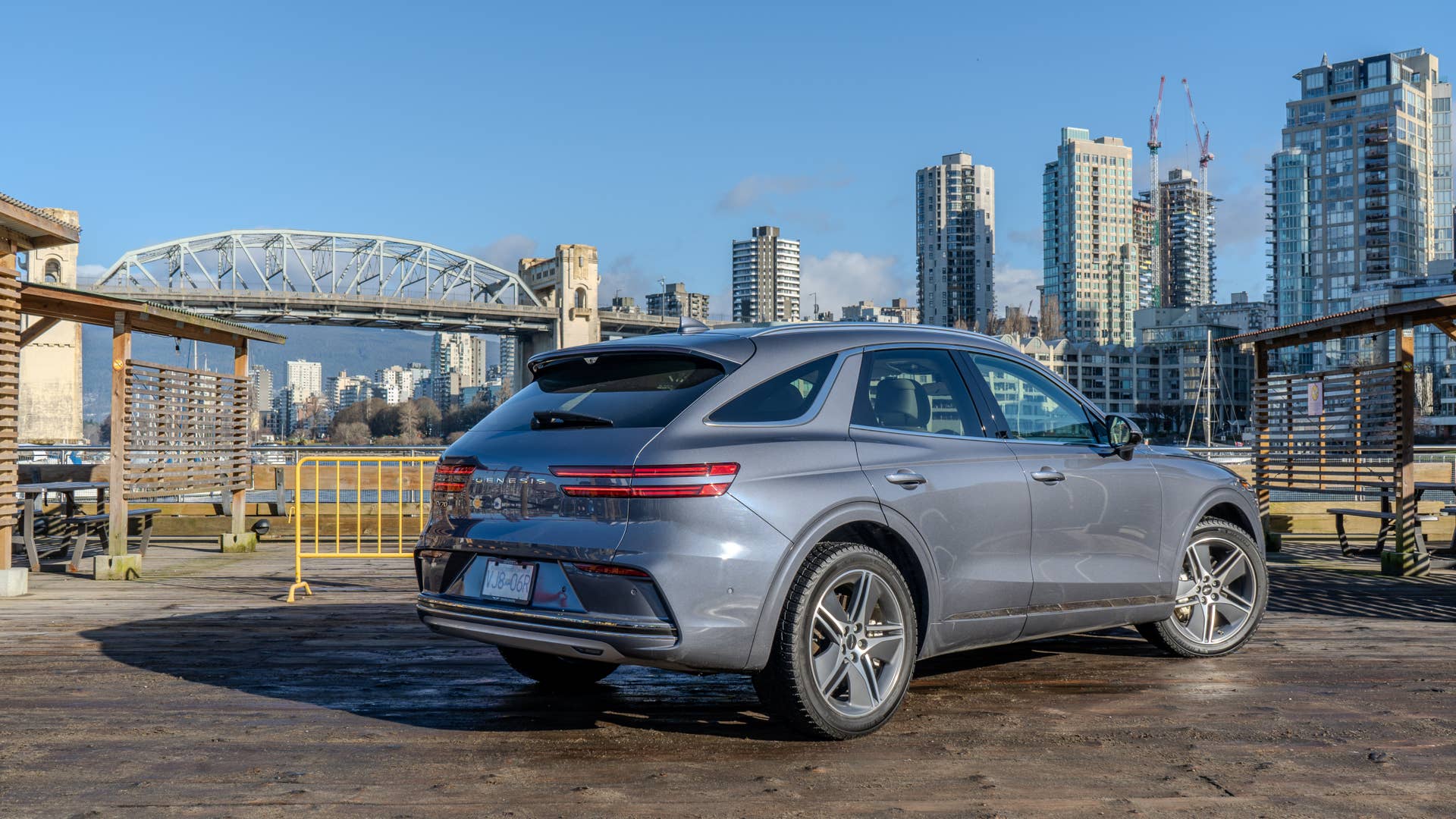
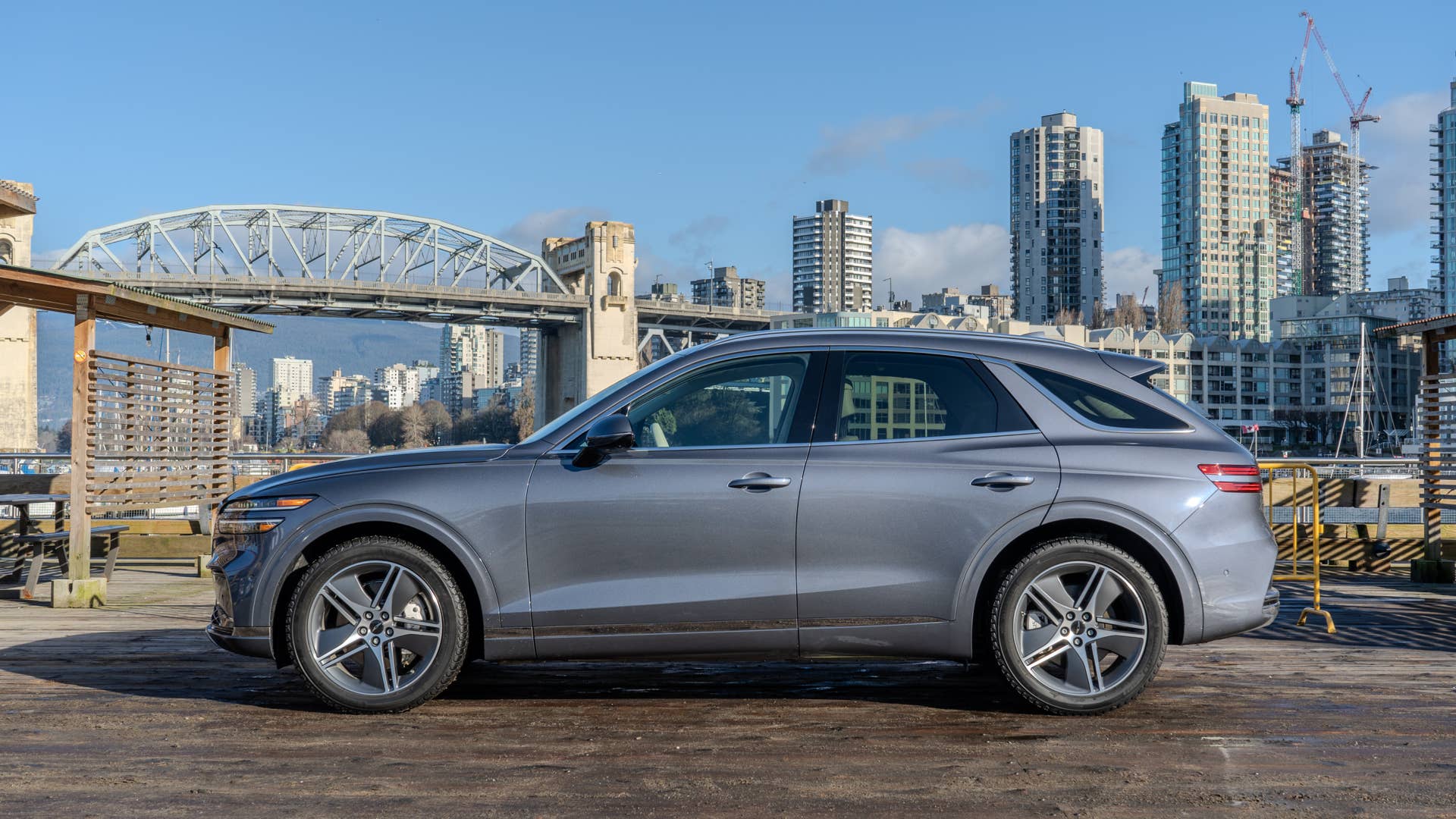
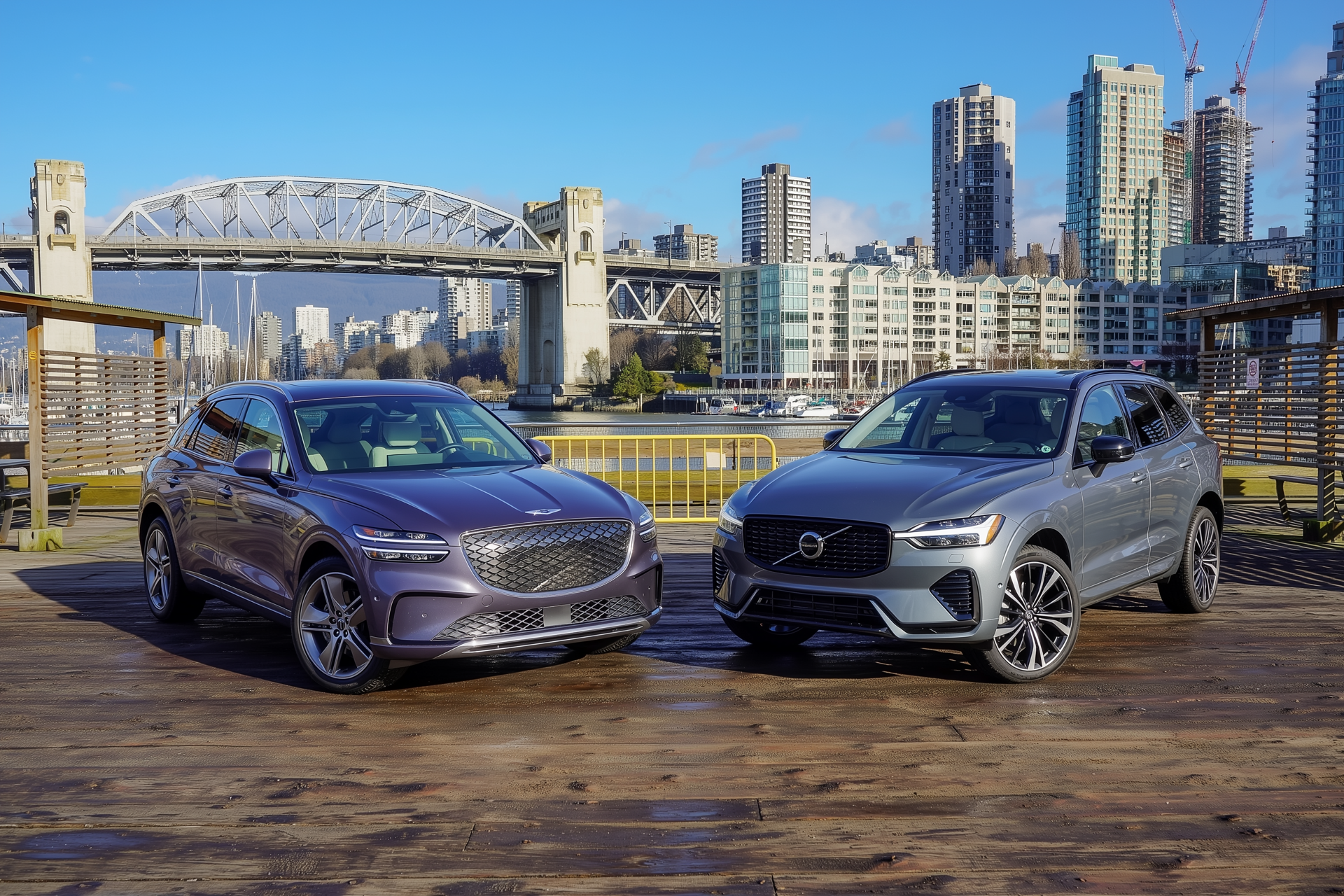
The Genesis GV70 remains one of the most visually compelling luxury SUVs on the road today. Even several years after its debut, the design still feels fresh and confident in a way that many rivals struggle to replicate. Genesis has managed to inject genuine personality into the GV70’s shape, using sculpted body lines, a long hood, and the brand’s distinctive two-line lighting signature to create something that looks more like a raised sport wagon than a conventional crossover. There’s an athletic tension to the way the GV70 sits on the road. It doesn’t feel bloated or anonymous, unlike some luxury SUVs. Instead, it carries itself with a sense of purpose, as though it were designed by people who actually enjoy cars.
Cole Attisha
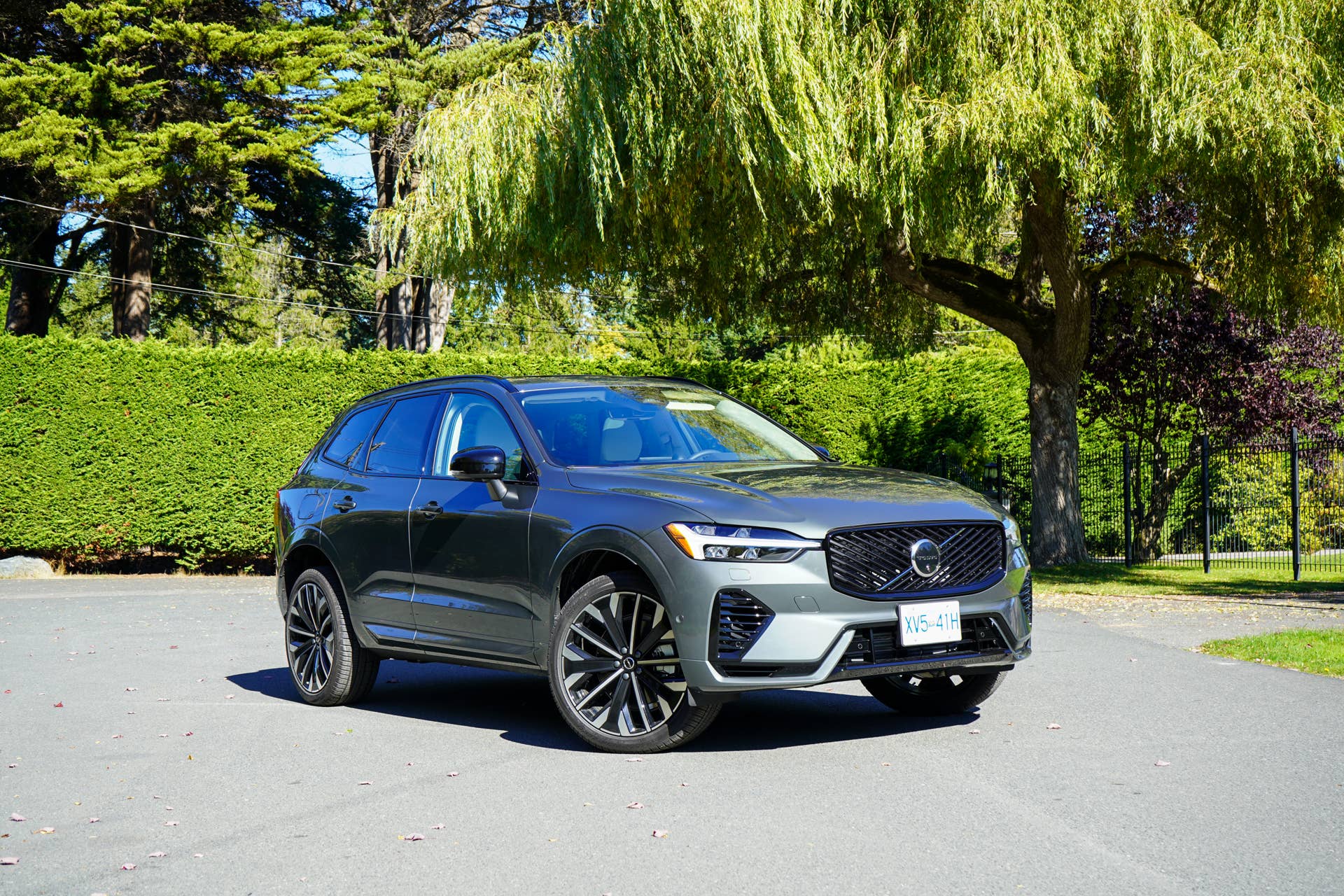
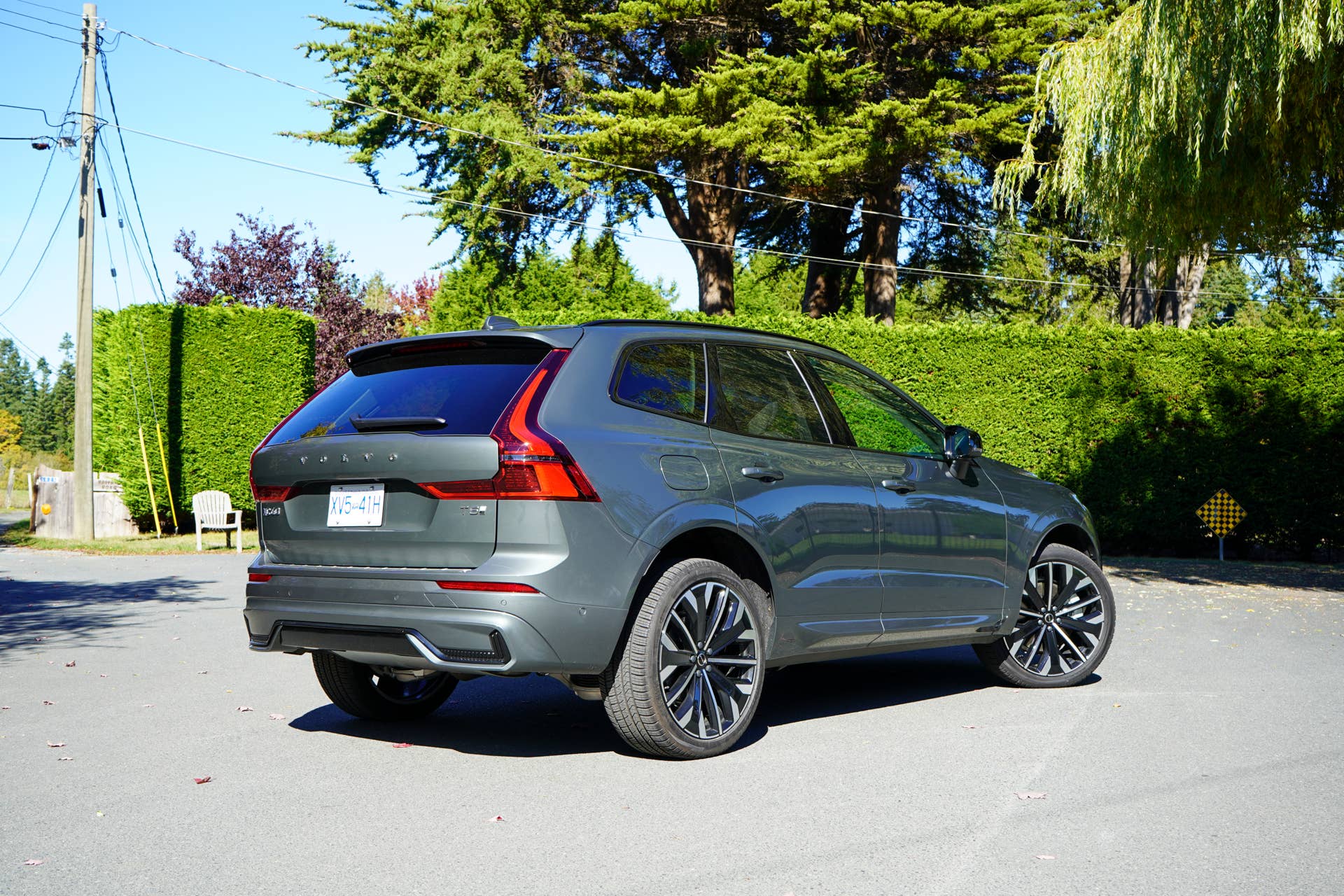
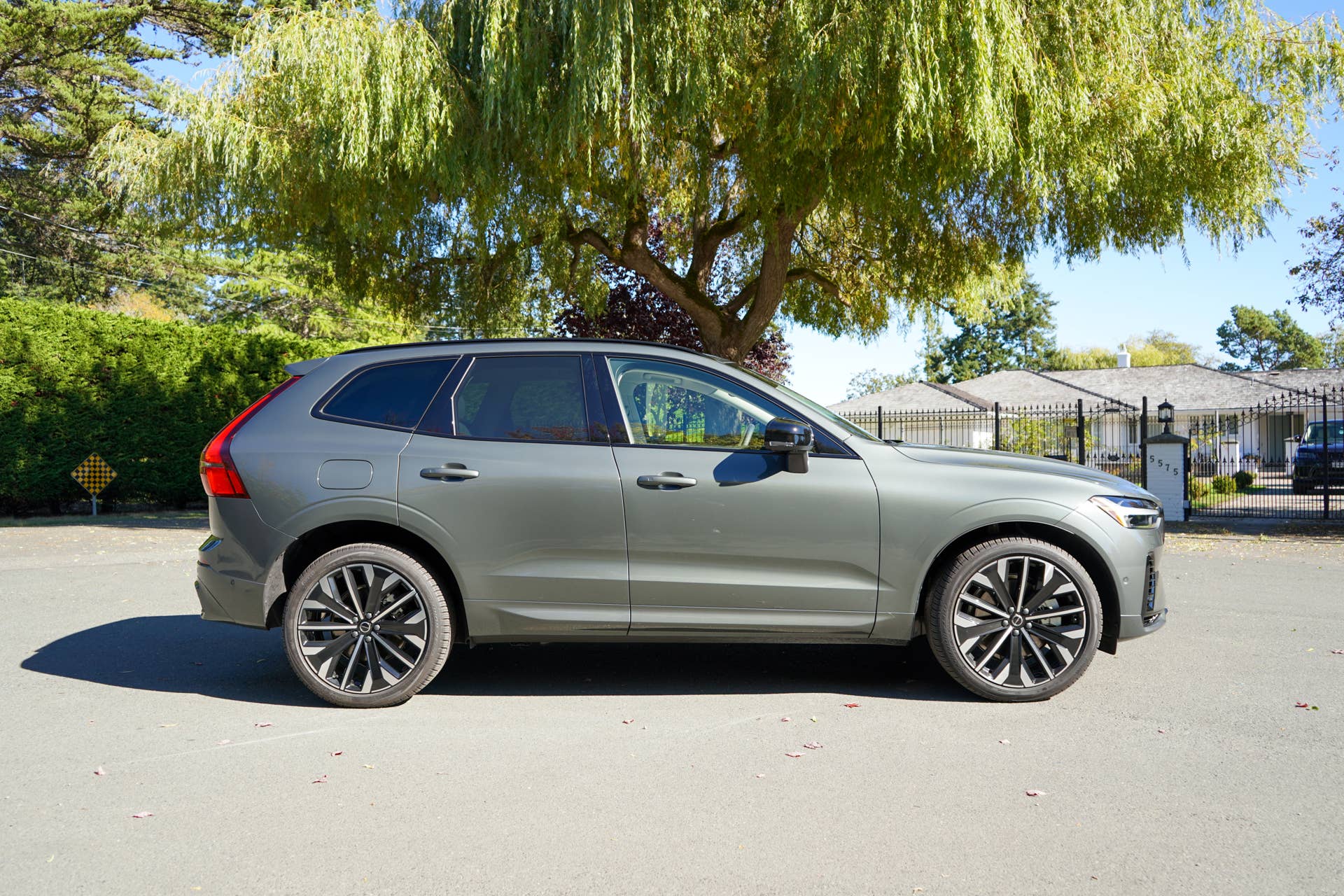
The Volvo XC60 approaches design from a completely different philosophical angle. Rather than trying to excite or provoke, it aims for timelessness. Volvo’s design language has long leaned into calm, Scandinavian restraint, and the XC60 embodies that ethos perfectly. The familiar “Thor’s Hammer” headlights, crisp body surfaces, and uncluttered proportions give the Volvo a kind of architectural elegance. It’s the automotive equivalent of IKEA furniture—clean, thoughtful, and understated. Nothing about the XC60 shouts for attention, but everything about it still feels calculated and self-assured.
Put the two side by side, and the contrast is clear. The Genesis wants to be admired. The Volvo simply wants to exist beautifully. Neither philosophy is inherently better than the other, but they appeal to very different personalities.
Cole Attisha
Electrification Without Reinvention
One detail I genuinely appreciate about both the Genesis Electrified GV70 and the Volvo XC60 T8 is how seamlessly they integrate electrification into vehicles that already work well. Neither SUV feels like a radical experiment, and neither looks like a concept car that escaped from a design studio before it was fully baked. Instead, both manufacturers took established luxury SUVs and carefully adapted them for an electrified future without fundamentally changing their identities.
The Electrified GV70, for example, still looks like a GV70. Apart from subtle details—like the closed grille that cleverly hides the charging port—most people would never guess it’s fully electric at a glance. It retains the same elegant proportions, sculpted bodywork, and luxurious cabin layout as the gasoline version. The Volvo XC60 T8 follows a similar philosophy. Volvo didn’t redesign the XC60 to signal its hybrid credentials. The plug-in powertrain simply becomes another layer of the existing vehicle rather than redefining it.
Cole Attisha
That approach feels refreshingly restrained in an era where some manufacturers seem determined to make their electric vehicles look as futuristic—or as different—as possible. Models like the BMW iX3 or the upcoming Mercedes-Benz GLC EV, for instance, attempt to visually differentiate themselves from their gasoline counterparts in ways that can feel almost unnecessarily dramatic. Genesis and Volvo take a more subtle approach, integrating electrification into vehicles people already recognize and understand. For drivers who appreciate continuity as much as innovation, that approach is refreshing.
Cole Attisha
Powertrains: Full Electric Simplicity vs Plug-In Hybrid Complexity
Where the two SUVs truly diverge is under the skin. The Genesis Electrified GV70 is exactly what its name suggests: a fully electric version of the standard GV70. Instead of a gasoline engine, it uses two electric motors to drive all four wheels. In its standard configuration, the system produces 429 horsepower, with a temporary Boost Mode increasing output to 483 horsepower when maximum acceleration is required. There’s no traditional transmission and no combustion engine lurking in the background. The entire experience revolves around a single, seamless flow of electric power.
The Volvo XC60 T8, by contrast, represents the plug-in hybrid philosophy. Its drivetrain combines a turbocharged 2.0-litre four-cylinder gasoline engine with an electric motor and battery pack, producing a combined 455 horsepower and 523 lb-ft of torque. The XC60 can travel roughly 35 miles on electric power alone before the gasoline engine joins the party. In theory, this setup delivers the best of both worlds: electric commuting during the week and gasoline-powered road-trip flexibility when needed. In practice, it also introduces a far more complicated mechanical ecosystem. There are two propulsion systems working together. There are transitions between electric and gasoline power, and there’s an eight-speed automatic transmission managing the combustion engine’s output. The Genesis, by comparison, simply delivers electricity, which enhances overall convenience.
Cole Attisha
Driving Experience: Linear Electric Power vs Hybrid Muscle
Both SUVs are quick, but the way they deliver that speed couldn’t feel more different. The Electrified GV70 accelerates with the kind of smooth, linear urgency that only electric vehicles can provide. Press the accelerator and the SUV simply surges forward without hesitation. There’s no gear shifting, no gradual powerband, and no transition between propulsion sources—just a continuous wave of torque. Interestingly, the Genesis doesn’t necessarily feel dramatically quicker than the XC60 T8 in real-world driving. Volvo’s plug-in hybrid system is undeniably powerful, and the combined output delivers impressive straight-line performance to the XC60.
But the Volvo’s powertrain has to orchestrate several moving parts to achieve that result. The gasoline engine, electric motor, and transmission are all working together behind the scenes, and occasionally, you can feel those transitions happening. The Genesis avoids that entirely. Its power delivery feels more cohesive, more predictable, and ultimately more relaxing. Electric propulsion also changes the driving rhythm in other ways.
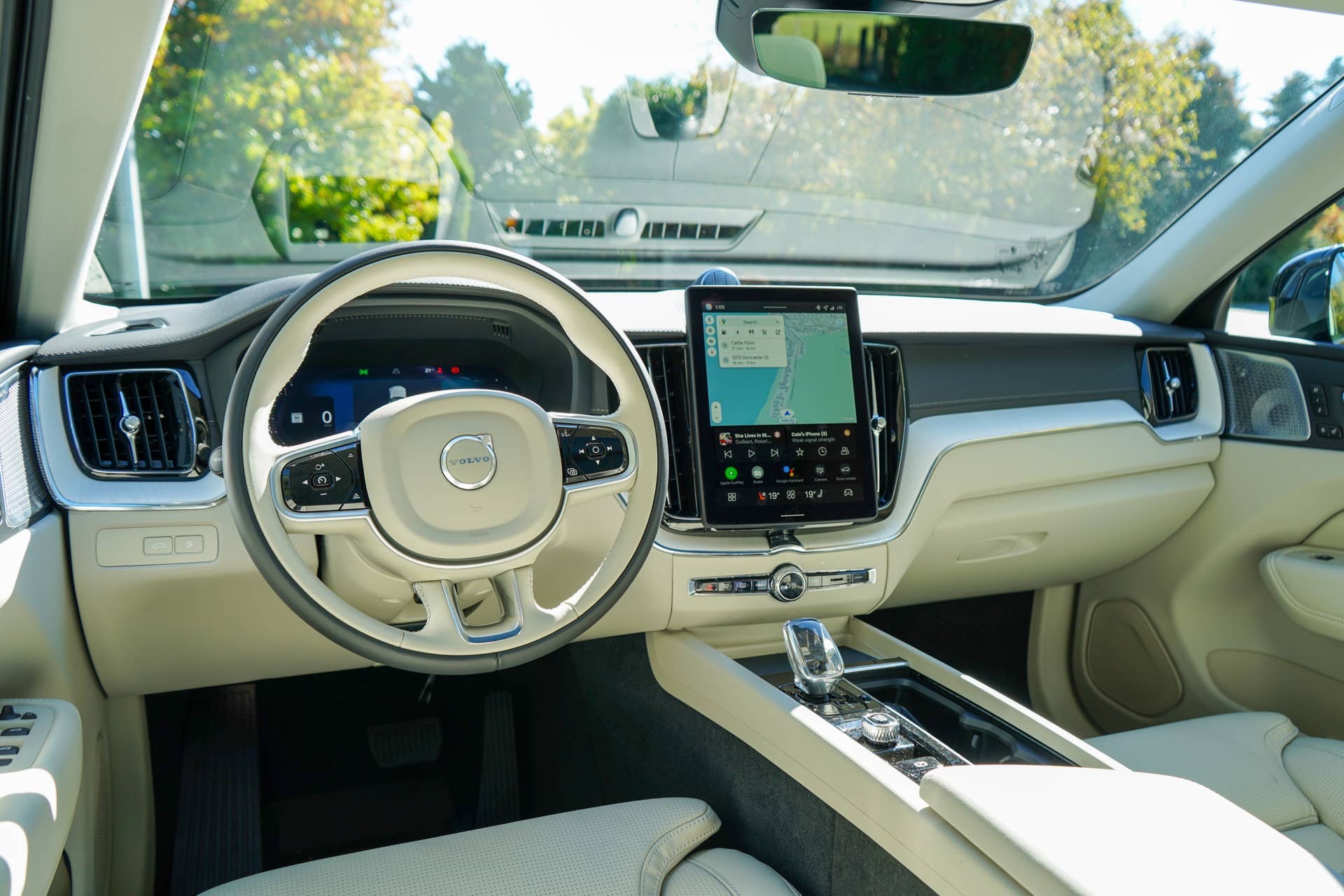
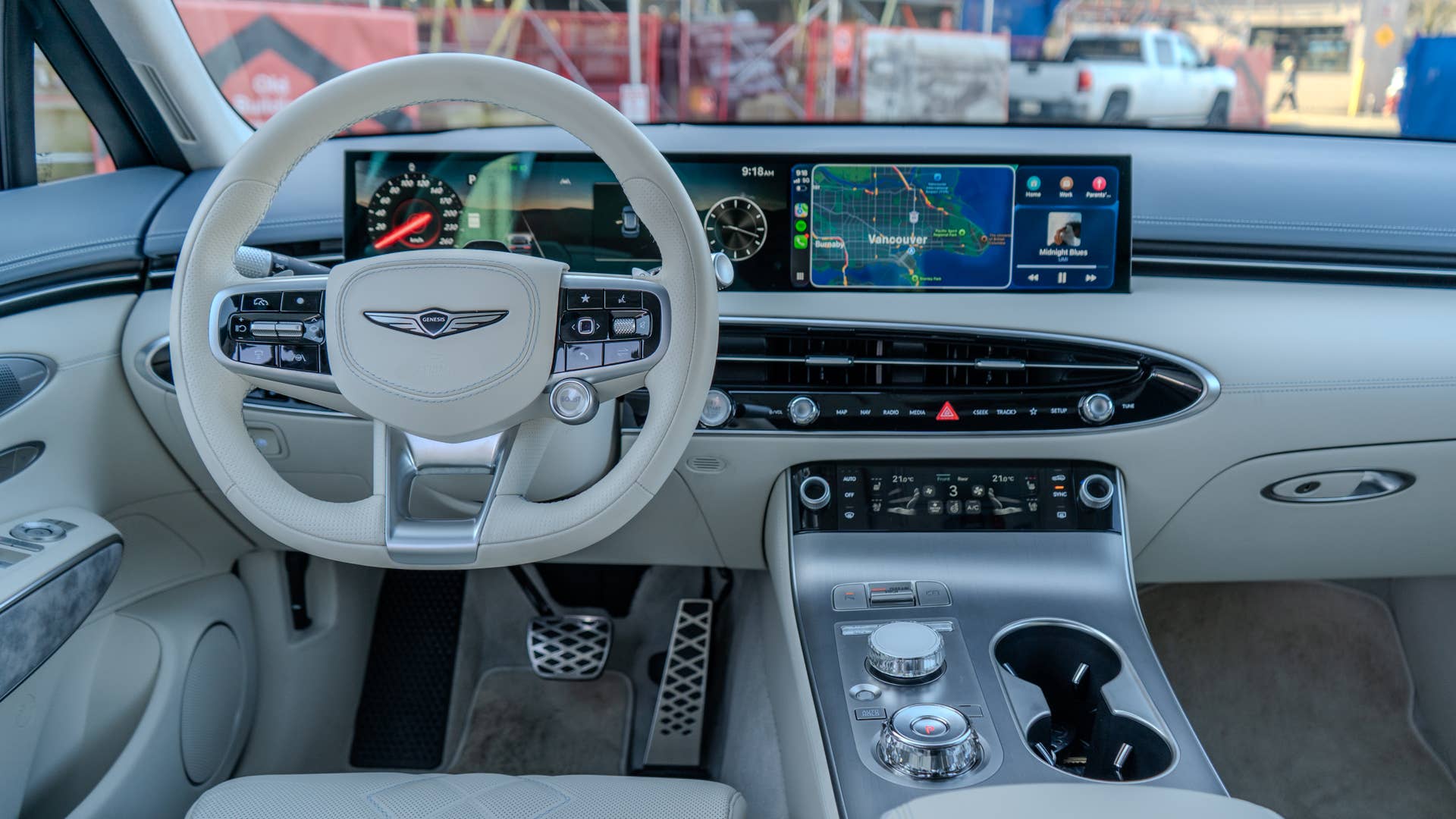
The GV70’s regenerative braking system, adjustable via paddle shifters on the steering wheel, allows drivers to choose how aggressively the vehicle recovers energy when lifting off the accelerator. I quickly found myself gravitating toward the more aggressive one-pedal driving mode, which allows the SUV to slow dramatically without touching the brake pedal. It requires a bit more attention to achieve perfectly smooth deceleration, but once you get used to it, it makes driving almost effortless. In traffic or around town, the experience feels remarkably intuitive. The Volvo never quite reaches that level of simplicity, and you have to dig through submenus on its central infotainment screen to adjust drive modes and settings. It remains quick and refined, but the hybrid system occasionally reminds you that there’s a complex drivetrain operating beneath the surface.
Cole Attisha
Ride Comfort and Handling Balance
Neither of these SUVs is trying to be a hardcore performance machine. Both prioritize comfort first, which is exactly what most luxury SUV buyers expect. The Volvo XC60 has a slight advantage in ride comfort. It glides over imperfect pavement with impressive composure, smoothing out rough roads and broken asphalt with an ease that feels appropriately luxurious.
The Electrified GV70, interestingly, rides slightly firmer than the gasoline-powered GV70 I drove earlier this year. The additional battery weight and lower center of gravity likely play a role here, giving the suspension a bit more work to do when dealing with sharp road imperfections. The difference isn’t massive, but it’s noticeable if you’ve driven both versions back-to-back. Where the Genesis regains ground is steering feel. The GV70 communicates with the driver in a way that many luxury SUVs simply don’t bother attempting anymore. It isn’t sports-car sharp, but it feels more connected and intuitive than the Volvo’s lighter steering setup. The Volvo remains comfortable and composed, but the Genesis feels slightly more natural to drive.
Cole Attisha
Real-World Ownership: Charging vs Charging and Fueling
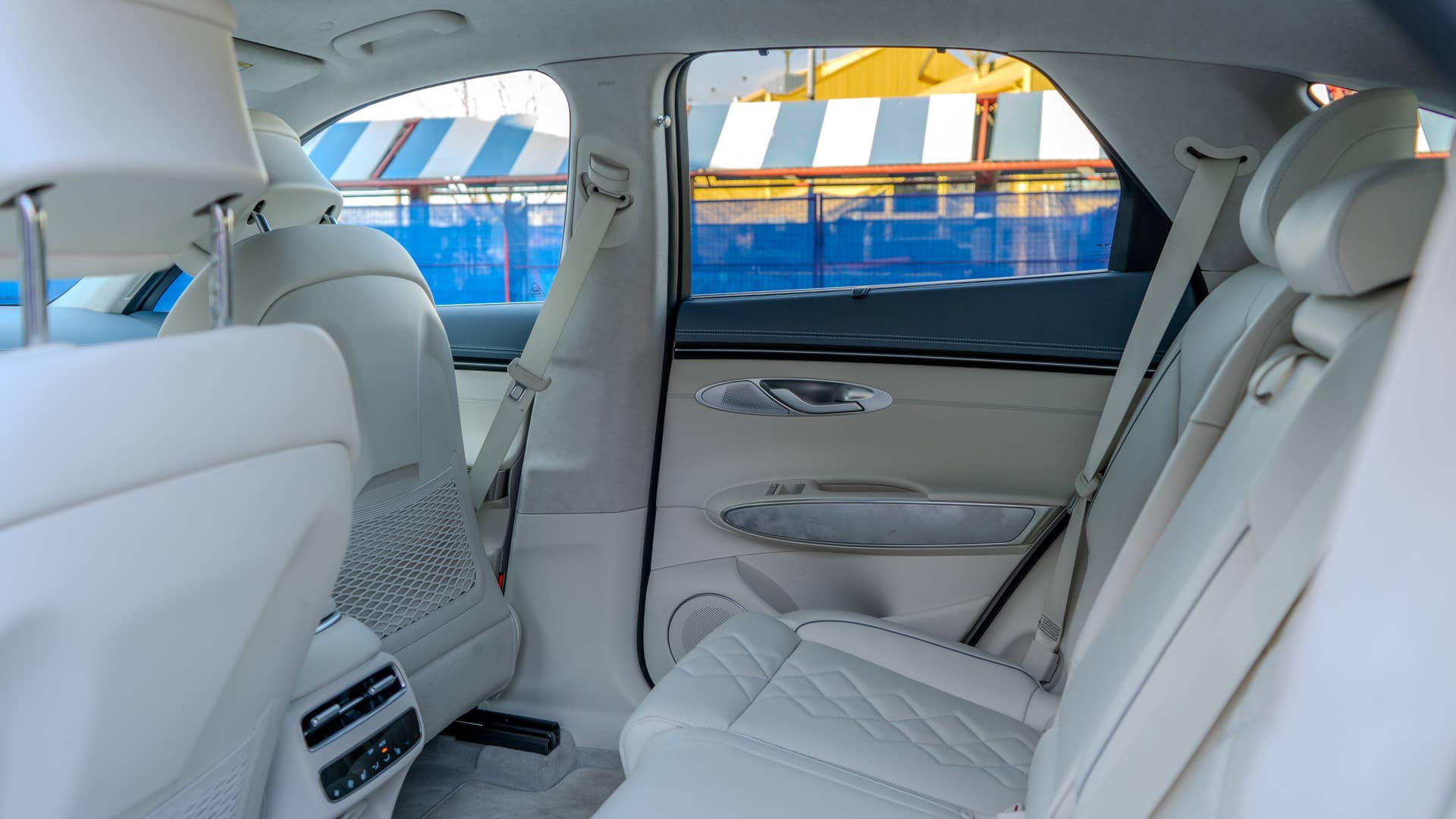
The biggest philosophical difference between these two SUVs becomes apparent once you start thinking about ownership. With the Electrified GV70, the equation is straightforward. You charge the battery, and you drive. That’s the entire routine. During my time with the Genesis, a full charge consistently delivered just shy of 400 kilometres of range, which works out to roughly 250 miles. For many drivers, that’s enough to handle several days of commuting before needing to plug in again.
The Volvo XC60 T8, on the other hand, requires a bit more juggling. You can charge it to take advantage of its electric driving capability, but the gasoline engine still needs fuel. Over the course of my week with the Volvo, I mostly drove it as a hybrid and plugged it in once. That experience highlighted an interesting reality of plug-in hybrids: they introduce an additional layer of ownership complexity. You still need to charge the battery and visit gas stations. For some drivers, the Volvo’s flexibility will absolutely be appealing. But for others, the simplicity of a fully electric vehicle might feel like a welcome relief.
Cole Attisha
Pricing: Electrification Comes at a Cost
Electrification rarely comes cheaply, and both of these SUVs reflect that reality—though they approach pricing from slightly different directions. The Genesis Electrified GV70 starts at roughly $64,380 in the United States, placing it firmly in the upper tier of the compact luxury SUV segment. Move up to a fully loaded Prestige trim, like the one I tested, and the price can climb into the mid-$70,000 range depending on options.
The Volvo XC60 plug-in hybrid, meanwhile, offers a broader price spread across trim levels. Entry-level T8 models begin around $61,000, while higher trims—like the XC60 T8 Ultra I drove—can reach roughly $72,000 or more before additional options. Spring for the performance-forward Polestar Engineered model, and pricing lands well into the 80s. In other words, the two vehicles occupy very similar financial territory when you compare similarly equipped models, but overall packaging options differ. Both easily land in the $70,000 range once you start adding luxury packages and premium features, and before moving into performance territory. What’s interesting, however, is what buyers receive for that money.
With the Volvo, much of the cost reflects the complexity of its drivetrain. The XC60 T8 is effectively two vehicles operating together—a gasoline SUV and an electric one—blended into a single system designed to balance performance and efficiency. With the Genesis, the price largely reflects the cost of going fully electric. The Electrified GV70 eliminates the internal combustion engine entirely, replacing it with a dual-motor battery-electric system that delivers instant torque and a quieter driving experience. In other words, both SUVs sit in roughly the same price bracket, but they represent two very different investments in the future of luxury mobility. The Volvo spreads its bets between gasoline and electricity. The Genesis commits entirely to the latter. Once the pricing picture comes into focus, the comparison ultimately circles back to the same philosophical question that defines these two SUVs: how exactly should luxury vehicles embrace electrification?
Cole Attisha using Gemini 3 Pro and Midjourney 7.0
Final Verdict: Two Luxurious Paths to Electrification
Comparing the Genesis Electrified GV70 and Volvo XC60 T8 reveals something fascinating about the current state of the luxury SUV market. Both vehicles represent genuinely respectable attempts to electrify the driving experience, yet they embody completely different philosophies. The Volvo XC60 T8 leans into engineering complexity by blending gasoline and electricity to create a remarkably powerful plug-in hybrid that can deliver both performance and efficiency. The Genesis Electrified GV70 embraces simplicity. By eliminating the combustion engine entirely, it creates a driving experience that feels cohesive, quiet, and refreshingly straightforward. Personally, I found myself gravitating toward the Genesis. Its electric power delivery feels more natural, its driving experience more intuitive, and its ownership routine simpler.
But the conclusion ultimately depends on the driver. If you want electrification with the safety net of gasoline, the Volvo XC60 T8 makes a compelling case. If you’re ready to embrace a fully electric luxury SUV, the Genesis Electrified GV70 offers an experience that feels remarkably well sorted. It’s the kind of philosophical divide we often explore both here and over at Road Ethos, where the most interesting automotive stories usually emerge not from spec sheets but from the different ideas manufacturers have about where the future of driving should go. In this case, that future can arrive in two forms: a plug-in hybrid that blends old and new, or a fully electric SUV that simply leaves gasoline behind. And which one makes more sense depends entirely on how ready you are to make that leap.