When the temperature drops into the negatives, your vehicle faces several challenges. Cold weather thickens engine oil, saps battery power, and causes tire pressure to plummet. However, aspect of winter driving we rarely consider is what happens inside your fuel tank.
While we often worry about battery voltages and tire pressures, the state of the fuel in your tank, whether its gasoline or diesel, can cause a lot more havoc with your engine and other mechanical components.
To keep your vehicle running in extremely low temperatures, you need to understand the freezing point of your fuel and what to do in an emergency.
What Temperature Does Gasoline Freeze At?
Getty Images
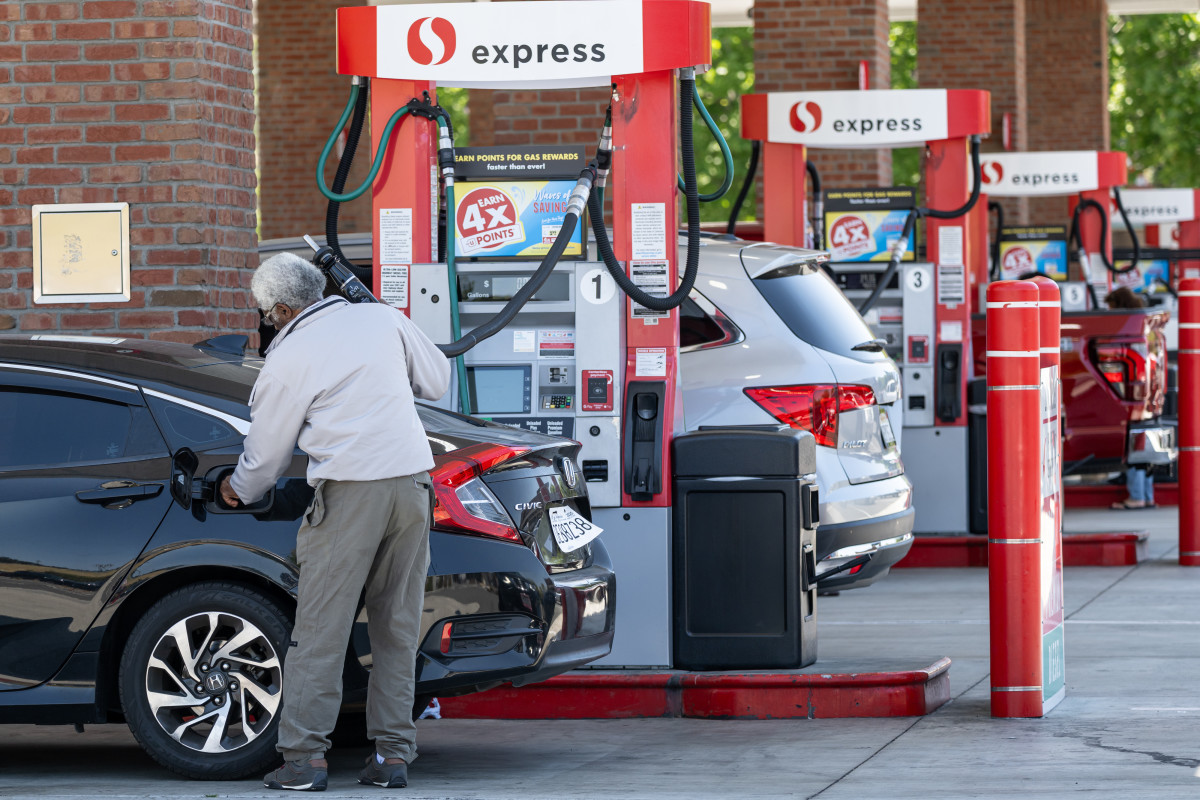
Gasoline is a complex mix of hydrocarbons and additives like ethanol and detergents. Because it is a mixture rather than a single chemical compound, gasoline does not have a single, sharp freezing point like water does. Instead, it has a “freezing range.” So, typically, gasoline will begin to solidify or turn into a waxy slush at temperatures between -40°F and -200°F.
Why This Happens and the Impact on Your Engine
The reason gasoline resists freezing at common winter temperatures is its low molecular weight and the presence of various solvents. However, as it approaches extreme lows, the heavier hydrocarbons in the mix begin to crystallize. If gasoline reaches these temperatures, it becomes too viscous (thick) to pass through the fuel lines.
But a more common issue at these temperatures is the fuel line freezing up. This is often caused by trace amounts of water vapor in the tank condensing and freezing, rather than the gasoline itself turning solid. Seeing as water freezes at 32°F, this will happen well before the gasoline starts to freeze.If your car struggles to start, stalls, or runs rough, it may be due to insufficient fuel reaching the engine due to a clogged fuel filter or blocked fuel lines.
What to Do if Your Gas Freezes
If you suspect your gasoline has thickened or fuel lines have frozen, the best thing to do is wait until it thaws out, however there are a few steps you can try below to help speed up the process and prevent it occurring in the future:
- Move the vehicle to a warmer environment: A heated garage is the safest way to thaw the system. If your car won’t start, and you can’t tow it, this may not be an option.
- Gas-Line Antifreeze can help: Modern fuels already contain ethanol, which absorbs water. Adding more additives haphazardly can sometimes upset the fuel chemistry, so only use gas-line antifreeze sparingly.
- Check the Fuel Filter: Ice crystals often lodge here; the filter may need replacement once thawed.
How Often Does Gas Freeze In Your Tank?
For the average driver, gasoline freezing is extremely rare. In most US states, temperatures rarely reach the levels required to solidify gasoline. Most “freezing” issues reported by gasoline drivers are actually caused by water contamination in the fuel system rather than the fuel itself.
What Temperature Does Diesel Freeze At?
Jakub Porzycki/NurPhoto via Getty Images
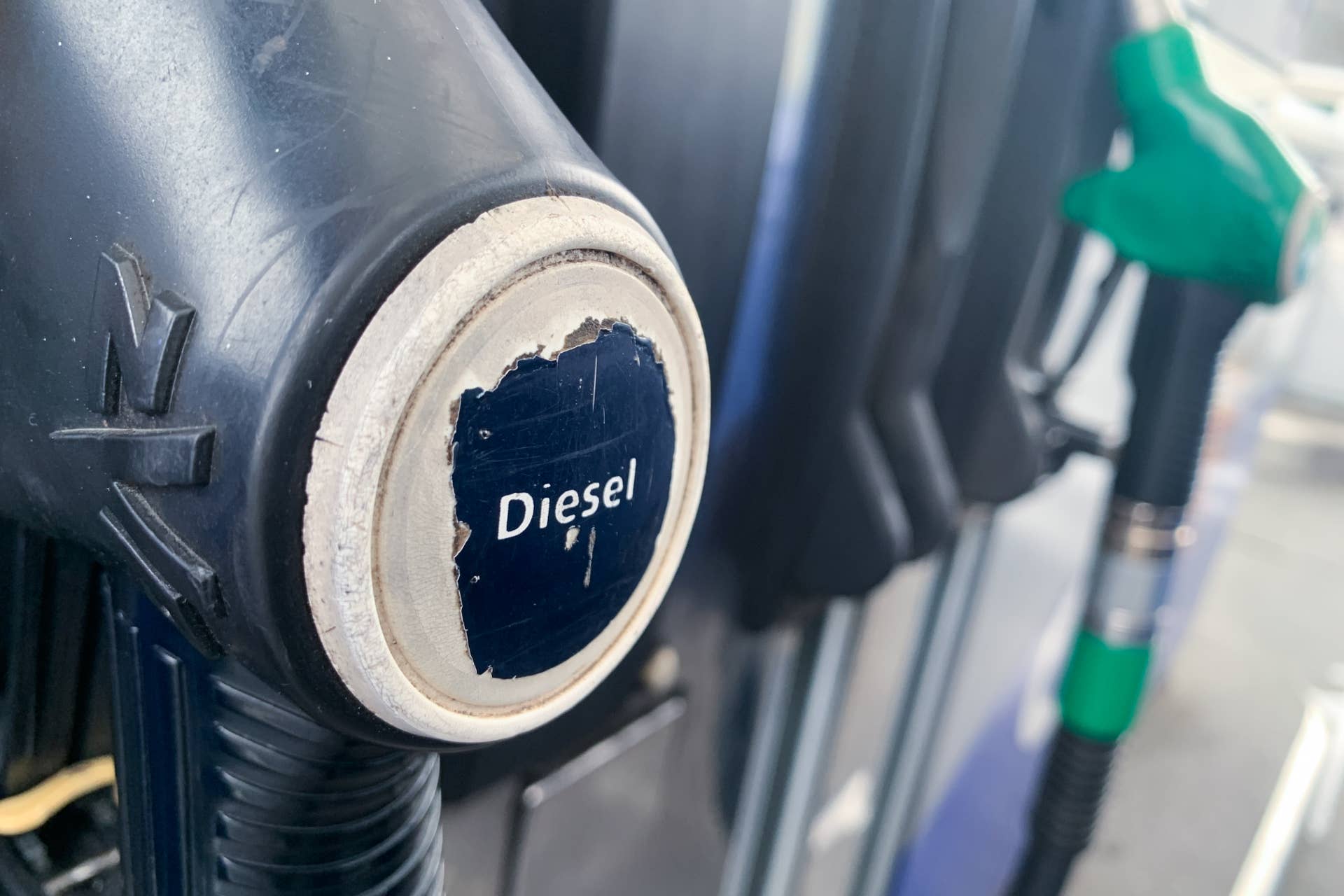
Diesel fuel is far more sensitive to the cold than gasoline. Unlike gas, diesel contains paraffin wax, which is a great energy source but a nightmare in the winter. Diesel starts to undergo a physical change called “clouding” at around 32°F, the same temperature as the freezing point of water. The paraffin wax starts to solidify, clouding the diesel and thickening the diesel.
When the temperature drops to around 10°F to 15°F the wax crystals cling together, and this is referred to as gelling. At this temperature the diesel will be thick enough to clog the fuel filters and lines. The Pour Point occurs at <0°F to -15°F. This is the lowest temperature where the diesel can still flow but it will be very thick and sludgy.
These temperature ranges are for what is called #2 Diesel. This is the standard diesel fuel for summer temps and has a high energy density.
#1 Diesel is more commonly used in winter and has a lower wax content to allow better flow in cold temperatures, but has a lower energy density. It can remain liquid at temperatures as low as -40°F.
A 50/50 mix of the two fuels is common practice in cold temperatures to help prevent gelling while still maintaining efficiency.
Why This Happens and the Impact on Your Engine
As the temperature drops and the paraffin wax in the diesel begins to crystallize, the diesel takes on the consistency of a thick slurry or even a solid candle-like wax. If you try to run a diesel engine with gelled fuel, the wax crystals will immediately clog the fuel filter. This starves the engine of fuel, causing it to smoke, lose power, and eventually die. Because diesel engines rely on high-pressure injection systems, forcing gelled fuel through the pump can cause expensive mechanical wear.
What to Do if Your Diesel Has Gelled
If your diesel has already gelled, simply turning the key won’t help. You can try some of the measures below to help thaw out the fuel system:
- Use a Diesel “Emergency” Additive: These products are specifically designed to dissolve wax crystals and return the fuel to a liquid state.
- Apply Heat: If possible, use a portable heater (carefully) aimed at the fuel tank and filters, or move the truck into a heated shop.
- Replace the Fuel Filter: Once a filter is clogged with wax, it is often difficult to clear completely without a fresh replacement.
How Often Does Diesel Freeze In Your Tank?
Diesel gelling is a common occurrence in northern climates. Truckers and diesel vehicle owners should be aware of upcoming cold snaps and take precautionary measures to keep their vehicles from being exposed to prolonged freezing temperatures.
How Can You Prevent Your Fuel From Freezing?
Prevention is significantly easier (and cheaper) than thawing out a frozen fuel system in a snowstorm. Whether you drive a gas or diesel vehicle, these tips should help keep you moving:
For Diesel Engines:
- Use Winter-Blend Diesel: Most stations in cold regions switch to a “winter blend” (a mix of #2 and #1 diesel) that has a lower pour point.
- Anti-Gel Additives: Use a preventative anti-gel treatment at every fill-up during winter months. These must be added before the fuel reaches its cloud point to be effective.
- Install a Fuel Heater: Many modern diesel trucks come with or can be retrofitted with electric fuel heaters that keep the wax in a liquid state.
For Gasoline Engines:
- Keep the Tank Full: A full tank leaves less room for moist air to enter. This prevents water vapor from condensing on the tank walls and freezing in your fuel lines.
- Maintain Your Battery: Often, what feels like “frozen fuel” is simply a cold battery unable to provide enough CCA (Cold Cranking Amps) to turn the pump.
- Gas-Line Antifreeze: Anti-freezing additives can help in extreme conditions, but make sure to stick to the recommended ratios.
Regardless of the fuel your vehicle uses, it is always a good idea to park indoors to help prevent fuel line freeze ups. Changing your fuel filters before winter is also recommended. A clean filter is much less likely to trap the small amount of ice or wax that might form when the temps plummet. With a bit of forward planning and an understanding of the unique characteristics of your fuel, you can lower the chances of an unplanned roadside stop in the depths of winter.