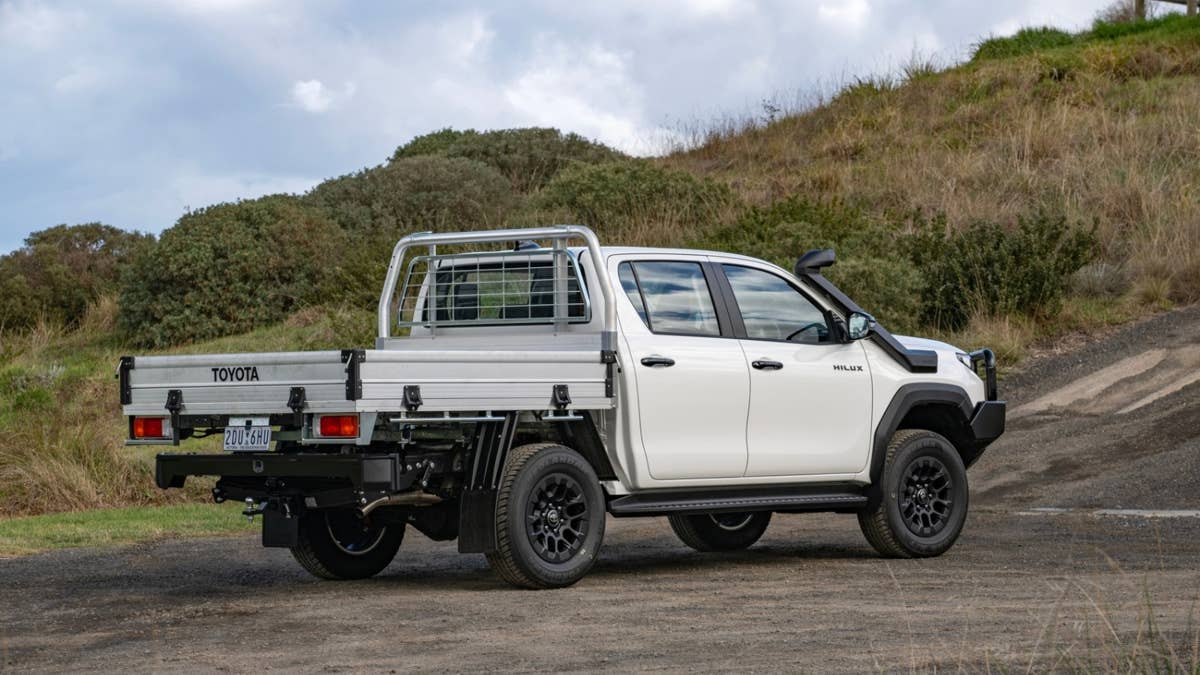
For years, sedans looked like a dying breed in America. SUVs took over driveways, becoming the default choice for families and commuters alike. But according to a recent report from the Detroit Free Press, the humble sedan may finally be heading for a comeback. Ironically, one of the biggest reasons behind it is that SUVs have become almost too common.
SUV Fatigue Is Real
Stellantis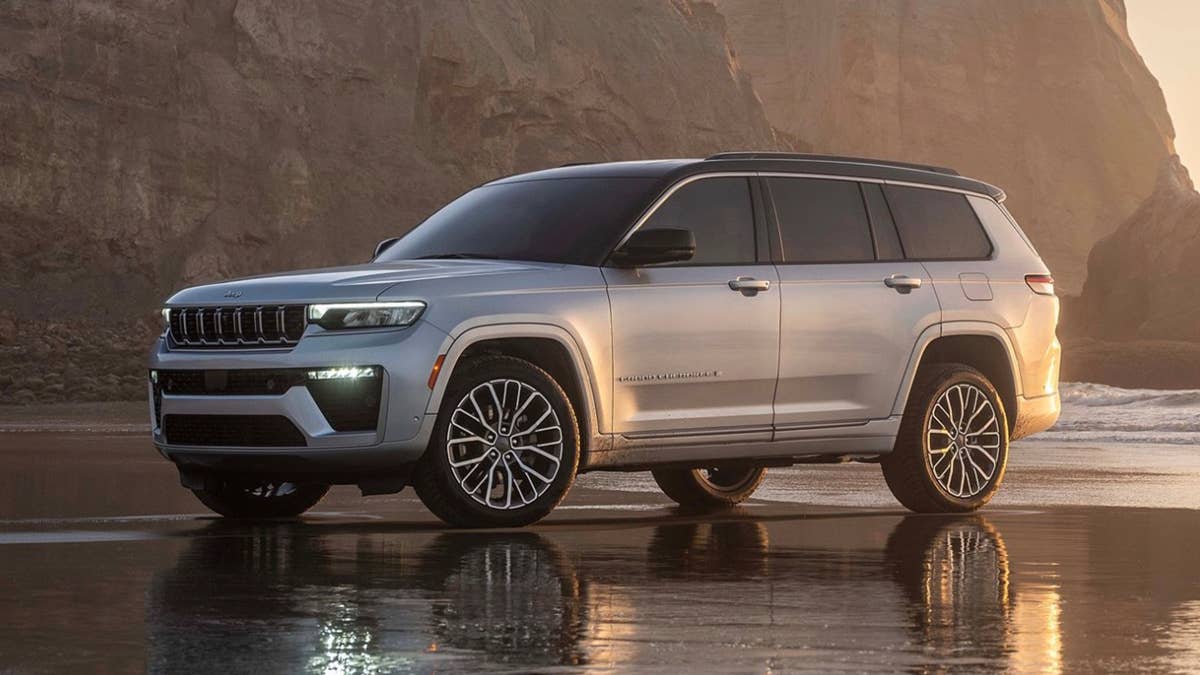
According to the Detroit Free Press, industry analysts say consumers are starting to grow tired of seeing the same SUV shape everywhere. Karl Brauer from iSeeCars described it as “SUV fatigue,” with buyers increasingly wanting vehicles that stand out rather than blend in. That trend appears especially strong among younger drivers. Research from Escalent found that 51% of teenagers surveyed picture themselves driving a sedan in the future, compared to just 31% who chose SUVs.
Automakers are beginning to notice, too. Ford CEO Jim Farley has repeatedly hinted that the company could re-enter the affordable sedan market in the US, with many speculating a new sub-$40,000 sedan. That would mark a major reversal for Ford after abandoning traditional sedans years ago in the States. Stellantis could also be preparing a return to the segment, with reports suggesting Chrysler may introduce a new sedan-like vehicle in the future.
Sedans Still Make More Sense
Honda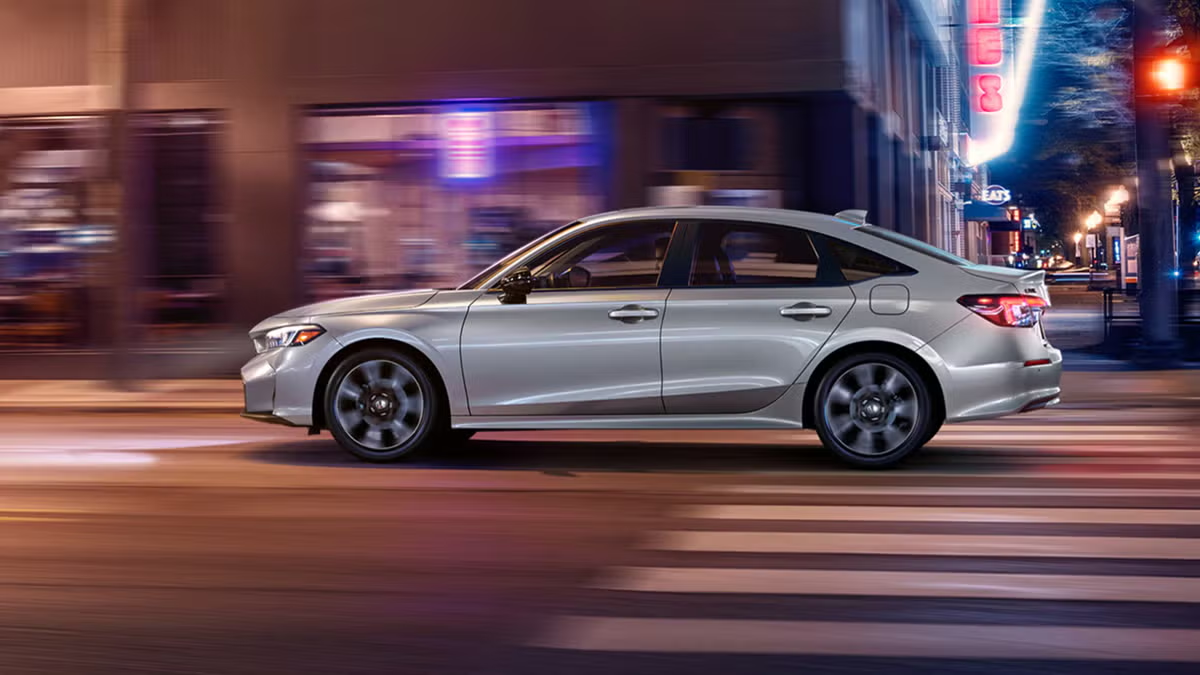
Style and image may be helping sedans regain attention, but affordability remains one of their biggest strengths. With sky-high fuel prices and buyers growing more value-conscious by the day, factors like fuel economy and insurance costs are becoming more crucial to car buyers. The Detroit Free Press mentioned that iSeeCars’s Karl Brauer said “sedans cost less up front, they are lower cost to insure, they get better fuel efficiency, they typically handle better around corners and they are easier to park,” due to their small footprint.
While sedans are far less common than they once were, cars like the Honda Civic, Nissan Sentra, and Toyota Corolla remain practical and affordable alternatives to crossovers for buyers who simply do not need extra ride height or off-road capability. Toyota may also be preparing to lean further into the segment, considering the Japanese carmaker recently trademarked the Cressida name again, hinting at a revival of the once-popular sedan.
Cars Have Become Too Expensive
BMW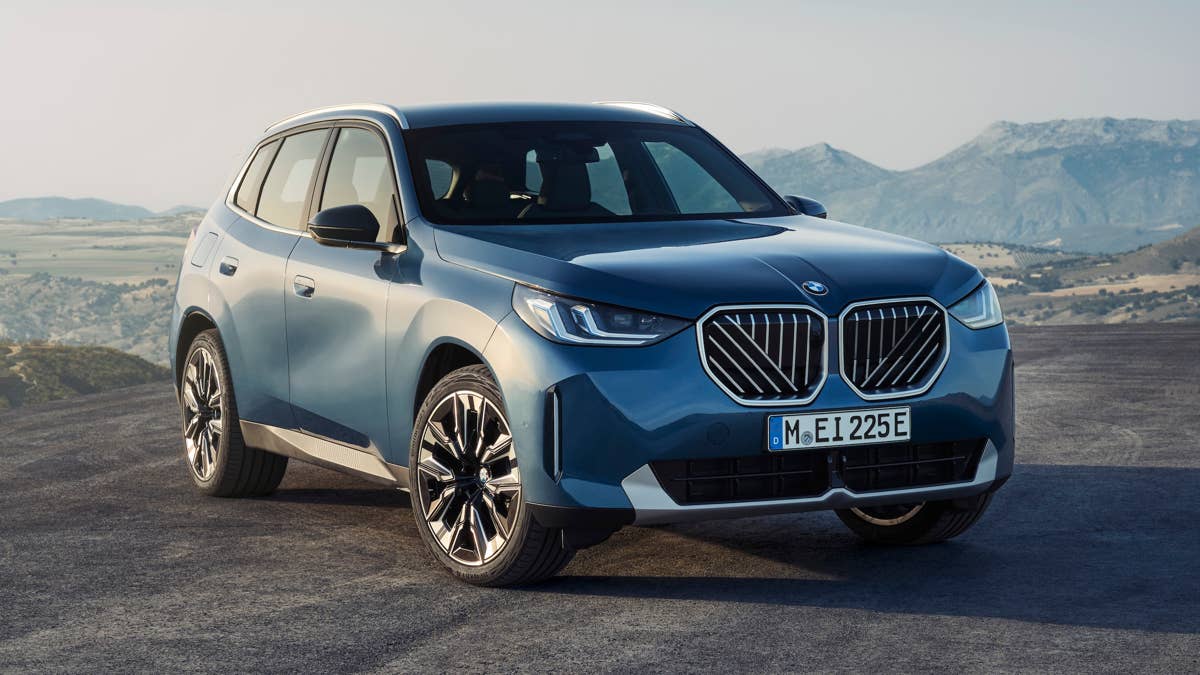
According to Kelley Blue Book (KBB), the average new car price in the US is $49,461, slightly less than the December 2025 average, which was more than $50,000. SUVs are especially to blame, with the average compact SUV costing $37,514, midsize SUV $50,380, and full-size luxury SUV $104,800. For reference, the average price of a compact car is $27,590, a midsize car is $34,069, and a luxury car is $61,462. Based on this market data, SUVs cost at least $10,000 more than the equivalent sedan.
SUVs, crossovers, and everything in between are unlikely to disappear anytime soon, the American market may finally be heading back toward something it has lacked for years: variety.