Be prepared or be sorry
Winter has a way of exposing every weak point in a car. The battery that seemed fine in October suddenly dies on the first freezing morning. The tires that felt “good enough” start slipping on a dusting of snow. And that washer fluid you forgot to top off? You’ll miss it the moment slush covers your windshield during your morning commute.
The good news is you don’t need to be a mechanic to get your car ready for winter. Most cold-weather prep comes down to checking a few systems, replacing worn-out parts, and keeping an eye on fluids. With a little bit of attention now, your car will be far more willing to start, stop, and steer once the temperature plunges.
Start with the only parts of your car that touch the road
Your tires are the most important winter safety feature your car has, even more than all-wheel drive. Before the temperature drops consistently below 45 degrees, drivers should take a close look at both tread and pressure.
Tires lose pressure as air gets cold, which means that a set inflated properly in September might be several pounds low once winter hits. Under-inflated tires reduce traction and make the car feel sluggish. Checking and correcting tire pressure in early winter can make the difference between feeling planted on the road and feeling like you’re sliding across it.

Tread depth matters just as much. Worn tires are more likely to hydroplane or lose grip in slushy conditions. A quick visual check can reveal whether tread grooves have been worn down past the point where they can effectively channel snow and water. If the tread blocks look shallow or smoothed out, it may be time for replacement.
Drivers in snowy climates might also consider using winter tires. They’re made with rubber compounds designed to stay soft in cold temperatures and with tread patterns that grip snow and ice far better than all-season tires. Even with an all-wheel-drive vehicle, winter tires can offer noticeably better control and braking distance when temperatures plunge.
Make sure the battery can handle freezing mornings
Cold weather slows the chemical reactions inside your car’s battery, which is why many batteries fail in the winter. A battery that seems healthy during the fall might not have enough reserve power when the temperature dips into the teens.
Many auto parts stores can perform a quick battery load test, which evaluates how well the battery holds voltage under simulated starting conditions. This can reveal whether the battery is on its way out. If it’s more than three to five years old or if the test results are borderline, replacing it before winter can prevent the familiar scenario of turning the key and hearing nothing but clicks.
It’s also worth checking the battery terminals for corrosion. White or green crust on the terminals can interrupt the flow of electricity, especially when the battery is under stress in cold weather. Cleaning it off and making sure the connections are tight can help avoid cold-morning surprises.
Cold weather makes weak wiper blades obvious fast
Snow, sleet, and slush put a lot of demand on your wiper blades. If they leave streaks or chatter across the windshield now, they’ll only get worse once the weather turns. Replacing worn blades before winter is one of the simplest and most affordable maintenance tasks, but it makes a massive difference in bad conditions.
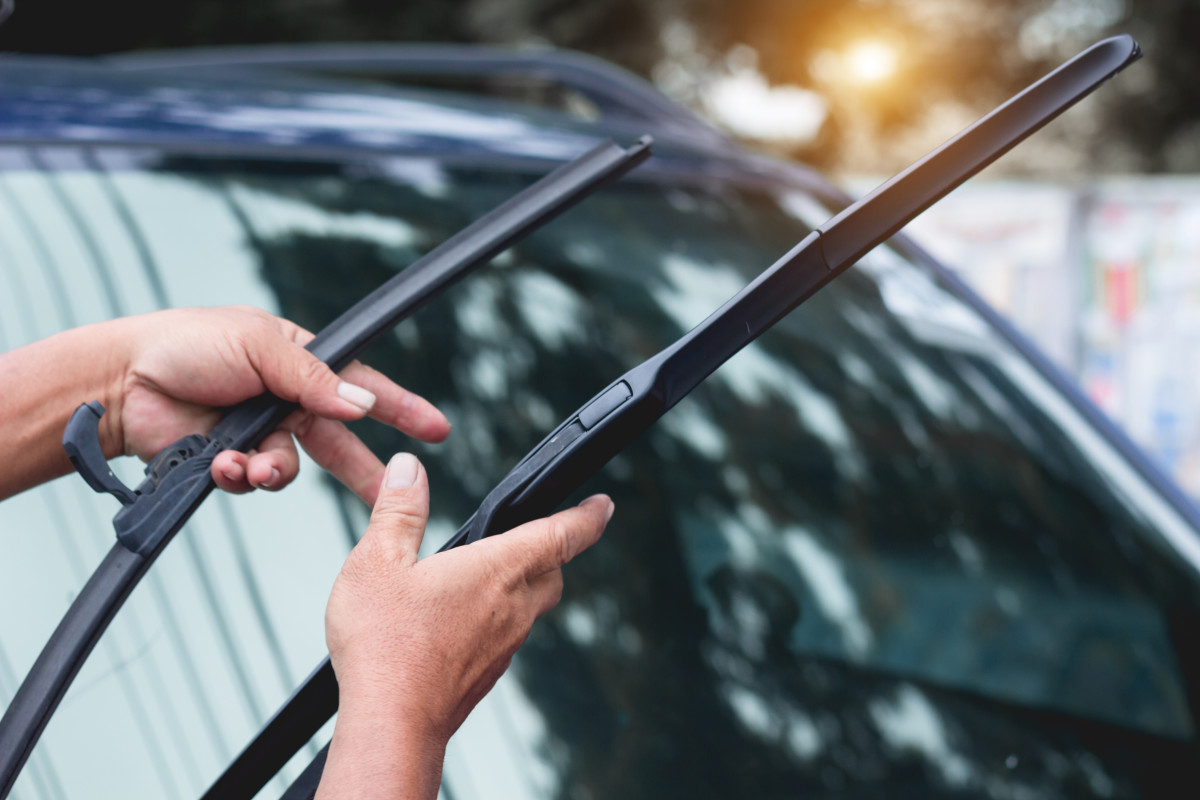
Winter-rated blades, which use covered hinges to prevent ice buildup, are especially helpful in areas where snowstorms are common. Pair them with washer fluid formulated for freezing temperatures, as regular fluid can freeze on the windshield, blocking visibility and making things worse.
Keep an eye on the washer fluid reservoir as well. Winter driving throws a lot more grime onto the windshield than summer driving, so it’s easy to run through a full tank of washer fluid in just a few snowstorms.
Fluids behave differently when temperatures fall
Most drivers don’t think much about their coolant once summer ends, but antifreeze plays an equally important role in winter. It keeps the cooling system from freezing and cracking, and it helps the engine warm up efficiently. A simple test strip can confirm that your coolant mixture offers adequate protection against sub-zero temperatures.
Oil also thickens when it gets cold, and some engines struggle to circulate heavier oil on the coldest mornings. Many manufacturers specify different oil weights for winter use, often recommending a slightly thinner oil for better flow. Checking your owner’s manual or asking a mechanic can confirm whether your car needs a seasonal oil change.
Transmission and brake fluid levels should also be checked. While they don’t typically need seasonal replacement, low fluid levels can cause performance issues that become more noticeable when components are under extra load in winter.
Don’t overlook the parts that help you stop
Brakes take a beating in the winter. Salt, moisture, and road debris accelerate wear on pads and rotors, and the cold can make any existing vibration or pulsation more noticeable.

A quick inspection can catch pads that are worn too thin or rotors that are uneven. If your brake pedal feels soft or the car pulls to one side under braking, those issues should be addressed before icy roads magnify them. Drivers who live in areas with frequent snow should also check the parking brake system, especially if their car uses cables that can freeze and stick.
Lights become more important when days get shorter
Winter brings darker commutes and more time spent driving in fog, snow, or freezing rain. Making sure all exterior lights are bright and functional goes a long way toward improving both visibility and safety.
Headlight lenses can become hazy over time, reducing light output even if the bulbs still work. Restoring cloudy lenses can significantly improve nighttime visibility. It’s also worth confirming that brake lights and turn signals illuminate consistently, as failing bulbs are easy to miss but critical in poor conditions.
James Riswick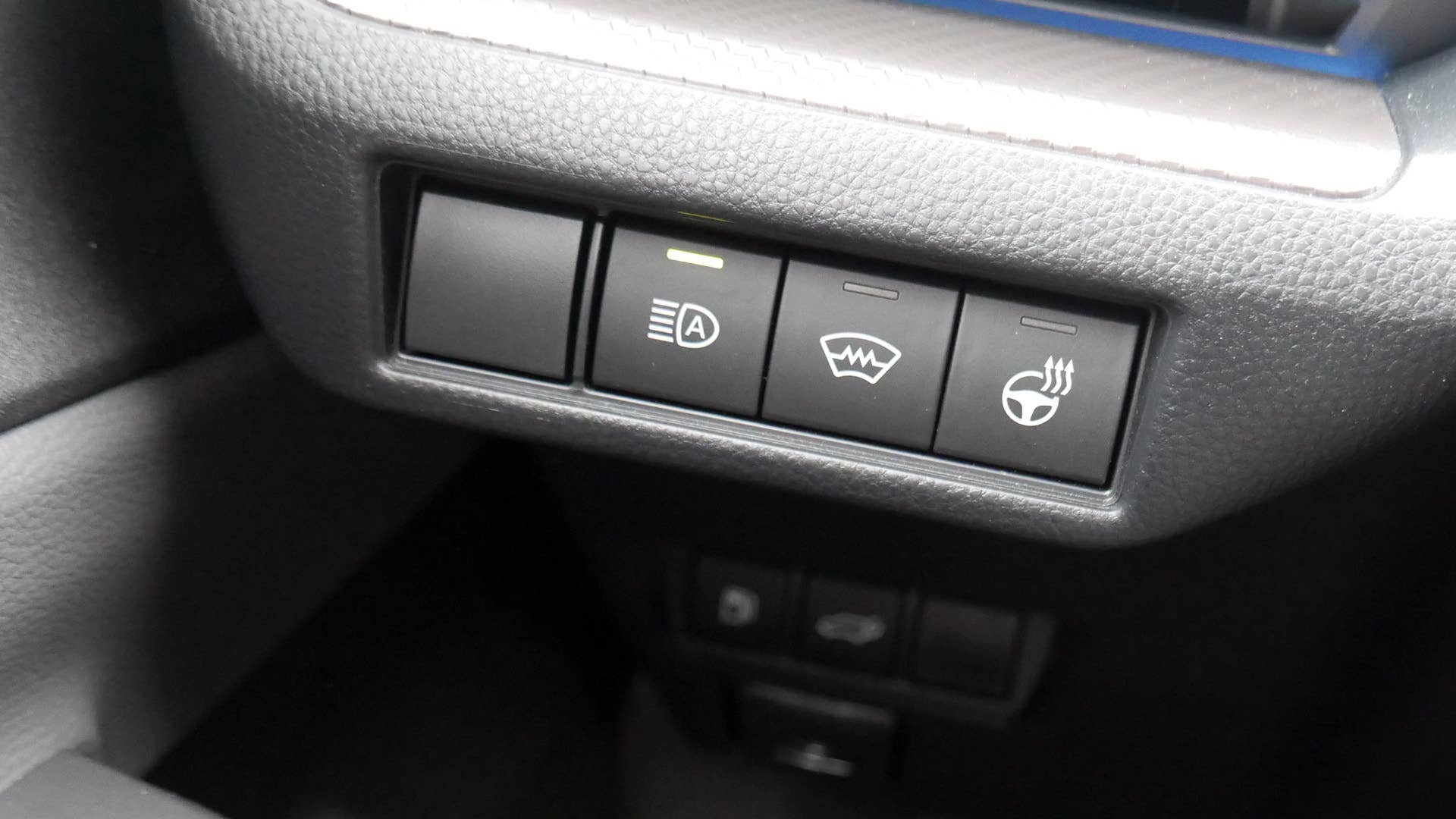
Take care of the parts that keep the car warm and clear
The heating system isn’t just about comfort. When temperatures fall, it’s essential to defrost the windshield. If you notice reduced heat output, strange smells, or fogging that doesn’t clear quickly, the heater core or blend door might be worth checking before winter.
Similarly, the defroster relies on the HVAC system running properly. Even something as simple as a clogged cabin air filter can reduce airflow, making it harder to keep windows clear on snowy mornings.
Final thoughts
Winter weather is tough on cars. It tests the battery, exposes worn tires, and stresses the brakes, all while limiting visibility and reducing traction. Taking the time to inspect these systems before snow arrives can prevent breakdowns, shorten stopping distances, and make every cold-weather drive safer and less stressful.
Even if you only go through this checklist once a year, the payoff is immediate. Your car will start more reliably, handle winter roads with more confidence, and keep you warm and visible when conditions get rough. With a little early attention, you’ll spend less time worrying about breakdowns and more time getting where you need to go — no matter what the weather brings.