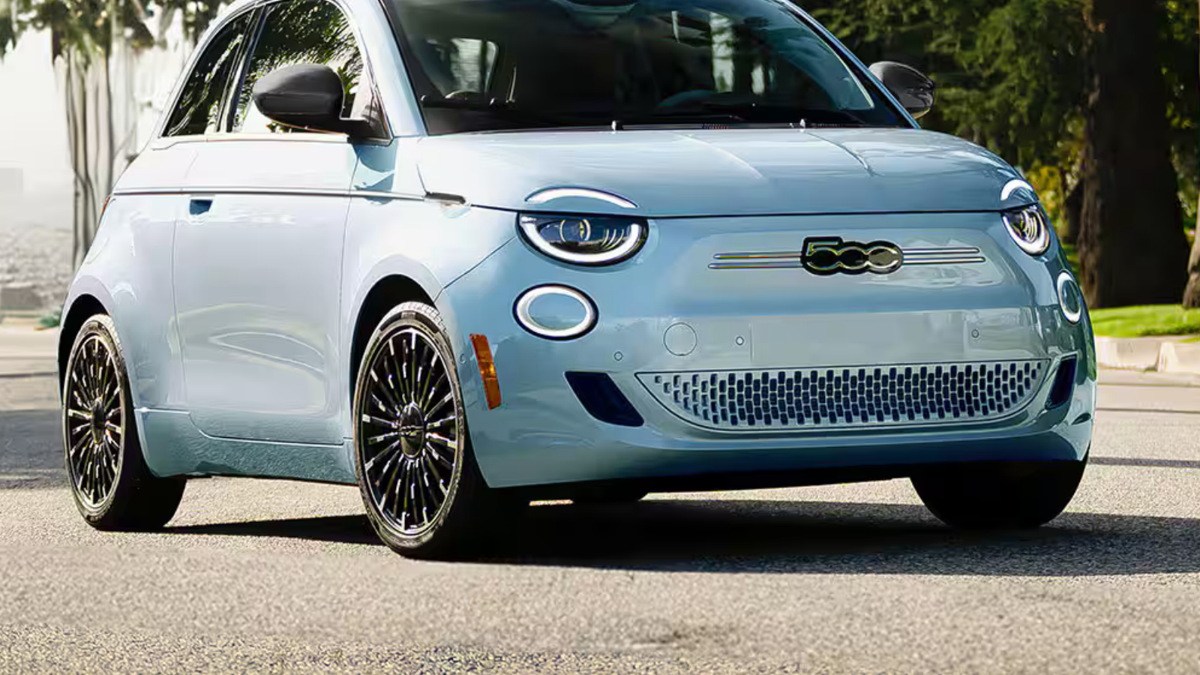
Conventional front-engine pickup truck design is, once you distill it down, pretty basic. A low, enclosed box in the front for the engine, a taller, enclosed box with windows, ideally, behind that for people to sit in and charge their phones, and then a long open box at the rear for all the stuff you want to haul. That’s pretty much how all of them work. But there’s two major variations of how that big box on the rear is built, and I have to admit, I’m not sure I really understand the point of one of these types.
You know the two types of beds I’m talking about? I’m sure you do, but just in case you’ve recently taken a blow to the temple with a 2×4, I’m delighted to cover them again. The two types are the now far-more common type of truck bed, with flat sides and wheel wells integrated into the bed, and the “stepside” type. where the bed is a rectangular box set between external fenders.
That style with separate fenders used to be the default style of pickup truck until the late 1950s, as a result of how most automotive body design and construction was handled. You can see this back to some of the earliest mass-produced pickup trucks, like the Ford TT:
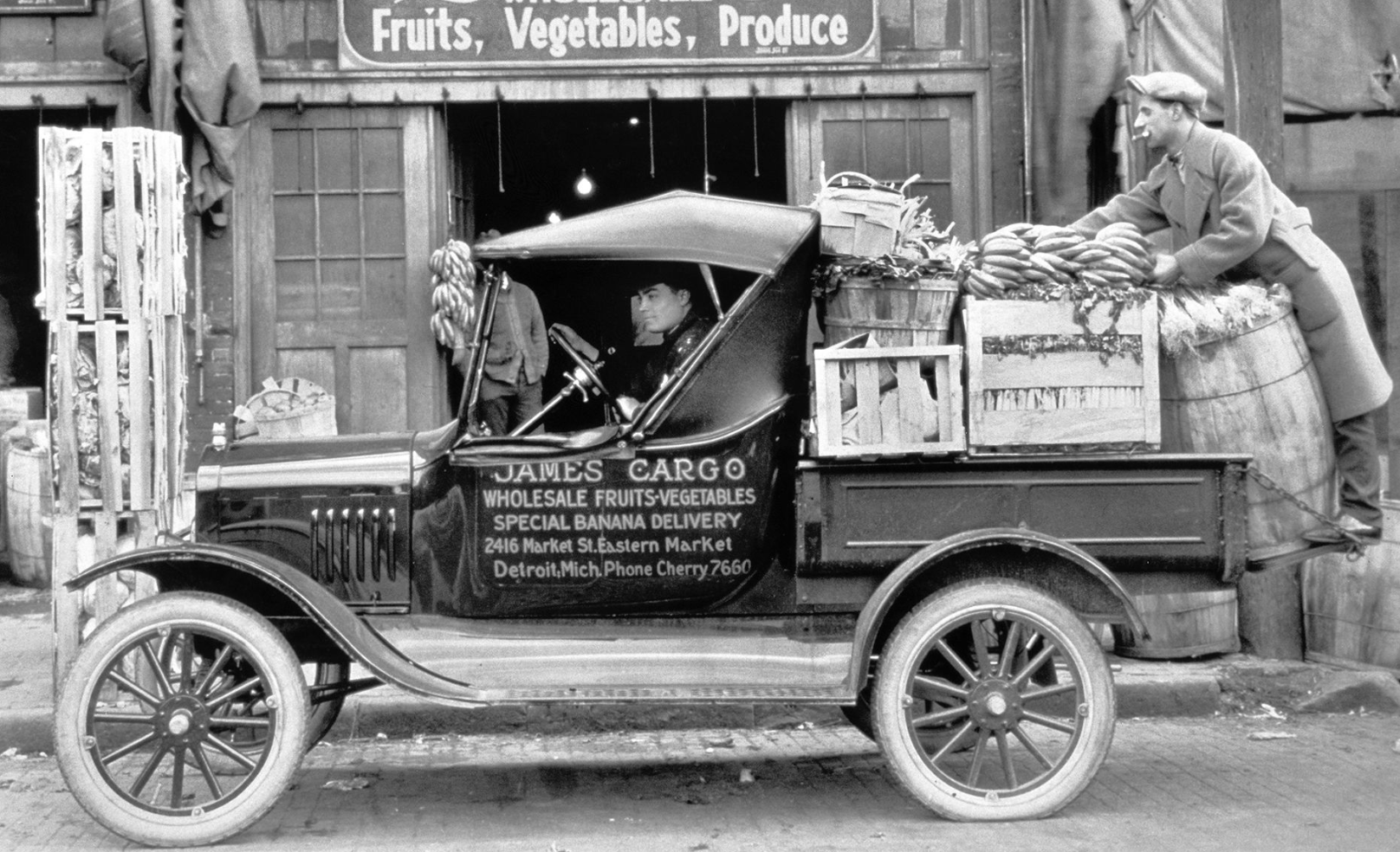
See how the bed is just a rectangular box shoved in between the fenders? That was just the most straightforward way to adapt the Model T body to incorporate a load bed, and continued to be the most straightforward way as long as cars were designed with separate fenders.
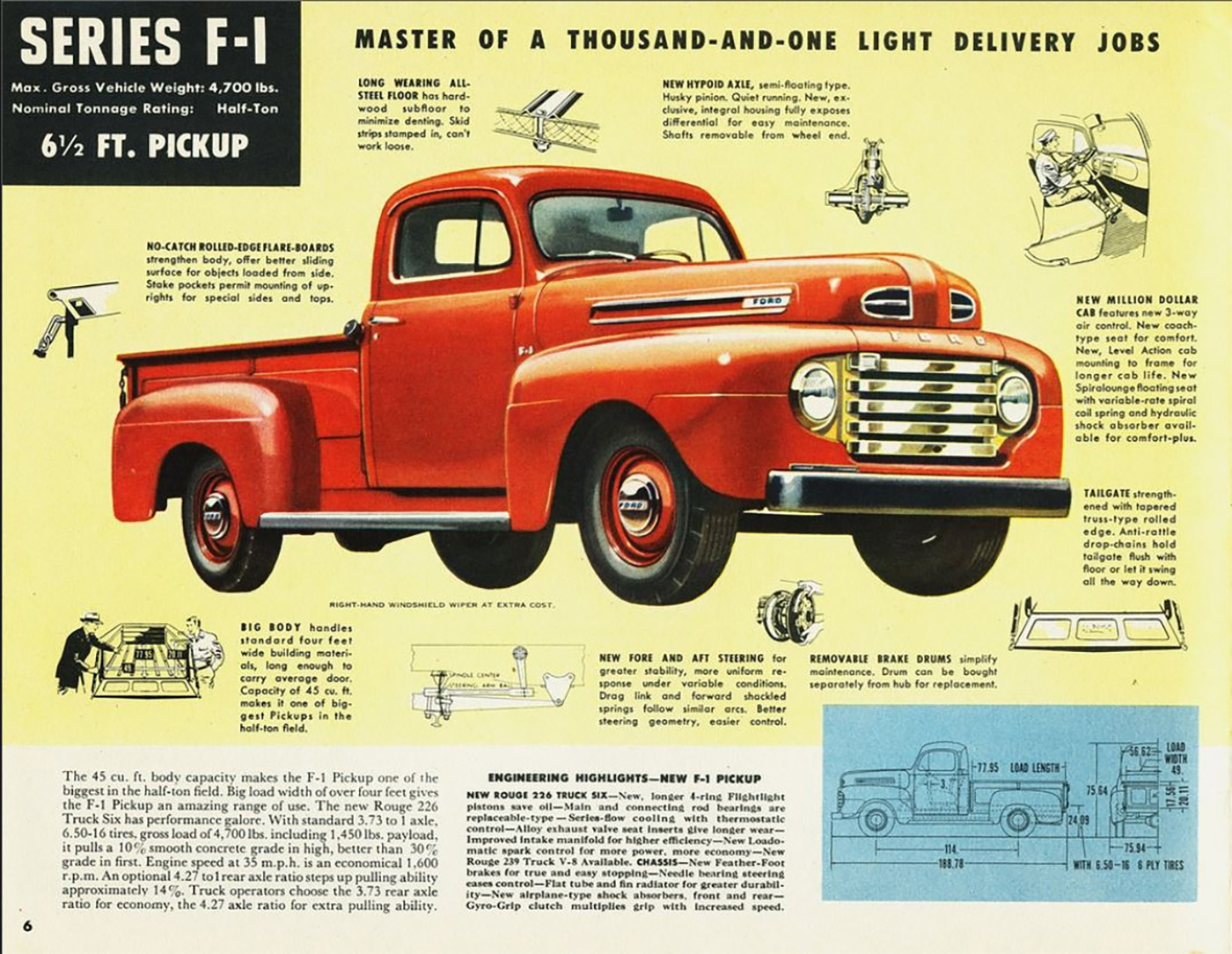
Eventually, carmakers learned that you could have a notably wider load area and simplify the construction of the bed by integrating the fenders into the bed itself, making a truck bed with flat sides. The first production car to do this was Crosley, in the 1940s:
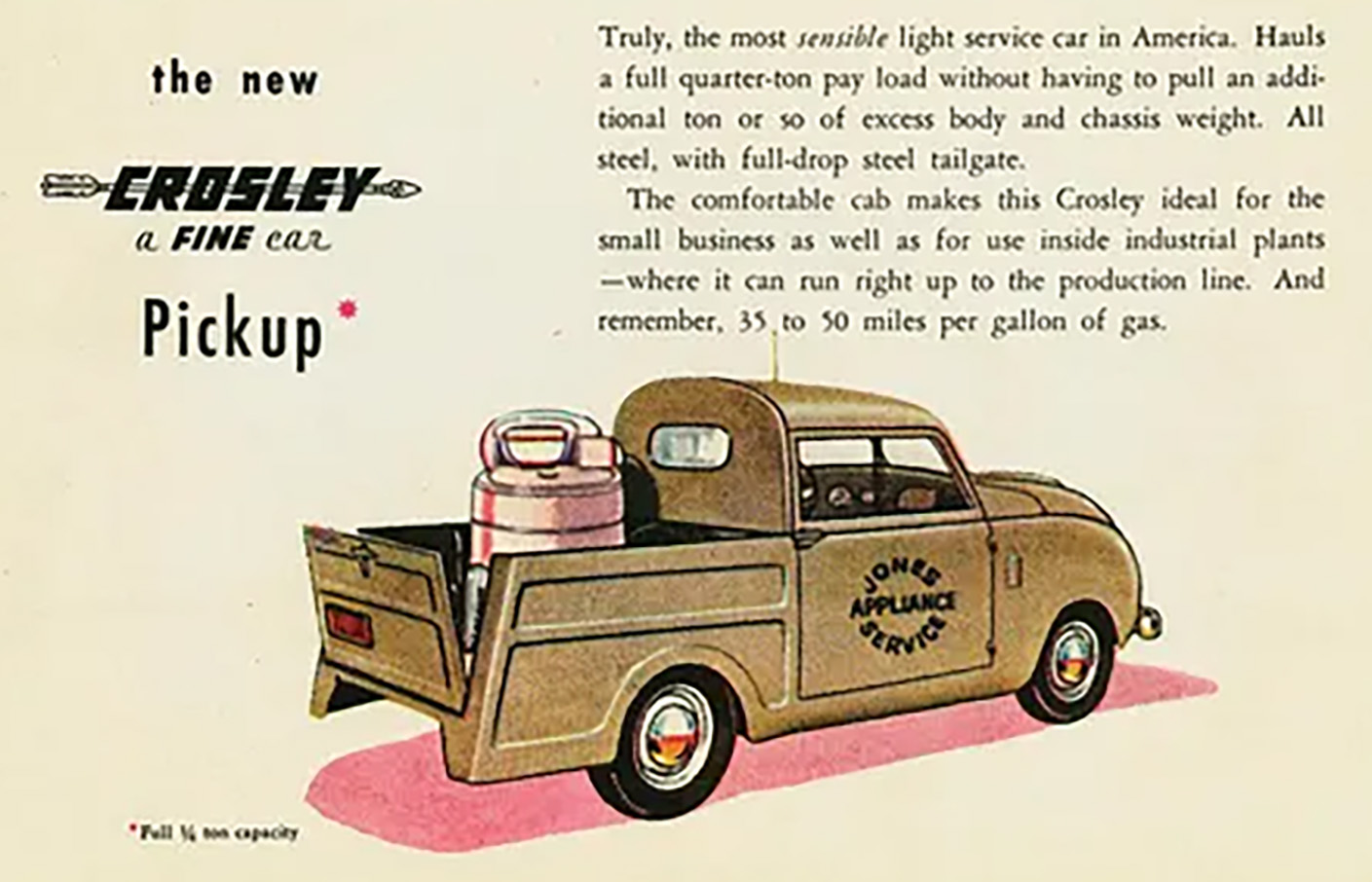
Crosley, of course, was a pretty niche maker, as their trucks were quite tiny, so I suppose we can also give credit to Chevrolet for popularizing the flat-sided truck on a more mainstream level with their Cameo Carrier:
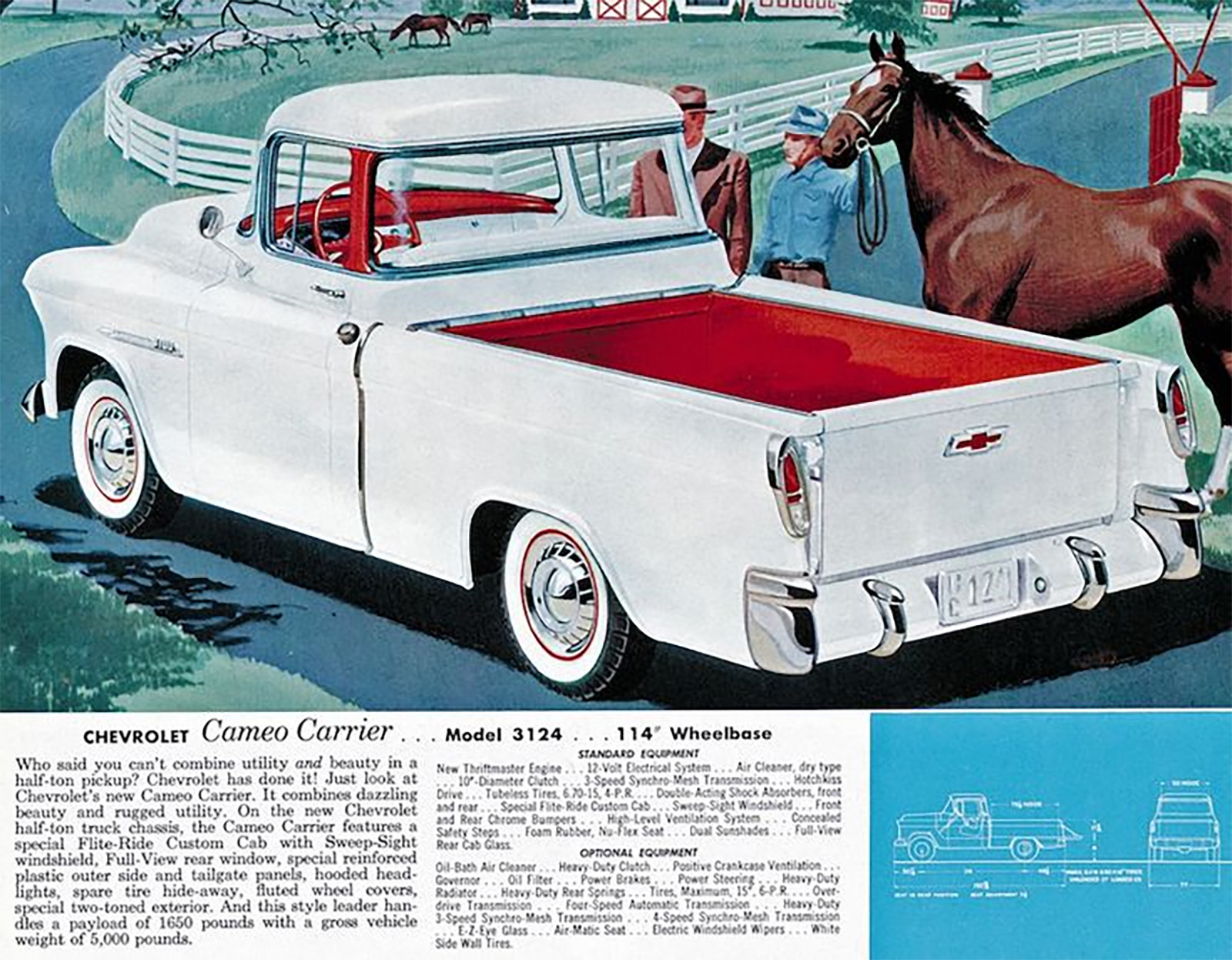
The Cameo Carrier was interesting; this was a pretty novel departure from conventional pickup truck design, and Chevy leveraged their experience with fiberglass bodies from the Corvette to make these new, sleek, slab-sided trucks.
Ford noticed the success of Chevy’s flat-sided trucks, and introduced their all-steel Styleside trucks in 1957:
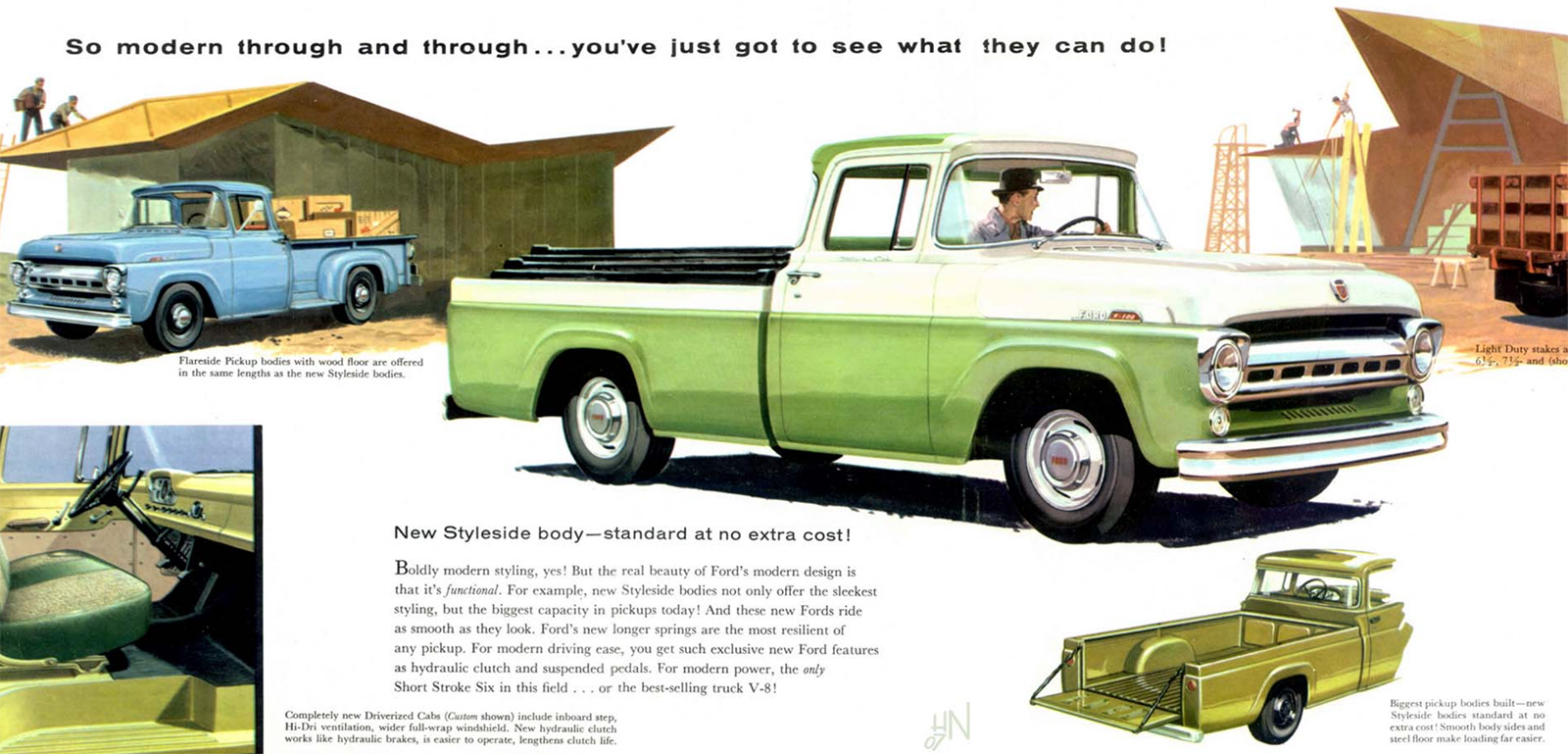
These trucks offered more room in the bed in front of and behind the wheel wells that intruded into the bed, and the wheel wells themselves could have 2x4s placed across them to allow for a wide area to slide sheets of plywood or other big, flat cargo.
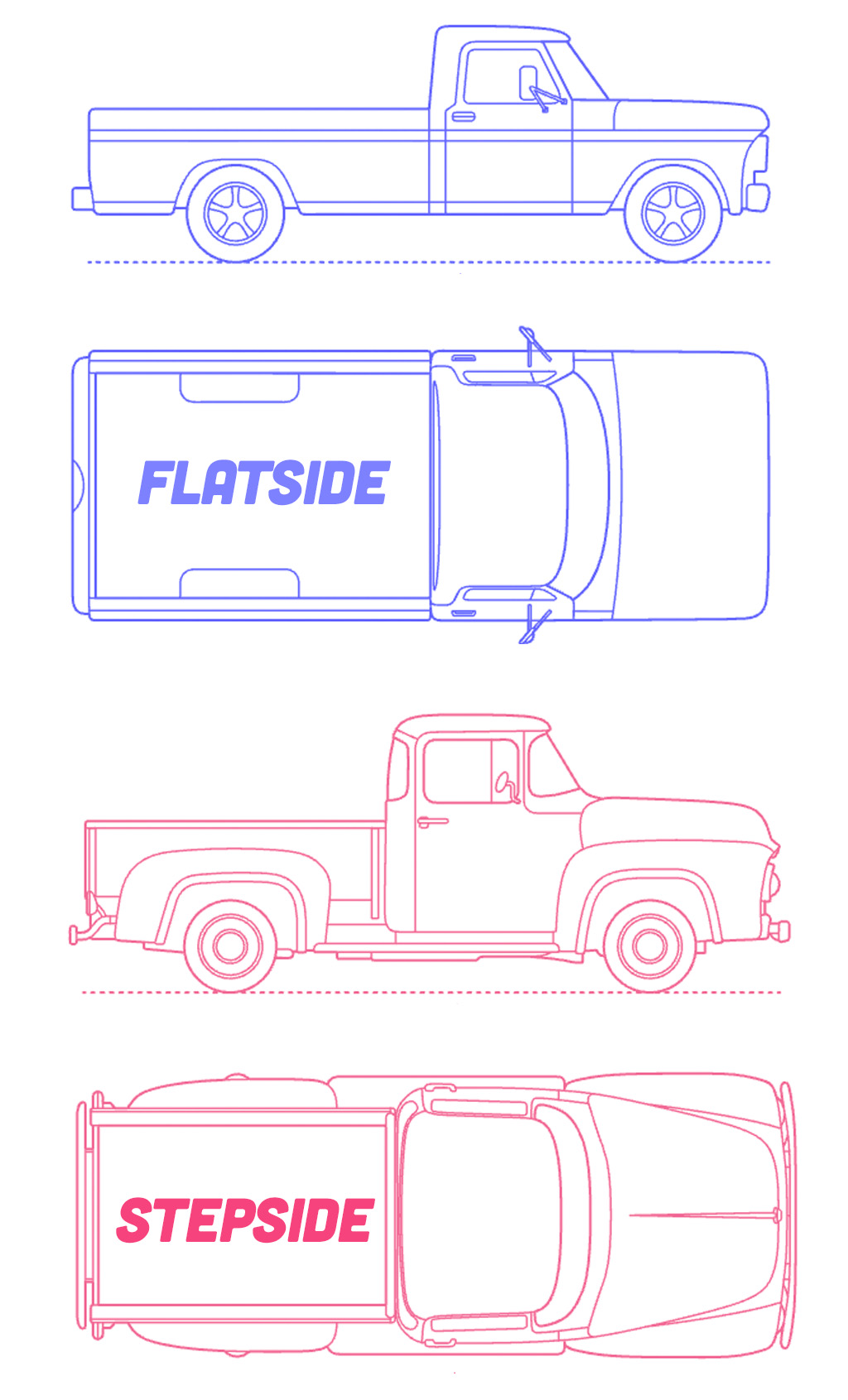
In almost every way, this new way of building truck beds seemed better than the old external-fender way. And yet, somehow, carmakers still offered the older style, calling that flareside or stepside or fenderside or something like that.
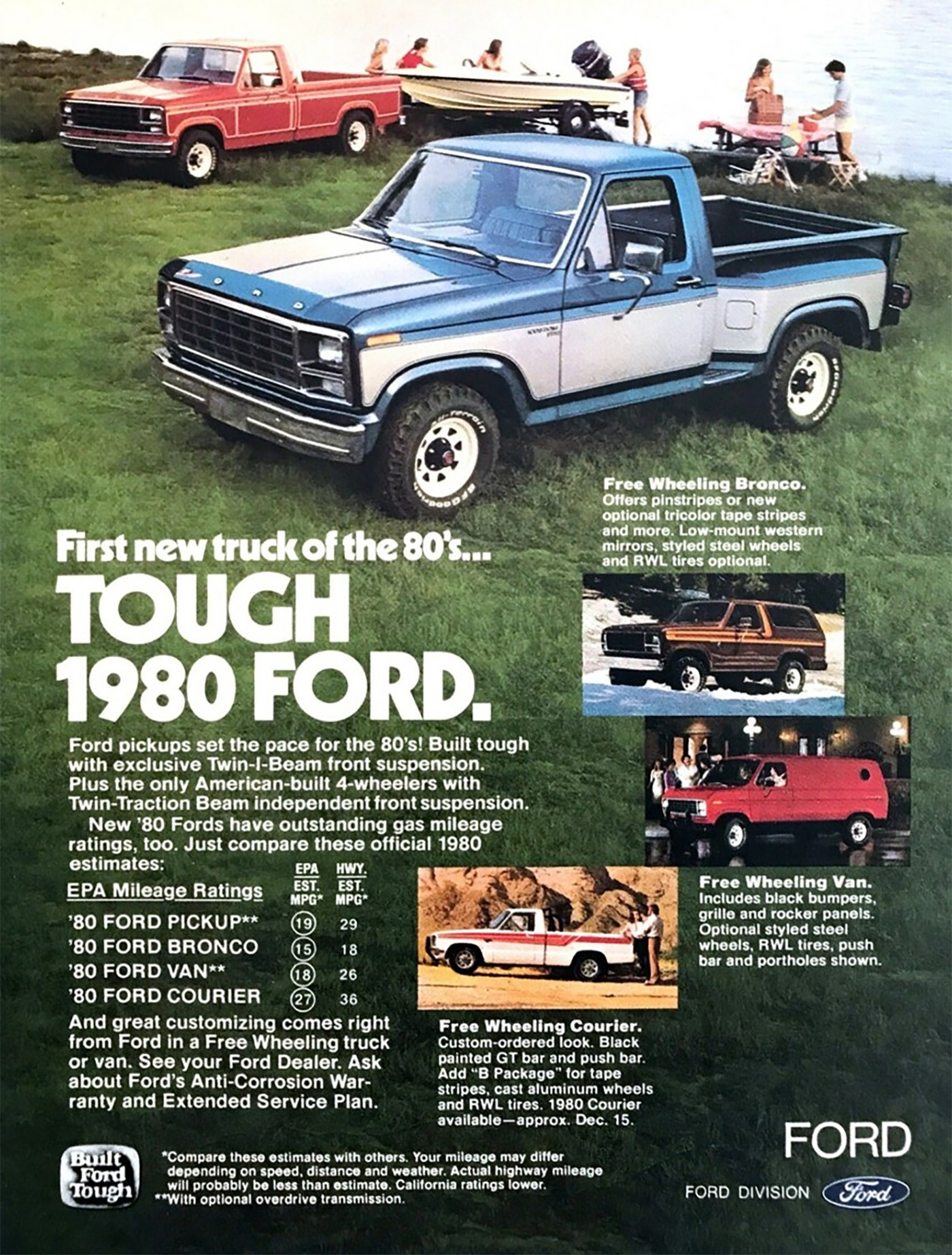
Now, there may be some good reasons to offer this more archaic style, even when it really didn’t mesh with the look of more modern trucks: that step just forward of the fender could be pretty useful, and I suppose some people may just prefer the look. The taillights, which were generally not integrated into the bodywork in these sorts of designs, were also cheaper to replace.
But you still had a narrower bed, sometimes significantly. Ford was the last company to offer a bulging-fender stepside truck design, finally ending them after 2009.
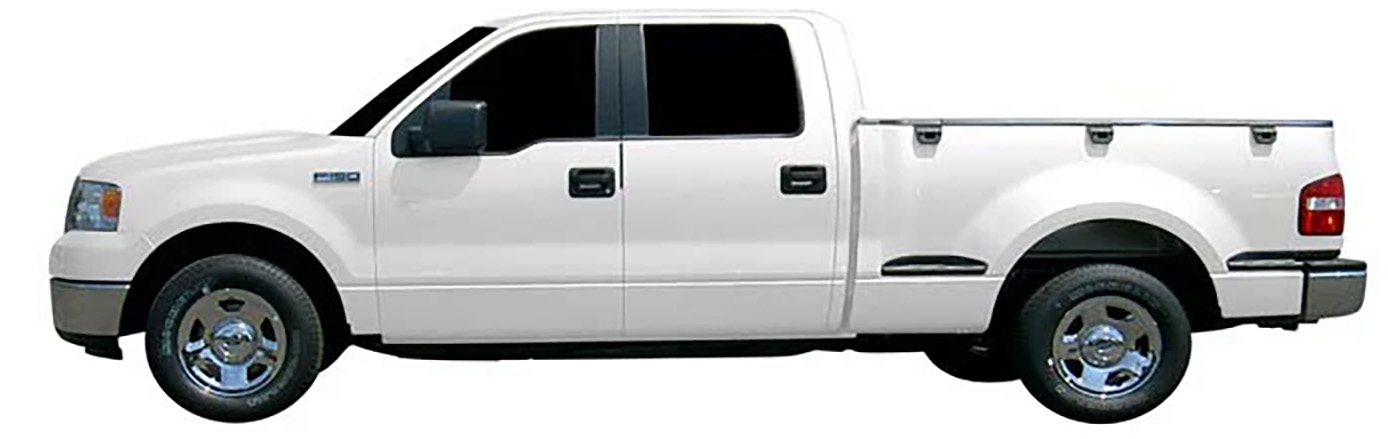
So, I guess all of this is to ask, “what do we think about stepside trucks?” I love the way they look on old 1950s-era and earlier pickups, but I think as time goes on, they tend to look more and more forced. The step on the side is helpful, but is it worth the reduction of cargo room in the bed? Those areas fore and aft of the wheel wells can hold a lot of stuff.

So is it style? Is there something crucial I’m missing here? How did these last so long after they were so effectively replaced?
Let’s take a poll and discuss in the comments. I’m genuinely curious!
The post What’s The Point Of Stepside Pickup Trucks? appeared first on The Autopian.