A Dedicated EV Bet
Stellantis has approached the electrification era more cautiously by developing the STLA platforms as multi-powertrain architectures capable of supporting both combustion and fully electric vehicles. However, the automaker believes that level of flexibility may not make financial sense for its planned entry-level EVs called E-Cars.
As such, Stellantis is abandoning its multi-powertrain strategy for its E-Cars and will instead use a dedicated EV platform, according to Automotive News. The target starting price is €15,000, or about $17,300 at current exchange rates, which would undercut nearly all EVs sold in Europe and every electric car currently available in the U.S.
The Affordability Challenge
The most attainable EVs sold in the U.S. today are the Chevrolet Bolt EV and Nissan Leaf, both of which start at around $30,000, or nearly twice Stellantis’ target price. That’s largely because demand for small cars remains much stronger in Europe than it does in the U.S. Stellantis looks to pit its new E-Cars against the likes of the Volkswagen ID.1 and Renault Twingo.
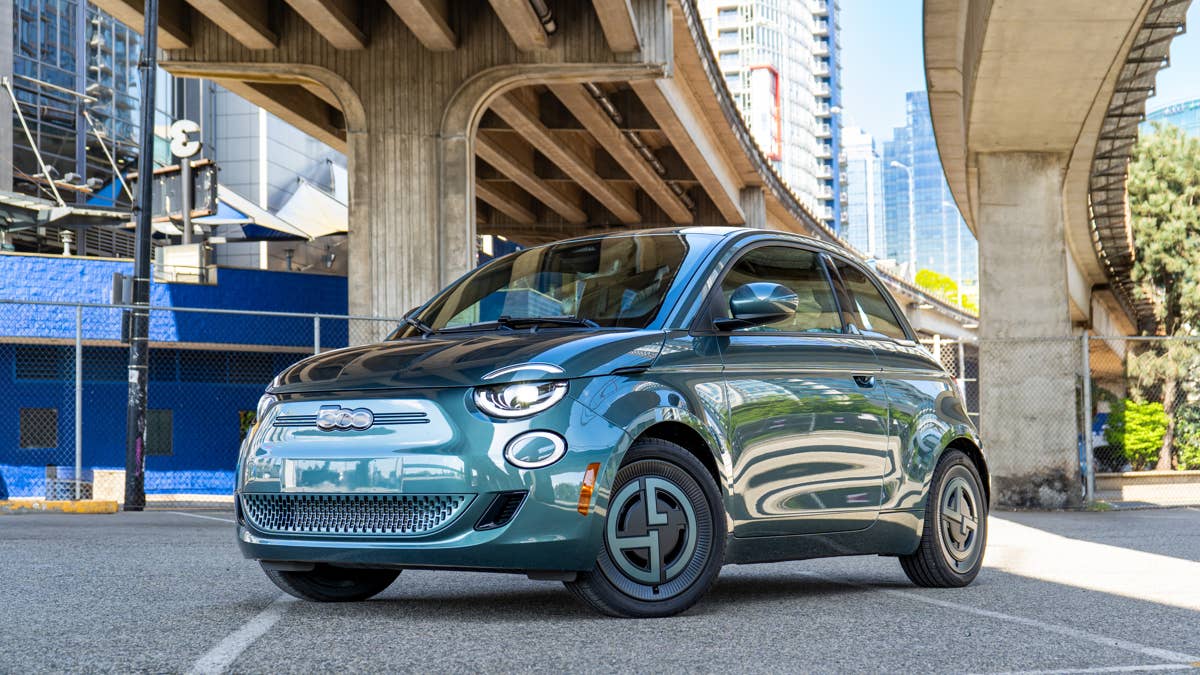
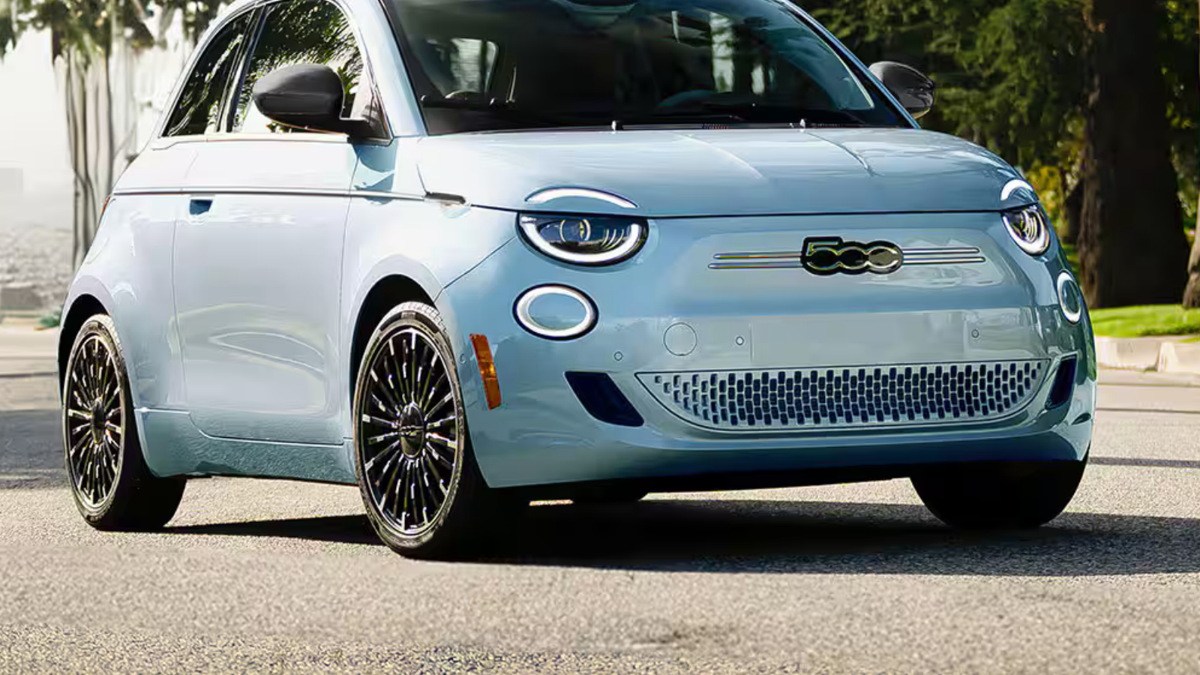
The upcoming E-Car models will include a Fiat and a modern reinterpretation of the Citroën 2CV. Given their positioning, they are unlikely to make their way stateside, but they highlight just how difficult it remains to build truly affordable EVs. That challenge may help explain why there are currently no EVs at least in the $25,000 range in the U.S., with startups like Slate Auto aiming to reach that price point through a bare-bones approach.
In addition, Chinese automakers are putting increasing pressure on the market by continuing to offer attainable EVs.

Citroën
Lessons From China
Stellantis is looking to learn from Chinese automakers through its partnership with Leapmotor, with Emanuele Cappellano, head of the automaker’s Enlarged Europe region, describing the joint venture as an opportunity to learn “in a humble way.” The alliance could eventually extend to North America, at least in Canada, where the idled Brampton Assembly Plant – originally slated to build the next-generation Jeep Compass – has been linked to the potential production of Leapmotor EVs.
Whatever the case may be, the upcoming EV-dedicated E-Cars should help Stellantis recover from its EV struggles, after the company took roughly $26 billion in charges tied to its EV reset. The STLA platforms, meanwhile, will continue to support multi-powertrain vehicles, as seen in the Dodge Charger, which is available with either a 3.0-liter twin-turbo inline-six or a fully electric powertrain.
Cole Attisha