The EV landscape is changing.
When I first laid eyes on a Tesla Model S at a Tesla showroom in 2012, it was impossible to fathom a world where electric vehicles would become popular beyond a small niche of eco-minded buyers. However, I could admit that teenage me was wrong.
Despite losing the $7,500 IRA Federal Tax Credit at the end of September 2025, the EV market remains well-saturated with a wide selection of vehicles from brands spanning from upstarts like Tesla, Rivian, and Lucid, to luxury mainstays like Mercedes-Benz and BMW, and even familiar pedestrian brands like Hyundai and General Motors’ Chevrolet.
James Ochoa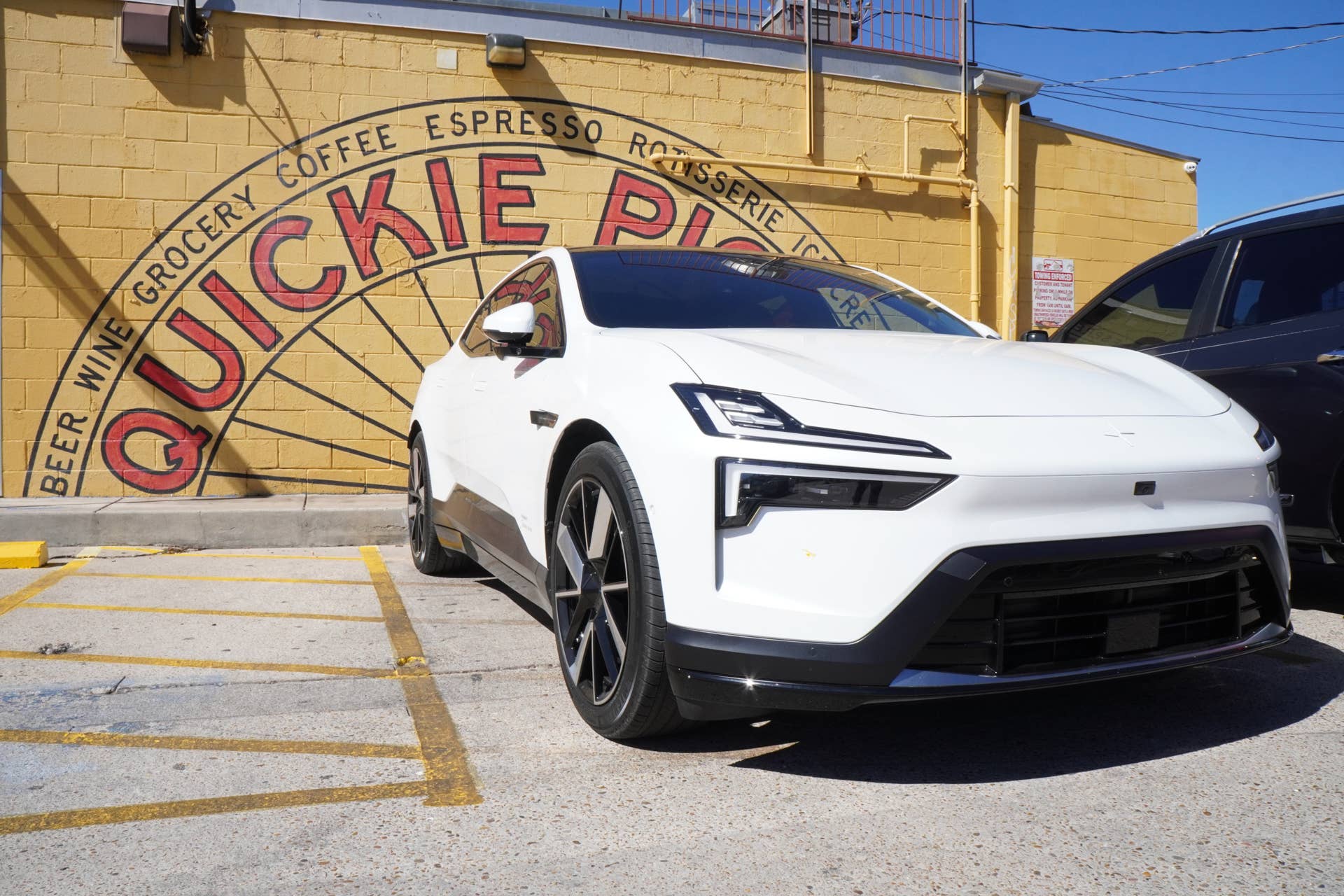
Among the crowded field of who’s who in the EV marketplace, Polestar stands out as a unique anomaly. The Swedish-Chinese upstart originated as a racing division preparing Volvos for touring car racing, later becoming the brand’s exclusive tuner, creating special performance versions of its sedans, wagons, and crossovers, much like AMG and Mercedes-Benz.
However, for the past few years, it has operated solely as a spin-off brand within the Geely group, with its own line of unique electric vehicles. The Polestar 4 is its latest offering, and during my experience driving it in and around the eclectic cityscape of Austin, Texas, I found it to be a unique vehicle with a few fun qualities, although some issues may deter buyers.
James Ochoa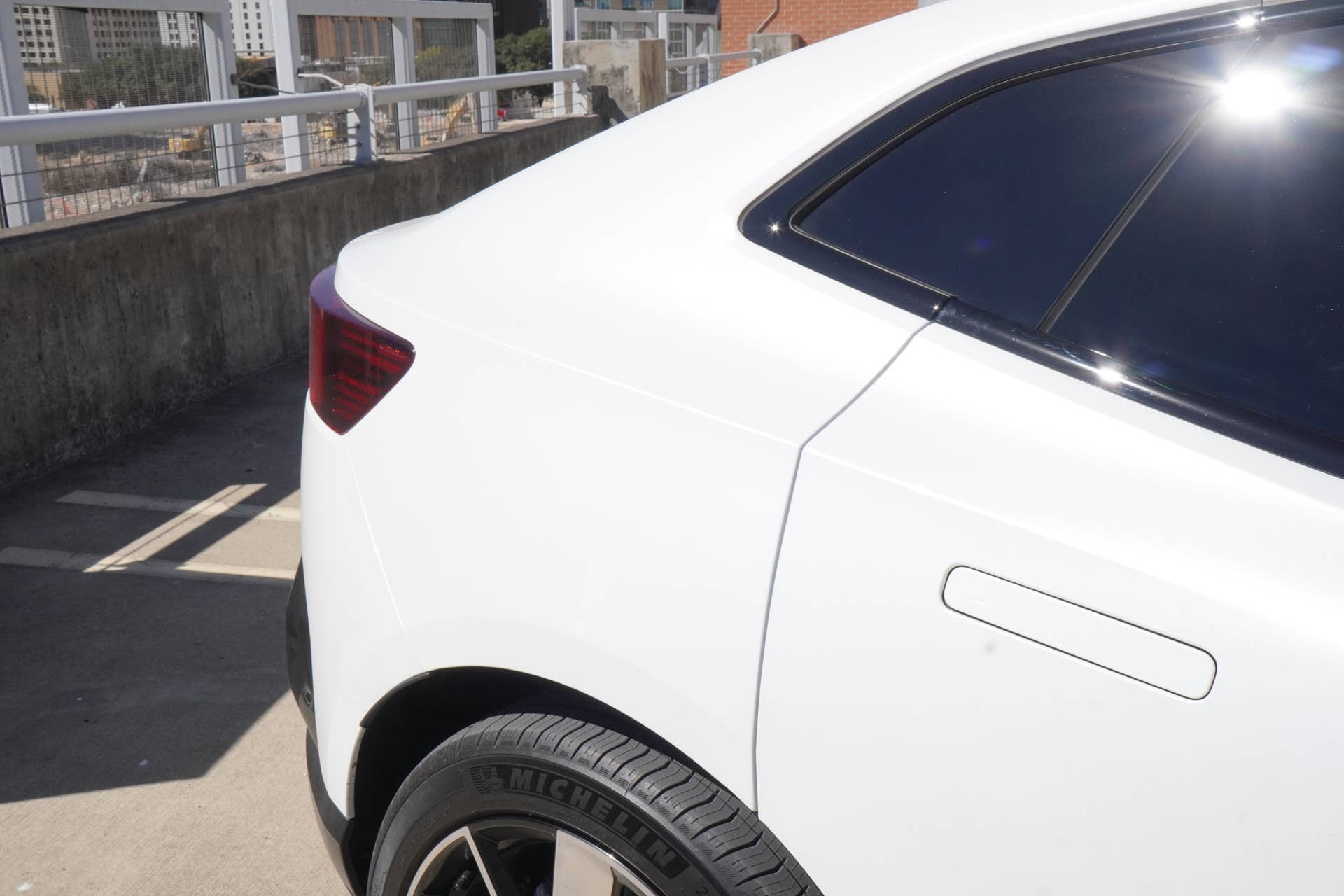
Don’t adjust your screen; something is actually missing.
If there is an “elephant in the room” regarding this car, it is that the Polestar 4 has no rear window—an intentional design choice that initially sounds baffling but makes sense when explained further. During an early-morning product presentation, Ola Aldensjö, the product manager for the Polestar 4, said this design choice was born of a need to maintain its sporty, coupe-fastback side profile without compromising either rear visibility or headroom.
In a nutshell, Aldensjö explained that Polestar does not “like to compromise either rear headspace or rear visibility,” noting that if it gave the Polestar 4 a sloping roofline like other “coupe SUVs,” it would be a cumbersome nightmare for rear-seat passengers. Even if its designers gave it a few inches and maintained a narrow fastback shape, the rear-view mirror’s angle would be tiny, and much of the rear-facing visibility would be taken up by the rear seat headrests or your passenger’s faces.
James Ochoa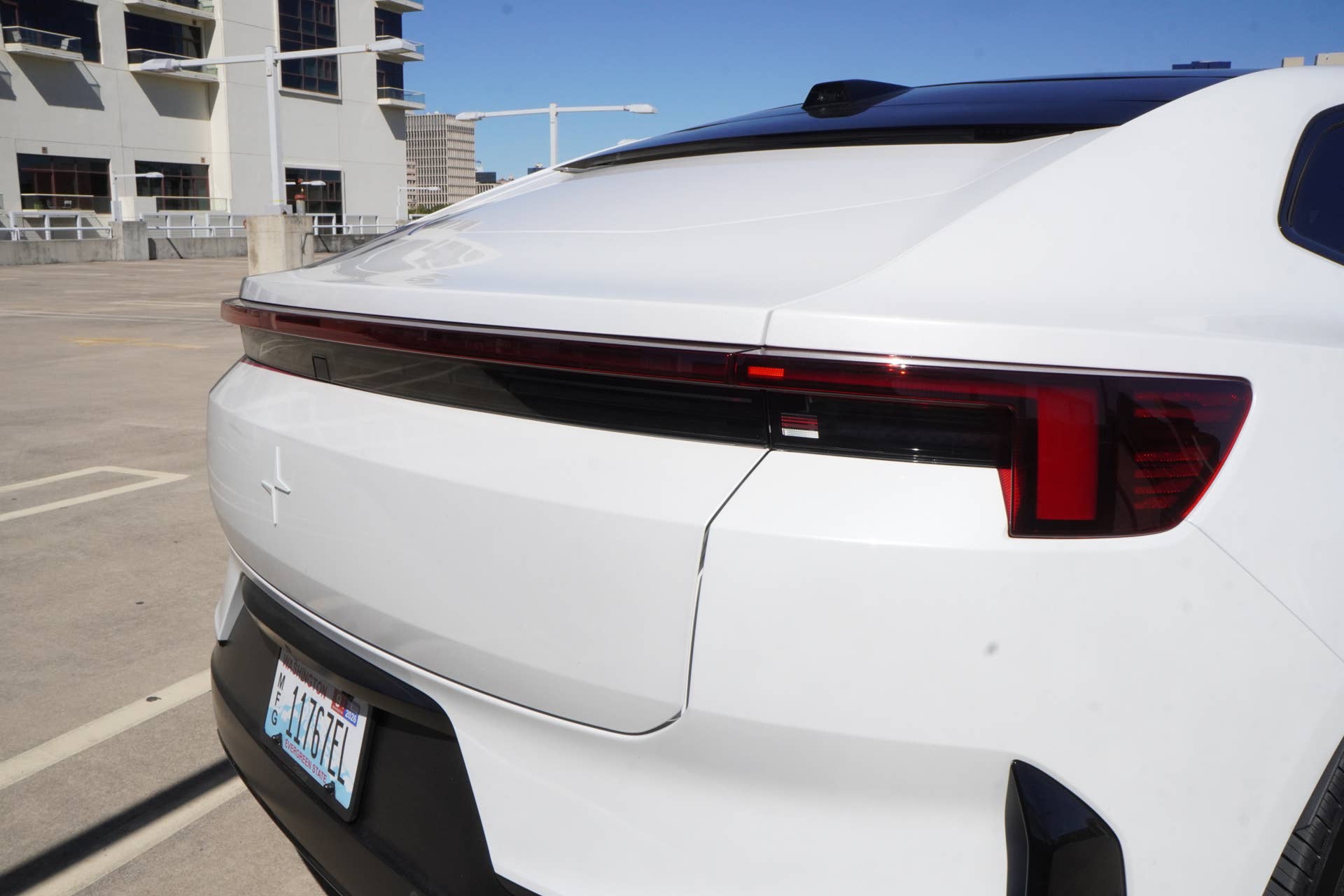
By parting with the rear window, all three goals are fulfilled. The Polestar 4 maintains a sleek, fastback shape, with a backseat that feels more SUV-like than that of any coupe on the market. Although it may have no rear glass to see out of, Polestar claims that its rear-facing camera and digital rearview mirror combination enable significantly more rear-view visibility than ever before.
However, from the outside, the lack of a rear window is not immediately apparent due to its sleek, handsome styling. All Polestar 4s get dark-tinted glass roofs, and additional black cladding over the top half of the hatch lid gives the impression that glass is actually there. It is something you have to look a little more closely at, especially in darker-colored cars, which have obscured this feature and made it look a little “normal.”
Christian Samson, the product attributes lead at Polestar, noted that the 4’s overall design fits in with the brand’s product identity, where they aim to make cars that are “The kind of sexy a humanoid would appreciate.” As a living, breathing, non-robotic person, I slightly digress with this sort of language; I think a humanoid would appreciate it, but it is a league or two away from the Giugiaro, Bertone, or Pininfarina-penned sports car designs that most car enthusiasts would call “sexy.”
James Ochoa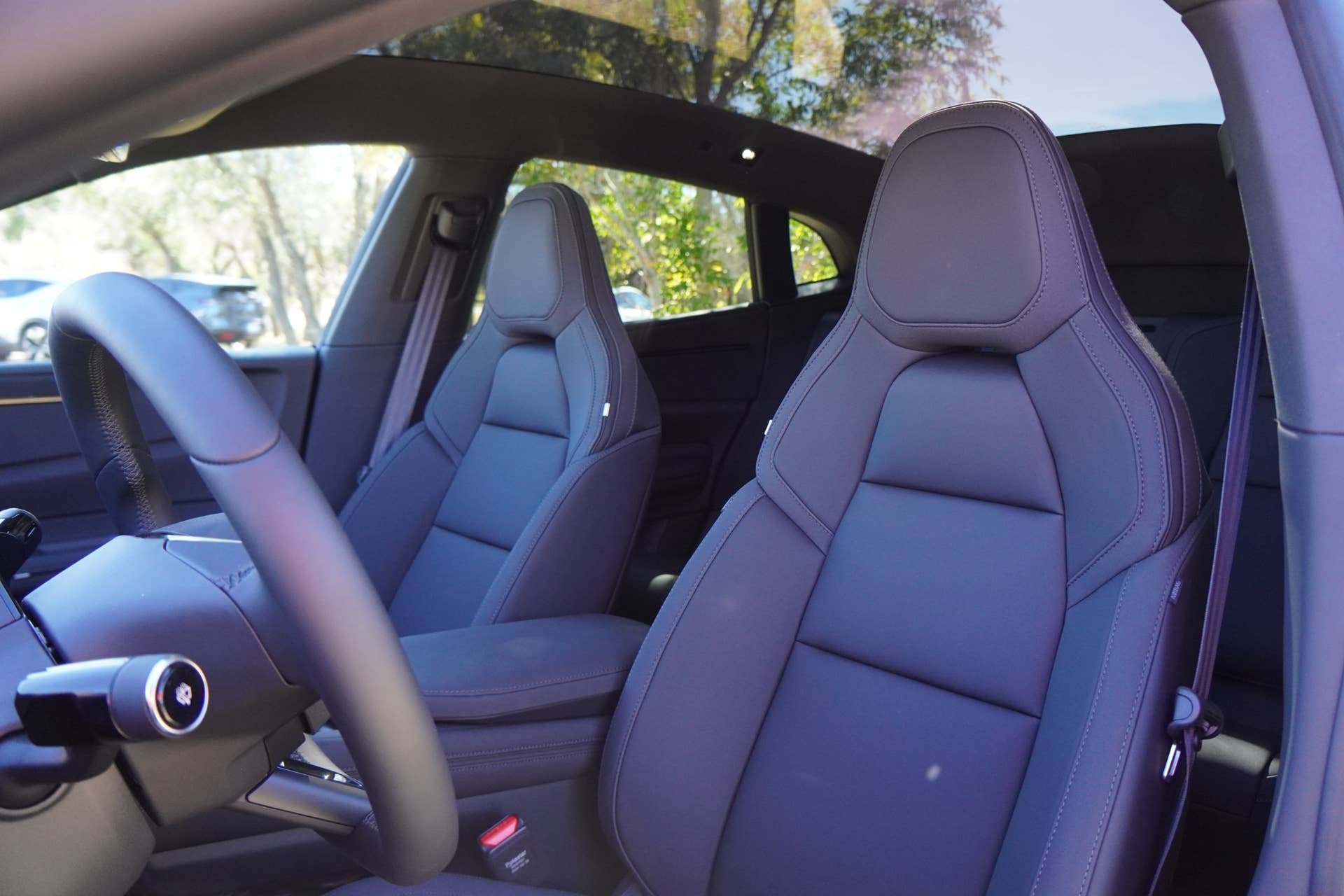
The Polestar 4’s Interior Design is Very Human
The Polestar’s “humanoid” theme extends inside, as the 4’s cabin is a minimalist, strangely ergonomic paradise for both driver and passengers. While most Swedish and other Scandinavian furniture seems to prioritize form over function (looking at you, IKEA), the Polestar 4’s bucket-style front seats prioritize comfort while providing the right amount of bolster to keep your behind relatively planted in place while hitting tight bends. Polestar 4s can be configured with seats finished in luxurious Nappa leather, futuristic Microtech fabric, or an eco-friendly tailored knit. Additionally, the Plus Pack adds heating and cooling seats, massaging functions, and headrest-mounted speakers.
Ultimately, the 4’s design provides rear-seat passengers with commodious head and legroom for this type of vehicle. While the rear bench is designed to seat three people, Polestar has configured the back seat for exactly two passengers. The center section of the backrest folds down to reveal cup holders and serves as an armrest. Plus Pack cars also contain controls that allow the back seats to recline, providing a first-class-like experience. Behind the rear seats is 18.6 cubic feet of cargo room. Because there is no rear window, you can transport objects like tall plants, stack multiple Costco-sized water bottle packs, boxes, or luggage without worrying about visibility.
James Ochoa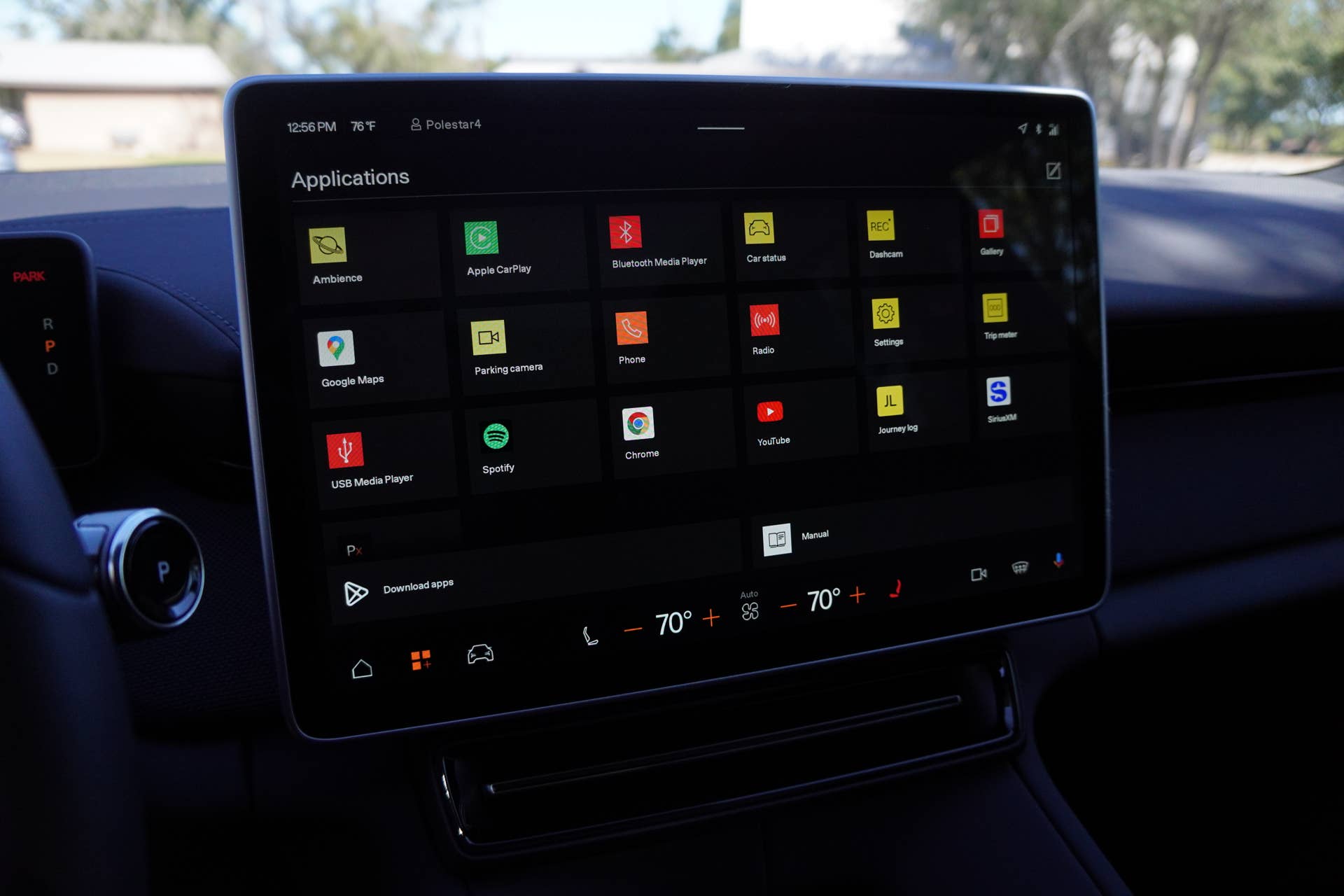
However, the main nebulus of the Polestar 4 is its screen, and at a whopping 15.4 inches, this landscape display acts as the car’s command center. Certain functions that would’ve otherwise required a knob, latch, or a set of buttons on a conventional vehicle, such as adjusting the mirrors and opening the glove box, required using the screen.
But while the car’s user interface took a little getting used to, Polestar insists that it was designed to be easy to use. Built on the backbone of Google’s Android Automotive, the smartphone software is built exclusively tailored for car infotainment systems (not Android Auto). Polestar’s design expert, Amil Gasanin, notes that its custom UI utilizes a “grid system” to make functions easy to find and highly customizable.
Like on an Android smartphone, the Polestar 4’s home screen is easily customizable, with widgets for frequently used apps like Google Maps, vehicle shortcuts, and even Spotify. A 10.2-inch rectangular cluster joins this screen in front of the steering wheel, which displays vehicle information like vehicle speed, gear position, and even the maps in a simplistic, uncluttered fashion.
James Ochoa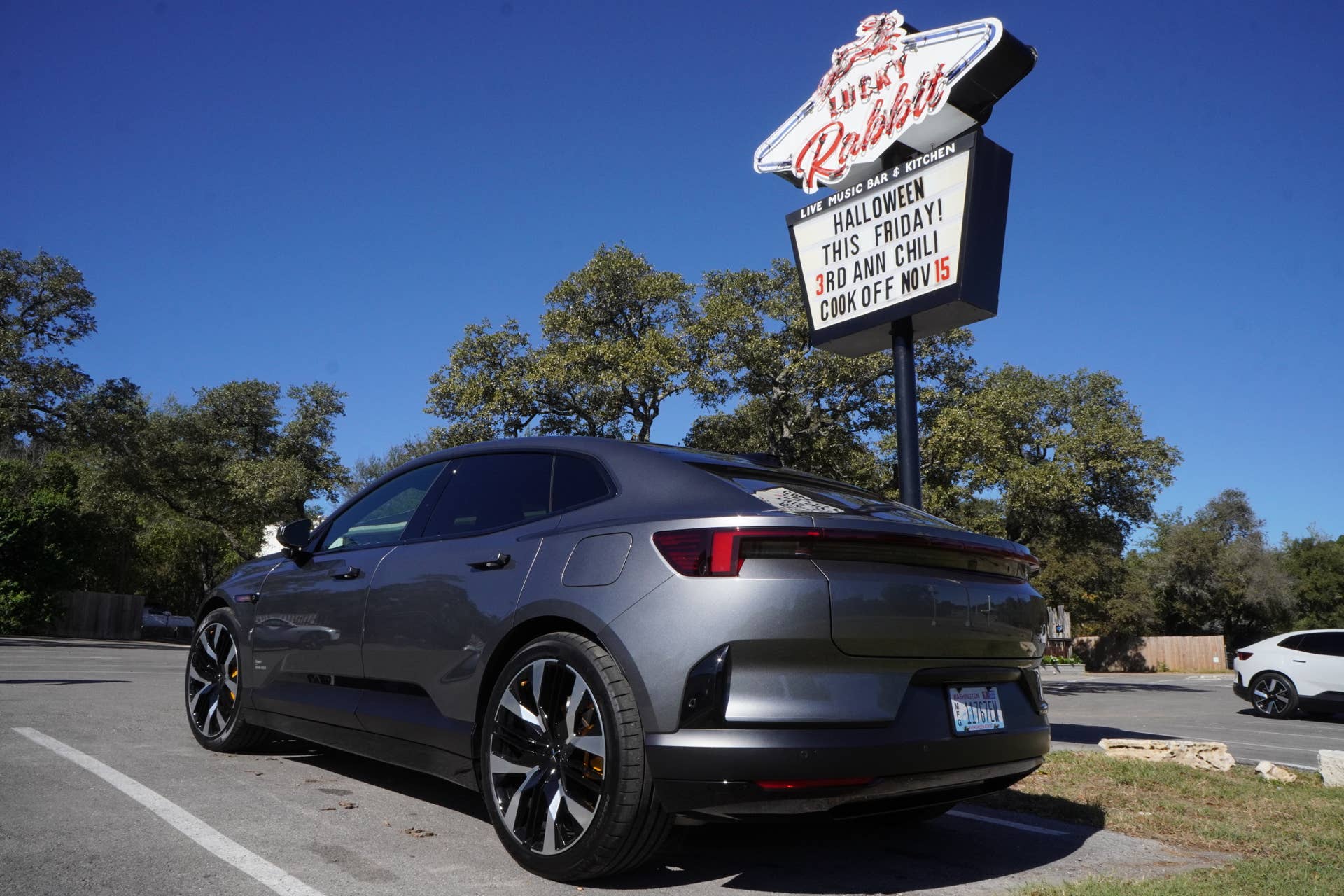
The Polestar 4’s driving experience reflects its performance roots.
The Polestar 4 comes in two powertrains, each very different from the other. The standard single-motor models are powered by a single rear-mounted 200kW electric motor that produces 272 horsepower and 253 lb-ft of torque. In comparison, the dual-motor models add another of the same motor up front, for combined figures of 544 horsepower and 506 lb-ft of torque.
Both models feature a 100kW battery. The single-motor model is EPA-rated for 310 miles of range, while the dual-motor models are EPA-rated for 280 miles of range.
I spent most of my time in Austin driving the dual-motor models, and I found their acceleration and torque to be virtually instantaneous. Polestar claims that dual-motor models accelerate from 0 to 60 mph in 3.8 seconds, while single-motor models do so in 6.9 seconds. Although I had limited time with the single-motor models, I found their speed to be fairly adequate for most of the “point A to point B” drivers on the road.
James Ochoa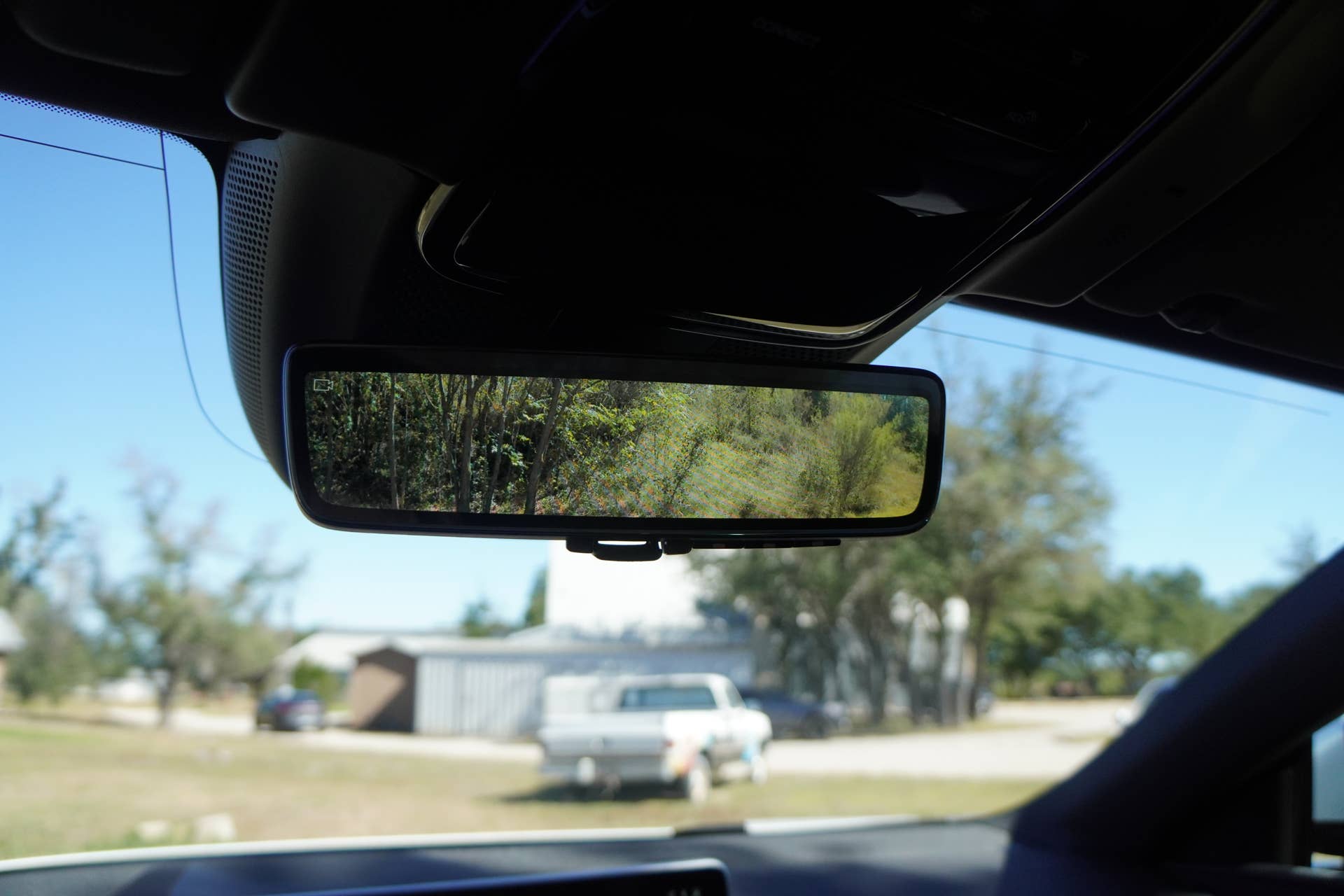
But apart from its performance, much of the Polestar 4’s driving experience is defined by the vehicle’s visibility. The lack of a rear windshield and the use of a digital view mirror may feel uncanny at first, but you get used to it after spending a considerable amount of time. The system feels appropriately designed; the camera feeding the picture to the digital mirror is installed in a location similar to where a third brake light would be on a hatchback, providing a view very similar to that of a rearview mirror.
While you can get a panoramic 180-degree view from the camera, the image lacked depth the first few times I peeked. In traffic, it felt as if I couldn’t seem to figure out if the person in the car behind me was tailing at a reasonable distance or riding my ass real close. However, this sensation softened the more I drove the car across downtown Austin and its Waymo-filled streets.
James Ochoa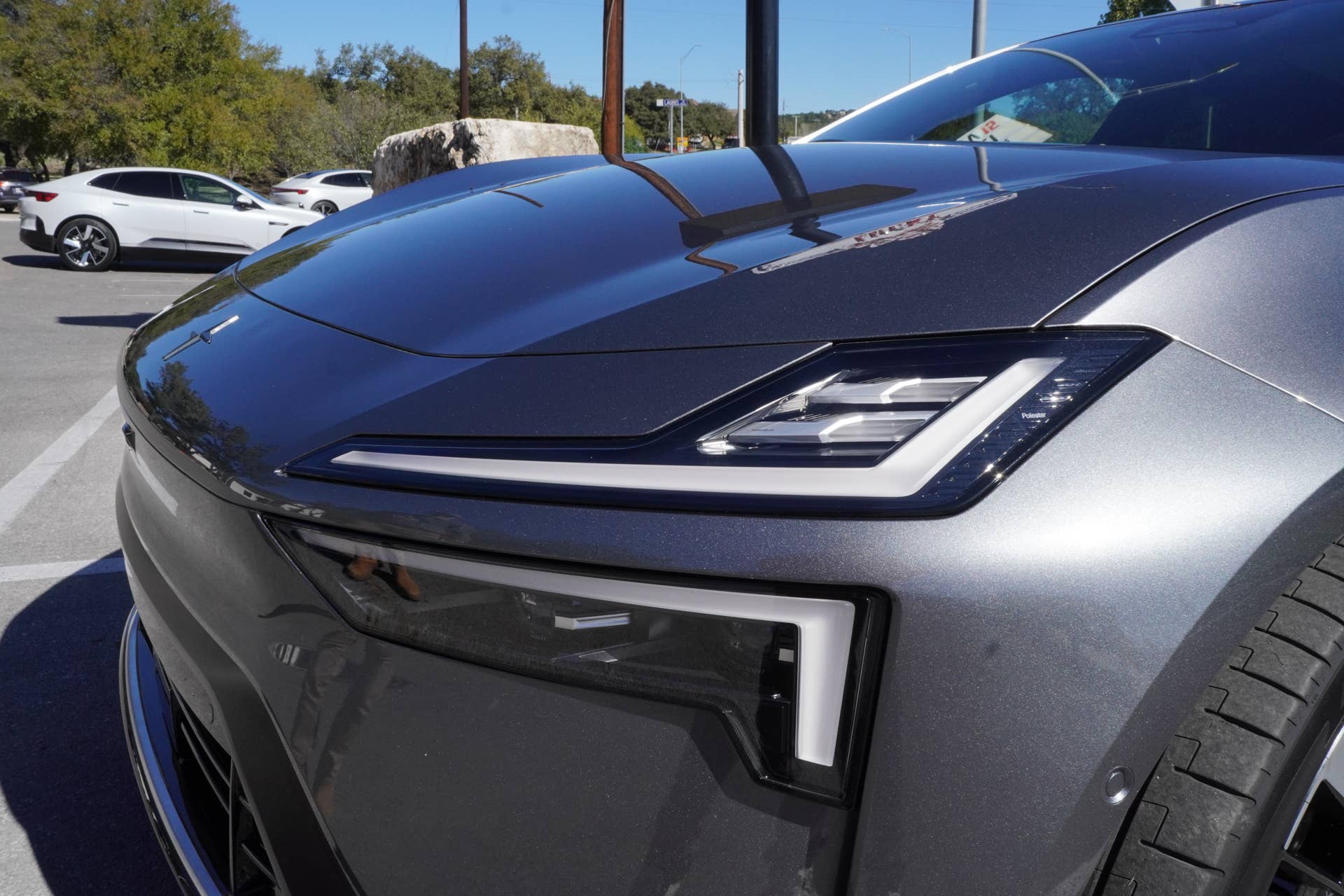
However, outside the Austin city limits are some properly twisty roads that showcase the Polestar 4’s handling profile—a big reminder that it used to make touring cars for a living. On the curvy, twisty roads outside Austin, the 4’s suspension reduced body roll to levels that make this crossover EV feel more like a nimble sports sedan from behind the wheel. According to Polestar, the standard single-motor cars are equipped with fixed coil springs and high-capacity passive dampers featuring internal rebound coil springs. In contrast, the dual-motor cars utilize semi-active, continuously controlled dampers with coil springs, which are adjustable in Standard, Nimble, and Firm settings.
What’s more, the accoutrements that come with the optional Performance pack amplify these sensations to 11, adding chassis tuning, a set of 22-inch wheels wrapped in sticky Pirelli P-Zero tires, and a set of 4-pot Brembo brakes. With these goodies on, this car felt more than ready for a spirited drive through the twisties; certainly better than most 5-seater family cars with gas or electric powertrains.
James Ochoa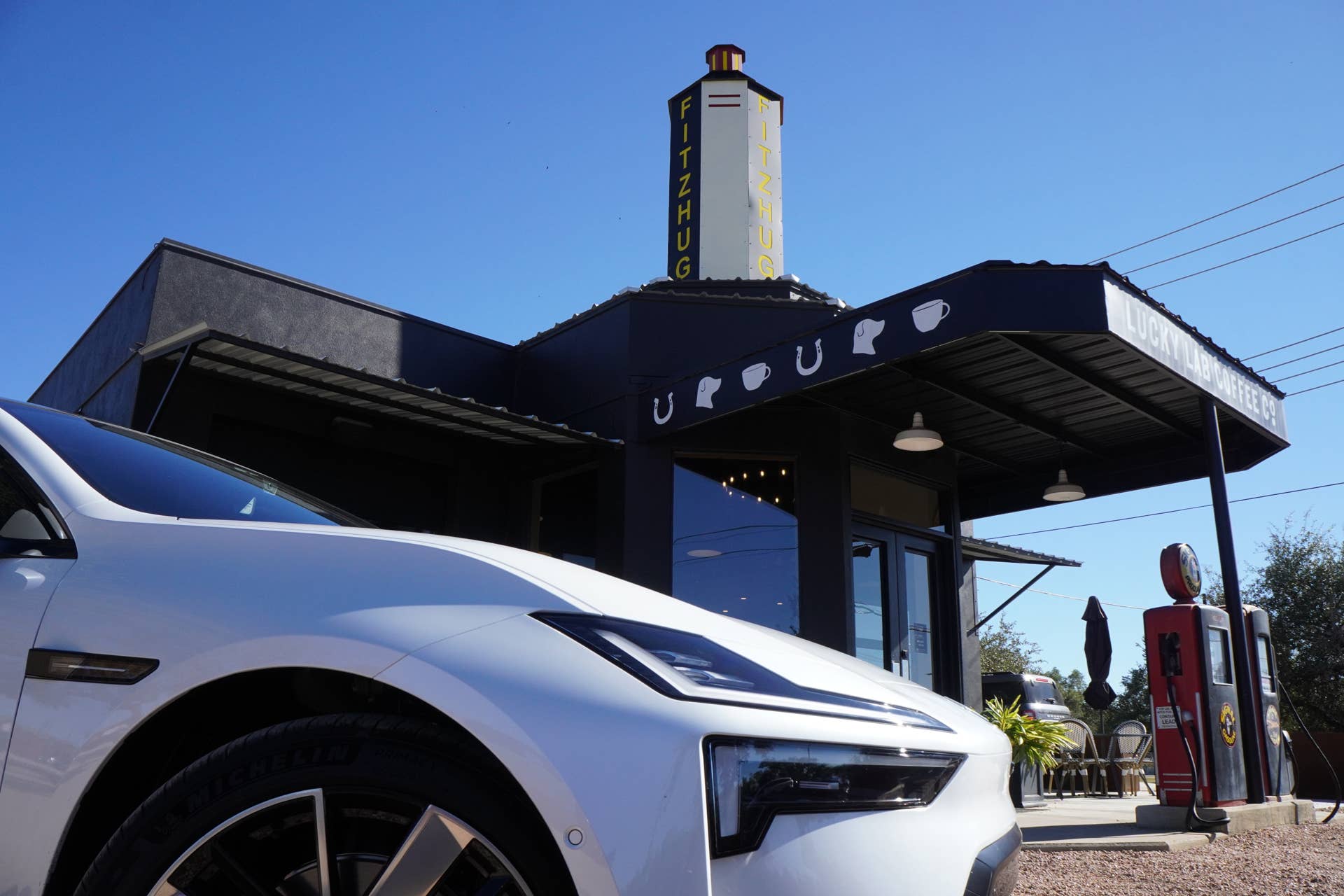
Some electronic functions were more of a burden than a convenience.
However, despite the Polestar 4’s minor faults, its most significant inconveniences stem from its electronic functions, which proved to be more cumbersome than convenient during my experience.
First things first, I found the driver’s attention warning system to be incredibly annoying. Typically, I drive cars while wearing polarized sunglasses, and when I had them on, the Polestar’s system wouldn’t hesitate to alert me to pay attention to the road, even though my head and eyes are aimed straight ahead. This wasn’t remedied at all by taking them off, as its eye-tracking was extremely hypersensitive to whatever movement my eyes were doing, whether it be looking at either side mirror to change lanes, or seeing behind me on the rear-view mirror, or even glancing at the big screen for any length of time longer than 3 milliseconds.
Worst of all, it gave me an alert whenever I’d squint my eyes, which tends to happen when I do not wear my polarized sunglasses behind the wheel.
James Ochoa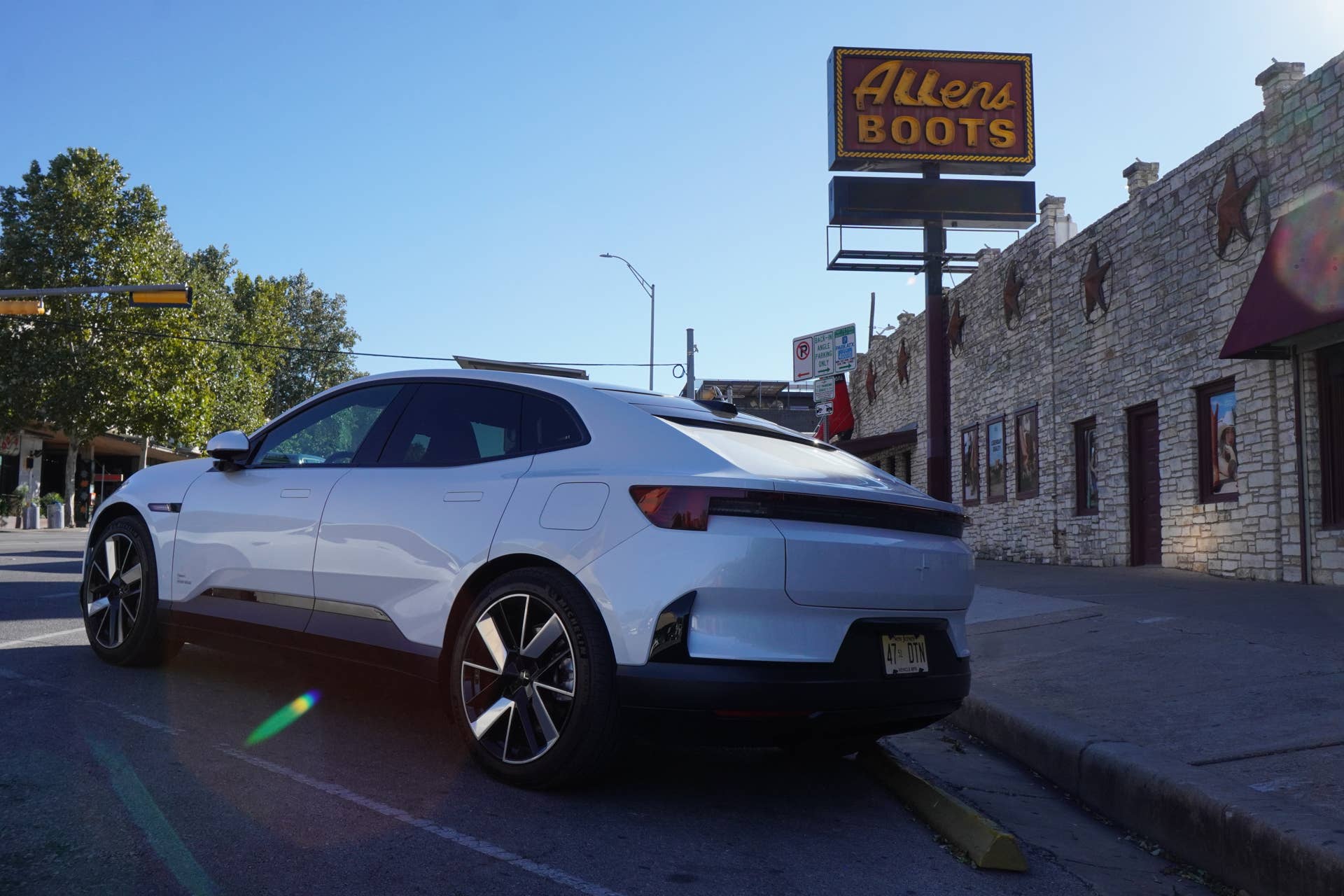
Final Thoughts
Austin feels like a perfect venue to form my first impressions of the Polestar 4, as this city’s dynamic setting feels like a crossroads between the past, the present, and the future. This car fits in this environment in more ways than one; here, pickup trucks of all flavors share the roads with Teslas, as well as autonomous Waymos that roam the city limits, much like New York City taxi cabs.
I first encountered this car at the 2024 New York International Auto Show, and while I found the lack of a rear window to be a funny and peculiar novelty, its real-life application is less dramatic than it seems at first. I say with a confident heart, as a driver honed by New York City’s and North Jersey’s temperamental and impatient motorists, it’ll feel more “normal” than you’d think; ignore your muscle memory of sticking your neck out when parallel parking.
Polestar views this model as one of its volume sellers, with a base price of $56,300 for the rear-wheel-drive model and $64,300 for the dual-motor all-wheel-drive model. Despite its minor quirks and digital growing pains, Polestar has a seller on its hands—if it can market the 4 to the kind of customer who would appreciate this sort of product.