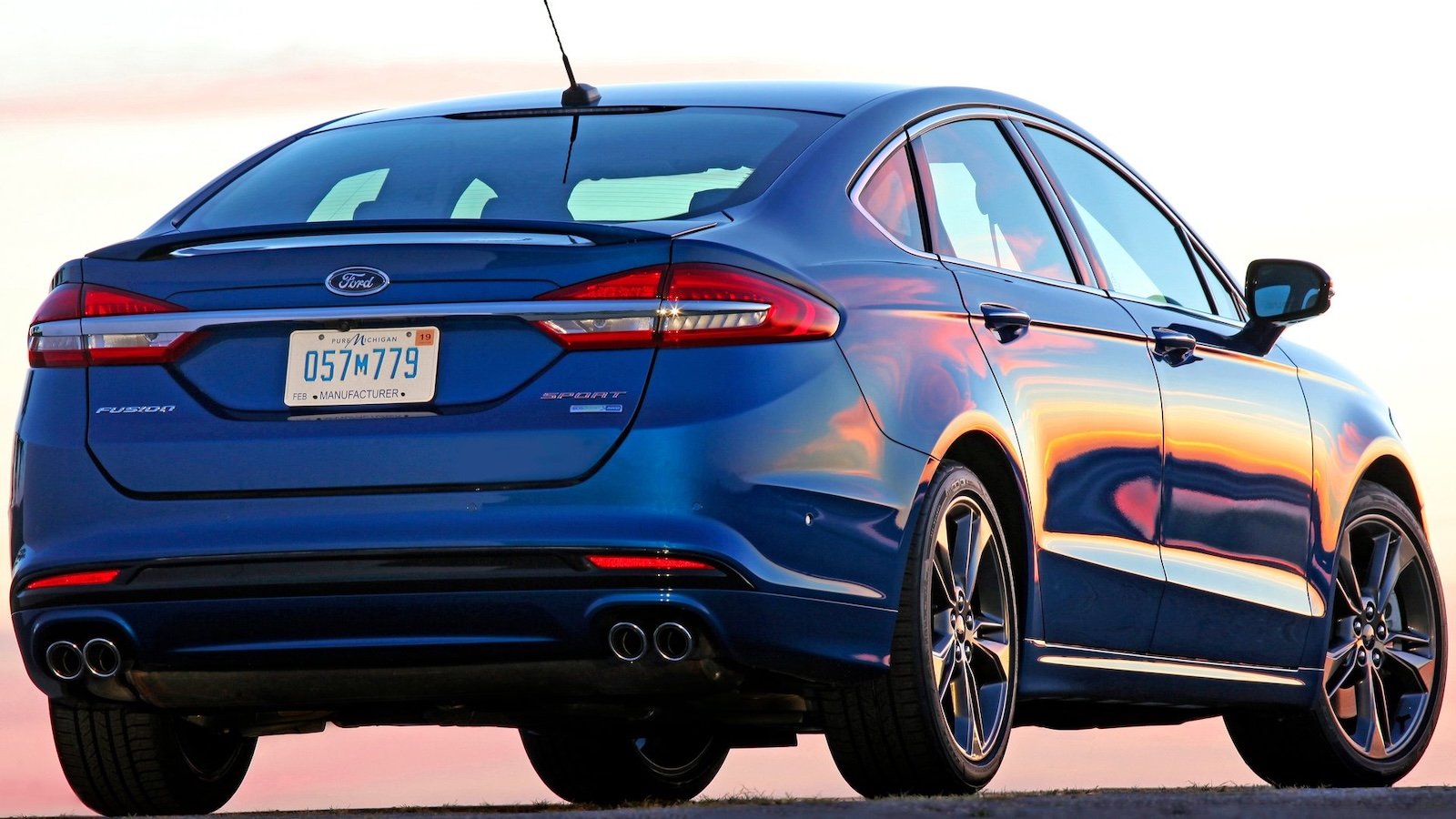
The term “Sport” is now absolutely meaningless when it comes to trim levels and model names. It could mean a cut-down, more budget-friendly version of something like the Range Rover Sport, it could be a base model, or it could be a slightly sporty appearance package that might have some mechanical changes. However, every so often, sport means sport. It sure did with the second-generation Ford Fusion Sport, which stealthily packed twin-turbo power.
Flash back to 2016, and the midsize sedan segment seems to be hanging in there. The two Japanese juggernauts known as the Toyota Camry and Honda Accord were obviously present, but there was so much more than that. Mazda would sell you the post-Ford-breakup thirst trap that was the third-generation Mazda 6, and Chrysler would sell you a 200 with a V6 and all-wheel-drive. Meanwhile, Volkswagen offered a VR6-powered Passat, and the second-generation Ford Fusion made waves for looking a bit like an Aston Martin, assuming it was a foggy night and you’d had eleven units of fernet.
However, the Fusion also had something that most midsize sedans didn’t have, and that was a platform that could accept a genuinely astonishing array of engines. Dropping the boosted V6 from a Lincoln MKX into a mainstream family sedan would likely create, if we consult the Viagra Boys rubric, a sport. A Ford Fusion Sport, to be specific.

So, what does the 2.7-liter twin-turbocharged V6 make? A stout 325 horsepower and a whopping 380 lb.-ft. of torque, enough to blow the entire mainstream midsize sedan segment into the middle of last week. Granted, the only transmission offered was a six-speed automatic, but all-wheel drive still helped the Fusion Sport to scoot from zero-to-60 mph in 5.1 seconds during Car and Driver instrumented testing. Plus, there was a little more to the Sport moniker than just power, as the magazine wrote:
Push the S button in the center of the new-for-’17 dial-operated shifter to sharpen the Sport’s reflexes. It tautens the adaptive-damping system, increases steering effort, quickens throttle response, and amps up the artificially enhanced engine sounds. The S button also engages a more aggressive shift program from the six-speed automatic transmission (a heavier-duty unit than in other Fusions) and gives you more control through the standard paddle shifters. It upshifts automatically at 6000 rpm no matter what you do with the paddles, but it will hold gears through corners and rev-match downshifts under braking. None of this changed the measurable on-track performance, but it does make driving the car more entertaining. The dampers, especially, did a great job of supporting aggressive assaults on curving roads while maintaining a ride quality that wouldn’t alarm your grandmother. Adaptive dampers are all but commonplace in pricier, near-luxury sedans and many crossover-utility vehicles but are overdue to trickle into the mass market.
Good stuff, but keep in mind that the Fusion Sport wasn’t the spiritual successor to the SVT Contour. Although the pothole-detecting suspension and added combustion fury worked wonders, we’re still looking at a 4,128-pound midsize sedan with electric power steering, a six-speed automatic, and open differentials. It’s not badged as an ST, it’s just well-damped and capable of running away from the rest of the midsize sedan pack. You know what? In daily driving, that’s probably enough.
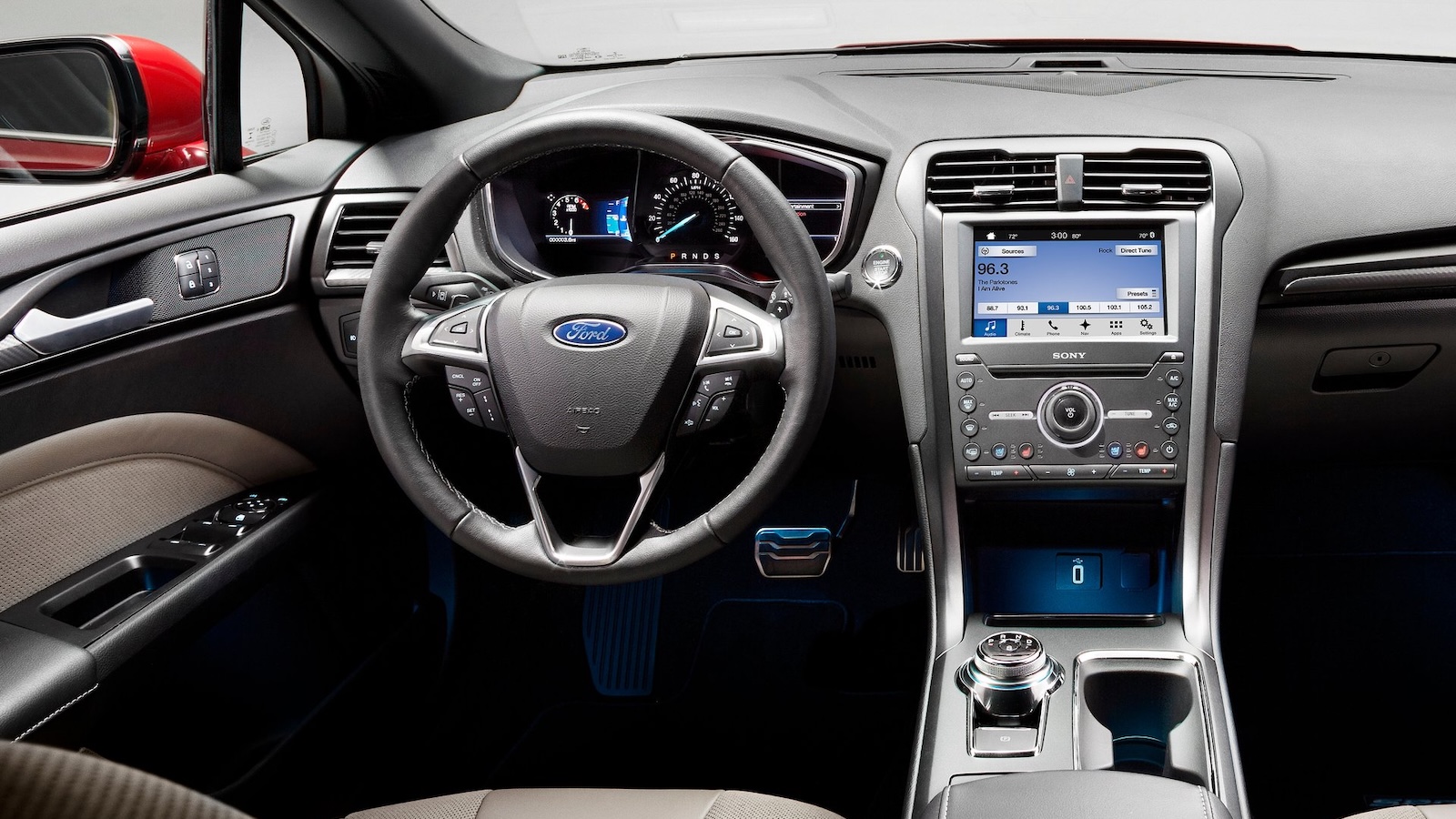
Then, just two years into the production run of the second-generation Fusion Sport, Ford dropped a bombshell. It was going to discontinue every sedan it sold in North America, and niche offerings were low-hanging fruit. As a result, the Fusion Sport bowed out after the 2019 model year, meaning this sleeper was only around for a rather limited time.
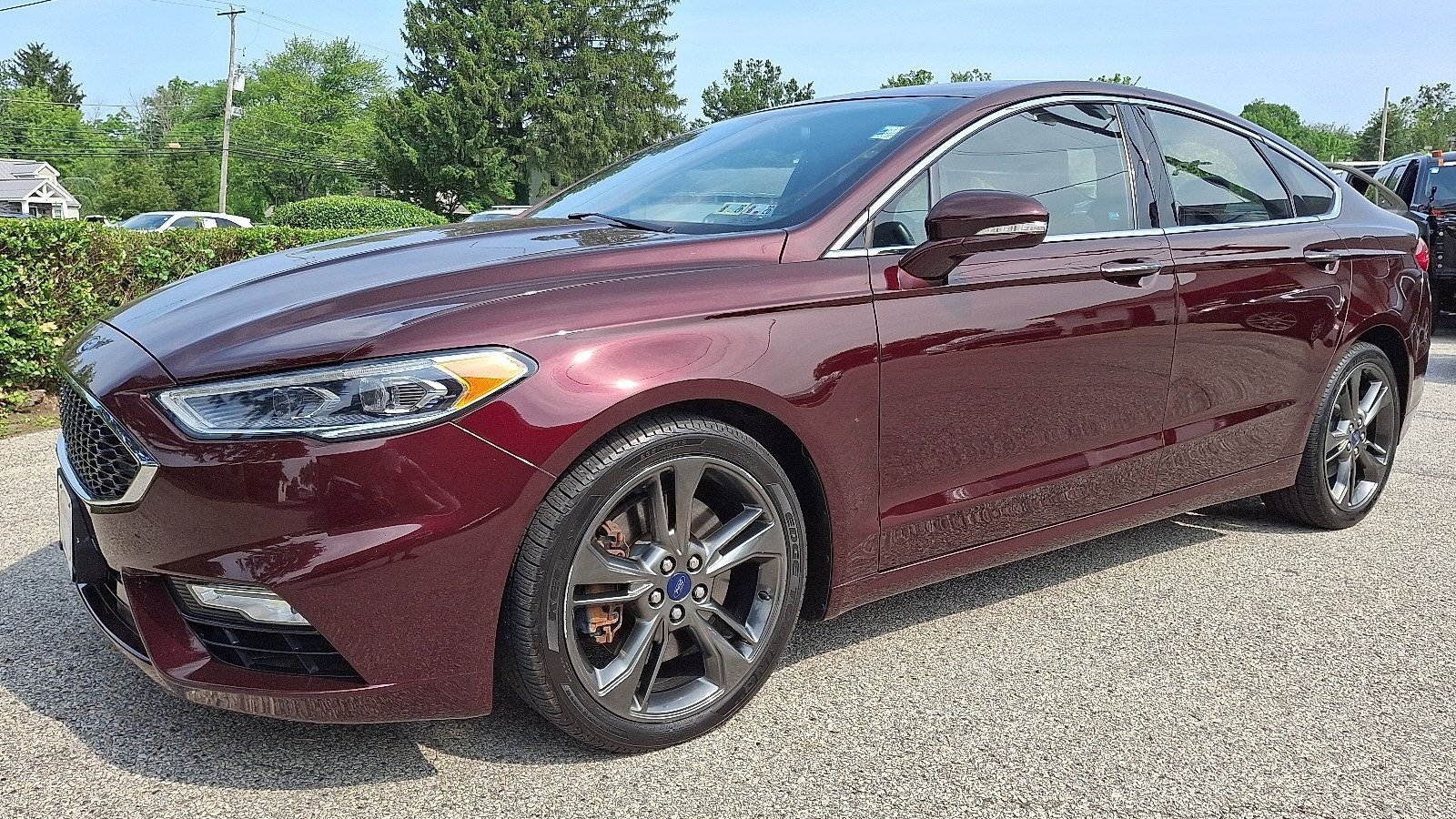
However, perhaps due to flying under the radar, you certainly won’t have to pay an arm and a leg if you’re shopping for a Fusion Sport in 2025. Want a low-mileage example in an actual color? This Burgundy Velvet 2017 example might be what you’re looking for. It’s up for sale in Pennsylvania with 63,365 miles on the clock for $17,282, has a clean history report, and is a perfectly sensible second-hand buy with a bit of a wild side.
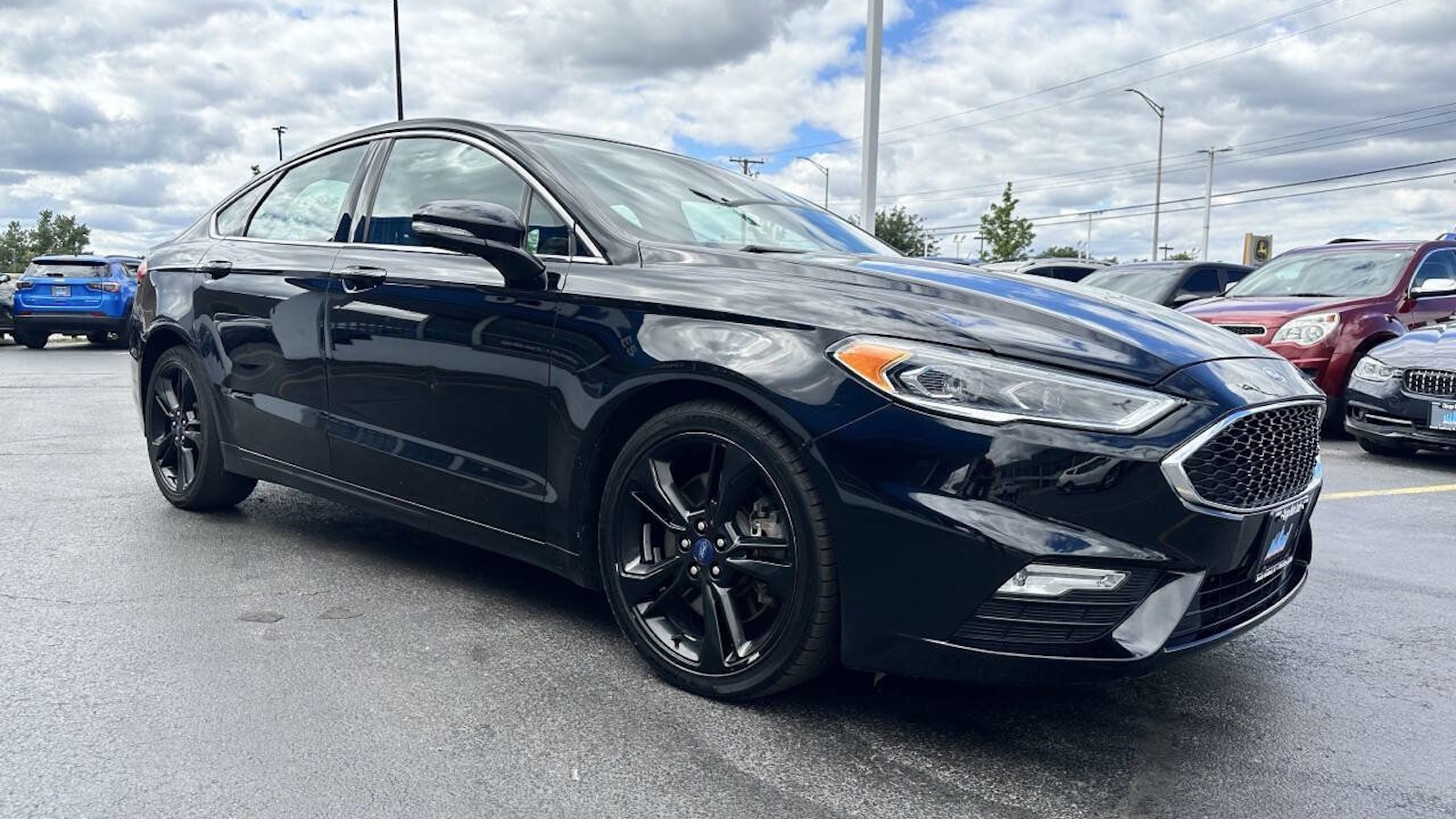
If you’re the type of person to sort your used car listing by cheapest first, there are Fusion Sports out there for you, too. Check out this mall goth-spec 2018 model with nigh-on 139,000 miles on the clock, up for sale in Illinois for a mere $10,950. That’s not a lot of dough for a 325-horsepower family sedan with Apple CarPlay, sueded upholstery, and LED headlights.
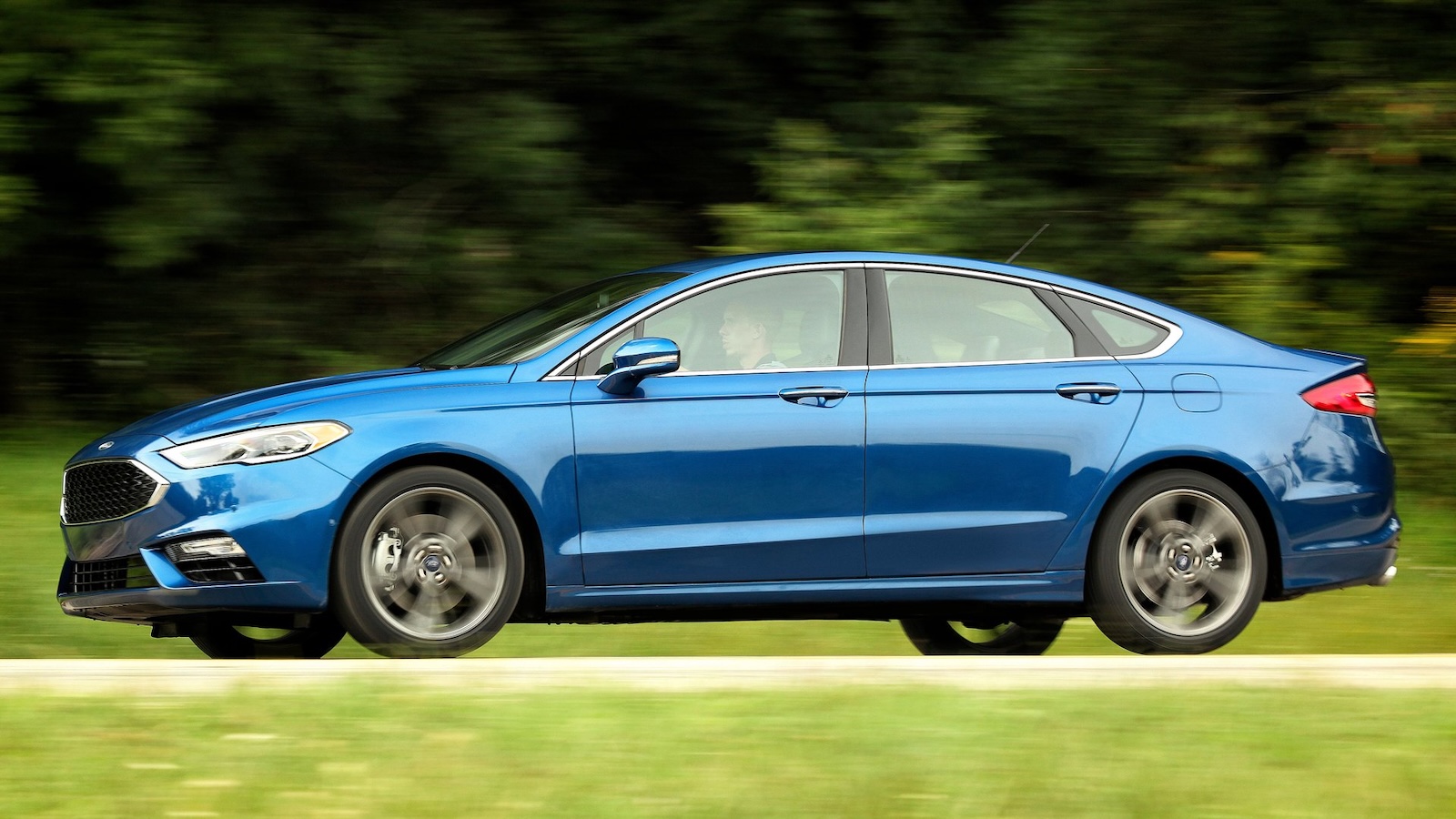
That being said, the oldest second-generation Ford Fusion Sport examples are knocking on the door of a decade old, so what can you expect to go wrong? Well, some models built in 2016 and on New Year’s Day 2017 had valve guide issues, resulting in excessive oil consumption. According to a technical service bulletin, the solution is to replace one or both cylinder heads. While not every Fusion Sport built in 2016 is affected, it’s worth checking for smoke and oil consumption. However, there really isn’t much that goes wrong on these cars beyond that. Battery drain issues caused by cycling CD players were largely fixed by a software update. You might encounter a leaky oil pan that’s fixable with a new part, and that’s about it. Not bad, all things considered.
If you’re shopping for a second-hand family car and want one with some kick to it, why not check out a second-generation Ford Fusion Sport? It’s quick, roomy, well-equipped, and generally seem fairly stout. Sure, it won’t hang with a sport compact car in the corners, but it’ll give you a thrill when you’re hammering down an on-ramp.
Top graphic image: Ford
Support our mission of championing car culture by becoming an Official Autopian Member.
The post The 325-Horsepower Ford Fusion Sport Is A Wolf In Rental Car Clothing appeared first on The Autopian.

