Not everyone is happy when certain vaunted car names are revived on vehicles that they deem less than worthy. Few K5 fans or former owners of Mitsubishi’s cool Diamond-Star coupes were happy with the new Chevy Blazer or EclipseCross models. Even the frumpy old slant six Dodge Dart resonated with buyers far better than the short-lived front drive sedan from a few years back. However, for today’s Pontiac Pthursday we’re going to revisit what might be the worst resurrection of a great name with a rather subpar subcompact; one that should have easily been a winner.
Let’s go back to the famous Pontiac TV spot. If you’re a millennial or younger you’ll probably cringe at this television ad from the late eighties, but you have to admit that the sight of manual shifters feverishly grabbing gears and oversteering black Firebird GTAs or Fieros going nearly airborne (what? No “do not attempt”?) makes you want to go out and find a surviving example RIGHT now and RIIIDE.
As you watch the commercial numerous times, you start to notice one car that’s a bit of an interloper. No, it’s not the Grand Am or the Sunbird Turbo; that fun J-car had a 165 horsepower turbocharged motor that could let anyone know what the meaning of “torque steer” was. No, the car I’m talking about is that little hatchback you see in small snippets. Right before it appears, a “Le Mans” badge scrolls across the screen. Are you telling me that hallowed nameplate was put onto a lowly econobox? Yes, and it’s worse than you think.
We Never Got A Pontiac Pickup Though

You wouldn’t darken the door of a Sushi restaurant expecting to get decent fajitas, would you? A store that specializes in skis likely won’t be a go-to for mountain climbing gear, right? That seems like basic logic that car companies should have followed as well. Poor sales of cars like the Mazda 929 luxury sedan and Subaru SVX GT car proved that some segments of the car market are pretty much out of reach for certain automotive nameplates. However, this common sense didn’t apply to a lot of car brands in years past. At one point, General Motors had four key car brands, and even though Chevy, Pontiac, Olds, and Buick were each aimed at very different markets, they all just had to have something to sell for everyone. Pontiac was a sports coupe and mid-sized car juggernaut, but their dealers demanded an entry-level econobox to fight the similar products from, among others, competing GM brands. And you wonder how it took them so long to go bankrupt?
In Pontiac’s case, the little cars it received were clones of the ill-fated Chevrolet Vega and Monza, but later Pontiac did finally get their own version of the ‘Vette. Sadly, it was the Chevette that graced Pontiac showrooms as a model called the T-1000 starting in 1981. Beyond the badges and grille up front, it was every bit identical and as miserable as the Chevrolet edition of the Shove-It; a car seemingly ten years behind the times when it was introduced in 1976.
When the Chevette finally bit the dust after 1987, Chevrolet found far better replacements with Isuzu and Suzuki-made subcompacts that were legitimate competitors to Mazdas and Nissans. Pontiac took a different path for 1988; one that might have looked good on paper but in reality barely cleared the very low bar set by the T-1000.
The Renault Alliance Was Car Of The Year, Too
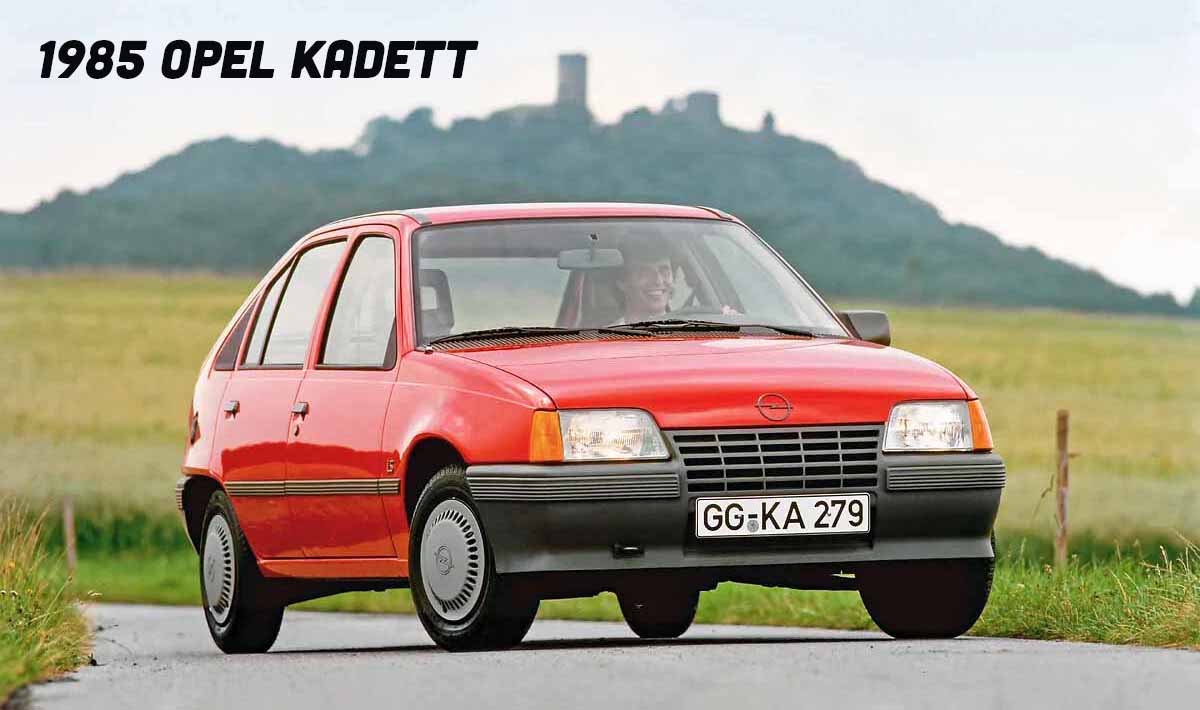
Automotive awards are occasionally accused of being hogwash, but it is worth noting that the European Car of the Year was supposedly decided by a group of pesky automotive journalists. For 1985, the winner was a General Motors vehicle: the new Opel Kadett, also sold in the UK as the Vauxhall Astra.
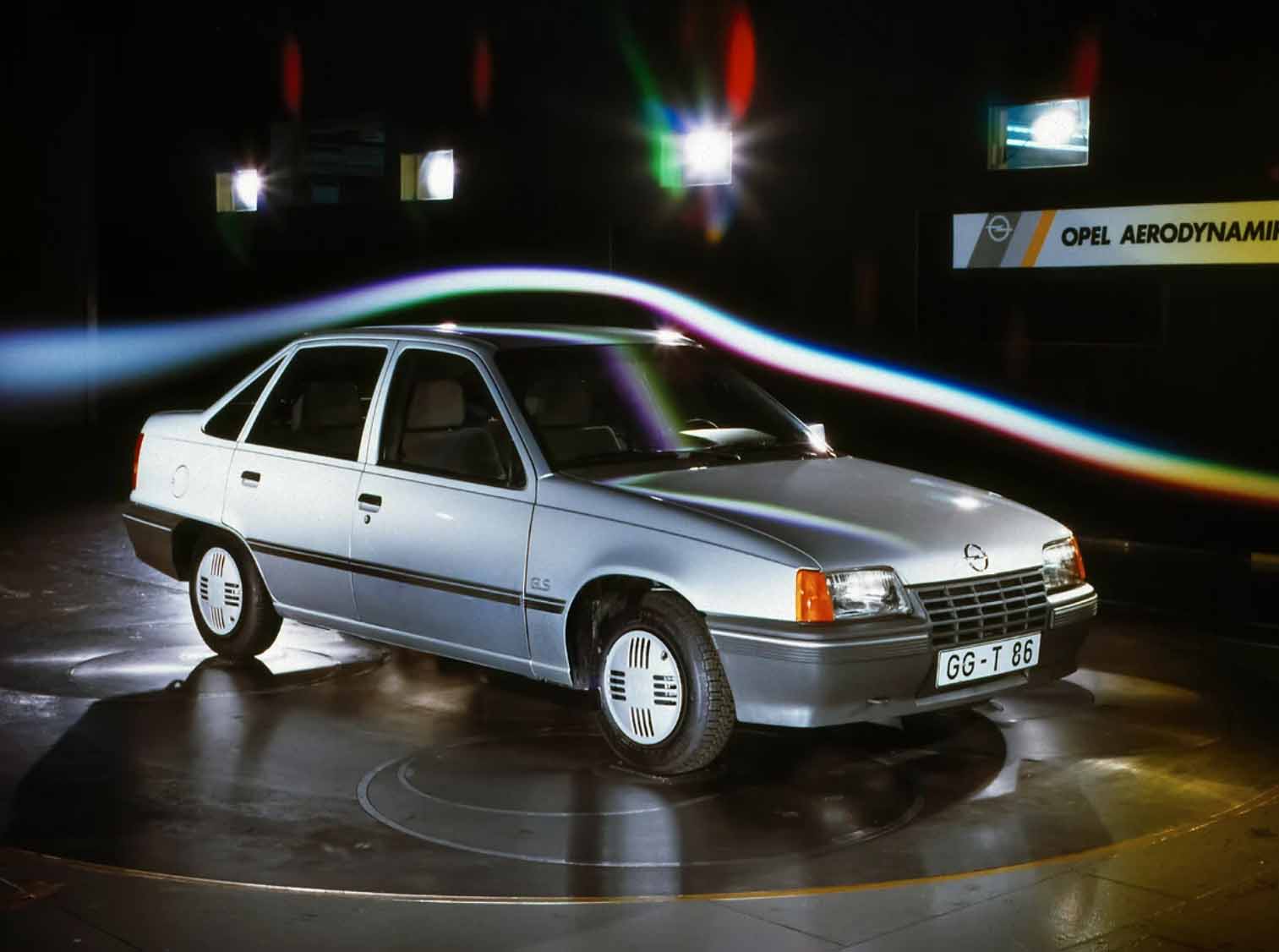
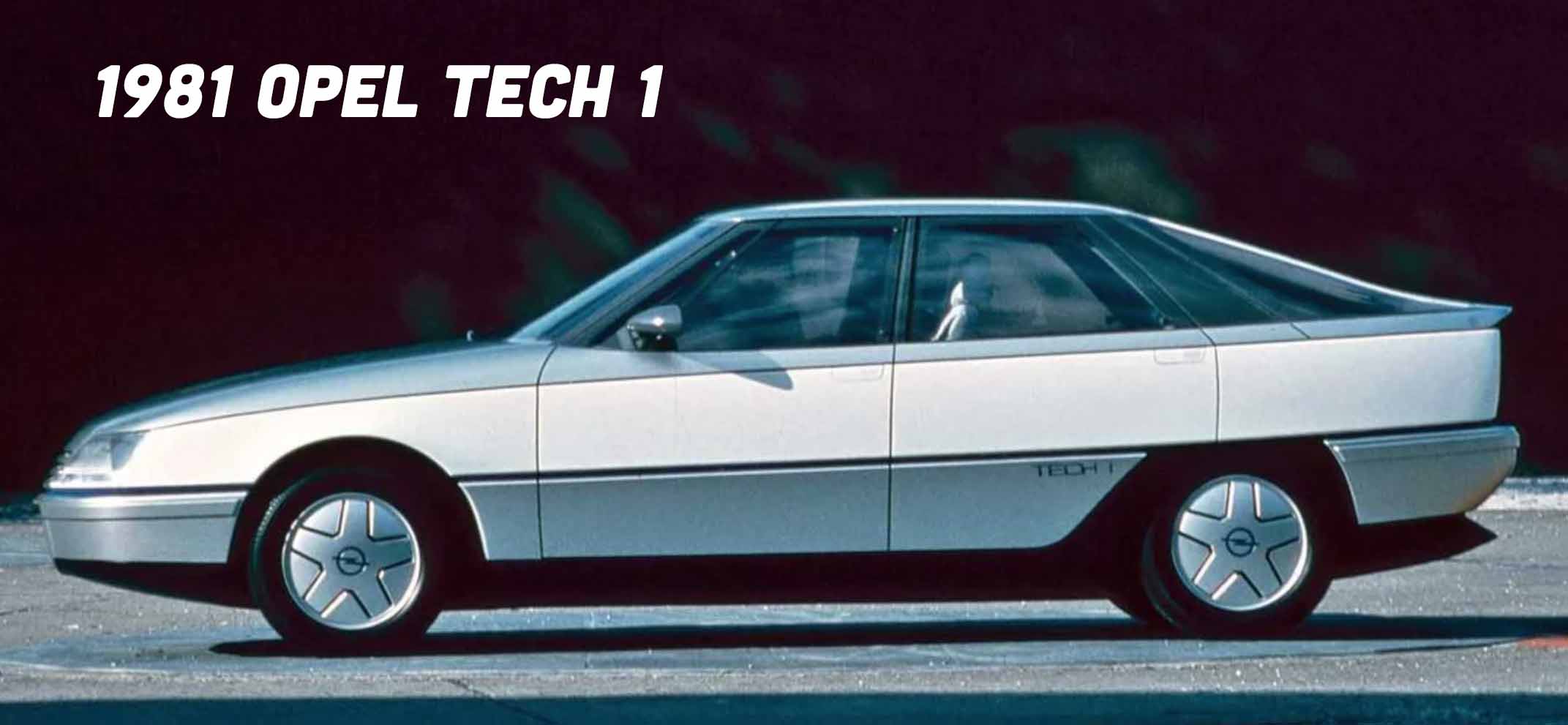
One of the most aerodynamic subcompacts of the day, the new Kadett was a surprisingly true-to-the-concept production version of the stunning 1981 Opel Tech 1 show car:
Unlike the often-lambasted Motor Trend Car of the Year, the European title is decided by a team of sixty international journalists and won in times past by things like the Porsche 928 and NSU Ro80. You have to figure that if the little Opel took the title, it couldn’t have been that bad. Vauxhall’s version was well received, according to AROnline:
The initial verdict was promising, if not euphoric. Motor, in its pre-launch August 1984 twin test between the 1300L and VW’s (Golf)1.3GL, praised the Vauxhall’s extra cabin and boot space, smoother ride and impressive refinement at speed. ‘Almost two inches more front legroom than the Golf, a bigger boot and markedly better refinement…’ the magazine reported, while noting that the Astra’s lighter steering was less precise when pushed. In practical terms, it was ahead – in driver feel, the VW still had the edge.
Tests of the Opel version yielded similar opinions, and ultimately the Kadett became the second-best-selling car in Germany, right below that venerable Golf.
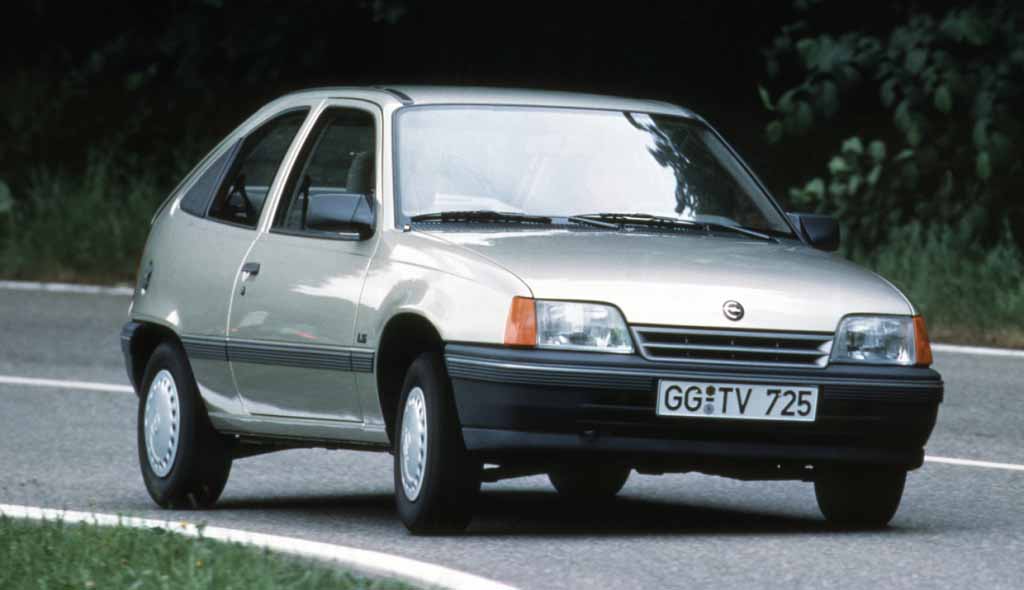
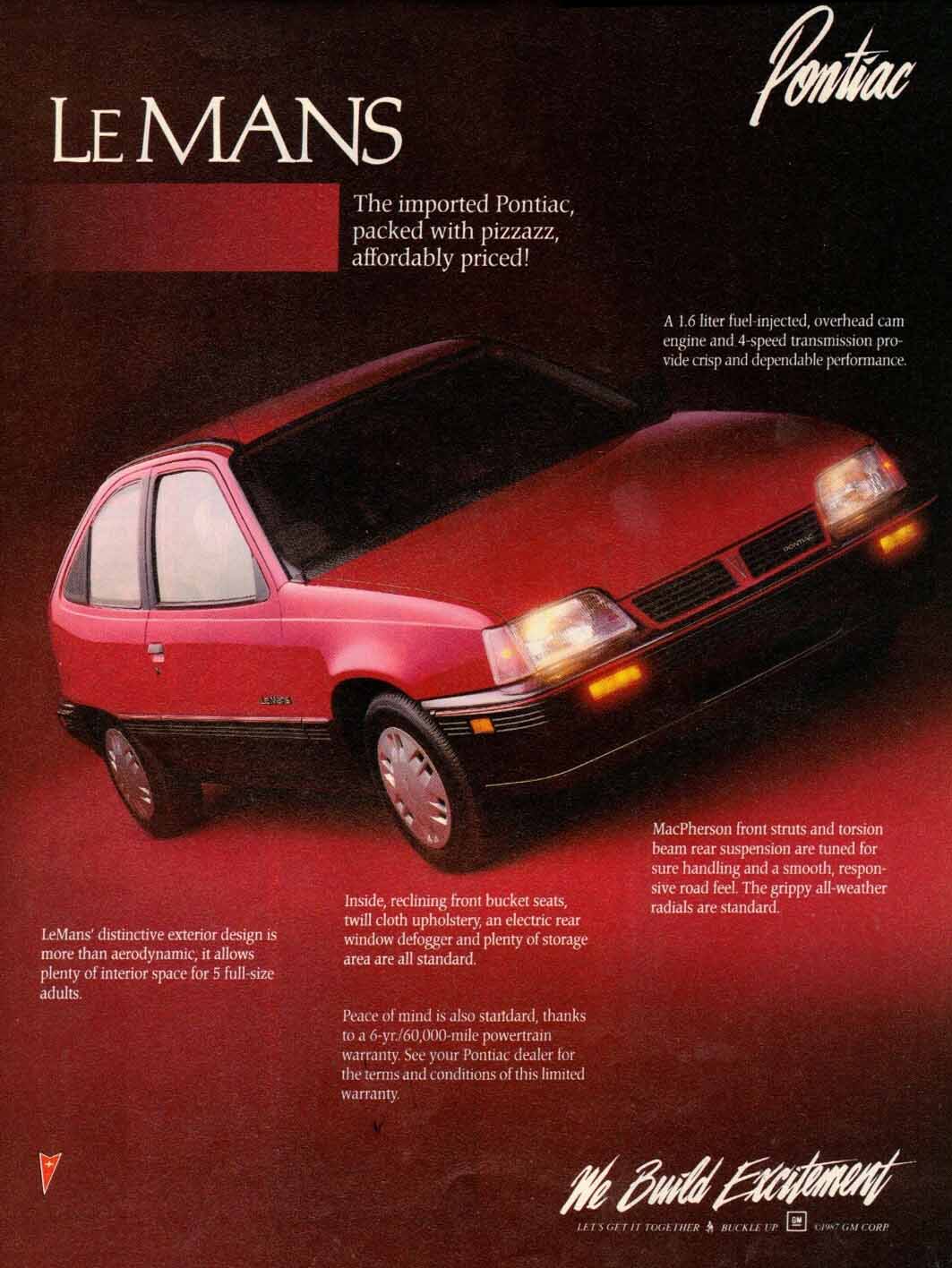
Imported to North America, you’d assume that the Kadett would have been a worthy competitor for other subcompacts but German labor costs and an unfavorable dollar-to-Deutschmark exchange rate put paid to that idea. No, GM would import the Korean-built Daewoo clone of the Kadett to the Brand of Excitement and plaster on the name of legendary Pontiac: the LeMans. Such blasphemy.
Sold Its Seoul
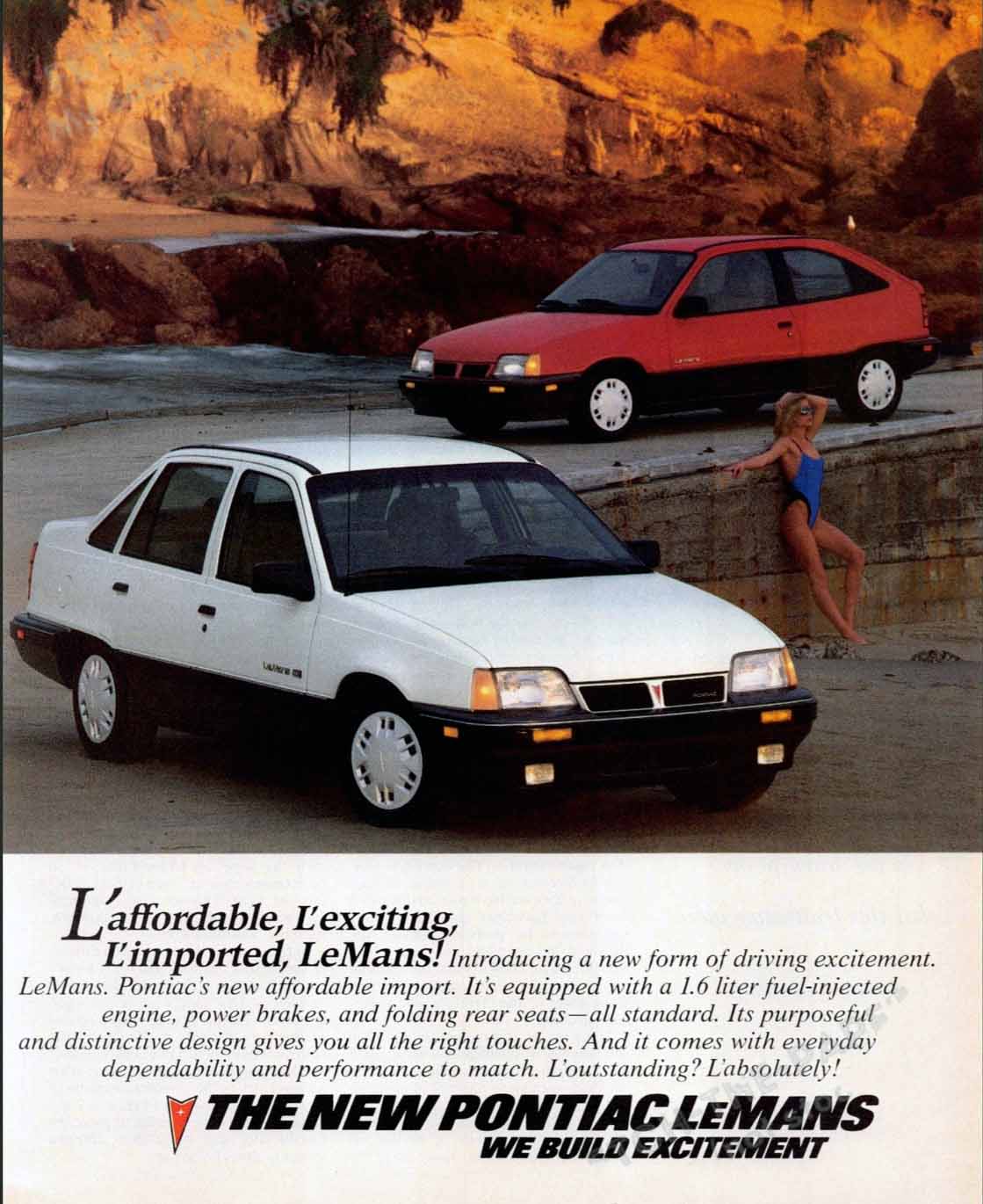
It’s hard to imagine with the likes of Genesis today, but in the late Eighties, the quality of Korean-made imports was probably better than that of a Yugoslavian car, but still more than a bit lacking. Even if you gave a Korean factory a car to build that was crowned “Car of the Year” when assembled elsewhere, the product emerging at the end of the line had a good chance of being less than stellar (Hyundai Stellar pun not intended). For the Pontiac LeMans, that’s exactly what happened.
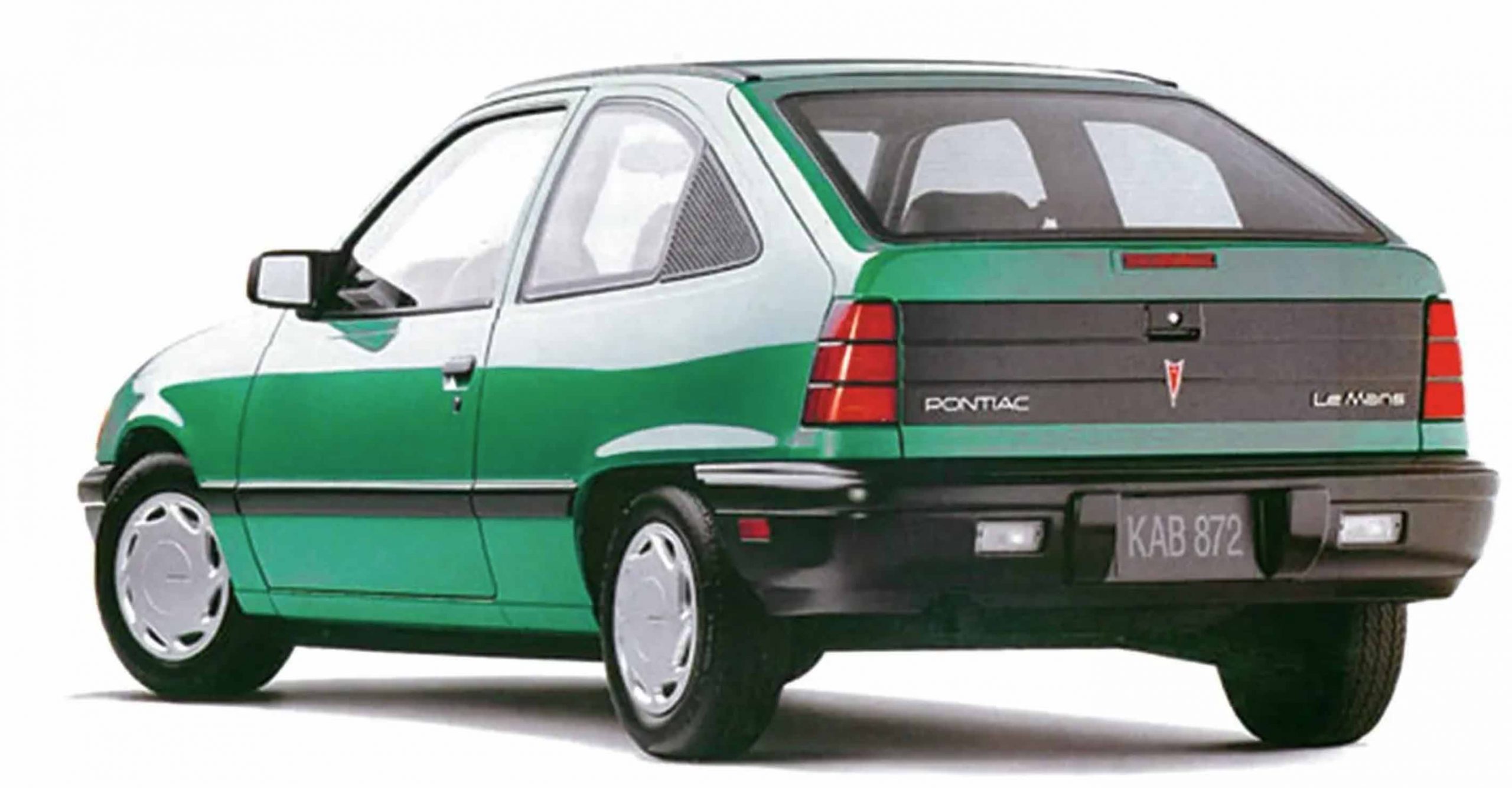
The German styling was still rather fetching for a subcompact even three years after the world had first seen the LeMans, but while it looked good from afar, it was far from all good. The structure was anything but VW-tight, and fit and finish wasn’t up to Japanese levels. You can see that the overall design isn’t that bad at all, but cheap, brittle plastics dominated the interior. That upholstery and a lack of color choice added to the depressing environment that could have easily been elevated for not much extra spend.
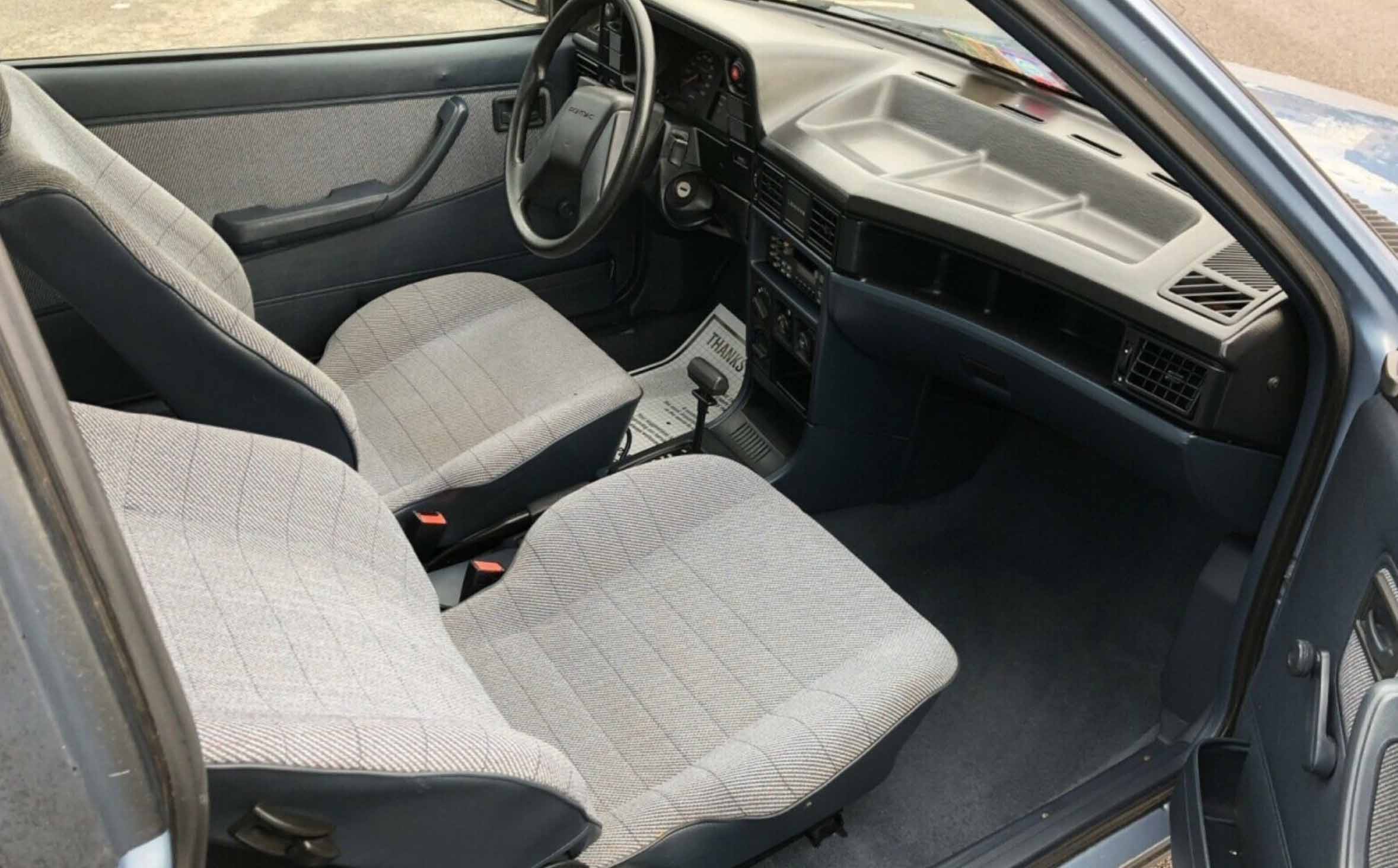
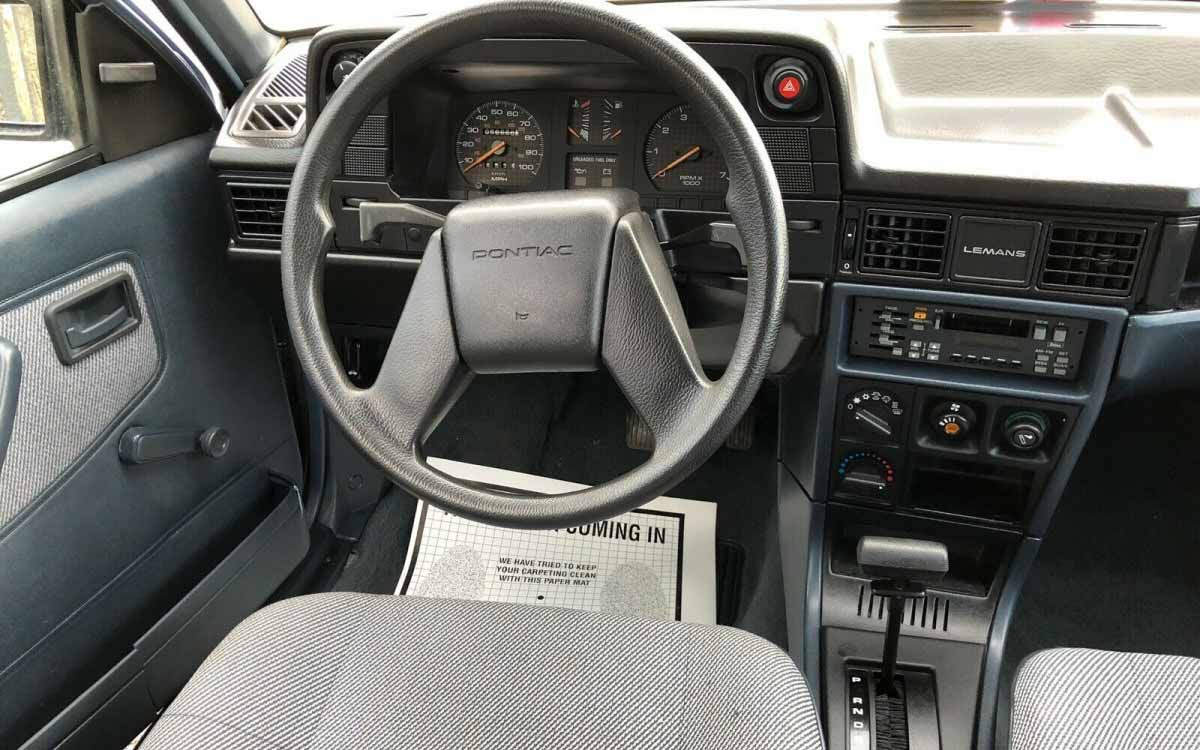
In this Motorweek test, you can see that any of the “Car of the Year” worthy handling somehow got lost on the trip to Korea and back to America, particularly the slow steering.
Look at how it almost spins out in the slalom test!
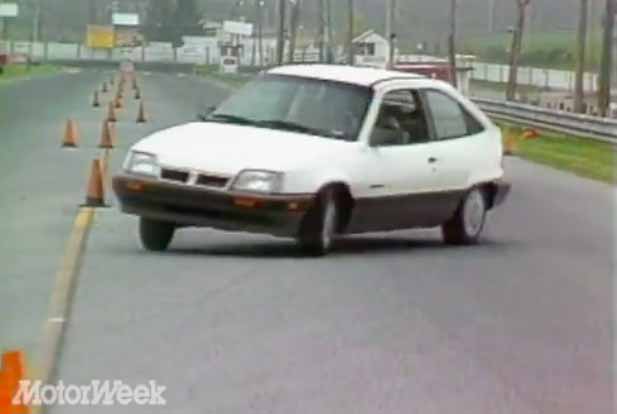
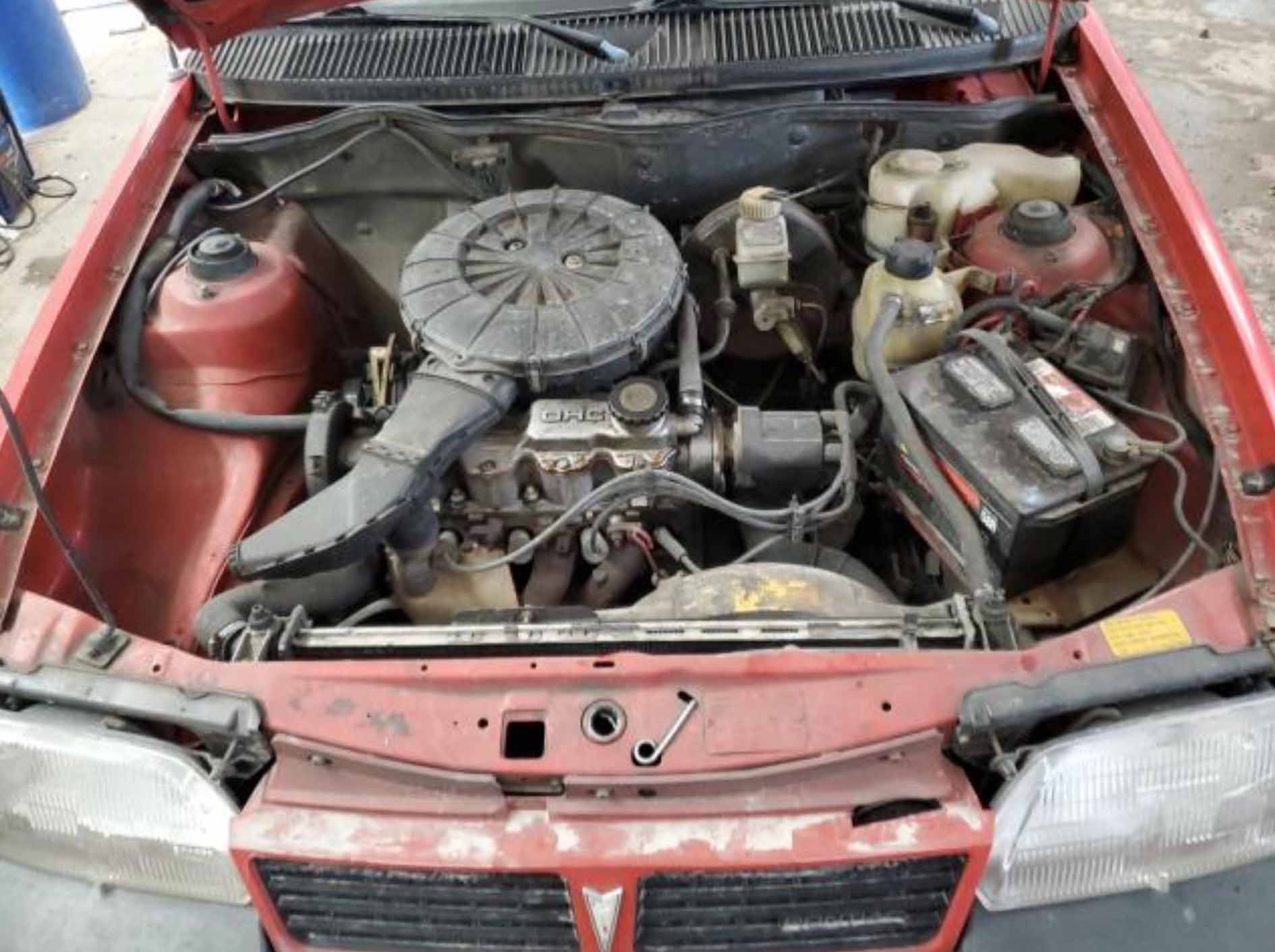
The motor isn’t faulted much in this test by Our Hero John Davis, but it’s worth noting that this early test car boasted an Opel mill; later Korean-built engines might not have lived up to the promise of the German four.
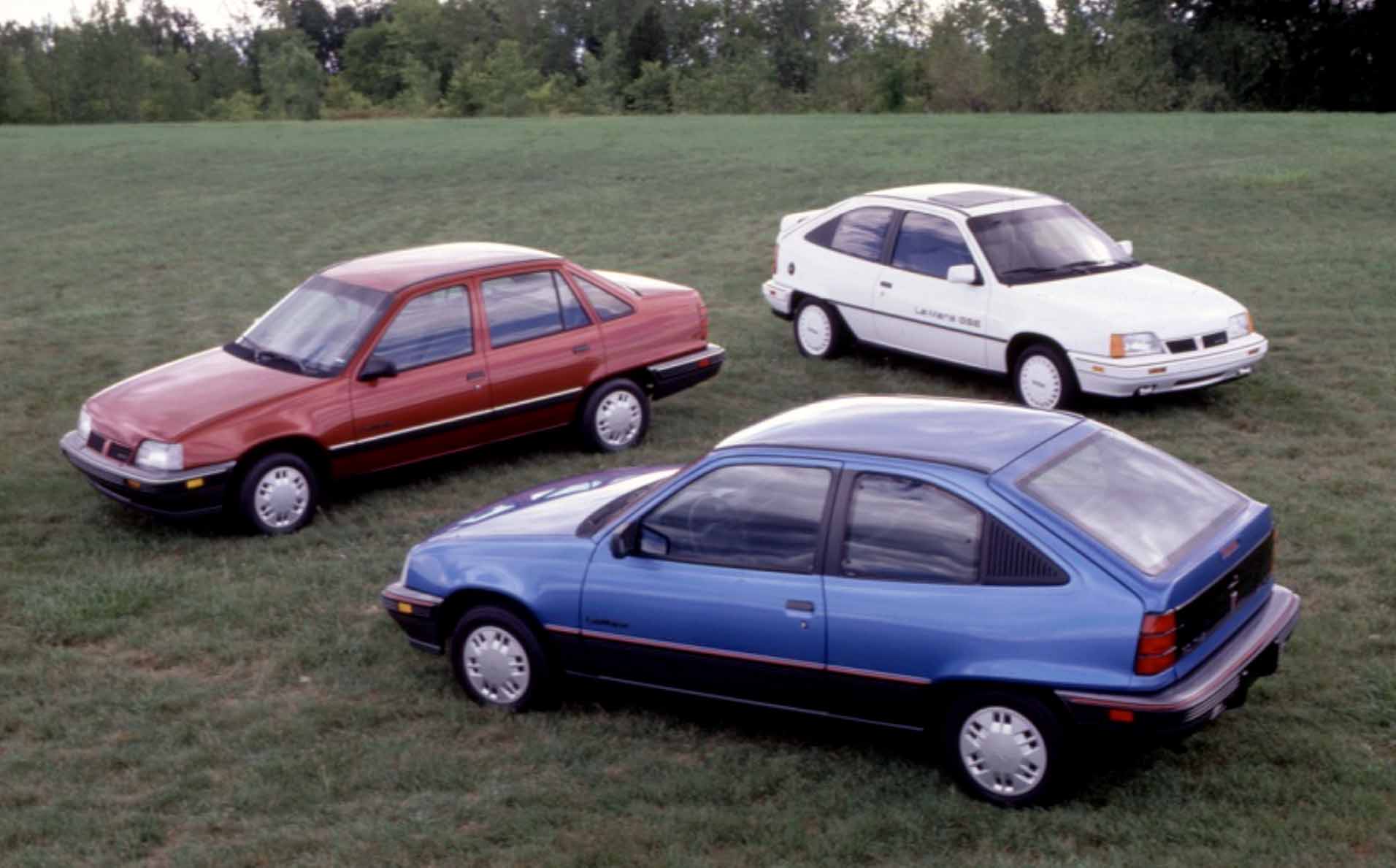
While the Opel and Vauxhall versions came in a wide variety of body styles, like wagons and even a convertible, Pontiac only sold the three-door hatchback and four-door sedan.
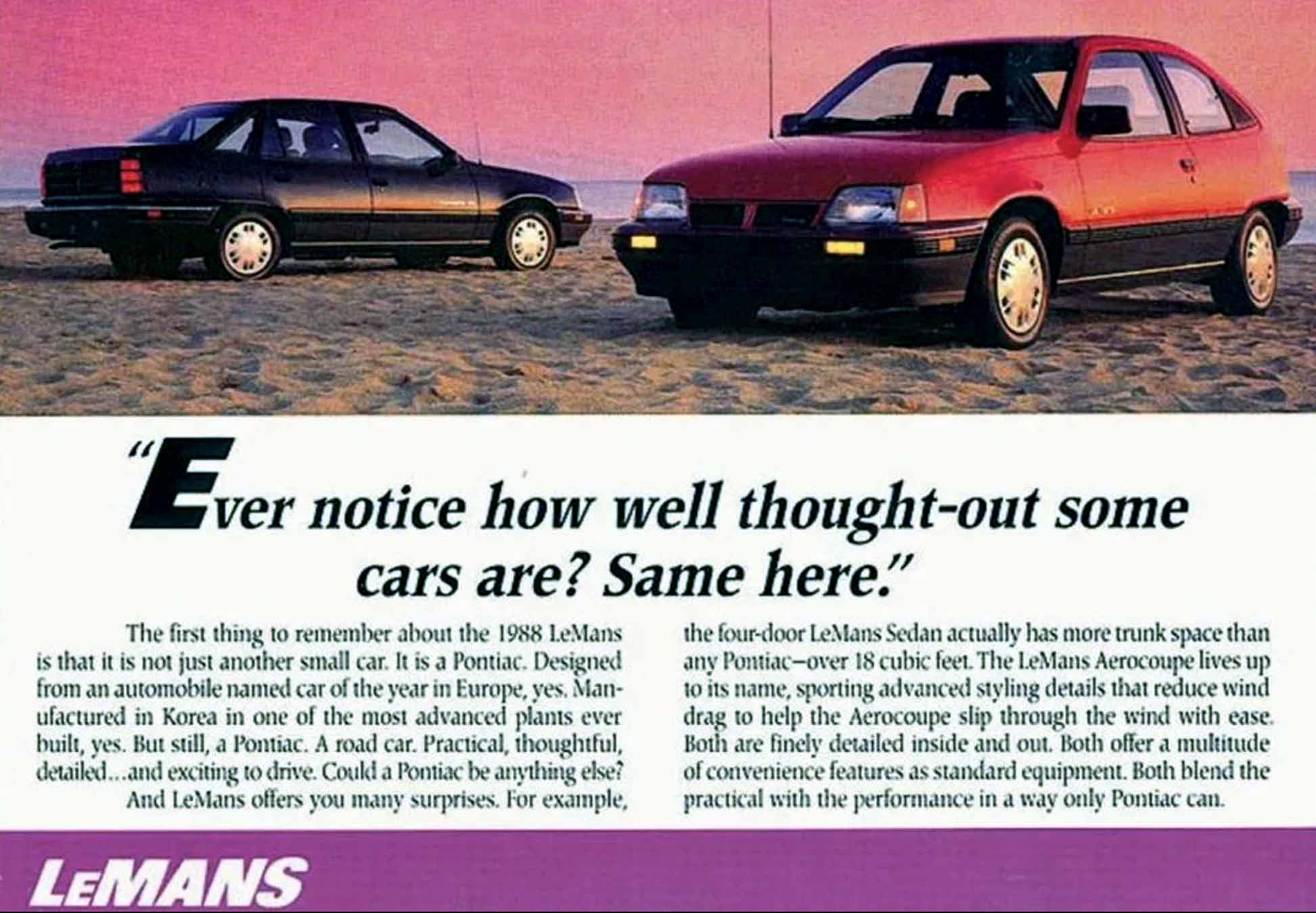
The sedan, according to the ads, offered more trunk space than any other Pontiac. Even the Caprice-based Parisienne? Really? If so, that’s impressive.
General Motors did offer a LeMans in the Kadett’s hotter “GSE” trim level, which included Recaro-like seats, body-colored fittings, a spoiler, 14-inch wheels, and a 95-horsepower Australian-built two-liter engine similar to what was used in that year’s Sunbird. This thing’s specs promised it to be a GTI fighter with an aero body, but with the lack of refinement and poor execution, the ingredients didn’t add up. Also, at around $11,000, the GSE ended up with a sticker price that was more than the larger Sunbird or, unbelievably, a Honda Civic Si. Now, nobody paid sticker price for any of these cars; the LeMans was likely heavily discounted from the start, and nobody got out of a 1980s Honda dealer without getting gouged for thousands (and trust me, it was worth it). But it was obvious that the GSE wasn’t competitive.


Regardless of these reservations, the styling and spaciousness of the LeMans won over 100,000 buyers in 1988, but it wouldn’t last. The car’s tendency to fall apart became apparent early on, and American GM executives were supposedly at odds with Daewoo’s seeming inability to resolve these quality issues. By 1990, sales had dropped below 40,000 units, and the GSE was discontinued. Pontiac and especially Pontiac’s dealers had all but given up on the car, as only around 19,000 found homes in 1992 and a mere 8,000 in the next and final year of the Daewoo-built LeMans.
If you’d like to buy one today, I’m not sure why. My guess is that if you left one on the street with the keys in it, you’d come back to another one parked next to it. In doing image searches for this LeMans, the images I saw were either from a brochure or of a derelict example sitting in a junk yard; my usual prompt of “car for sale” yielded little. To be fair, most examples of econoboxes of this era have been used up and thrown out by now, where a several-hundred-dollar repair rendered them as write-offs. Still, these early Korean imports seemed to end up as doorstops much earlier.
Replace The “A” With An “O” And You Have It
You can’t fault Pontiac for trying; if sixty European journalists select something as the best new car of the year, you’d think it couldn’t miss. Sadly, the little LeMans just closed out two decades of subcompact Pontiac stinkers.
Ah, but if you’d given up on tiny Pontiacs, you’d be in for a surprise a few years later. The 2002 Vibe showed that GM’s excitement division could make a hell of a little car, with a lot of help from Toyota.
Pontiac Points: 25 out of 100
Verdict: No
Support our mission of championing car culture by becoming an Official Autopian Member.
The post Pontiac Wanted To Make A New LeMans In The Worst Way Possible, And They Did appeared first on The Autopian.

