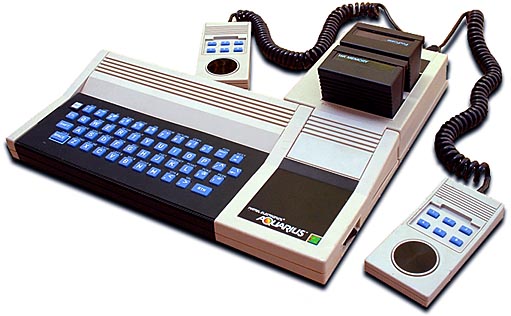
I was doing a little demographic research on the Greater Autopian Community using an experimental AI system I developed in COBOL for the recently-upgraded Autopian Mainframe (a massively parallel array of over three Mattel Aquarius computers with the 16K RAM expansion packs) and I was surprised to find that a shockingly high percentage (98%) of our readership is planning to open an art gallery in the immediate future, but also has zero artwork to populate that gallery with! Since this problem affects thousands of our community members, I leapt into action with a solution, because that is what I do, people.
I also soon discovered that the demographic information I was being presented was a complete AI hallucination, so technically all of this is moot. But! Not entirely, because there could be someone out there about to open a gallery and realizing they have nothing to put up on the walls. This solution will still work!
Here’s the plan, and, like all worthwhile solutions, it comes from an old car brochure. In this case, a French-language Pontiac brochure from 1969. I don’t know who the hell in France was looking to buy a massive land yacht of a Pontiac in 1969, but whatever, that’s midcentury GM’s problem. What I do know is that this brochure had this wonderful illustrated spread of features and options on the ’69 Pontiacs:

As usual, there’s beautiful artwork here, even if it may seem like mundane commercial art. But change the context, and I think we could have some gallery-worthy pieces! Just enlarge and reproduce these on canvas, and boom, you’ve got some compelling works. Plus, they’re all the same square format, so you can buy square frames in bulk for big savings!
Let’s see what we’ve got here:

We can start with something a bit traditional, a portrait of a family. It actually reminds me a bit of Alex Katz’ portrait works, and I think could exist in a similar sort of space. There’s something a bit off-putting about the smiles and the sunglasses that lend the work a bit of an edge.

A tilt steering wheel diagram, aggrandized and enlarged and in a gallery context becomes something much more striking and beautiful, a sort of almost-floral near-abstract piece with a little bit of Fernand Léger machine-era influence.

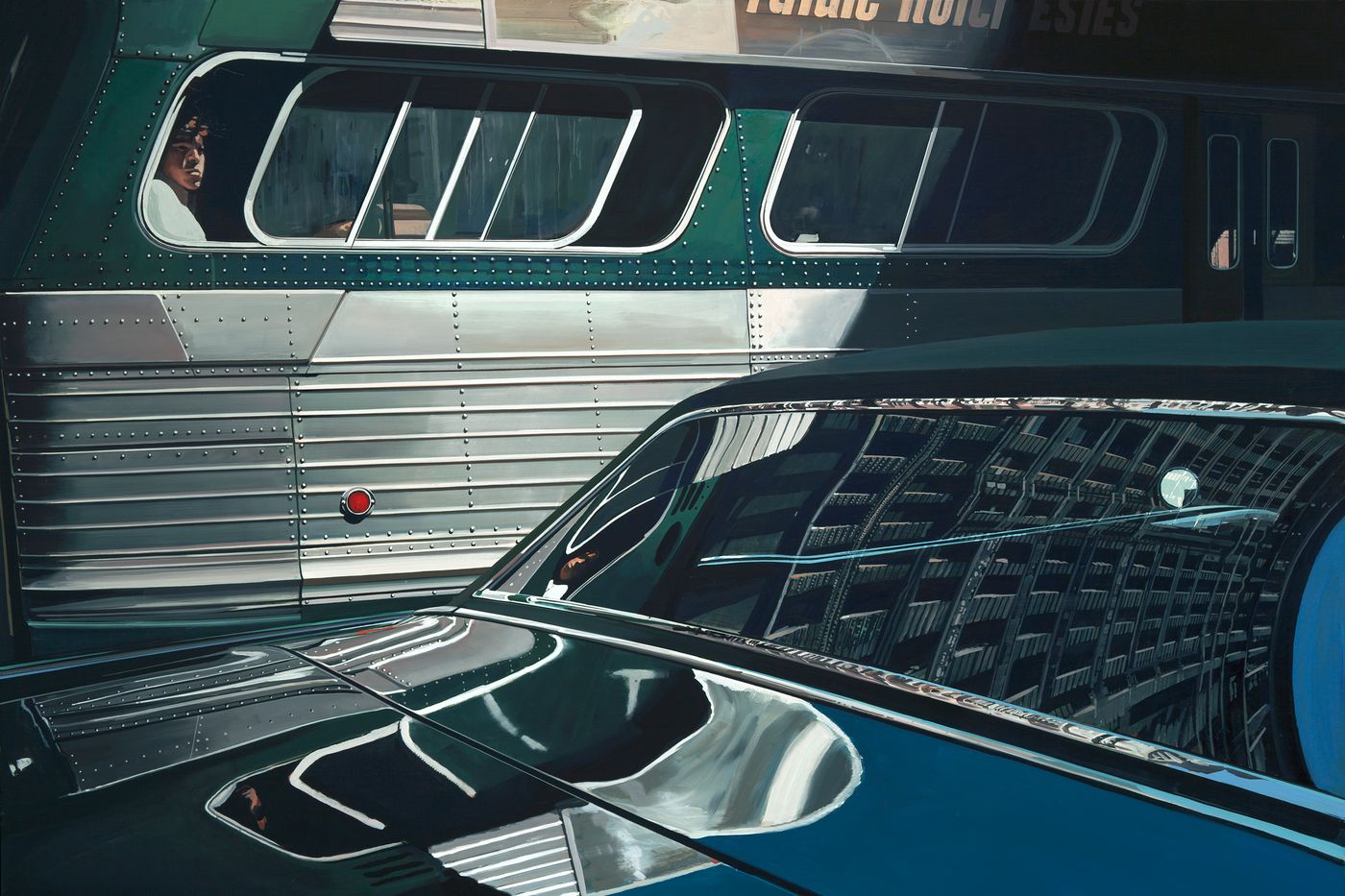
These lovely close studies of marker lamps in chrome surrounds have the same careful attention to light and reflection that a photorealistic painter like Richard Estes strove for. Intense, close observation.


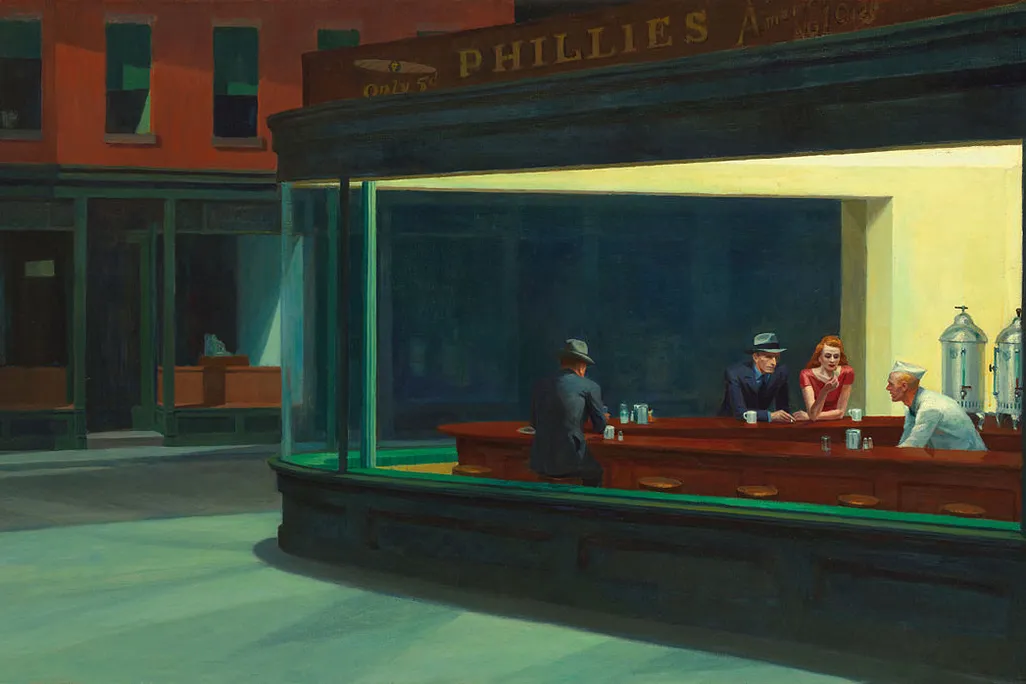
I’d pair these two together, as they both have the same sort of moody, Edward Hopper-like appeal, with the common theme of darkness punctuated with shafts of golden light attempting to cut through the gloom.

At another extreme, this deceptively simple study of towing feels like Matisse’s late cut-paper works. There’s a real energy here, with the offset overlapping colors at uncomfortable angles.

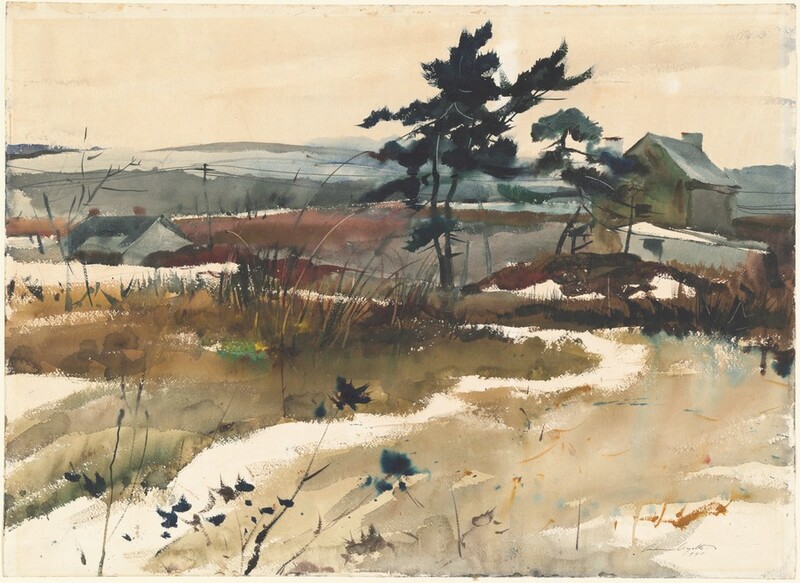
The snowy landscape, with its brown winter-dormant plants and lovely overall bleakness calls to mind the work of Andrew Wyeth, just with more Pontiac.

There’s a lot of pop-art appeal to this one, especially with that deep saturated red background. This could be a Warhol silkscreen, maybe if the colors were a bit more off-register. A lovely example of the mundane (a bank of window switches, a pedal pad, half a steering wheel) recast as grand elements.

This Pontiac beak, made of that magic self-restoring Endura polymer, makes for a striking portrait, so enlarged and close that it almost blurs into abstraction.
See? look at that! You could absolutely fill a small, thriving gallery with these pieces and have a fantastic opening, provided you don’t cheap out on the charcuterie and booze. Wine is great, but let’s have some gin and tonics, too, why not? Tipsy people are more likely to buy paintings, after all!
Good luck with the opening!
The post Let’s See Which Ones Of These Tiny 1969 Pontiac Options Pictures Would Look Best As Large Paintings appeared first on The Autopian.