When the first wave of electric pickups hit the American market, the promise was massive: hulking, zero-emission workhorses designed to do it all. Today, however, the automotive industry faces a harsh reality. Full-size electric trucks like the FordF-150 Lightning and TeslaCybertruck have fallen considerably short of their initial sales expectations, forcing major manufacturers to rethink their overarching strategy from the ground up.
Reality of Physics
Ford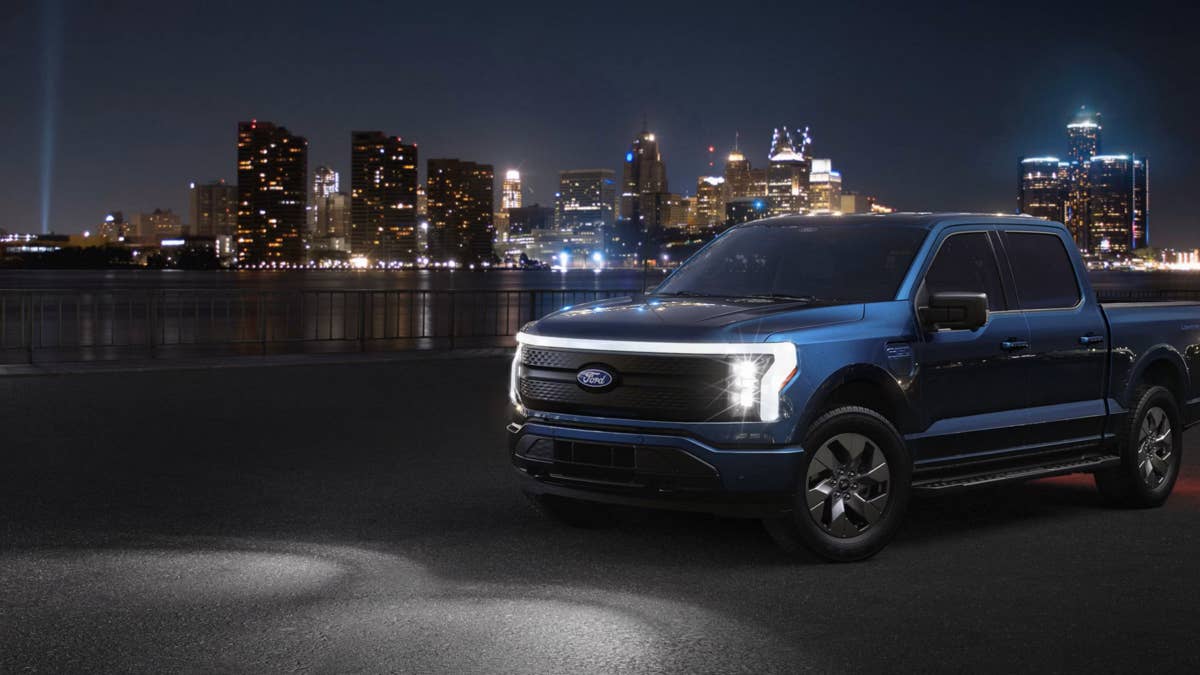
The fundamental issue lies in the unforgiving physics of battery packaging. To propel a massive, 7,000-pound vehicle for 300 miles requires an enormous, heavy battery. When you add the core utility that American buyers demand—towing heavy trailers and hauling substantial payloads—the math quickly breaks down. Towing a typical 8,000-pound camper can slash a full-size EV truck’s range by more than 50 percent, turning a 300-mile road trip into a frustrating 110-mile hop between charging stations.
Automakers initially tried to solve this range penalty by cramming in larger battery packs, some extending well beyond 130 kWh. However, this creates a compounding engineering problem. Heavier batteries inherently reduce maximum payload capacities, increase tire wear, and dramatically inflate manufacturing costs. The end result is a premium vehicle that easily costs over $70,000 but cannot realistically match the cross-country towing convenience of traditional gas-powered counterparts. For the average buyer, full-size electric trucks currently make little sense as serious utility vehicles.
F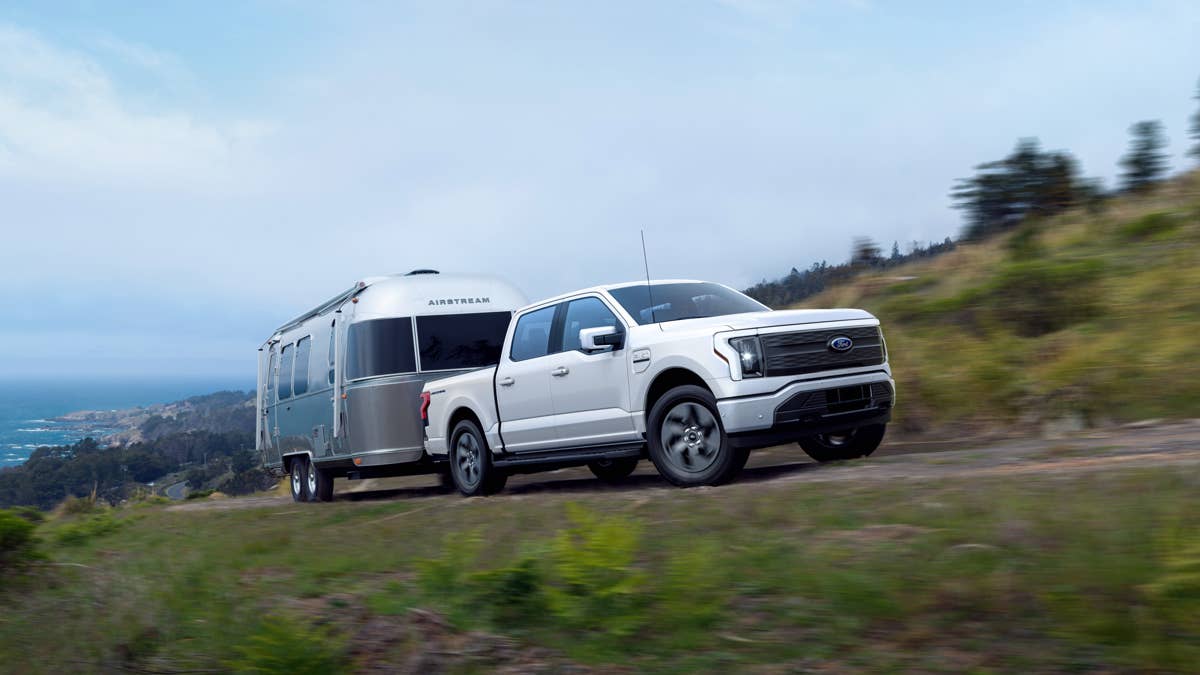
The Remedy
Recognizing this glaring misstep, the industry is rapidly pivoting toward smaller, more efficient electric trucks. By abandoning the heavy-duty towing requirements typical of the full-size segment, automotive engineers can utilize much smaller, lighter battery packs. This approach dramatically reduces production costs and improves driving efficiency, making electrification genuinely viable for everyday lifestyle trucks.
Ford is actively leading this charge by developing a highly efficient, compact EV pickup intended to debut with an aggressive target price of roughly $30,000. By shrinking the physical footprint to match a compact Ford Maverick or classic Ranger, automakers bypass the heavy battery death spiral. These smaller vehicles will focus entirely on agile urban utility, passenger comfort, and weekend lifestyle needs rather than hauling massive industrial loads.
For The Future
Slate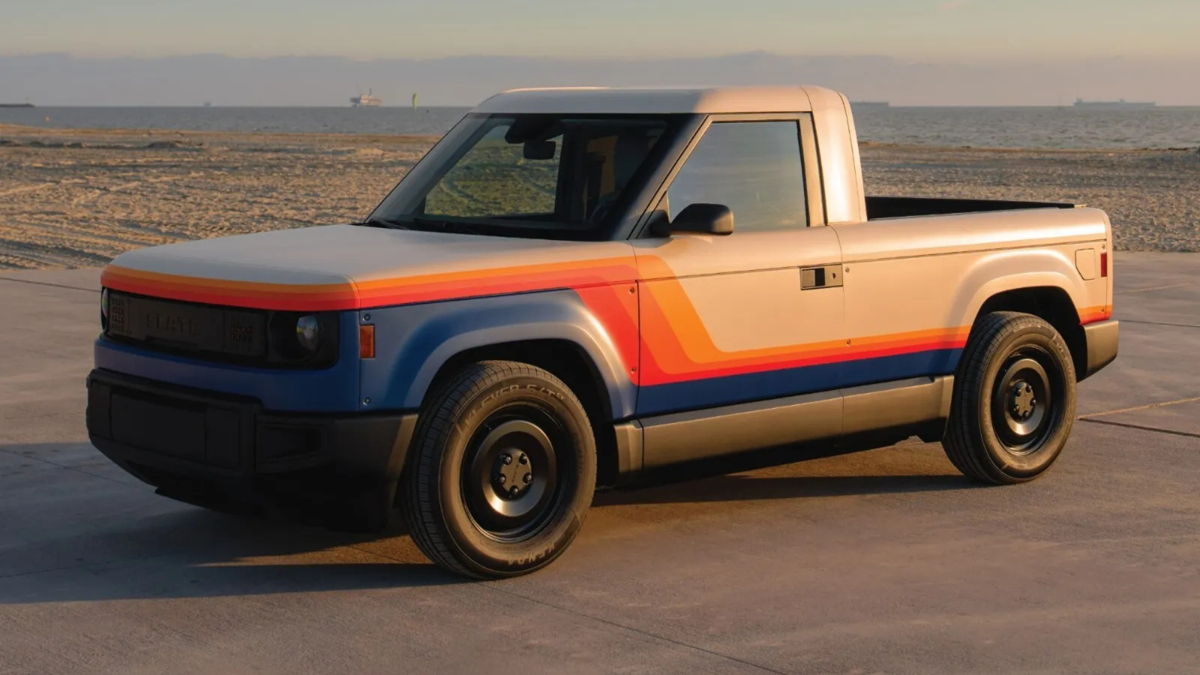
The era of the $80,000 electric behemoth is clearly cooling off. By finally acknowledging the distinct packaging and towing constraints of current battery technology, major automakers are shifting gears. They are now focusing on building the accessible, right-sized electric trucks that practical American drivers actually need today, ensuring the electric revolution remains a sustainable reality for everyone.
