A quick winter check now can prevent big problems later
When the weather turns cold, batteries and tires get most of the attention — but the fluids running through your car matter just as much. Low levels or old, worn-out fluids can make cold starts harder, reduce visibility, or even leave you stranded with a damaged engine. Before the first real cold snap hits, here are five key fluids worth checking.
Engine oil: Cold starts demand clean, healthy oil
As temperatures fall, engine oil thickens. If it’s dirty or overdue for a change, your engine has to work even harder to circulate it, especially on freezing mornings. Most modern cars run well on synthetic oils that stay fluid in the cold, but regular oil changes are still essential.
Getty Images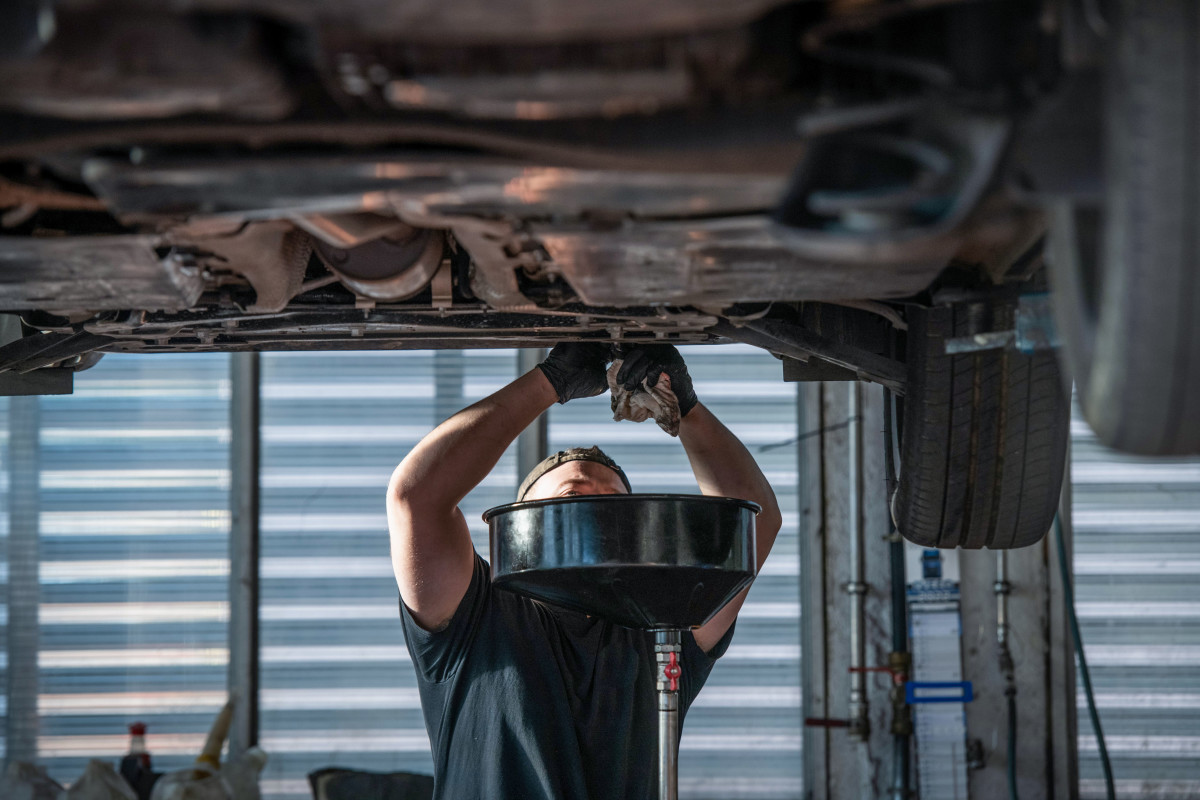
If you’re close to your mileage or time interval, get it done now — it’s one less thing to worry about when winter hits. And if you’re not sure which viscosity you need, check your owner’s manual; you don’t want to guess when it comes to lubrication.
Coolant: The fluid that keeps you warm and your engine safe
Coolant doesn’t just prevent overheating — it also protects your engine from freezing. Over time, coolant becomes diluted or loses its protective properties. A simple test strip from an auto parts store can tell you if your mixture is still strong enough for winter temperatures. If the coolant level is low, top it up with the correct 50/50 mix, and if it’s been more than a couple of years since your last flush, now is the perfect time to schedule one.
Washer fluid: Don’t let salt and slush blind you
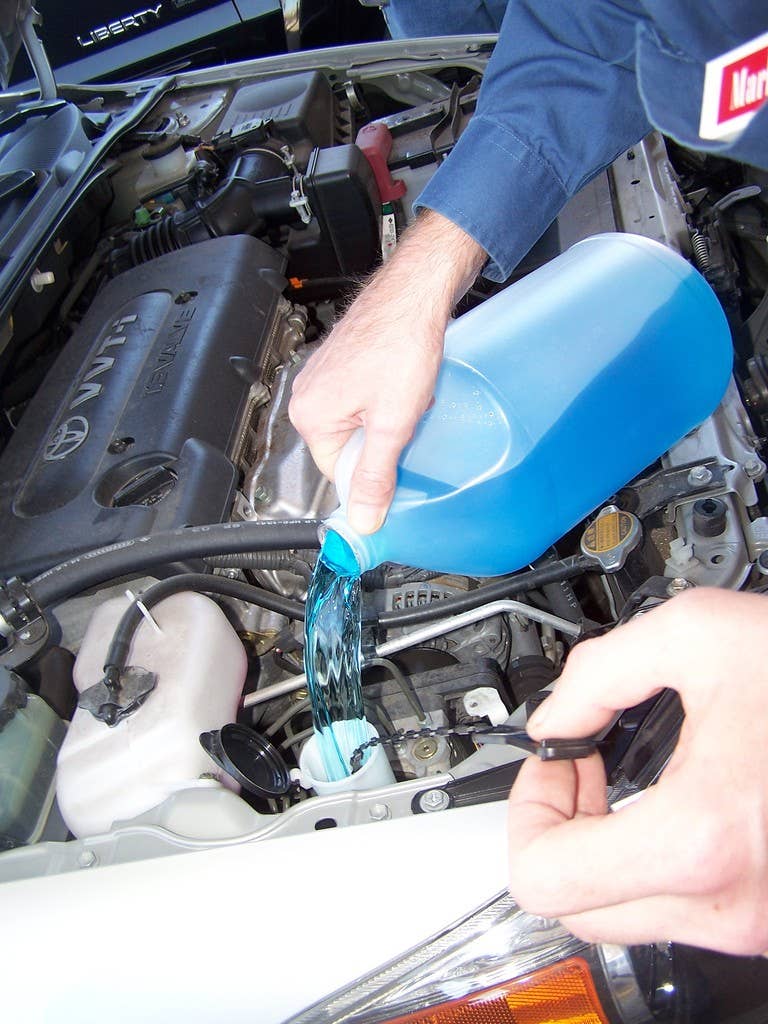
If you’ve ever tried to clear road salt with plain water, you know how fast it freezes on the windshield. Winter washer fluid has additives that lower its freezing point, helping it spray properly even on the coldest days. Check the reservoir and fill it with a fluid rated for low temperatures. It’s cheap insurance for visibility, and it’s something many drivers forget until the first snowy drive.
Brake fluid: Winter driving demands quick, reliable stops
Brake fluid absorbs moisture over time, and that can lead to reduced braking performance — not something you want on icy roads. If your brake pedal feels a little spongy or if you can’t remember the last time it was changed, have it inspected. Most manufacturers recommend a brake fluid flush every two to three years. It’s a small maintenance job that can make a big difference when traction is limited.
Transmission fluid: Keep shifts smooth when it’s freezing
Cold temperatures can make old or degraded transmission fluid thicken and slow down, leading to sluggish or delayed shifts. If your vehicle has a dipstick, check the level and color; healthy fluid is typically bright red or pink.
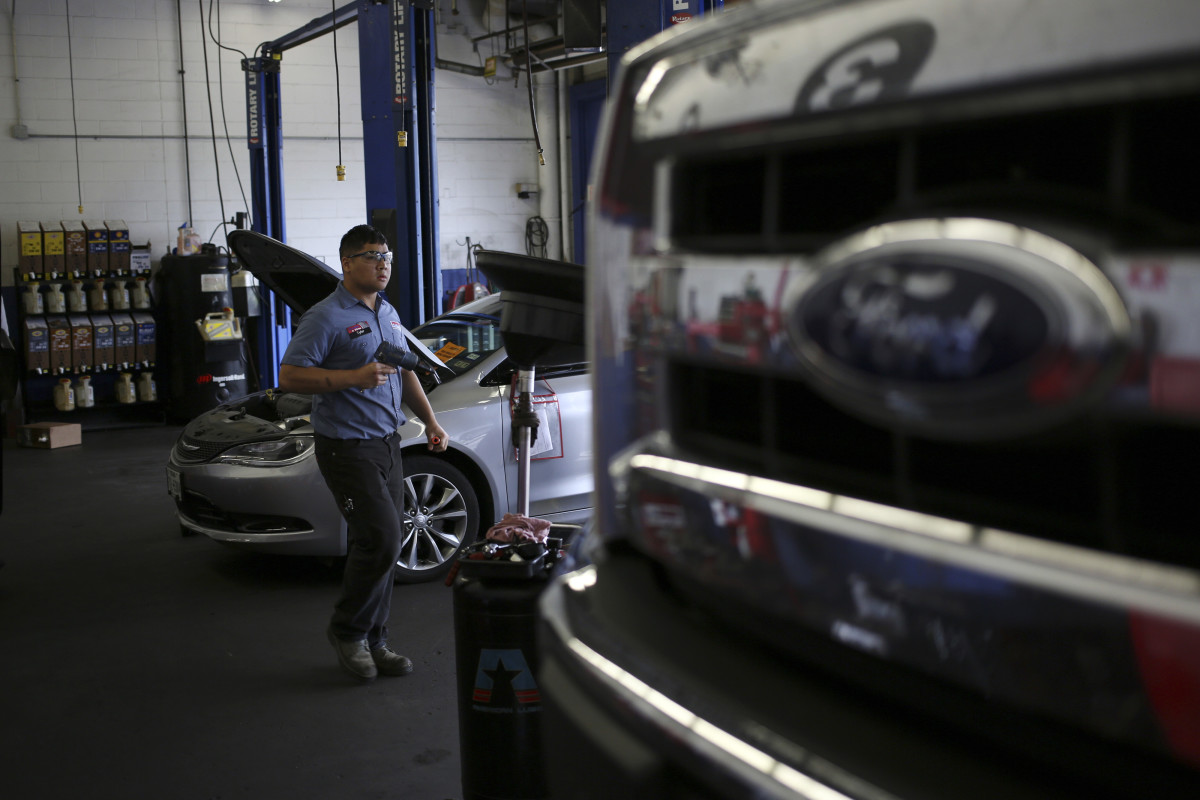
Some newer cars don’t have user-serviceable dipsticks, so you may need a shop to inspect it. Either way, maintaining proper transmission fluid reduces strain during cold starts and extends the life of your drivetrain.
Final thoughts
Preparing your car now means fewer surprises once winter settles in. Check these fluids before the temperature drops, and you’ll start the season with a vehicle that’s safer, smoother, and ready for whatever the weather throws at it.