A second chance at this EV technology
Sometimes, taking a step forward in innovation requires looking back at good ideas that you had in the past. For German luxury giant BMW, it may be reviving something it once deemed unnecessary. According to a recent report published by Bloomberg, sources within the Bavarian Motor Works are mulling the possibility of adding range extenders to some of its vehicles, as growing demand for the technology has been spurred on by rival cars in China, one of its most important markets outside its native Germany and the U.S.
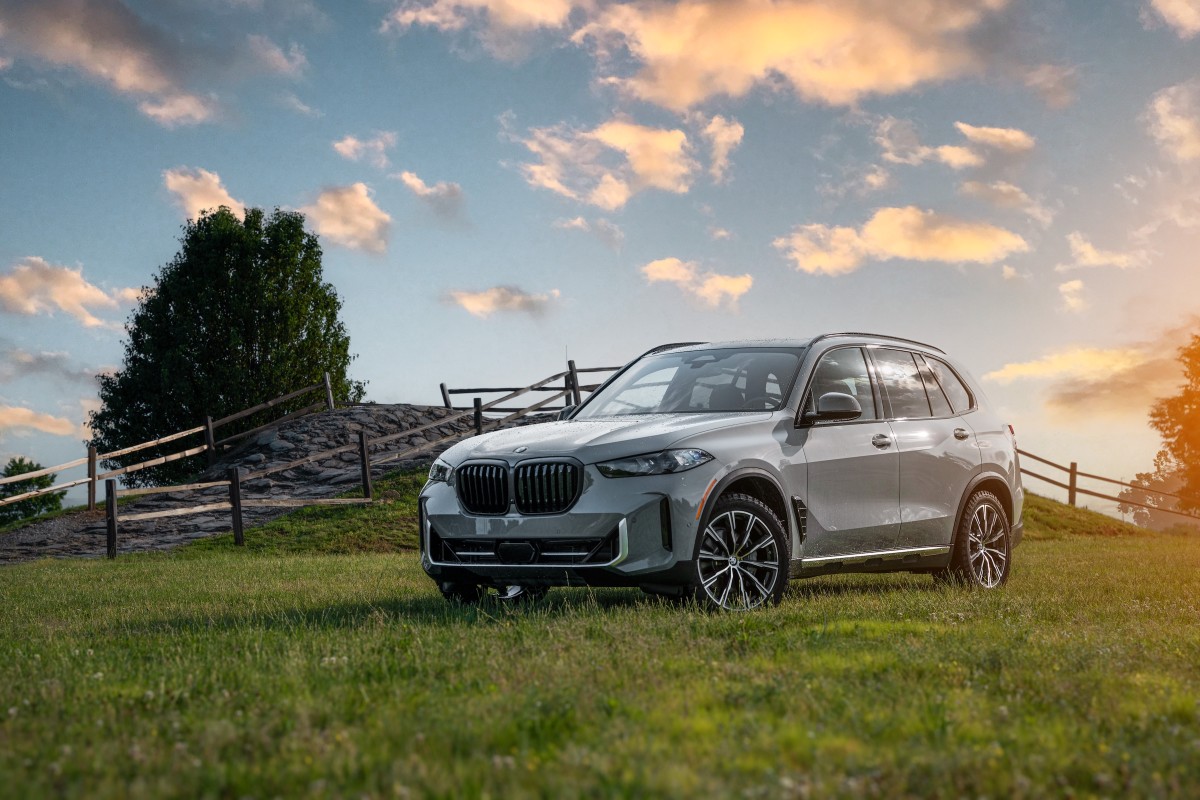
Per the sources, BMW may consider making range-extended versions of luxury sedans, such as the range-topping 7 Series, as well as SUVs, like the popular X5, since they are large enough to accommodate a small engine. In addition, they mentioned that extended-wheelbase versions of its vehicles sold in the U.S. and China are perfect candidates for this kind of tech.
What are range-extended cars?
Range-extended, or extended-range electric vehicles (EREVs) are a particularly popular alternative to conventional battery-electric vehicles in important regions like China, where sales of locally made luxury vehicles from marques such as Li Auto and BYD have eaten into BMW’s business. In comparison to other electrified vehicles, such as hybrids and battery-electric cars, EREVs feature a small gasoline engine that isn’t mechanically connected to the wheels in any way. Instead, it functions like an onboard power plant that activates whenever needed to recharge the battery.
According to the sources, the development costs for introducing this technology would be relatively low for BMW, as it already has an abundance of efficient, small engines in its parts bin. However, in a statement to Bloomberg, the Bavarians did not go into detail regarding the brands’ intentions with EREV tech.
“[BMW is] continuously analyzing usage patterns, customer needs and market developments and reviewing the market potential of various technologies,” it said in a statement.
Other car companies are curious about extended-range vehicles
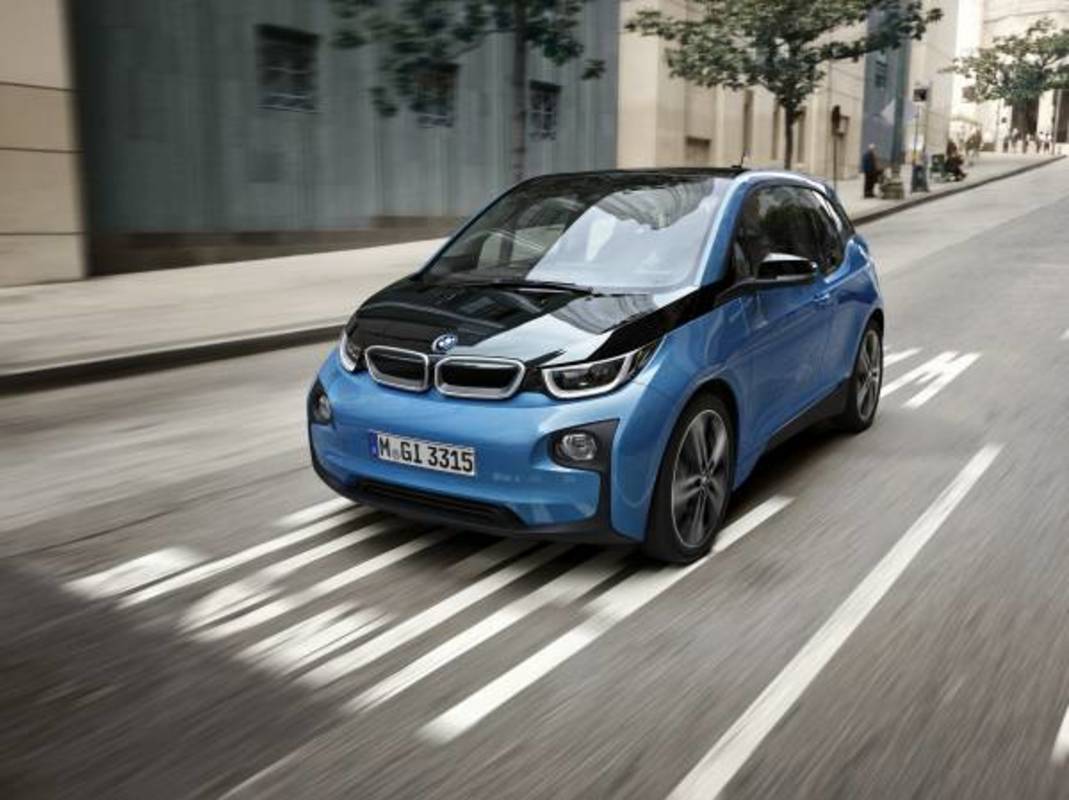
This supposed pivot wouldn’t be the Bavarians’ first rodeo with extended-range vehicles, as it had offered such a technology in an EV more than a decade ago. BMW’s cute and compact i3, its first mass-produced EV, was offered with a range extender during its production run from 2014 to 2021. The BMW i3 REx utilized a small 647cc gasoline engine from a BMW scooter, mounted in the rear of the car, to recharge the high-voltage battery when it was low on power.
However, in recent years, other automakers have shown interest in this technology. In the U.S., several manufacturers are reportedly exploring EREVs in their lineups. Volkswagen‘s Scout reported that over 80% of its reservations for the Traveler and Terra are for the “Harvester” range-extender version. Jeep has confirmed that the 2026 Grand Wagoneer will feature a range-extender setup, while Ram is developing an extended-range version of the Ram 1500 called the REV. Hyundai is also developing an extended-range version of the Santa Fe.
Final thoughts
One particular fan of this type of vehicle is Ford CEO Jim Farley, a well-traveled man who has not been afraid to experience the local flavor abroad, particularly Chinese cars. In the past, he has praised EREVs as a solution for providing a diversified powertrain lineup for its larger and heavier options.
“We think that’s a much better move than a $60,000 to $70,000 all-electric crossover. We think that that’s really what customers are going to want long term,” he said during Ford’s Q2 2025 earnings call in August.
As charging infrastructure in the US continues to expand, the fears over charging reliability and range anxiety are still very real. On the surface, EREVs can be a solution to traditional battery-electric cars, as their electric range tends to be much higher than that of many EVs, while still providing the kind of security that the gas pump offers.
However, we still need to see many of the anticipated EREVs, such as the Ram REV and the Scout, hit the market before we can have a solid pulse on consumer adoption and satisfaction in the US. Still, given the popularity of domestically made EREVs in China, their situation could serve as a test case for their adoption beyond the People’s Republic.