Hitting the Brakes
Modern safety features have become so advanced that they make their own calculations and control vehicle components like the brakes to avoid road collisions. Given its safety benefits, the Biden administration mandated more capable automatic emergency braking (AEB) systems, including pedestrian automatic emergency braking (PAEB), by September 2029, but now, the National Highway Traffic Safety Administration (NHTSA) is proposing to postpone the deadline.
NHTSA is looking to move the compliance deadlines for Federal Motor Vehicle Safety Standard (FMVSS) No. 127 to September 2031 for major automakers and September 2032 for low-volume manufacturers, vehicle upfitters, and modifiers. The proposal comes after the federal safety agency acknowledged that the technology has not “progressed as much as expected.”
Ford
Technology Has Its Limits
The extended deadline would give automakers more room to improve the technology’s effectiveness at highway speeds and in poorly lit environments before the stricter standards take effect. Under FMVSS No. 127, most new vehicles must be equipped with forward collision warning and automatic braking technology capable of intervening at speeds of up to 90 mph for potential collisions with vehicles ahead and 45 mph for pedestrians.
In an October 2024 study conducted by the American Automobile Association (AAA), newer AEB systems proved more effective than older ones, though their performance deteriorated at higher speeds. Moreover, AAA found in its 2025 pedestrian AEB study that tested vehicles avoided collisions in only 60% of nighttime tests at 25 mph. Although AAA’s testing protocols are not necessarily identical to NHTSA’s, these findings could help explain why the agency is seeking a postponement.
Automakers have also taken issue with FMVSS No. 127. In 2025, the Alliance for Automotive Innovation, which represents major automakers including General Motors and Toyota, sued to block the mandate. It argued that the collision avoidance requirements were impractical and could lead to unintended braking interventions.
Kristen Brown
The Clock Is Still Ticking
Again, the delay is only a proposal for now, meaning the original 2029 deadline still stands. If this timeline remains unchanged and automakers fail to comply, affected vehicles manufactured after the deadline generally cannot legally be sold as new vehicles in the U.S.
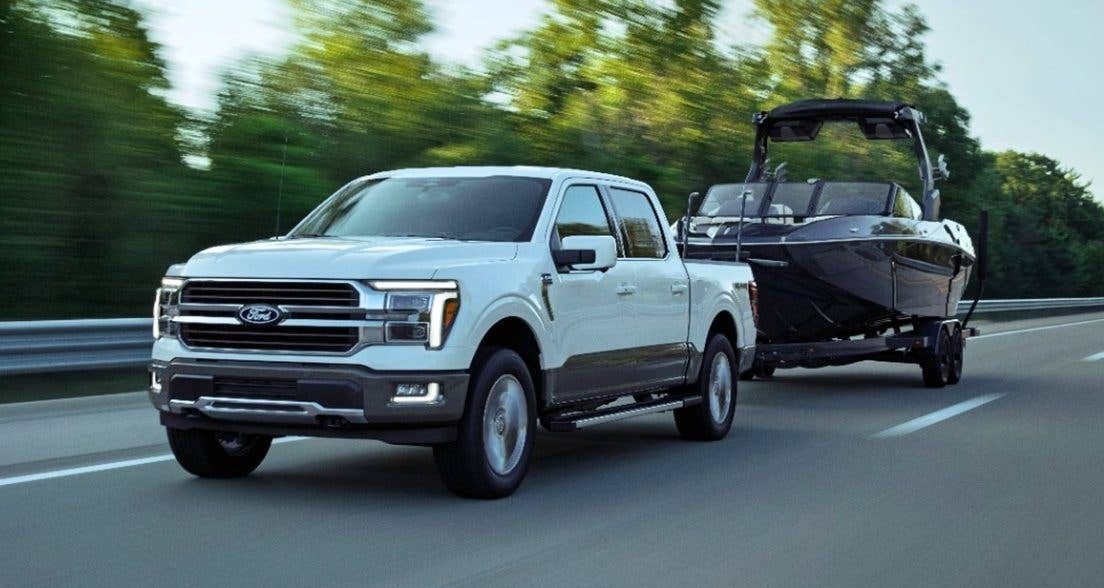
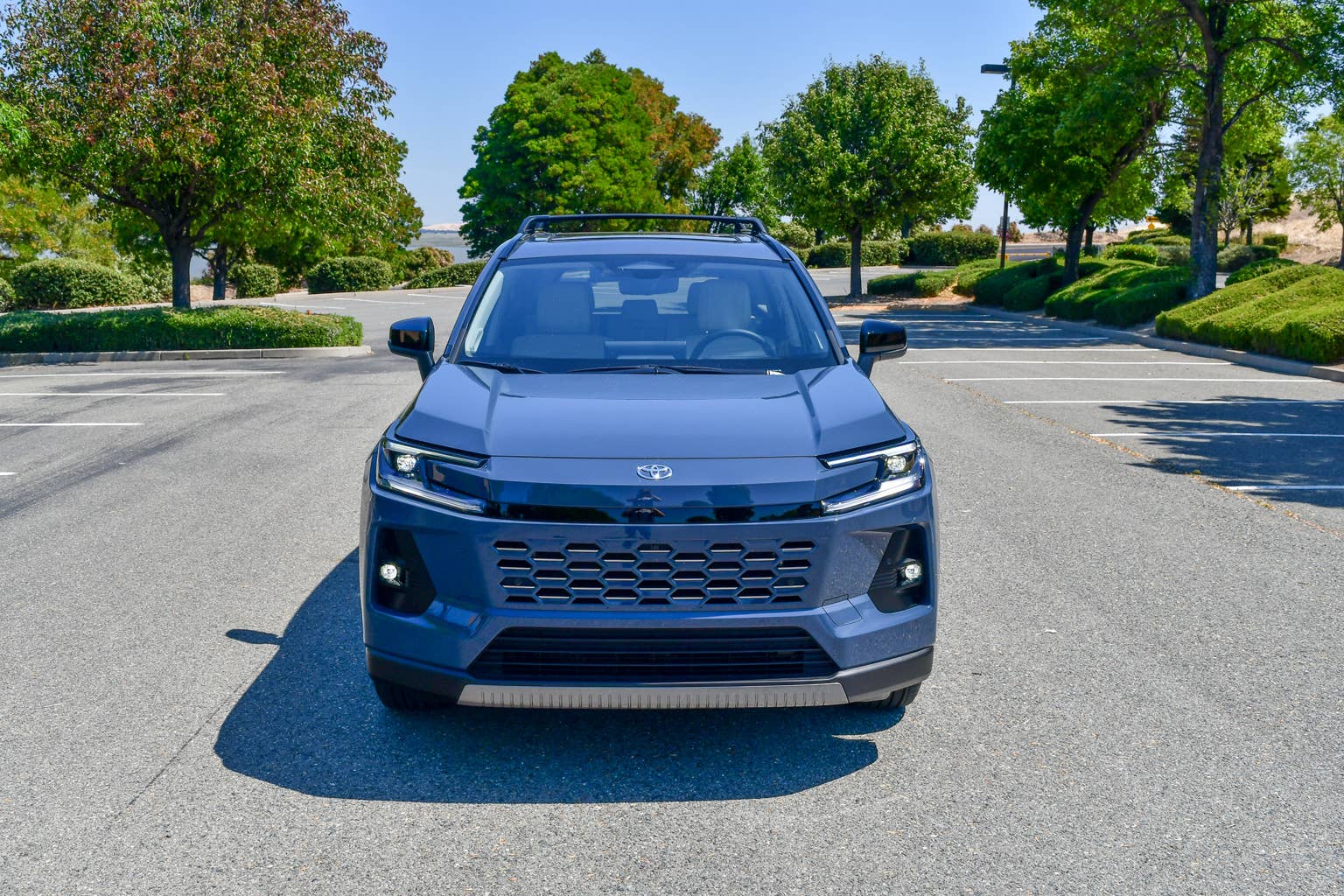
AEB falls under the broader category of advanced driver assistance systems (ADAS), which most automakers already widely offer in the mass market. Some of these safety technology suites include Ford’s Co-Pilot360, Toyota Safety Sense, and Nissan Safety Shield 360.
Chevrolet