The Shape of Things to Come
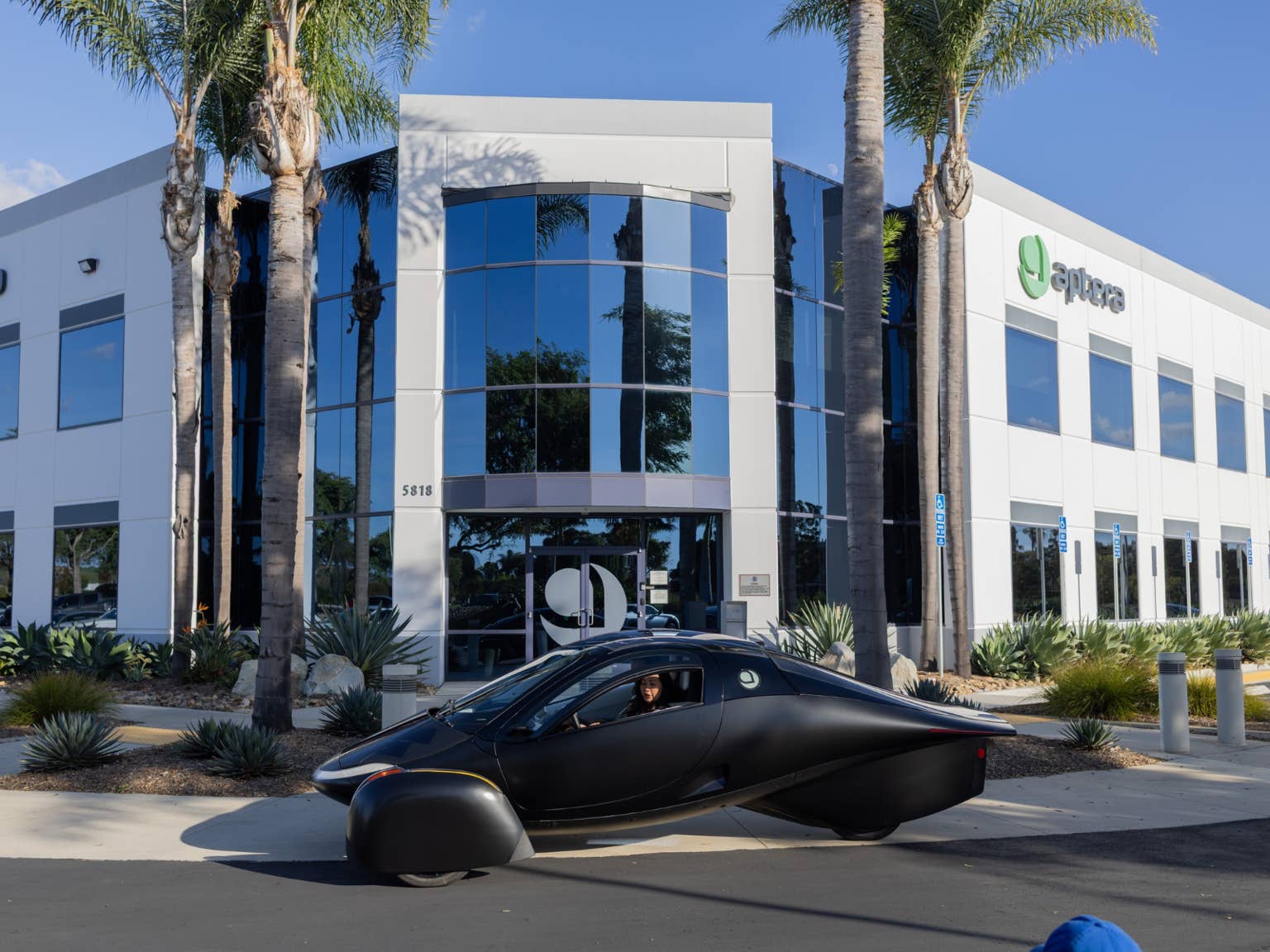
Automakers are developing new models with extremely streamlined bodies for improved range and efficiency, including Volkswagen, which holds the record for the lowest drag coefficient of any road-approved car at 0.158 with the Mission Efficiency concept. The better the range, the more attractive these models become on the brochure. Aptera is one of the companies that has been in the aerodynamics game for decades, and its first production EV built for a customer has finally arrived.
One of the most notable features of the three-wheeled Aptera Launch Edition is its use of solar power to recharge the battery for driving. The company claims that the solar system adds up to approximately 40 miles of range a day under favorable conditions. That may not sound like much, but it should suffice for short trips like grocery runs without needing to plug in, provided there’s enough sunlight. The EV also has a manufacturer’s target range of 400 miles on a full charge, which, on paper, is about 40 miles more than the EPA-estimated range of the Tesla Model Y RWD.
Making Every Ray Count
Again, the 400-mile figure is a manufacturer’s estimate, which tends to be more optimistic than EPA ratings. Still, with the supplementary solar system, this vehicle may not need to be plugged in as often as most other EVs. Its efficiency is made possible by its lightweight construction and aerodynamic body, which not only reduces drag but also honors the design of the original three-wheeled concept from 2006, a time when the first-generation Tesla Roadster wasn’t even out.
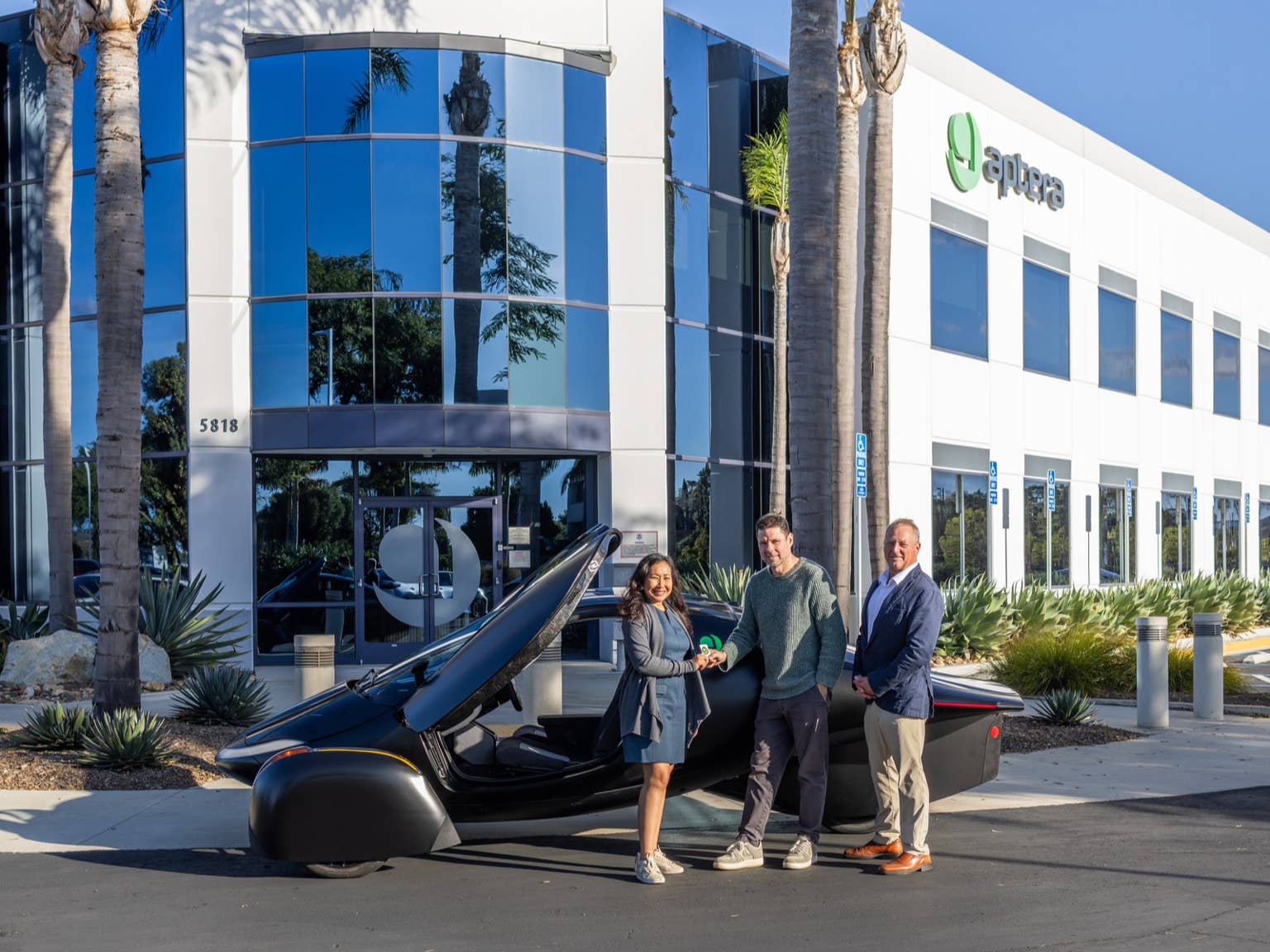
This makes the completion of the first production EV for a customer even more remarkable. The vehicle is intended for delivery to Martin Hartono, CEO of GDP Venture and an early investor in Aptera. The company plans to export the vehicle outside the U.S., but the press release didn’t disclose the destination country. For reference, Hartono is based in Indonesia.
In the U.S., Aptera secured an EPA Certificate of Conformity earlier this year, but it still needs to demonstrate compliance with the Federal Motor Vehicle Safety Standards (FMVSS) before starting customer deliveries in the country. Moreover, an October 2026 release stated that the company still needed approximately $25 million in funding to start series production.
Aptera
The Future Looks Bright
If those hurdles are cleared, Aptera could start offering American buyers its EVs, which have estimated prices ranging from $28,000 to $55,000, with the Launch Edition targeted at $40,000. The planned lineup is also expected to offer driving ranges between 250 and 1,000 miles, with solar charging potentially adding even more range under sunny conditions.
On paper, the 1,000-mile manufacturer-estimated range would put Aptera far ahead of mainstream EVs in the U.S., including the Lucid Air Grand Touring, which has an EPA-estimated range of 512 miles. But some drawbacks to consider are its limited two-seat cabin and unconventional three-wheel design. Pending safety-standard compliance is another hurdle before U.S. deliveries can begin, but at least there’s reason to celebrate for now with the completion of the first customer car.
Aptera