Subaru EyeSight Is About to Take a Big Step Forward
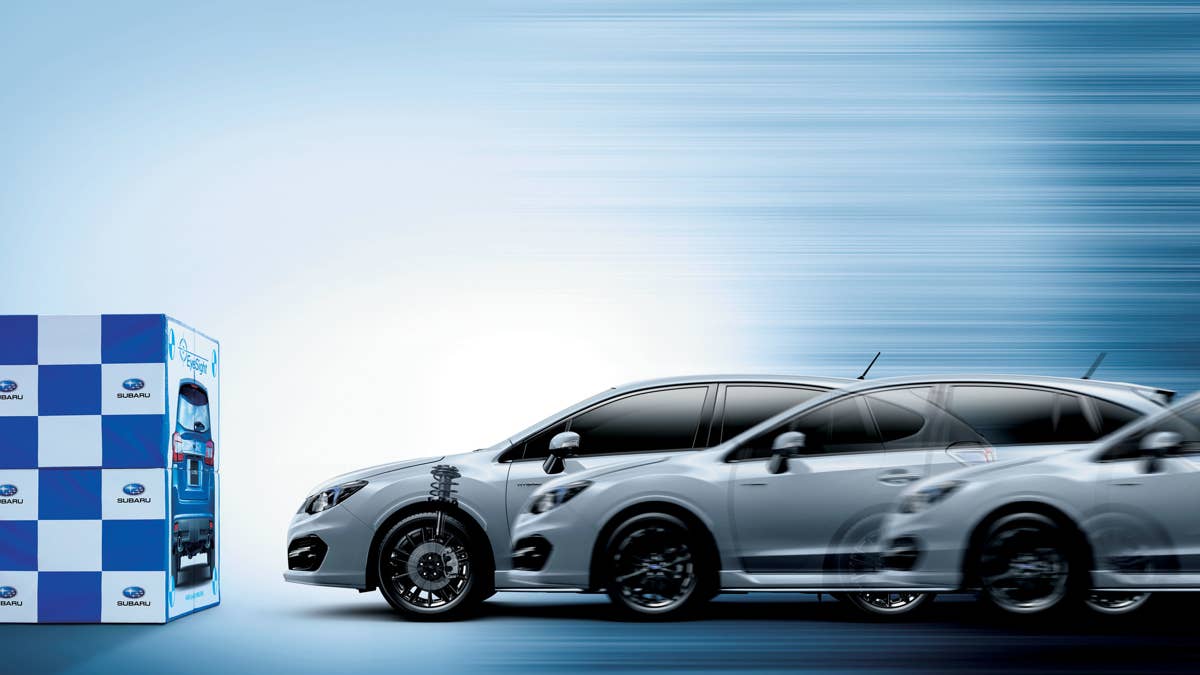
Subaru and EyeSight have been joined at the hip for years now, ever since the Japanese brand rolled out its camera-based driver assist tech. What began as a simple pair of forward-facing cameras has slowly morphed into a full-on suite of safety features. EyeSight has picked up awards, gone through its fair share of updates, and, yes, even caught some flak for its quirks.
Now, Subaru is gearing up for what might be EyeSight’s biggest glow-up yet. At a recent development event in Japan, Subaru showed off a next-gen EyeSight that’s set to outdo the current system. The twist? Subaru isn’t piling on more cameras, radars, or pricey gadgets. Instead, they’re sticking with the EyeSight X setup and squeezing out more magic through software.
Subaru
What Can We Expect From the Next Subaru EyeSight?
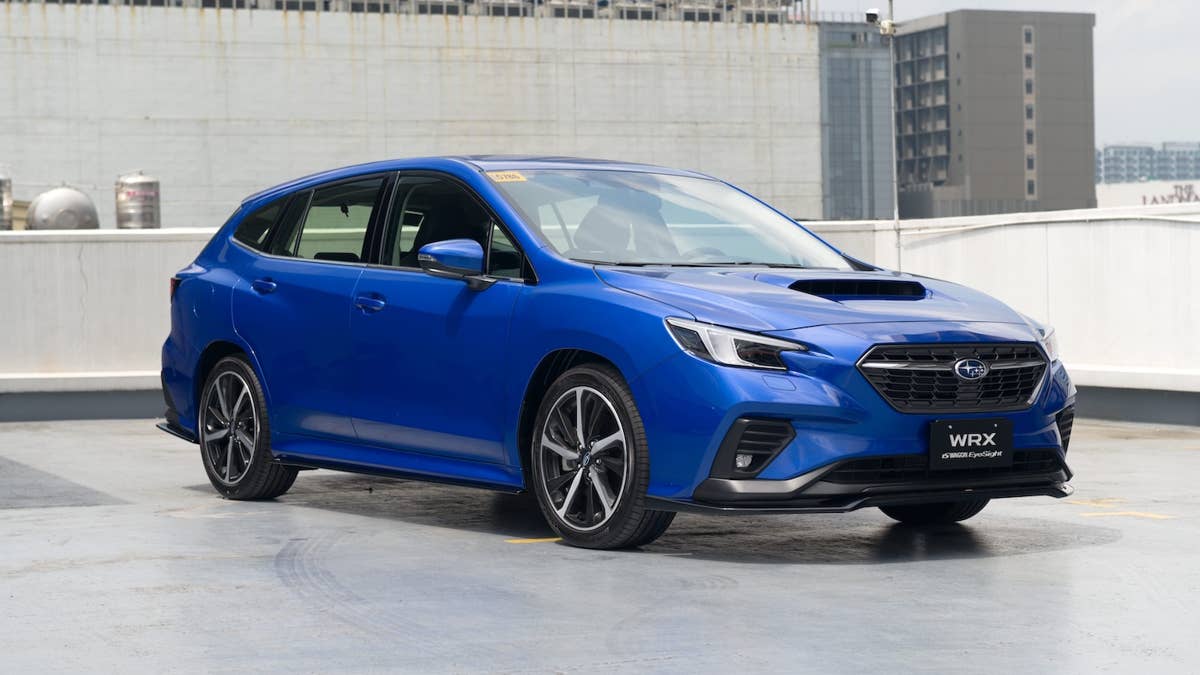
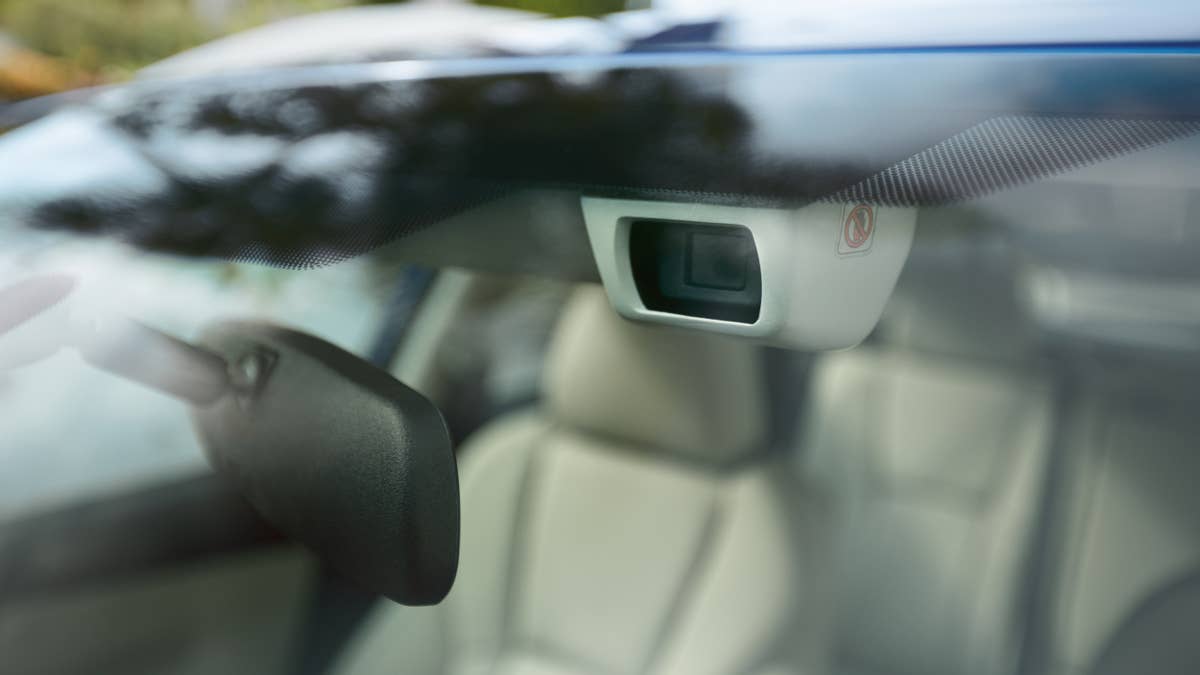
The development vehicle was a current Subaru Levorg (a.k.a. WRX Wagon) equipped with EyeSight X. Its hardware already includes a wide-angle stereo camera, four radars positioned around the front and rear corners, and rear sonar. The system also uses high-definition map data and precise GPS information to help the vehicle understand its surroundings.
Subaru wants to keep this hardware but crank up what it can actually do. The goal? Level 2++ driving assists, with the next EyeSight aiming to let you take your hands off the wheel out on real roads.
Here are some of the features demonstrated during the Japanese test:
- Hands-off driving at all speeds: Unlike the current EyeSight X, which allows hands-off operation in traffic jams at speeds below 50 km/h, the new system is being developed to work across the entire speed range, with a maximum setting of 135 km/h.
- Hands-off lane changes: Drivers can initiate a lane change simply by operating the turn signal lever. The vehicle then handles the maneuver, with the steering wheel remaining untouched.
- Automatic overtaking: When the system detects a slower vehicle ahead, it can decide when to move into another lane, overtake, and return to its original lane.
- Emergency roadside stopping: If the driver becomes unresponsive, the vehicle can activate warnings, attempt to wake the driver through braking pulses, sound the horn, flash the hazard lights, and eventually pull over to the shoulder.
Reports from Japan say the demos went off without a hitch, especially when it came to lane changes and overtakes. Still, Subaru’s got homework left. Engineers are puzzling over how to deal with skinny shoulders, and the company is mulling over how to let drivers give the green light before the car decides to change lanes on its own.
That said, all these features are still in the oven, and Subaru hints the final version could pack even more than what we’ve seen so far.
Subaru
Better Technology Also Needs to Be More Reliable
Throwing more sensors and pricey hardware at the problem isn’t the only way forward. If the current cameras and radars can pull off more tricks with just a software update, that’s a win for both your wallet and your feature list. Now, retrofitting your current Subaru is another question.
But here’s the catch: reliability. EyeSight has caught some heat for surprise braking and steering moves. There’s even a fresh class-action lawsuit claiming some newer Subarus with EyeSight can slam on the brakes for no reason, miss hazards, or butt in on steering. For now, these are just claims, not proven facts.
Let’s hope the next-gen system irons out these issues while adding all the new bells and whistles. Hands-free driving and auto-overtakes sound great, but drivers need to trust the car won’t throw any curveballs.
There’s a thin line between making a car smarter and letting it run wild. Subaru’s idea to let drivers approve lane changes is a smart move. After all, not every slowpoke in front needs to be passed.