The appeal of a midsize pickup is easy to understand if you’ve ever tried to park a full-size truck in an underground lot. You want a useful bed and enough muscle for what you tow, without feeling like every little errand requires a spotter. Choosing the right one gets even more complicated when you consider bigger engines, better-equipped cabins, and beefier off-road suspensions built for weekends you haven’t yet planned.
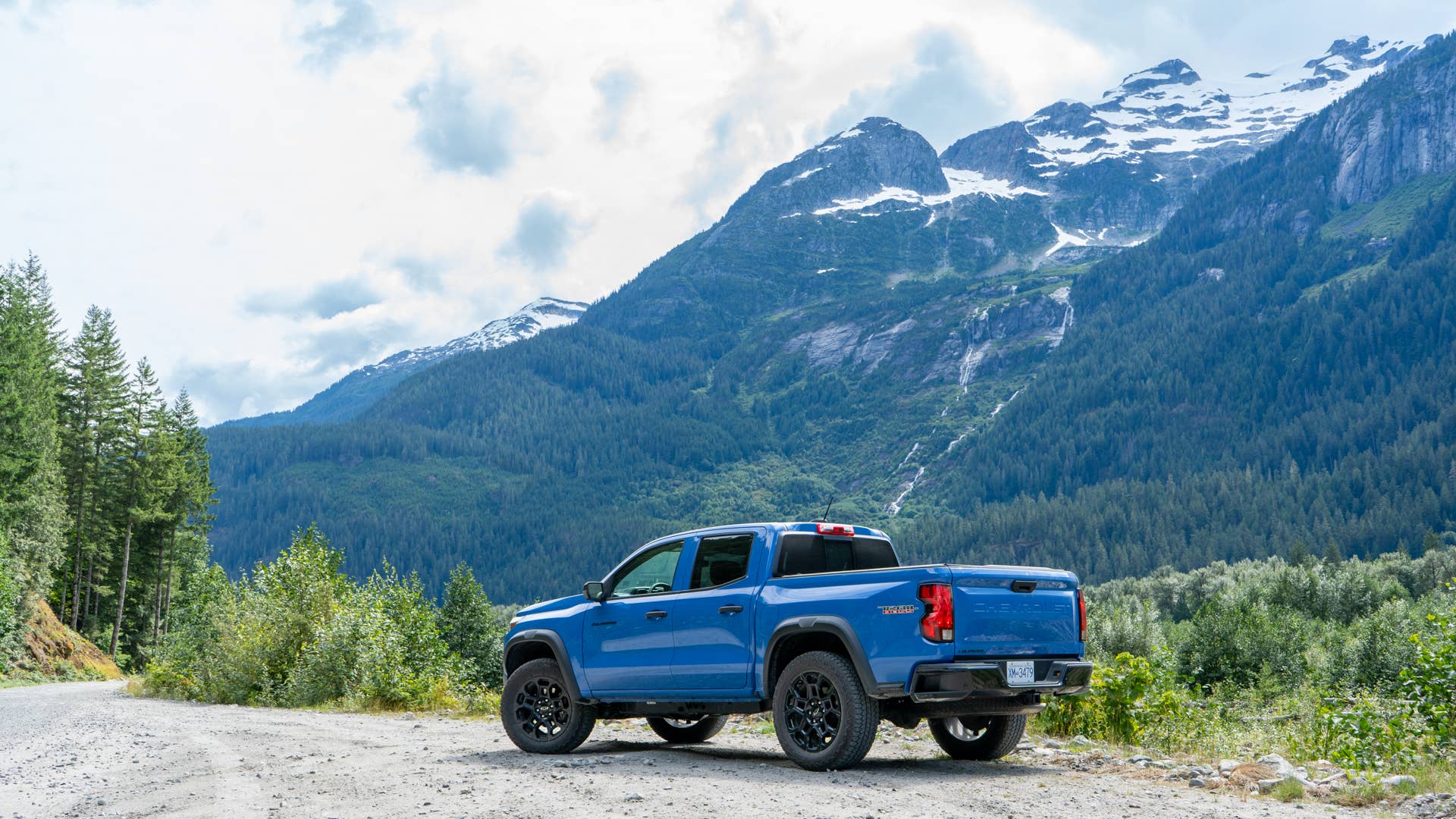
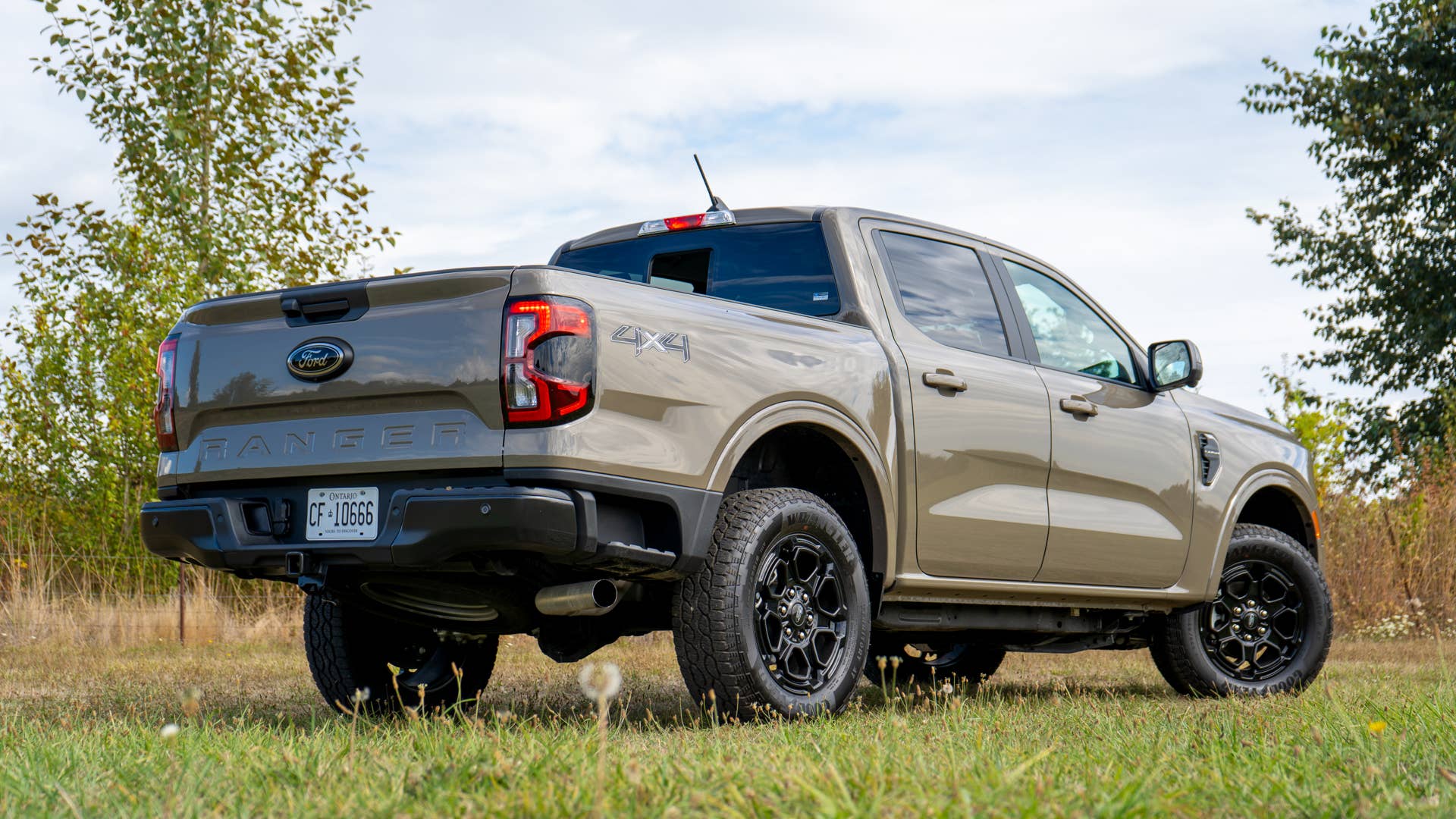
The 2026 Ford Ranger and Chevrolet Colorado give buyers plenty of room to make those decisions. I got to know them through a 2.7-liter V6 Ranger Lariat on a roughly 620-mile trip between Vancouver, B.C., and Vancouver, Washington, and a week with a Colorado Trail Boss around coastal British Columbia. City traffic and gravel backroads gave their respective talents—and irritations—somewhere to expose themselves. Those two trucks are the lenses through which I experienced both lineups, but we’ll start with what the different trims buy you, then move on to the engines, cabins, beds, and towing capabilities. Along the way, my time behind each wheel helps answer the question that gets harder as the options accumulate: which features would I actually pay for, and which truck would I rather live with?
Cole Attisha
What Your Money Buys Across The Lineups
Ford offers XL, XLT, Lariat, and Raptor variants of the Ranger. Chevrolet advertises WT, Custom, LT, Trail Boss, Z71, and ZR2 versions, with the Bison package taking the ZR2 further into specialist territory.
|
Model |
Version |
Starting U.S. MSRP |
Main emphasis |
|---|---|---|---|
|
Ranger |
XL |
$33,550 |
Basic utility |
|
Ranger |
XLT |
$35,970 |
Midrange equipment and option flexibility |
|
Ranger |
Lariat |
$44,450 |
More standard cabin equipment |
|
Ranger |
Raptor |
$57,665 |
Performance and specialist off-road hardware |
|
Colorado |
WT |
$32,400 |
Basic utility |
|
Colorado |
Custom |
$33,545 |
Appearance and value |
|
Colorado |
LT |
$36,000 |
Everyday comfort and convenience |
|
Colorado |
Trail Boss |
$40,500 |
Factory lift and off-road equipment |
|
Colorado |
Z71 |
$44,600 |
More cabin amenities with standard 4WD |
|
Colorado |
ZR2 |
$50,700 |
Specialist suspension and locking differentials |
Prices exclude destination, options, taxes, and dealer charges. Regular Ranger starting prices cover the 2.3-liter engine and rear-wheel drive; the 2.7-liter V6 requires optional 4×4. Colorado Trail Boss, Z71, and ZR2 have standard 4WD.
Chevrolet starts $1,150 lower, but neither brand wins the value argument at every price point. XLT and LT begin around $36,000; Lariat and Z71 start within $150 of each other. A ZR2 starts $6,965 below a Raptor, before Bison or other options, but offers far less potent performance. Ford lets buyers combine its regular trims with an FX4 package, whereas Chevrolet gives its off-road models more distinct identities. The handsome, lifted Trail Boss I drove occupies one branch of that range, though we suspect a Tremor-branded Ranger will eventually arrive to directly take on Chevy’s no-frills overland-ready version.
Thinking about selling your car? Get an instant cash offer online now. Click here to get started.
Cole Attisha/Autoblog
Two 2.7s, With Two Fewer Cylinders In The Chevy
Ford offers three engines in the Ranger: a 2.3-liter EcoBoost four-cylinder, a 2.7-liter EcoBoost V6, and a 3.0-liter EcoBoost V6. Chevrolet uses the same 2.7-liter TurboMax four-cylinder throughout the Colorado range, paired with an eight-speed automatic. Every Ranger uses a 10-speed automatic transmission, and every Colorado uses an 8-speed.
|
Engine |
Availability |
Horsepower |
Torque |
|---|---|---|---|
|
Ranger 2.3L turbo four-cylinder |
Standard XL, XLT, Lariat |
270 hp |
310 lb-ft |
|
Ranger 2.7L twin-turbo V6 |
Optional XLT and Lariat, with 4×4 |
315 hp |
400 lb-ft |
|
Ranger 3.0L twin-turbo V6 |
Raptor only |
405 hp |
430 lb-ft |
|
Colorado 2.7L turbo four-cylinder |
Every version |
310 hp |
430 lb-ft |
Manufacturer-rated outputs; Raptor figures are based on premium fuel.[4–6]
That gives even the least expensive Colorado 40 more horsepower and 120 more lb-ft than a standard Ranger. Comparing the two 2.7-liter engines I drove, Ford has just five more horsepower, while Chevrolet has 30 more lb-ft, meaning that opting for six cylinders doesn’t automatically get you the strongest torque figure. In fact, Chevrolet’s four-cylinder makes the same torque as the Ranger Raptor, albeit with far less horsepower.
Cole Attisha
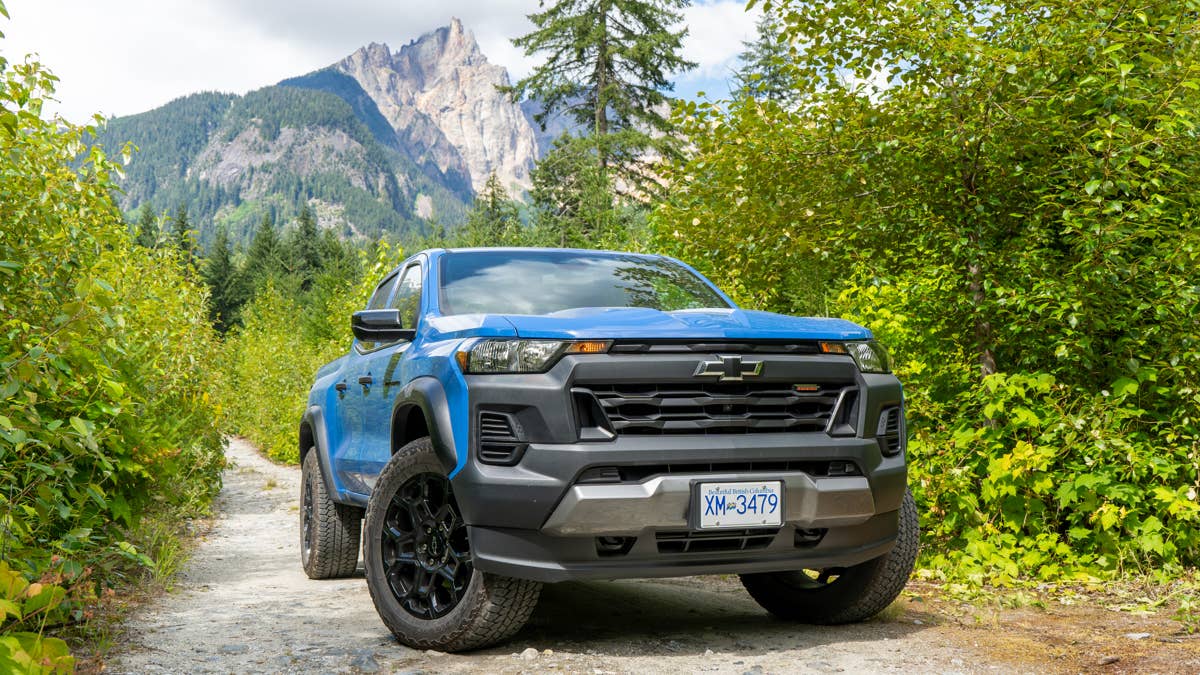
The Chevy backed that up with eager low-speed response, a well-matched eight-speed, and an entertaining turbo whistle. The Ranger pulled hard on boost, but lag and reluctant downshifts could disrupt smooth driving. Its transmission was also less agreeable in slower traffic, where it often seemed unsure of which gear to be in. My impressions favor the TurboMax for everyday driving. Ford’s more diverse engine lineup still deserves credit: you can retain the less expensive 2.3, upgrade to the 2.7 without buying a Raptor, or spend considerably more for the Raptor’s additional 95 horsepower over any Colorado. Still, the Colorado’s powertrain offers far more for less, generally speaking.
That engine equation is likely to change for 2027, however. As Autoblog reported on October 19, the Ranger’s XLT and Lariat are expected to replace their optional 2.7-liter V6 with “a bigger, more powerful 3.0-liter EcoBoost V6.” That likely means a detuned version of the Raptor’s engine, though that report didn’t confirm final output or pricing.
Shopping for a new car? Click here to get a great deal on your next vehicle. Powered by Carvana: no-haggle pricing, 100% online.
Ford
The Cabin Changes As You Climb The Range
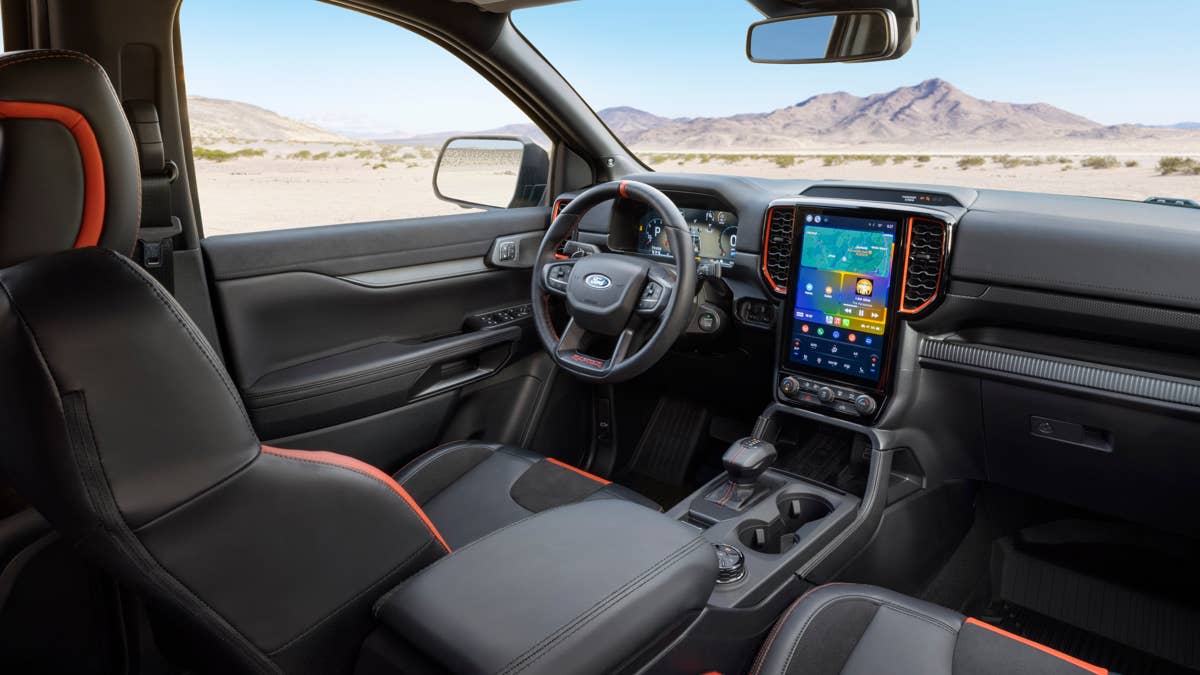
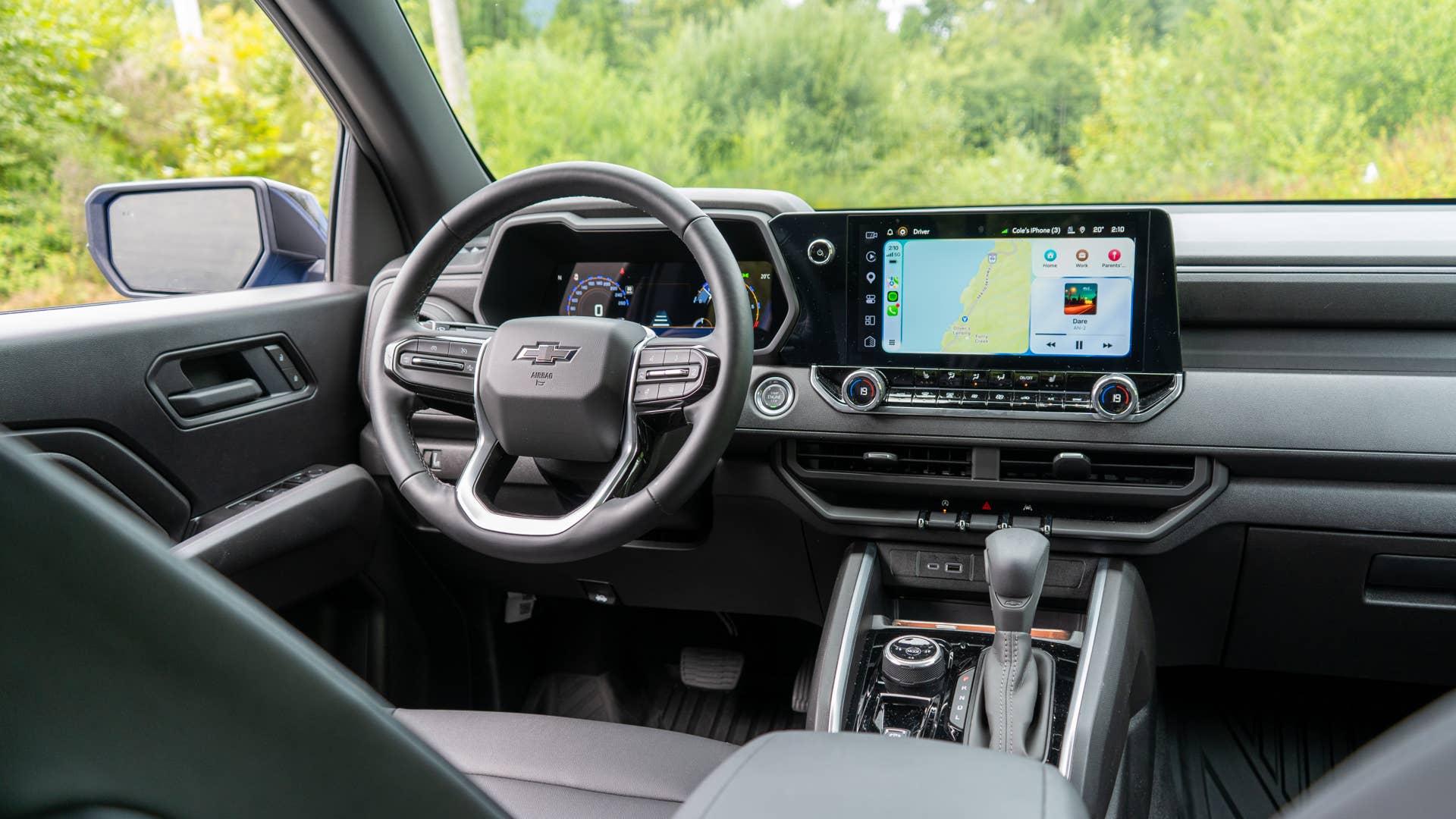
Both trucks offer crew cabs and five seats. Chevrolet installs an 11.3-inch touchscreen and 11-inch instrument display across its range. Ranger XL and XLT start with a 10-inch touchscreen and an 11-inch cluster; XLT adds a 12-inch touchscreen, while Lariat and Raptor get two 12-inch displays. My Lariat demonstrated the appeal of spending more on the Ford: heated ActiveX seats, B&O audio, proximity entry, and a useful power-sliding rear window. Opening that glass reduced buffeting with the side windows down. The seat, though durably appointed, wasn’t the most comfortable place to spend two separate six-hour straight driving stints, and its stiff headrests and limited arm support left my neck and shoulders aching. The Colorado’s Evotex seats suited my outings better, though apart from some multi-hour highway jaunts, I didn’t take the Colorado on as extensive a road trip as I did with the Ranger, so take that with a grain of salt.
Cole Attisha/Autoblog
My Trail Boss lacked proximity unlocking and a telescoping steering wheel, but crucially, those aren’t shortcomings across the Colorado lineup. LT, Z71, and ZR2 have both, but even a Ranger XL supplies a telescoping wheel. Chevrolet’s trim ladder therefore requires closer scrutiny before consideration. The less expensive LT has conveniences the Trail Boss omits. Z71 combines more cabin amenities with its outdoorsy presentation, and it also offers ventilated front seats, which ZR2 includes as standard; the upper Rangers’ front seats offer heating without ventilation. I preferred the Chevy’s cabin overall, but I’d choose its equipment carefully. Paying more doesn’t always mean keeping everything from the cheaper version.
Cole Attisha
Off-Road Hardware Changes The Character
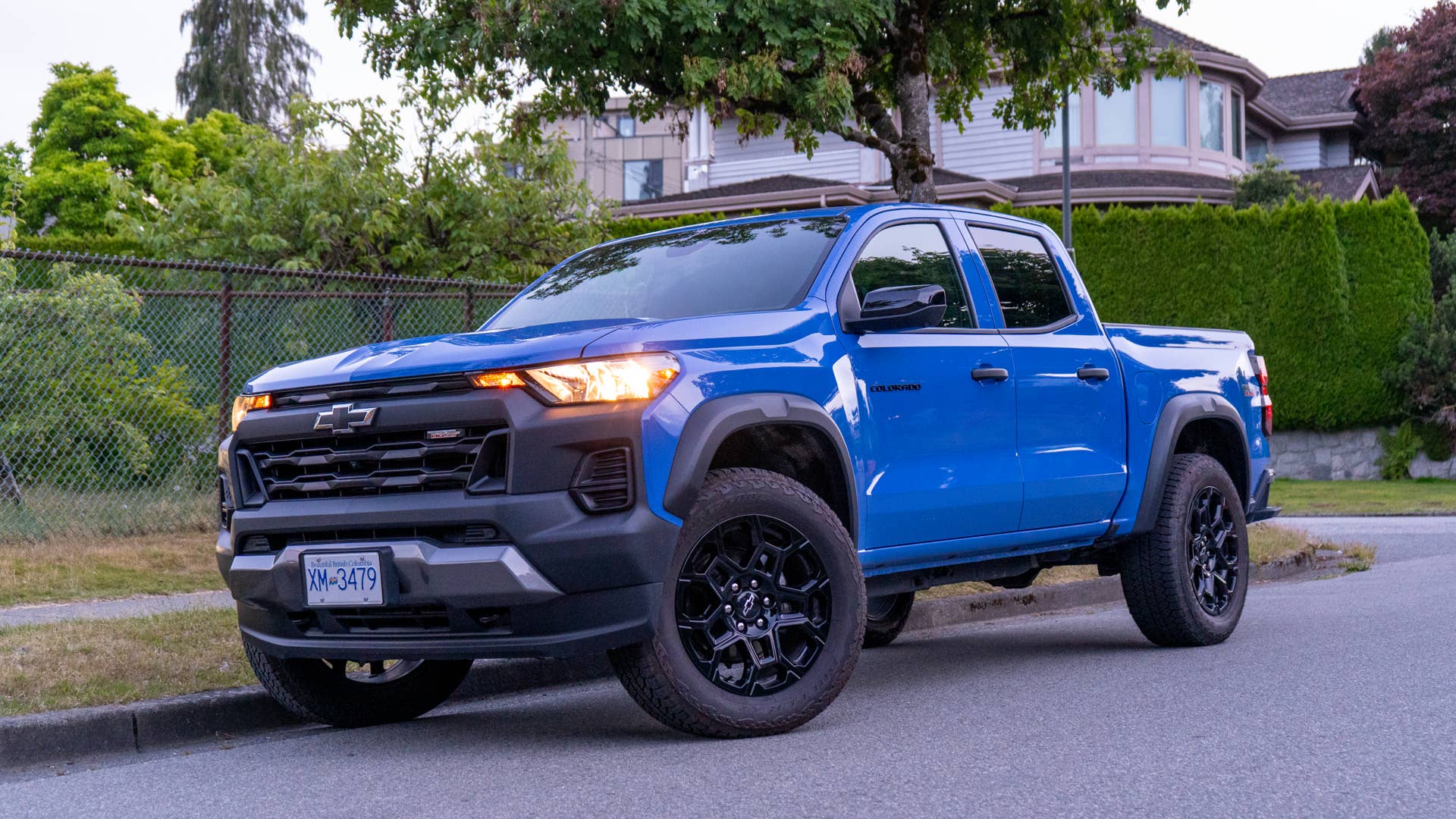
The regular Rangers provide a familiar pickup layout, with rear leaf springs. The FX4 package adds off-road-tuned shocks, skid protection, and Trail Control without requiring the Raptor’s price or thirsty engine. The Colorado Trail Boss, by contrast, takes a visibly different approach with a two-inch lift and a wider stance. My Reef Blue example’s optional 20-inch wheels and 33-inch tires looked the part, although its firm ride was obvious on rough roads. The standard setup is 18-inch wheels with 32-inch tires.
Z71 brings additional equipment without the Trail Boss’s two-inch lift. ZR2 is the more substantial mechanical departure, with a three-inch lift, Multimatic DSSV dampers, and front and rear lockers. Bison adds 35-inch mud-terrain tires, further underbody protection, and jounce-control dampers. Ford answers with the Raptor’s Fox Live Valve dampers, coil-sprung Watts-link rear suspension, front and rear lockers, and a 405-hp V6. These are meaningful reasons to shop particular versions.
Cole Attisha
Beds, Back Seats, And Trailer Numbers
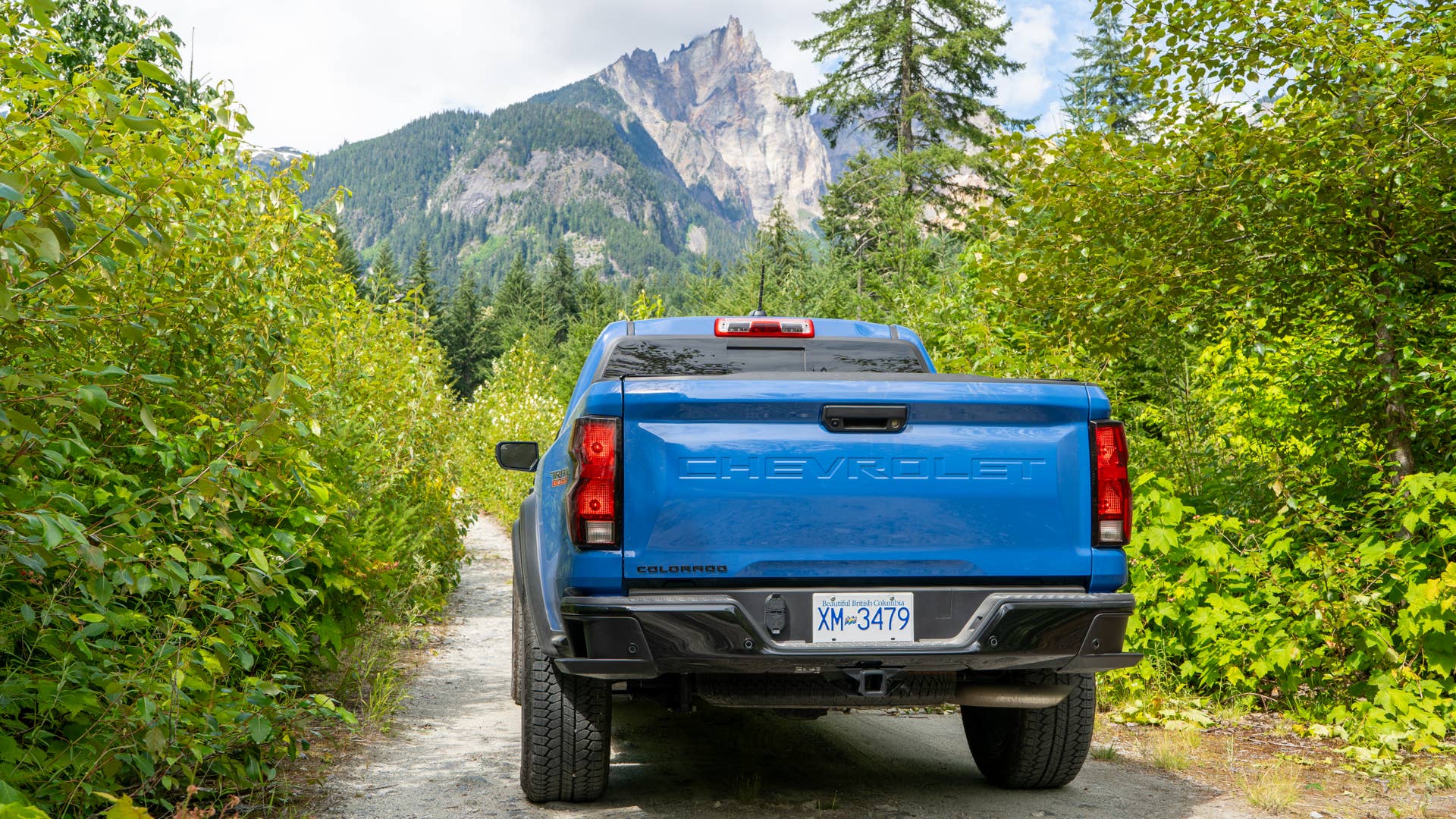
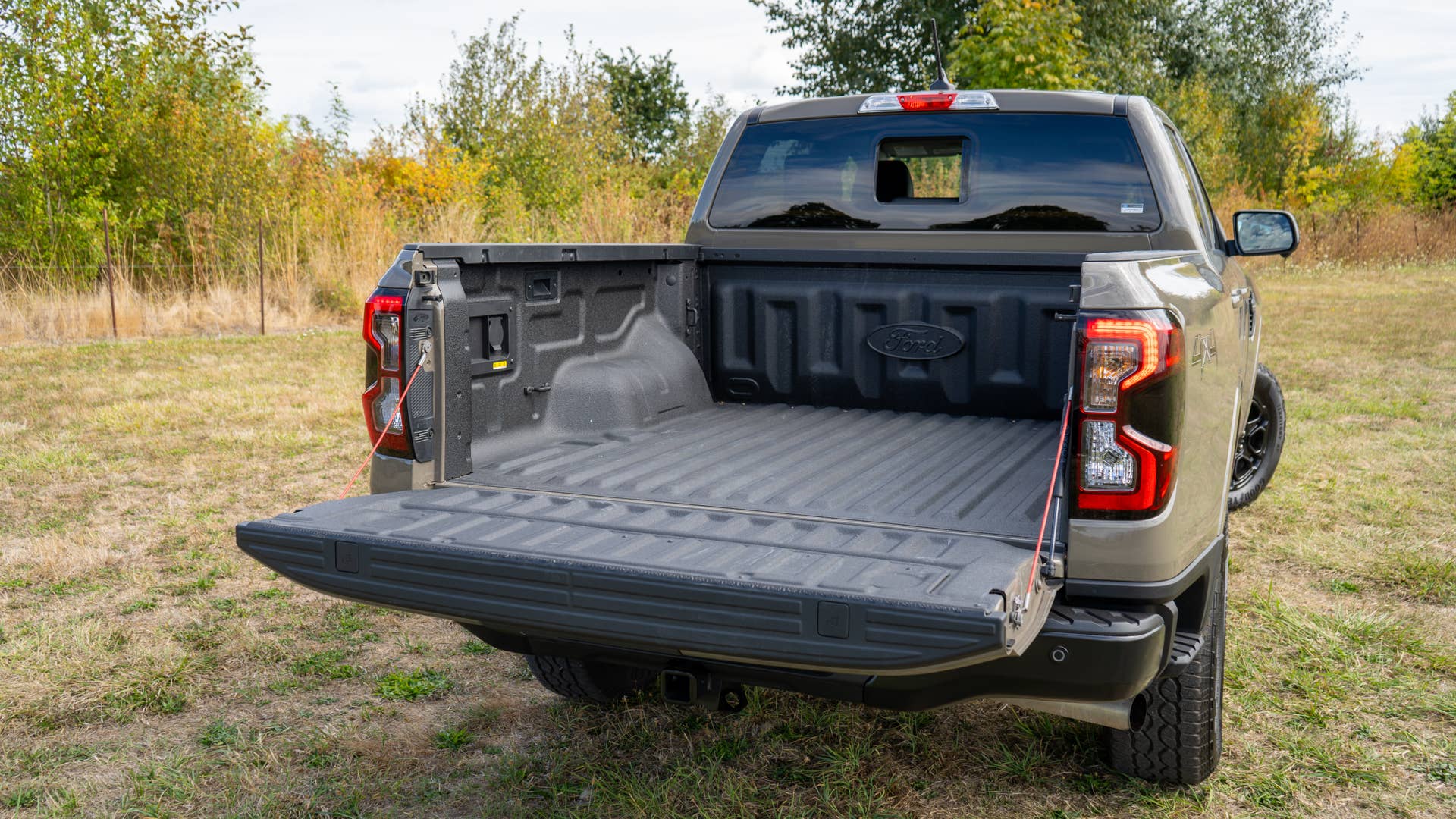
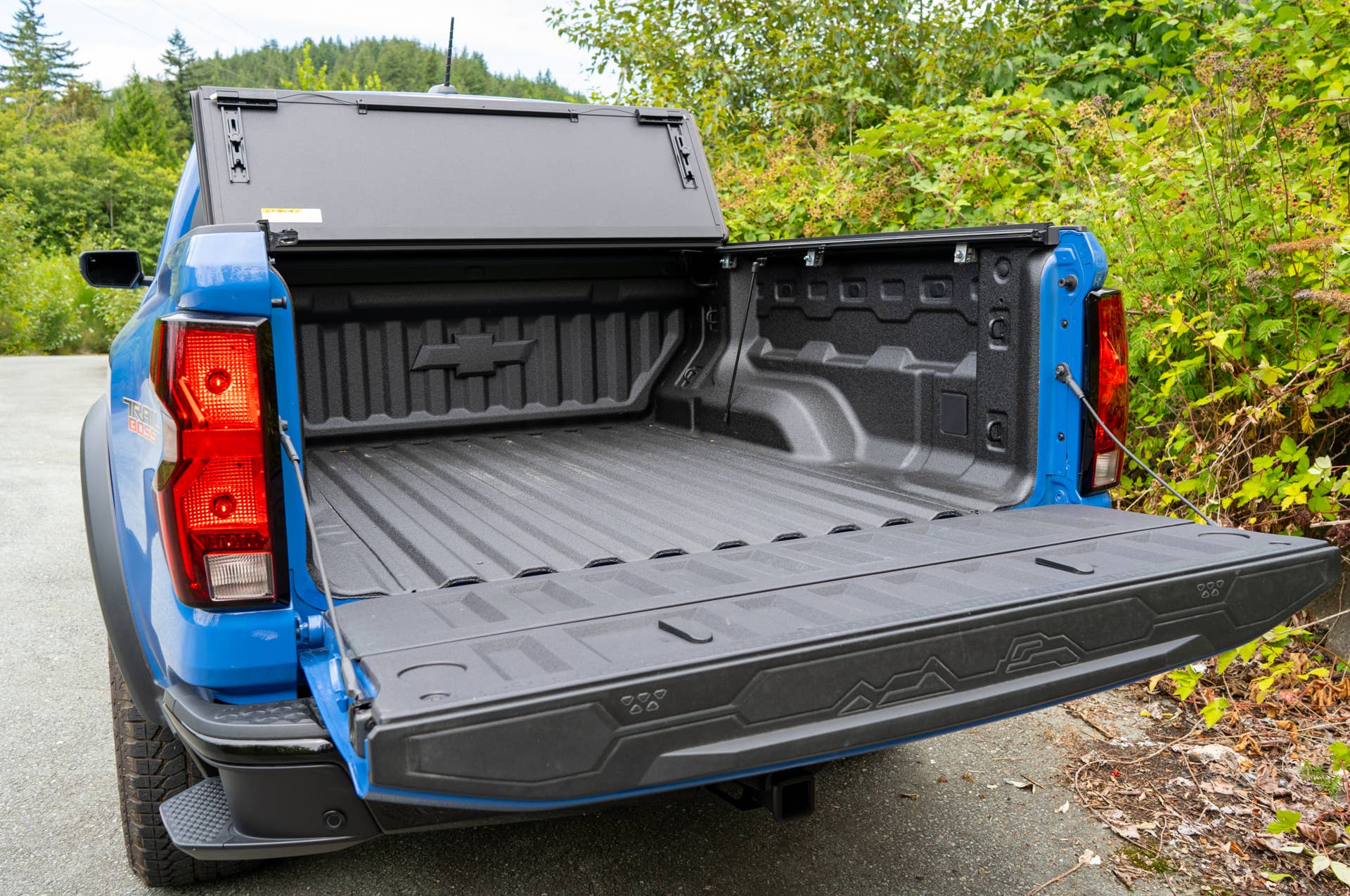
Both ranges offer a single crew-cab, roughly five-foot-bed format. Ford gives you a wider bed floor; Chevrolet gives you more length.
|
Practicality measure |
Ford Ranger |
Chevrolet Colorado |
|---|---|---|
|
Bed length |
59.6 inches (5 ft) |
61.7 inches (5 ft 2 in) |
|
Width between wheel housings |
48.2 inches |
45.5 inches |
|
Bed volume |
43.5 cu. ft. |
41.9 cu. ft. |
|
Rear legroom |
34.6 inches |
34.7 inches |
|
Maximum advertised payload |
1,767 pounds |
1,710 pounds |
|
Maximum towing, regular configurations |
7,500 pounds — 2.3L or 2.7L |
7,700 pounds — appropriate trailering equipment |
|
Specialist-model towing maximum |
5,510 pounds — Raptor |
6,000 pounds — ZR2 |
Payload and towing are configuration-dependent maxima, not every truck’s capacity. Options, occupants, cargo, and trailer tongue weight affect usable capacity. The highest payload and towing figures need not occur together.
Cole Attisha
A tenth of an inch doesn’t make one rearward cabin substantially more desirable than the other, but the bed-width difference could matter for your regular load. I also liked the Colorado’s tailgate ruler markings, and its roughly 2 more inches of length is worth noting. For towing, Chevrolet’s headline advantage is only 200 pounds on most models. Ford’s base four-cylinder can reach its regular Ranger maximum, so the V6 upgrade doesn’t raise the ceiling. Choose Raptor or ZR2 hardware, and the towing limit drops, though the Raptor sacrifices more hauling capability than the ZR2 does. Fuel economy also depends entirely upon specification. My V6 Ranger returned 22.2 mpg on its highway-heavy trip; the Trail Boss managed roughly 17 in mixed use, but their different routes skew that comparison.
Cole Attisha
Which One I’d Rather Live With
Ford makes a persuasive case through choice: an affordable four-cylinder, an optional V6, and a Raptor with substantially more horsepower than Chevrolet offers. Its wider bed and available cabin equipment add practical reasons to consider it. That said, I’d still buy the Colorado out of these two if it came down to it. Its standard engine supplies the torque I want without an upgrade, and I preferred how its powertrain and cabin worked during my test. Plus, I’d be lying if I didn’t admit its loud, whistling turbo noises hadn’t factored into that decision. The Colorado’s appeal goes beyond the Trail Boss badge, but it’s still the one I’d go for, since I appreciated its no-frills, pure-capability direction, though I still wish it at least had a telescoping steering wheel.
Autoblog aims to feature only the best products and services. If you buy something via one of our links, we may earn a commission.