Wired for Success
The Mazda CX-5 remains one of the brand’s most important models, having sold 11,345 units in the U.S. in September 2026, a 37.8% increase over the same month last year. As such, ensuring the nameplate’s competitiveness is crucial, and in Japan, Mazda is doing so by improving supply chain and manufacturing efficiency, more specifically, wire harness production.
In collaboration with Japanese automotive supplier Yazaki, Mazda optimized the CX-5’s design and redesigned wire harnesses to make traditionally labor-intensive manufacturing processes easier to automate, reducing the number of wire harness variants by approximately 80% compared to the previous-generation model. These changes should strengthen production of the CX-5 in Japan, where U.S.-bound examples are manufactured, especially now that modern cars rely more on sophisticated electronics and software-driven systems, including advanced driver-assistance features (ADAS).

Amos Kwon
Why Wires Matter
The importance of wire harness production was brought into focus when Russia invaded Ukraine in 2022. Ukraine was an important manufacturing location for automotive wire harnesses, and the invasion caused supply chain disruptions that significantly affected brands like Volkswagen and BMW.
Mazda believes that its collaboration with Yazaki will improve its ability to respond to change and strengthen cost competitiveness, though the Japanese marque didn’t mention exact cost savings. Additionally, the two companies focused on near-site production, reducing the risk of potential supply chain disruptions. The wire harnesses are assembled at a Yazaki affiliate’s plant in Mine City, Yamaguchi Prefecture, and delivered to Mazda plants in Hiroshima and Yamaguchi prefectures.
While the CX-5 is the first model to benefit from this, Mazda confirmed that the manufacturing improvements will be extended to other models as well. The initiative is part of the brand’s “Manufacturing Innovation 2.0” strategy under its 2030 Management Policy.
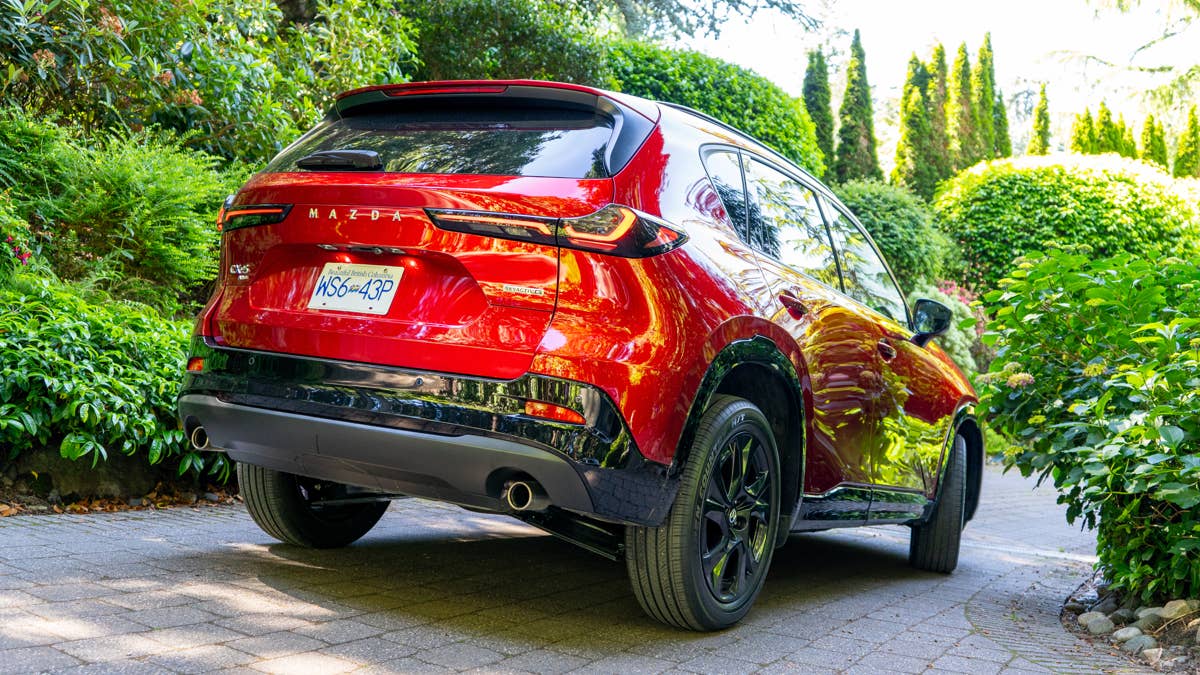
Cole Attisha
The Next Connection
Based on the press release, the current production arrangement directly benefits Mazda’s Japanese plants. That leaves open whether vehicles built outside Japan, such as the CX-50, which is produced at a shared U.S. plant with Toyota in Huntsville, Alabama, could eventually benefit.
Because electrified powertrains rely heavily on electrical connections to distribute power and transmit signals, the new wire harness production method could also help support Mazda’s upcoming proprietary hybrid system paired with the Skyactiv-Z engine. The powertrain is expected to be introduced in the CX-5 by the end of 2027, supporting the brand’s longer-term electrification strategy.
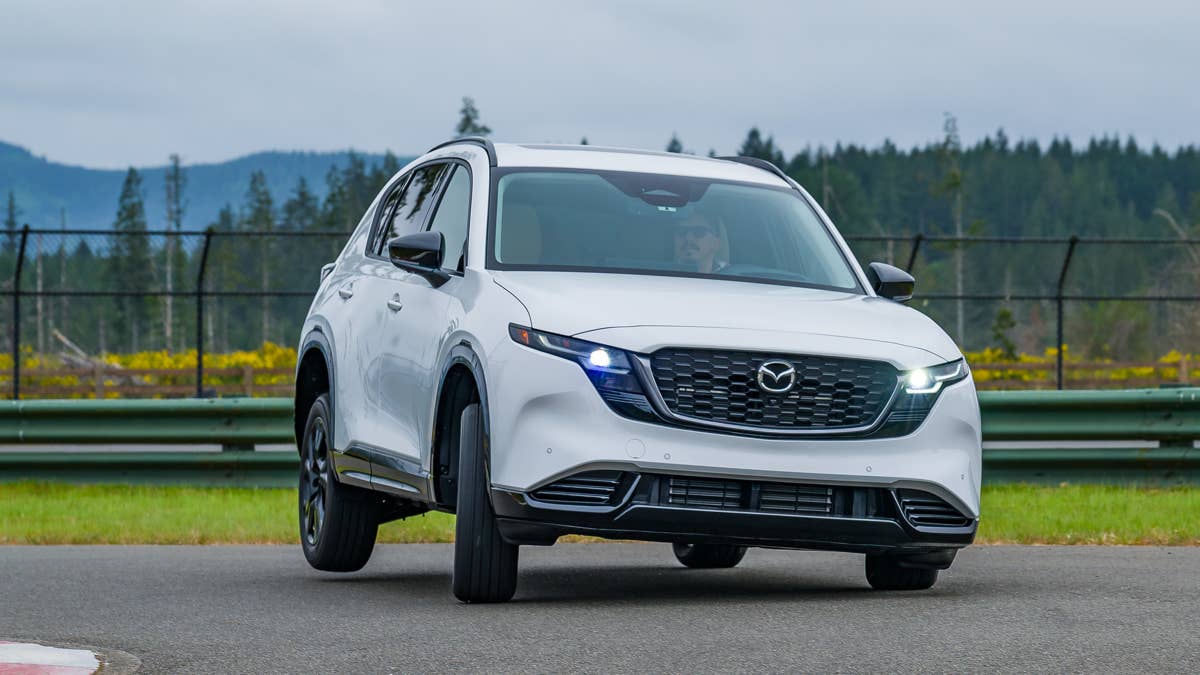
(C) 2026 Doug Berger | DBPics