Be honest: when you shop for a luxury car, you don’t think about the sticker price first. You think about the monthly payment. Denza, BYD’s premium brand, seems to know it. It’s no secret that most buyers of expensive new cars finance their purchases, not only because they have to, but also because sometimes it is the financially sensible thing to do. BYD intends to use this dynamic in the same way that luxury brands in the West have for years.
Why BMW And Mercedes Should Care
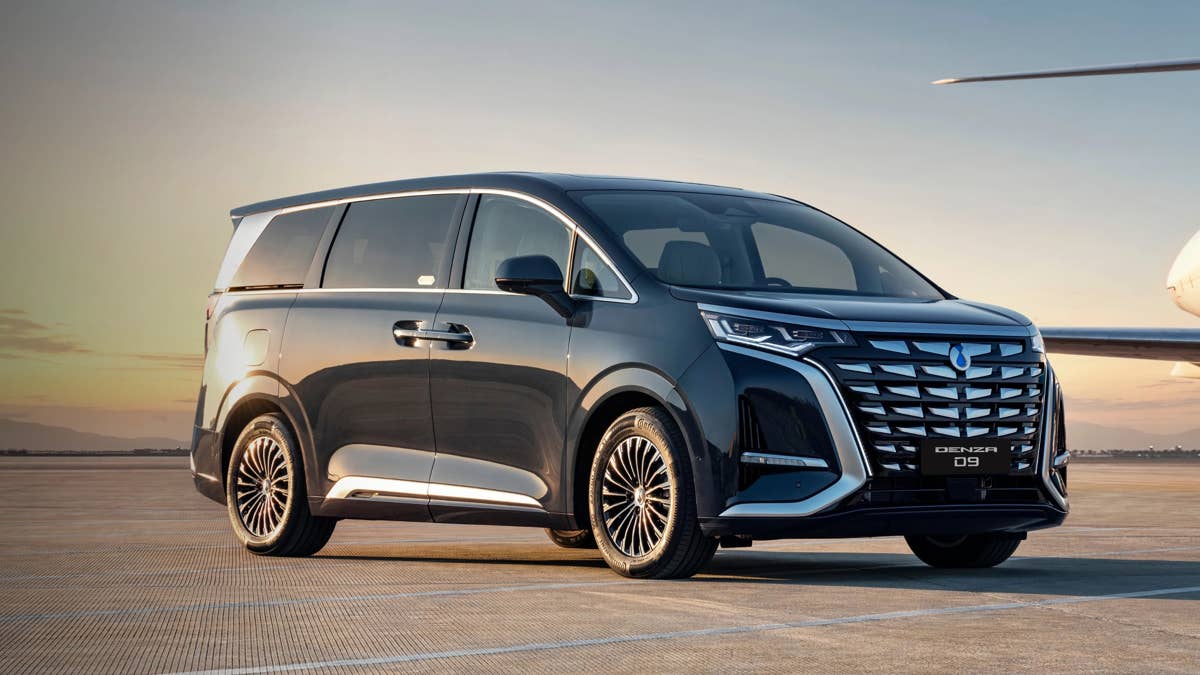
Denza
According to a report from Bloomberg, the brand is considering launching its own vehicle-financing business in Europe, possibly starting in 2027. It’s a possibility, not a confirmed launch, and there’s no word yet on who owns it, which banks are involved, or where it would start. In Europe’s premium segment, payments and resale values often decide which badge ends up in your driveway, which is why BMW and Mercedes-Benz both run huge in-house finance arms to fund leases and loans at their dealers. A Denza version could offer loans, leasing, and other payment packages right next to the car, so you wouldn’t need to haggle with a bank at all. Whether the deals would actually be cheaper is a different question, and nothing has been announced on terms.
The Catch: Nobody Knows What A Denza Is Worth Used
Running a car bank isn’t easy. Denza would have to fund the loans, vet borrowers, absorb the ones that go bad, and predict what its cars will be worth in three years. That last part is the problem for a brand that only launched in Paris in April and has no European used-car history. Partnering with an existing lender is the easier route, and the report says no structure has been picked.
It Isn’t Starting From Zero
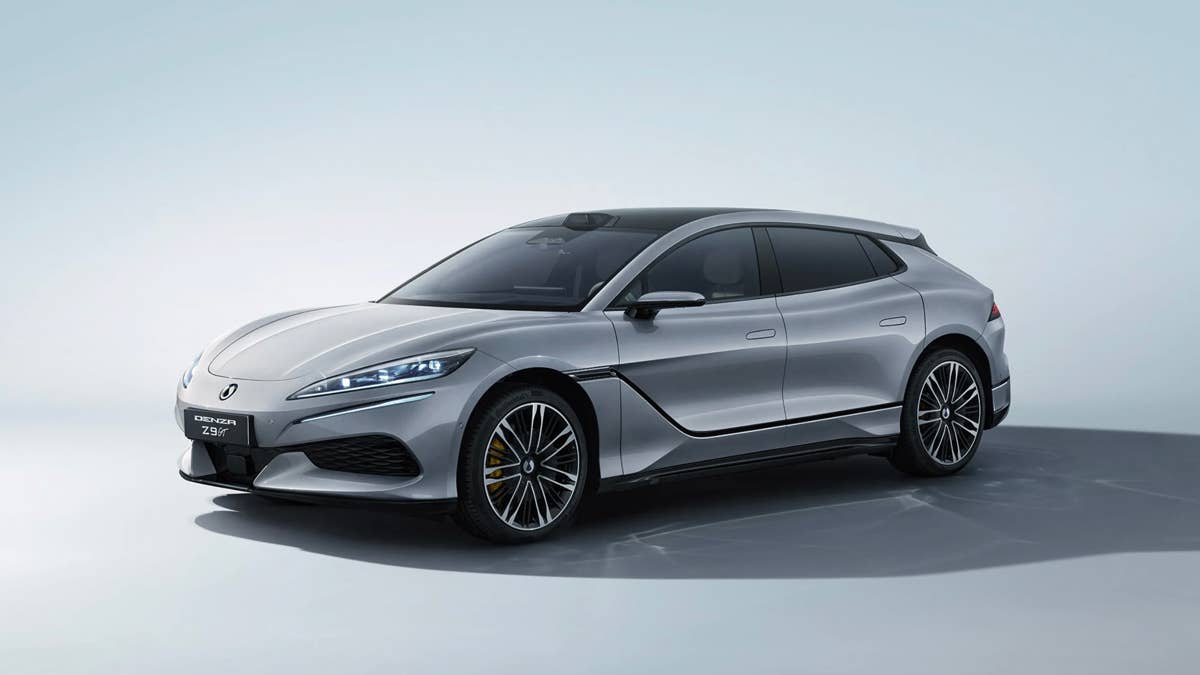
Denza
Denza began life as a BYD-Mercedes-Benz joint venture before BYD bought it outright. Its first models outside China are the Z9 GT electric shooting brake and the D9 plug-in hybrid minivan, and it says it will be in more than 30 European countries with over 150 outlets by the end of 2026. Chinese brands are also gaining fast: they took a record 11.7 percent of European registrations in August, up 111 percent from a year earlier. BYD alone held 3.1 percent of the EU, EFTA, and UK market, up from 1.4 percent, per ACEA data. BYD first passed Tesla in Europe in 2025, and it hasn’t slowed down.