In 2023, Chevrolet sold more than 60,000 of its electric Bolt hatchback. For a long time, the Bolt was the best-selling electric car in North America that wasn’t a Tesla. Then GM killed it, temporarily, baffling everyone. Now the Bolt is back and it seems like nobody wants it.
The Morning Dump today starts with the sad news that Chevy is reportedly cutting back its already limited production plans for the Bolt. At the same time, VinFast is trying to revive its plans to be an EV-only automaker in the United States with some new cars and a CPO program.
Are electric cars just capped at a certain level and that’s it? The CEO of Stellantis is embracing the idea of giving consumers “Freedom of Choice” with EREVs. Who are the most freedom-of-choice brands? Hyundai and Kia could make a case, and unsurprisingly they both had great Septembers.
Did We All Let The Chevy Bolt Down?
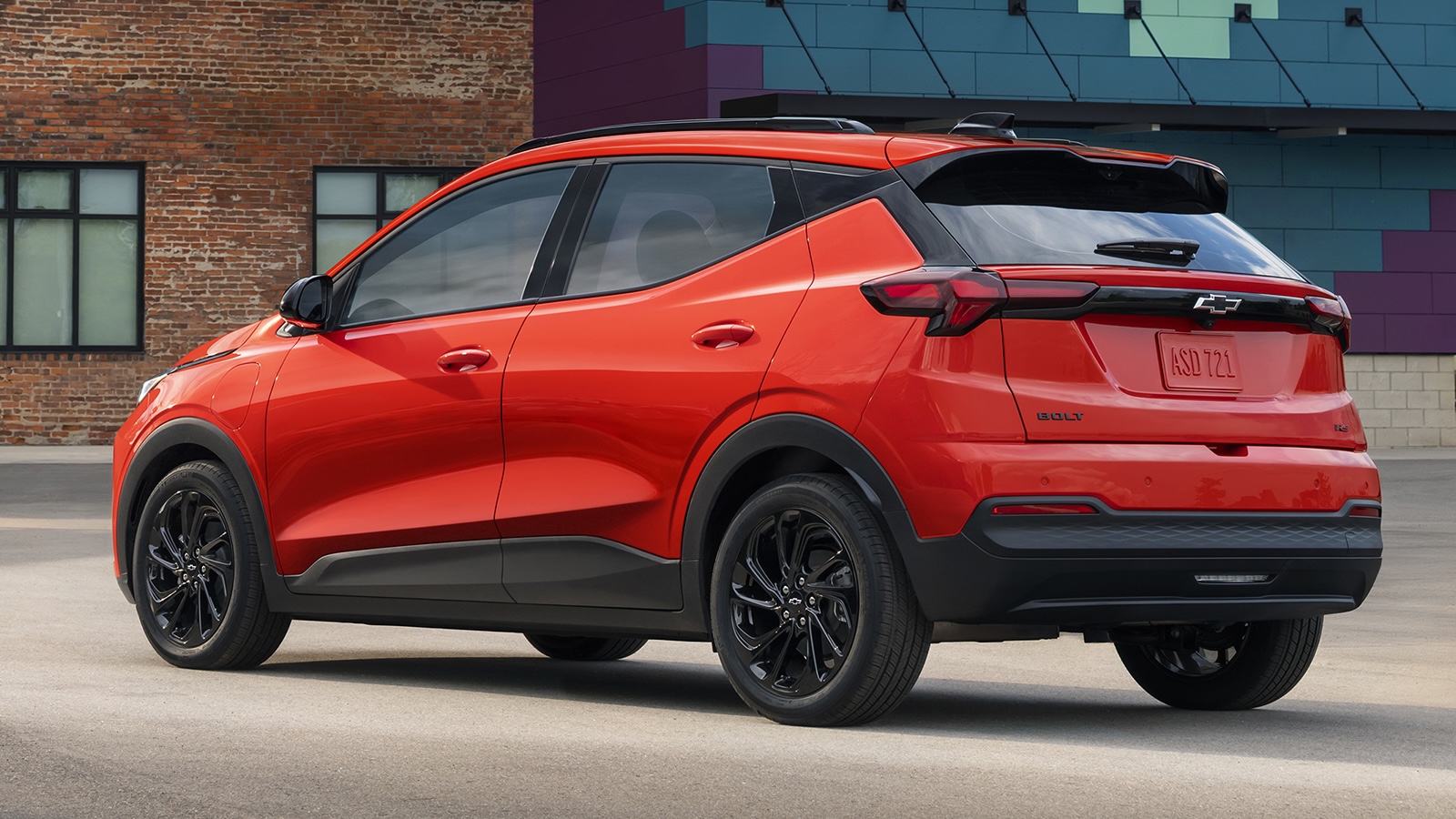
A report came out earlier this week that I missed, stating that the reworked neue Chevy Bolt is already such a flop that the already limited production is going to be cut back. Here’s what Reuters reported:
“The Kansas City-area plant where the Bolt is made is now on pace to make about 35,000 of the small SUVs in total before production of the vehicle ends in the first quarter of next year, said Dontay Wilson, president of the United Auto Workers local chapter that represents factory workers.
The plant originally had been on track to make around 150,000 Bolts by then, Wilson told Reuters Monday. The union’s estimate is based on the daily volume of vehicle production at the plant, and not a number provided by GM, he said.
In a statement, the Detroit automaker declined to comment on Bolt production. “We continuously evaluate market dynamics and customer demand,” it said.”
That sucks. The 2027 Bolt, in base trim, costs about $28,995 delivered, meaning it’s a sub-$30k car, with a totally decent 262 miles of range. We all got big mad when the Bolt was initially canceled. The reasoning that GM gave was the new Equinox was going to be priced roughly the same (after incentives), and even the lowest spec version was going to be bigger and nicer.
Recognizing maybe this was a shortsighted decision, GM reversed course, saying the company would update the Bolt a little, move production to Kansas City, and make a limited run. The idea of a limited run also irked some, though now it seems like the right move.
Who let down the Bolt?
Was it the fault of journalists, for saying a sub-$30k small hatchback would be a hit? I don’t think we helped. I sort of assumed that selling a limited run of these wouldn’t be so hard to move, but looking at Q2 deliveries, the 3,433 sold isn’t enough to sustain the original production run. Was it the loud cadre of Bolt fans who were upset with GM for killing the little car who then, I guess, didn’t buy the car that doomed it?
Certainly, the canceling of tax incentives didn’t help, though by the time the Bolt was coming back, it was clear the Inflation Reduction Act might be on the way out. Perhaps it’s GM, for losing momentum by cutting the model for a couple of years. However, for a few more dollars, I’d personally probably get the cheapest Equinox EV, and through the first half of the year the larger crossover outsold the Bolt by almost 4-to-1. Maybe GM was right to cancel it.
Or, maybe, it’s just the market. People want affordable cars, but $30k for a vehicle that only realistically goes 220 miles comfortably between charges is steep. At that price, you’re in Civic Hybrid/Corolla Hybrid territory, and you’re getting a larger vehicle with probably better resale value and no range anxiety. There’s also good competition in the EV space if that’s what you want, including the Nissan Leaf and upcoming Kia EV3.
I’m not going to pretend like this isn’t a bummer, because it is. I’m not going to pretend like I saw it coming, because I didn’t. Does this make Tesla’s decision to kill the cheaper Model 2 more reasonable? Is this bad news for the Ford Fathom?
I have more questions than answers this morning.
VinFast Still Won’t Quit

Every year I get to write the what the hell is up with VinFast article, I guess. What a treat! If you’ve forgotten, here’s what I wrote last time:
If you weren’t aware, VinFast is the project of Pham Nhat Vuong and VinGroup. This is a major company in Vietnam that deals in theme parks, retail, batteries, and real estate. What would it like to be? Everything you love… about cars. As a carmaker, the company has found some success in Vietnam, where it has both a local brand advantage and a production base. Seeing the huge moves by Tesla, Vuong put over $10 billion of the company’s riches into developing an electric car to sell locally and in Western markets
It didn’t go well. Emme Hall covered the launch of the VF8 City Edition for us, and the car stopped working multiple times. The car was recalled after some issues, and VinFast even offered to pay customers for the times its vehicles broke. Not a great start. Even if VinFast had launched a perfect car, I’m not sure it could have competed. The company dove headfirst into the ultra-competitive, oversaturated two-row SUV market. Being built in Vietnam may have offered a price advantage, in theory, but Tesla went on a price cutting spree and lowered prices across the board. Then Congress passed the Inflation Reduction Act, further lowering the cost of cars from Tesla and other competitive automakers.
VinFast was, in a way, hurt by the Inflation Reduction Act, because it helped start a price war that an upstart brand with questionable products theoretically couldn’t survive. It has survived. And it’s weathered questions over whether it was ever going to actually build cars in North Carolina as it promised. Every few weeks I get a text from someone with a photo of a VinFast VF8 and someone asking me what the hell it is, so someone is buying them.
According to Automotive News, VinFast isn’t giving up yet:
Vietnamese automaker VinFast is reviving its U.S. sales push with a flurry of moves, including a certified pre-owned vehicle program, a freshened VF 8 crossover and three new franchised dealerships to bolster a dwindling retail footprint.
“This is more than an expansion of our network,” Brian Finnerty, CEO of VinFast North America, said in a Sept. 17 news release. “It is a long-term commitment by VinFast to the U.S. market as we enter our next chapter of growth.”
But the electric vehicle maker faces headwinds amid sliding sales, a limited lineup and a lawsuit by North Carolina to claw back a factory site. The state alleges VinFast missed construction deadlines as the automaker seeks an extension.
In addition to trying to add dealerships, the company is launching a certified pre-owned program and maybe will possibly could theoretically build a pickup or microcar in North Carolina.
Sure.
The Move To EREVs Is More About ‘Customer Choice’ Than Politics Says Stellantis CEO

In theory, the US was going to get an electric Ram 1500 that would maybe be for sale. That didn’t happen, and instead Stellantis shifted its focus to EREVs, with the Ram Ramcharger, which was then delayed.
It’ll get here, eventually, says Stellantis CEO Antonio Filosa, via The Detroit News:
After sinking billions of dollars into unprofitable electrified models, Filosa said a pivot to range-extended trucks and SUVs is driven more by “customer choice” rather than federal environmental regulations that have since been scrapped by the Trump administration.
[…]
Filosa said the powertrain is “a perfect powertrain for a niche of customers” who value torque, horsepower and towing capability.
“It’s a customer choice more than a compliance choice,” Filosa said.
I like choice.
The Choice Brands Are Doing Well
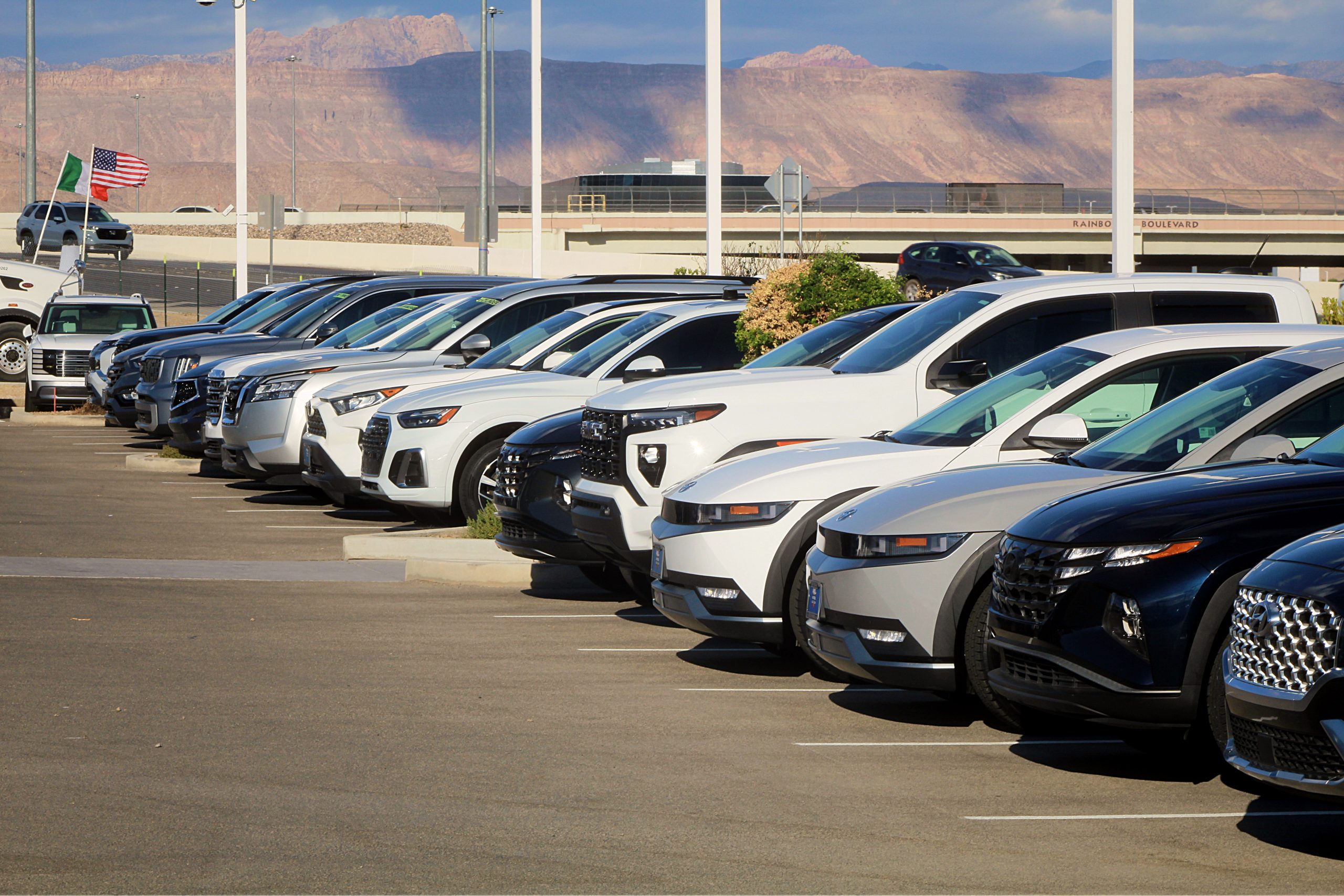
I’ll probably have a bigger write-up on Q3 sales data tomorrow after most other automakers release their data. The preview from Hyundai, Kia, and Honda show September wasn’t so bad if you sold hybrids according to Automotive News:
[Honda]’s sales were balanced across the board, with car deliveries up 15 percent and light trucks advancing 16 percent. Sales of the Accord hybrid rose 22 percent and CR-V-hybrid jumped 21 percent.
[…]
Hyundai said its hybrid sales rose 39 percent to 21,578, or 28 percent of all volume. At Kia, hybrid deliveries surged 152 percent last month, helping drive a 19 percent increase in retail demand.
Electric-vehicle demand fell sharply at both brands from a year earlier when consumers rushed to take advantage of expiring federal tax credits.
Hybrids!
What I’m Listening To While Writing TMD
Did I miss that Metric came out with a new album this year? I might have missed this. Enjoy “Time is a Bomb” off the new album.
The Big Question
Have you ever seen a VinFast? If not, what’s the strangest new car you regularly see?
Top photo: GM
The post Enthusiasts Begged For The Return Of The Chevy Bolt, And Then It Flopped appeared first on The Autopian.