A Quiet Shift Toward Chinese Manufacturing
For years, driving purists have cherished Mazda for its fiercely independent engineering and unyielding commitment to combustion engines. From keeping the rotary dream alive to perfecting the Miata, the Hiroshima-based automaker rarely follows the herd. But as the automotive landscape rapidly shifts toward electrification, even stubborn holdouts must adapt. The brand is now openly acknowledging that its path forward involves a significant detour through Chinese manufacturing.
Instead of rushing an imperfect in-house platform, the Japanese marque is leveraging established joint ventures to stay competitive. Company engineers insist current hybrid powertrains lack the visceral engagement loyalists demand. By leaning on battery architectures developed overseas, they can rapidly deploy new models without sacrificing the fundamental driving dynamics that fans expect.
Mazda
Deepening Ties With Changan for Future Models
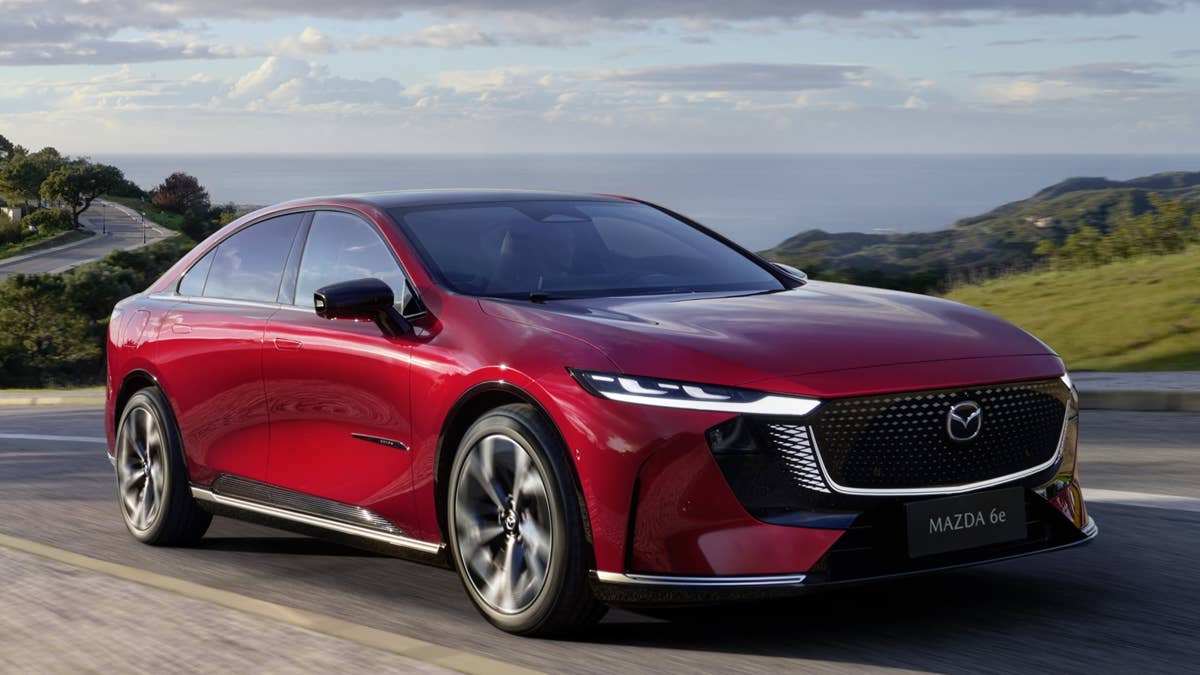
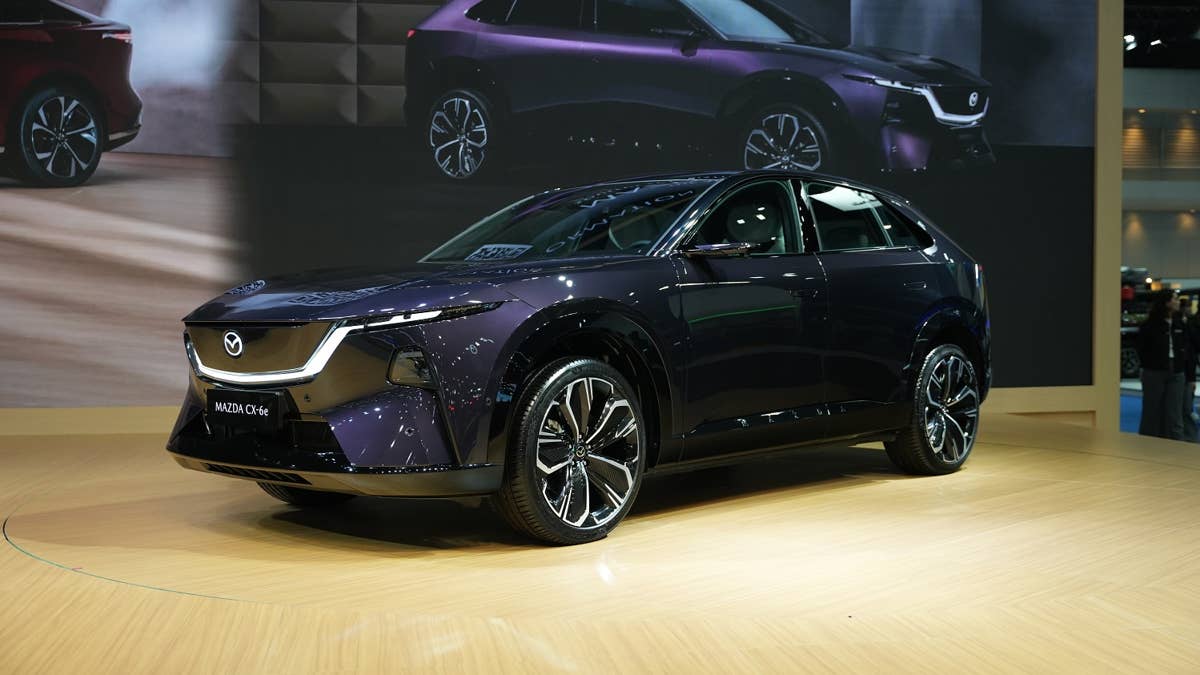
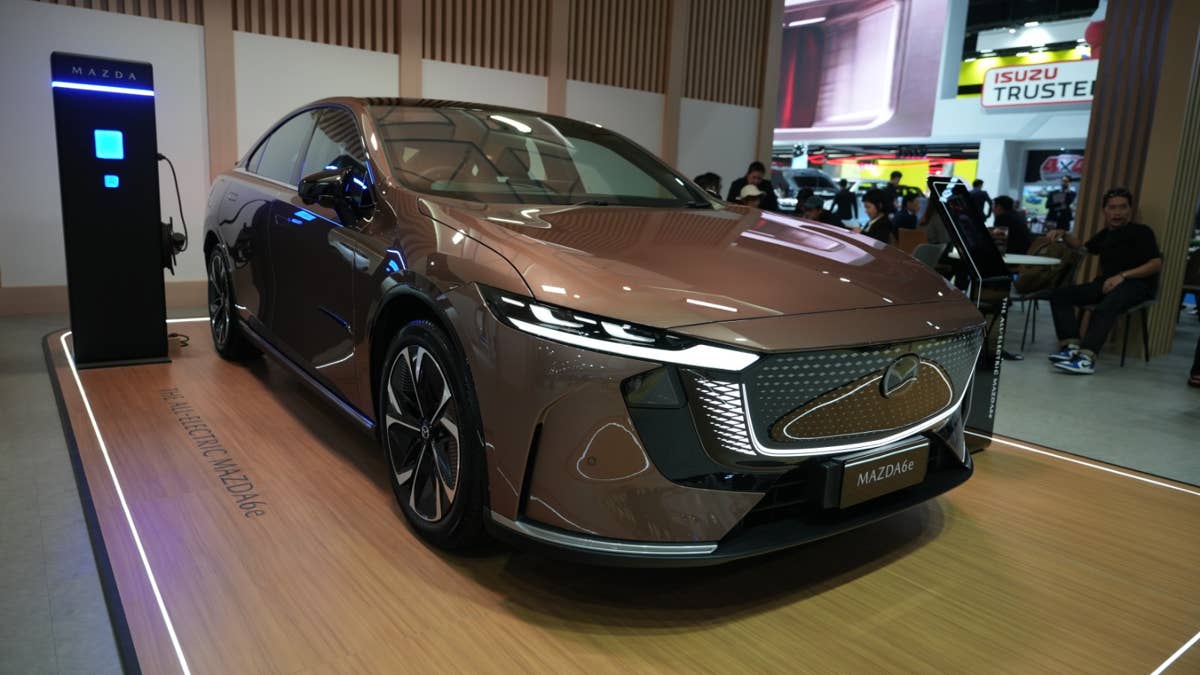
According to a report from GoAuto, Mazda said it is relying heavily on its Chinese partner, Changan, to expand its zero-emission footprint. The automaker is already launching the 6e sedan and CX-6e crossover in export markets. However, internal discussions are actively exploring a third and fourth model sourced from the Nanjing facility. This strategic pivot provides a crucial shortcut to navigate tightening global emissions regulations.
The urgency to outsource development stems from the brand’s own delays and cautious approach to electrification. Executives maintain full EV adoption requires more time before dedicated in-house platforms are viable. Instead of throwing billions at an accelerated internal program, outsourcing allows them to field competitive vehicles immediately. The European development team still handles suspension tuning to ensure these vehicles maintain a distinctive Zoom-Zoom character.
This reliance on Changan highlights the reality of modern vehicle development costs. After their initial EV failed to capture market interest due to dismal range, management realized they needed a new strategy. Tapping into China’s vast supply chain gives them necessary breathing room. It effectively buys the automaker crucial time until its dedicated electric architecture finally arrives around 2029.
Earl Lee/Autoblog
Balancing Heritage and Survival
Seeing a beloved Japanese automaker rely so heavily on borrowed architecture feels slightly disheartening. Gearheads want to believe that the creators of the RX-7 can engineer their way out of any regulatory corner using pure ingenuity. However, the automotive industry is unforgiving, and pride does not pay bills. Partnering with Changan isn’t a surrender; it is a pragmatic survival strategy that keeps the company afloat today.
By letting a partner handle the heavy lifting of battery architecture, the brand preserves its limited capital for projects that truly matter. If selling co-developed Chinese electric crossovers is what it takes to fund the next generation of driver-focused sports cars, it is a worthy trade-off. Enthusiasts should view these upcoming joint-venture models not as a dilution of heritage, but as the financial armor protecting its future.
Earl Lee/Autoblog