Dealership Labor Disputes Highlight Technician Shortage
While dealership service departments face mounting pressure from dissatisfied customers and longer repair wait times, frontline technicians are increasingly burning out. The industry relies heavily on a flat-rate pay system, which compensates mechanics based on estimated job times rather than actual hours worked. When estimates are fair, skilled workers thrive, but severe discrepancies easily lead to uncompensated labor.
This exact friction recently culminated in a highly publicized resignation. A veteran Toyota mechanic chose to walk away from a career of over a decade rather than let management silence his complaints about unfair pay practices. The incident has cast a necessary spotlight on the hidden realities of dealership compensation and growing unrest among professionals.
@thatyotaguy1 🤔what are yalls thoughts? Let me know in the comments!🤙 #thatyotaguy #mechanicsoftiktok #fypシ #dailyvlog #ToyotaTechnician
Aftermarket Warranty Slashes Pay For Tundra Repair
The breaking point for TikTok user @thatyotaguy1 occurred during a fuel tank replacement on a 2019 Toyota Tundra. Under normal circumstances, the standard book time for this repair is 2.3 hours. The technician accepted the job assuming he would be compensated for that standard labor estimate provided by the service system.
The situation shifted dramatically when an aftermarket extended warranty company intervened. The third-party provider refused the standard rate, insisting on paying only the Toyota factory warranty rate of 0.8 hours. This adjustment effectively slashed the mechanic’s pay for the job by two-thirds, prompting him to post a viral video criticizing technician exploitation.
The video quickly gained traction, and in response to the viral attention, management at Toyota Panama City reportedly ordered the technician to delete the post. Instead of complying, he refused the directive and immediately resigned after 11 years.
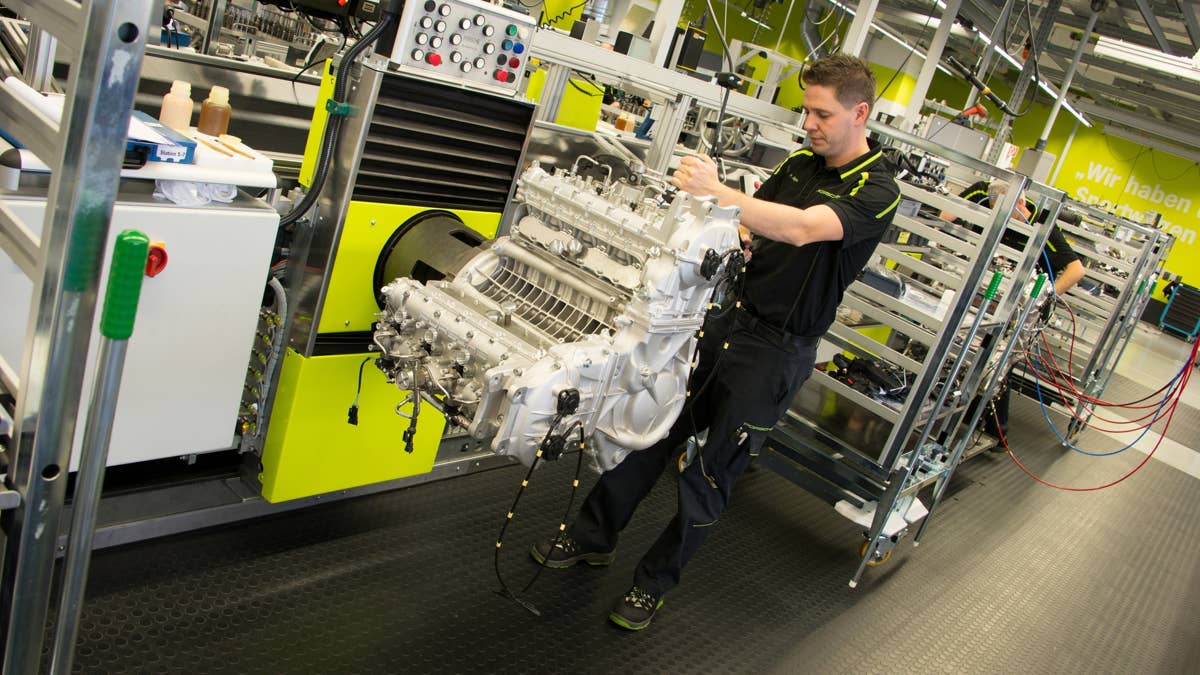
Michael Harley / AOL
Broken Compensation Models Drive Away Top Talent
It is fundamentally unjust for dealerships to force mechanics to absorb the financial hit when third-party warranty companies refuse to pay standard labor rates. Technicians invest heavily in their personal tools and specialized training, yet are routinely expected to accept reduced wages to appease corporate cost-cutting measures. This unsustainable business practice actively pushes skilled workers out.
Because vehicle maintenance costs naturally spike after five years of ownership, extended warranties remain popular, but their financial burden should never fall on workers. Today, fed-up car owners actively seek out independent repair shops to escape high prices. If dealerships continue alienating their best technicians with predatory pay structures, they will inevitably lose their remaining customer base entirely.