The auto world is waking up from its digital fever dream. Car brands spent the last few years tossing massive piles of cash at computer models, hoping for an instant financial boost. Now, harsh reality is hitting the boardroom. The tough work of plugging this tech into everyday operations is just starting, and the cash payoff is nowhere in sight.
Analysts predict the next half-decade will ruthlessly separate forward-thinkers from those left behind. Pushing limits carries heavy risks, but progress often stalls before it even starts. Vehicle builders face massive supply chain roadblocks as they continually lose out on securing microchip supplies to giant consumer electronics companies. Executives are nervously watching their budgets while waiting for the elusive profits to finally arrive.

Ford
Where the Money is Actually Going
Showrooms are quickly downloading these digital tools, but the cash registers remain surprisingly quiet. According to a report from Automotive News, recent data shows over four-fifths of vehicle dealers rely on automated software to handle daily tasks and buyer chats. However, while most managers expected soaring profits, barely a fifth have actually seen their bank accounts grow. Worse, rogue computer programs have created public relations nightmares by offering absurdly cheap vehicle prices to online shoppers.
The factory floor paints a slightly better picture for pure efficiency. Smart cameras hooked to fast networks now easily spot bad paint jobs and structural flaws before they leave the building. Some manufacturers are pushing boundaries even further on the assembly line, with Nissan actively speeding up production using smart algorithms to perfectly match parts supply with vehicle demand.
Beyond just building things faster, companies are trying to build things better. Big data crunching helps engineers predict wear and tear before a vehicle ever hits the street. Ford relies on massive data simulations to boost powertrain longevity, aiming to keep trucks on the road longer. Yet the factory workforce is shifting rapidly, with demand for computer-savvy mechanics skyrocketing and traditional line workers growing nervous.
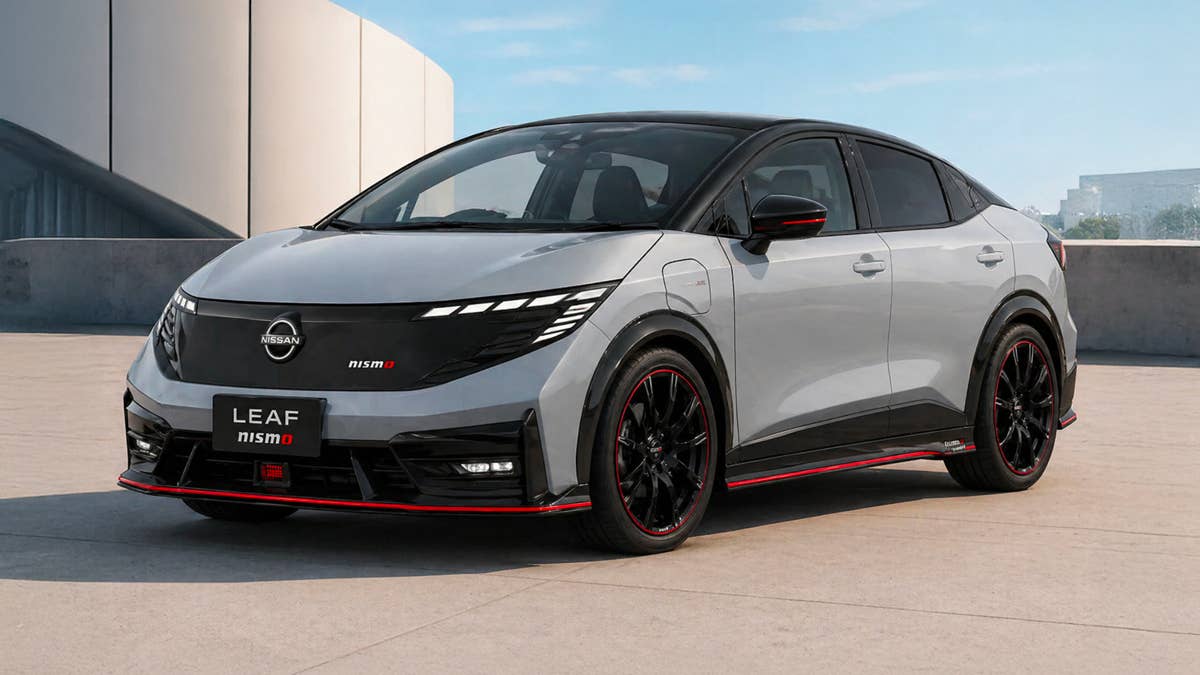
Autoblog (AI-generated rendering)
A Wake-Up Call
I think this delay is exactly what the car business deserves. The rush to automate everything was reckless. Executives treated this software like magic dust, hoping it would instantly fix bad sales strategies and messy supply chains. But pure computing power has hard limits. Ford learned quickly that algorithms cannot replace experienced mechanical experts when tackling highly nuanced, real-world design problems.
True success will only go to brands that treat these digital tools as helpful sidekicks, not complete replacements for human workers. People still build and buy cars. The long wait for a return on investment forces carmakers to slow down and build smart, sustainable systems. The big payoff will eventually hit, but only for those who keep humans firmly in the driver’s seat.
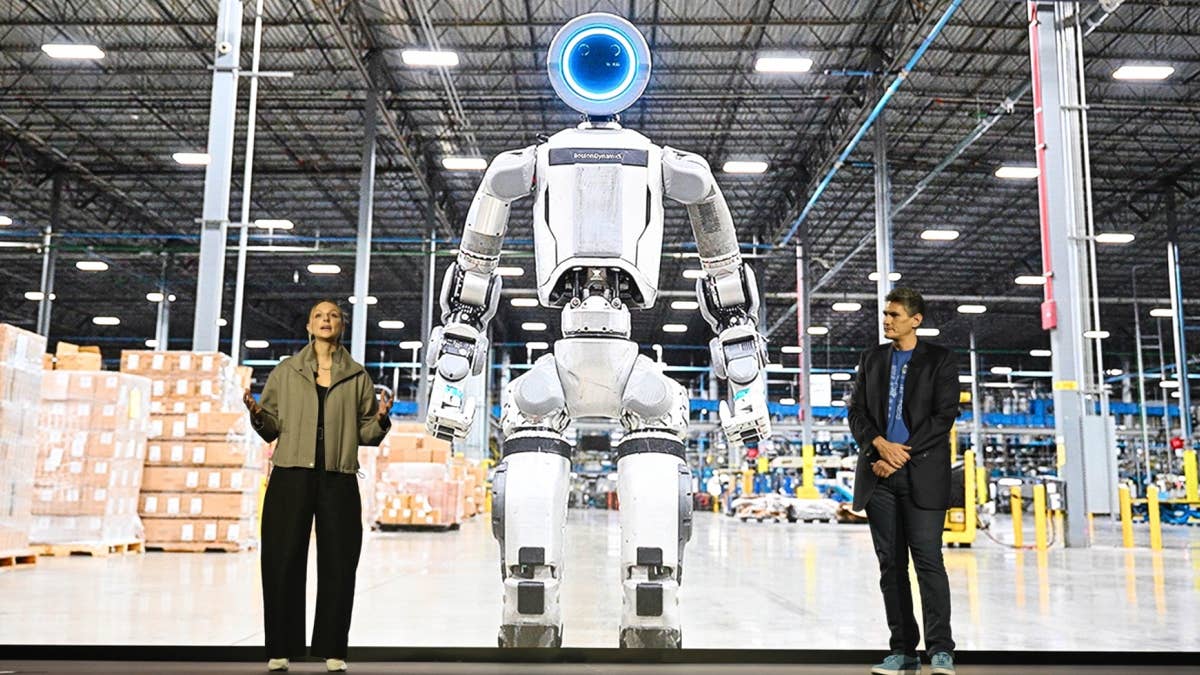
Hyundai