Screen Fatigue
Touchscreens were a far simpler affair back in the day, but now we can safely (or rather, unsafely) say the reliance on these screens has gone overboard. Consumers have spoken up that they want buttons back, along with more reasonably sized screens that don’t have to house almost every vehicle function. The good news is that some automakers are responding, while others are defying the trend.
Toyota and Honda are prime examples of brands keeping buttons, along with Hyundai and Kia. Volkswagen addressed the issue with the ID. Polo and ID. Cross by creating a cabin with the right number of buttons without an oversized screen. Now, Land Rover, more specifically Range Rover, has committed to lessening the screen acreage.
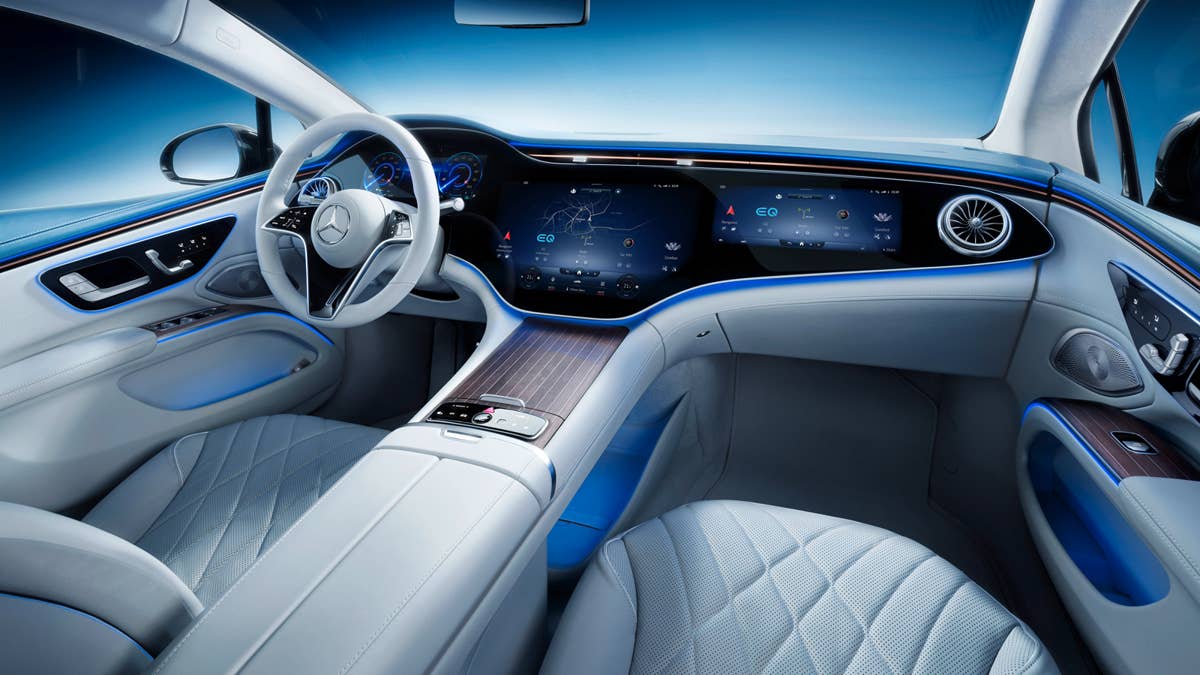
Great News, Right?
Right now, Most Range Rover-badged models share the same dashboard layout. That includes a digital cluster, a touch panel for the climate control system, and a large curved screen slapped right in the middle. In fairness, the full-size Range Rovers retain a pair of dials, but for the rest, there’s not much in the way of buttons.
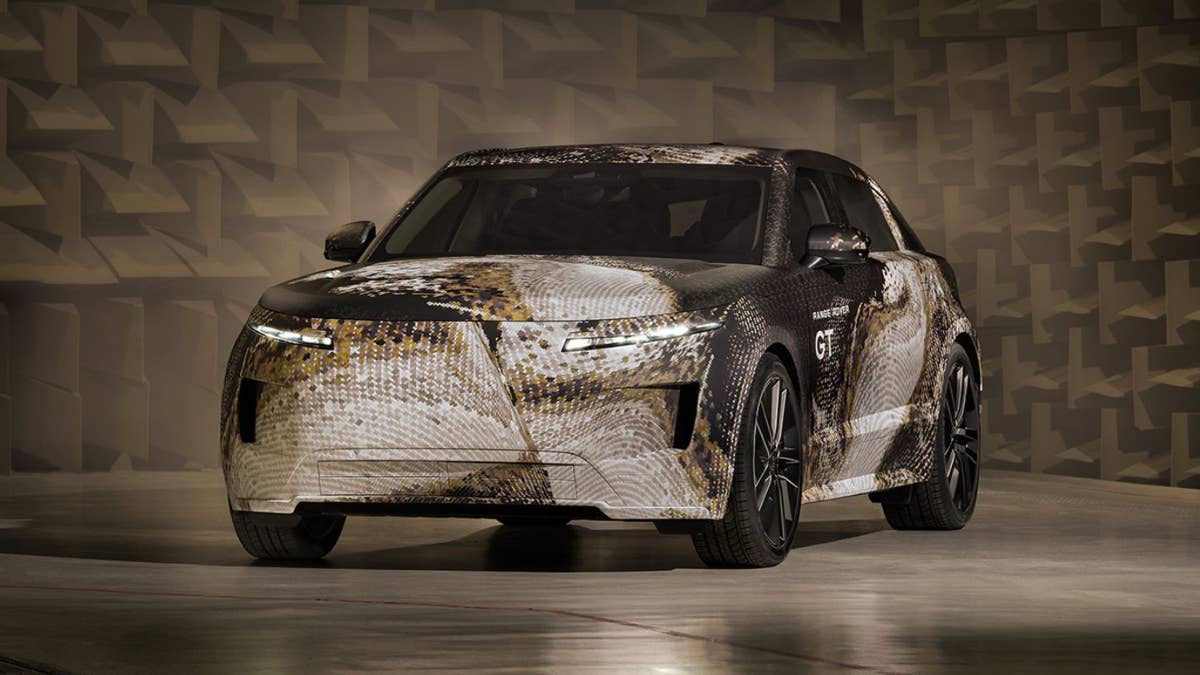
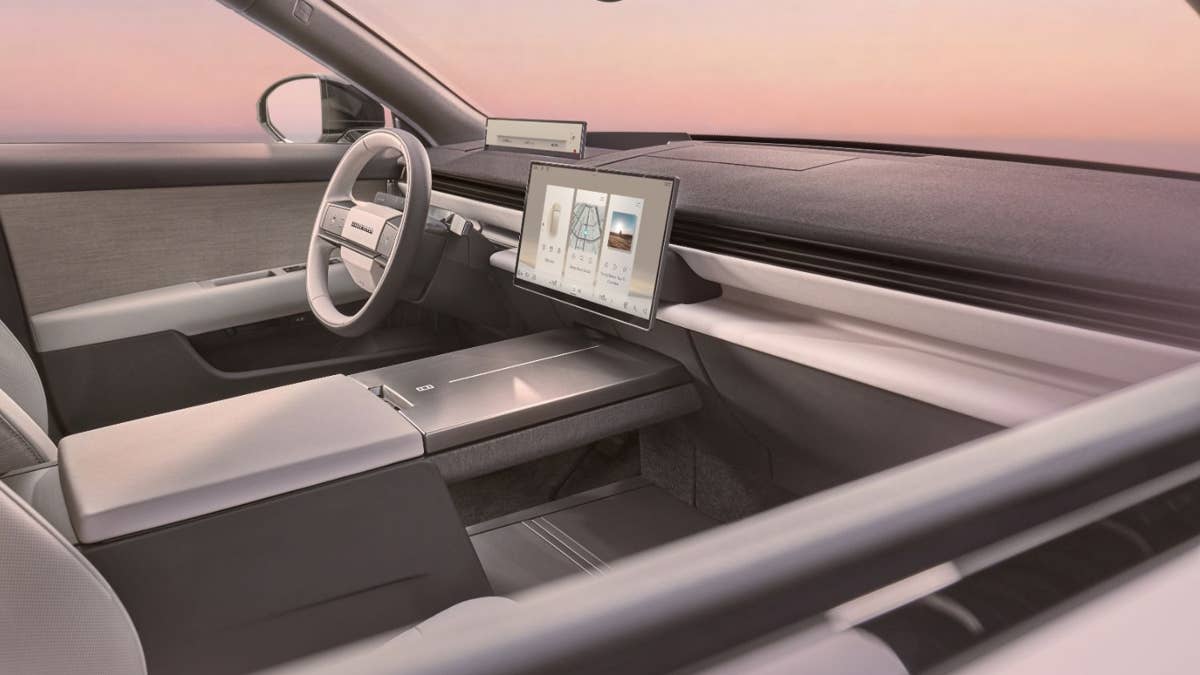
So, it’s great news that Range Rover is following in the footsteps of others, right? Well, not entirely. While Go Auto‘s report confirms smaller screens, the publication’s story also reveals that future Range Rover models will follow the form of the upcoming GT. If you’ve seen its interior, then you might just say the more things change, the more they stay the same.
Land Rover
Minimalism to the Max
“We see lots of (rivals) going the other way with their cabins – loaded with tech, loaded with capability, loaded with noise – visual and acoustic noise. We free our cabin from all that, and that is what makes us definitely unique,” said Range Rover’s global managing director, Martin Limpert.
Meanwhile, Range Rover global product and services marketing director Ryan Miller said the interiors will look much like those in the GT, adding that the marque will not go against its rivals on the “number of screens and tech.”
While it’s true that the GT has smaller screens, it doesn’t mean Range Rover is bringing back more physical controls. If anything, we see far less of it, and as far as we can tell, only the windows are controlled with buttons. Perhaps the steering wheel controls have a more tactile feel, but given how the brand wants to reduce visual and acoustic noise, we’re not counting on it entirely. Miller added, “We’re looking to create a real tranquil sanctuary, an opportunity to detoxify through everyday life (with the) minimum number of screens we need to present the information that the driver needs (and) nothing more.”
So while the smaller screens are welcome, it’s not complemented by the return of more buttons and dials. It’s a risky strategy given that the automaker wants to apply it to all of its models, but the real test will be how consumers react to these changes.
Land Rover