Ford moved 13,680 Mavericks in August, up 14.4 percent from 11,956 a year earlier. Hyundai’s Santa Cruz total for the entire year through August sits at just 13,191 units, down 30 percent from the same period in 2025. One Ford sales month now outweighs one Hyundai sales year. Ford’s own year-to-date total, 110,913 units, is roughly flat with where it stood a year ago — this isn’t a case of the Maverick suddenly getting hot, so much as the Santa Cruz quietly collapsing underneath it.
This Isn’t A Hyundai Problem, It’s A Santa Cruz Problem
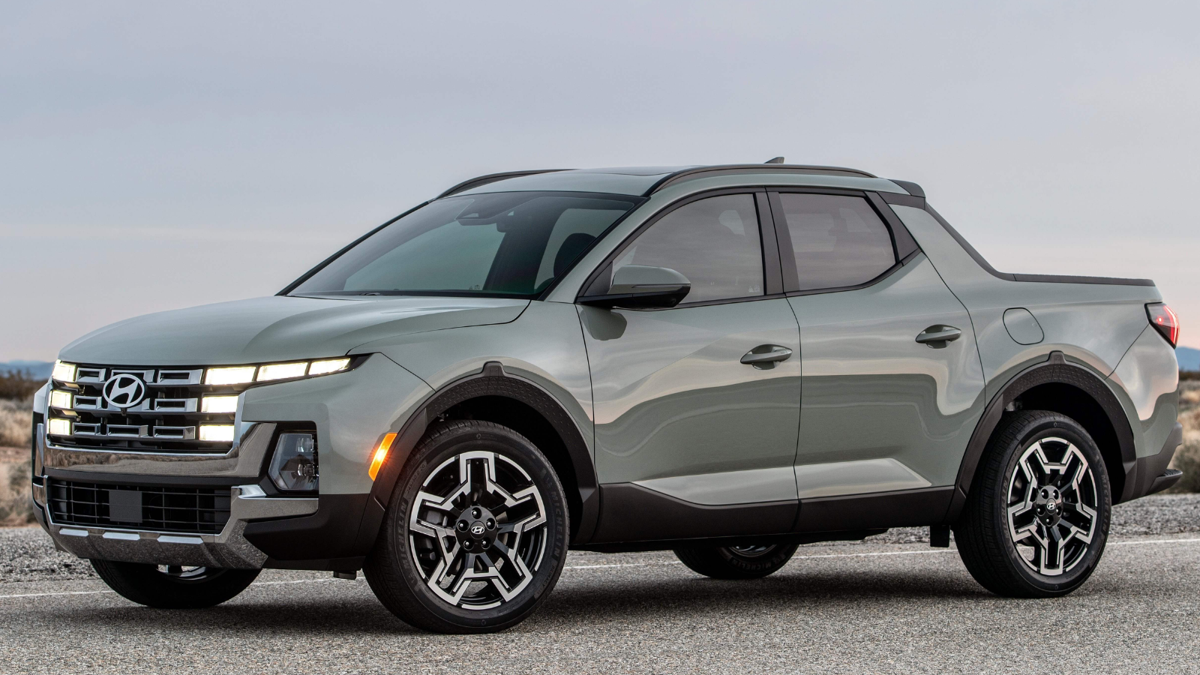
What makes the gap notable is that Hyundai as a whole is doing fine. The brand’s overall US sales are down just 2 percent year-to-date, hybrid sales are up 33 percent, and both the Tucson and Santa Fe just posted record August numbers. The Santa Cruz is the outlier in an otherwise healthy lineup, not a symptom of a struggling automaker — which is part of why Hyundai has reportedly moved up its discontinuation timeline, originally planned for the second quarter of 2027, rather than let the model limp along.
Price And Powertrain, Not Refinement, Decided This
Ford
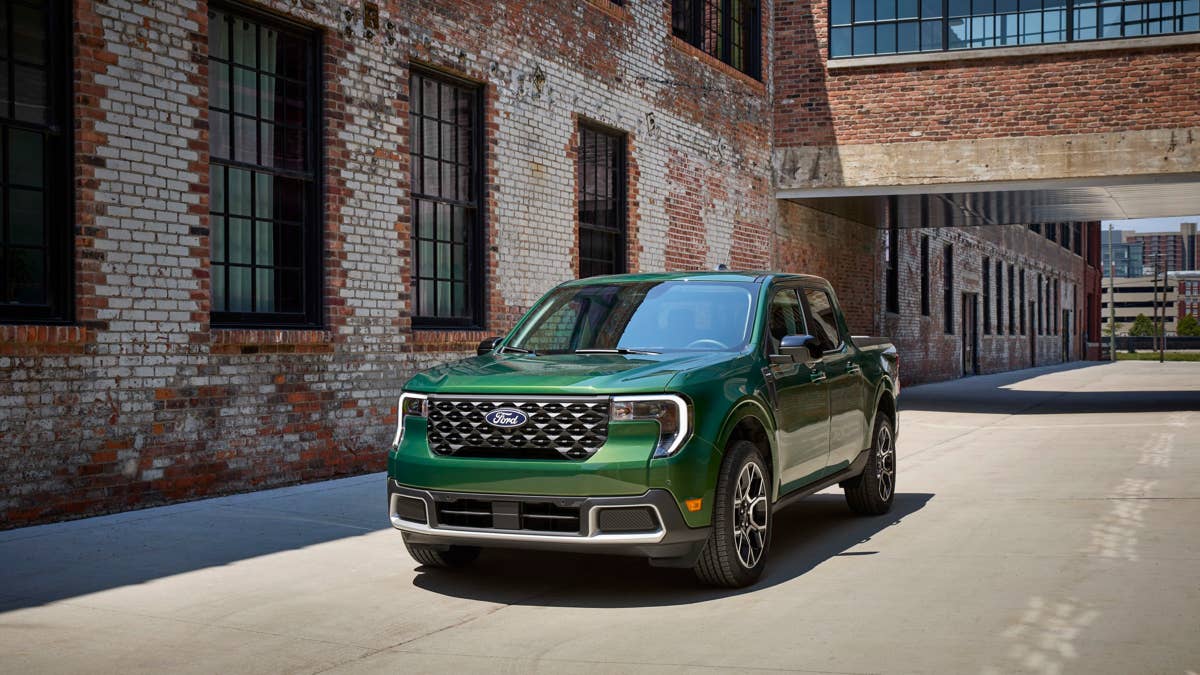
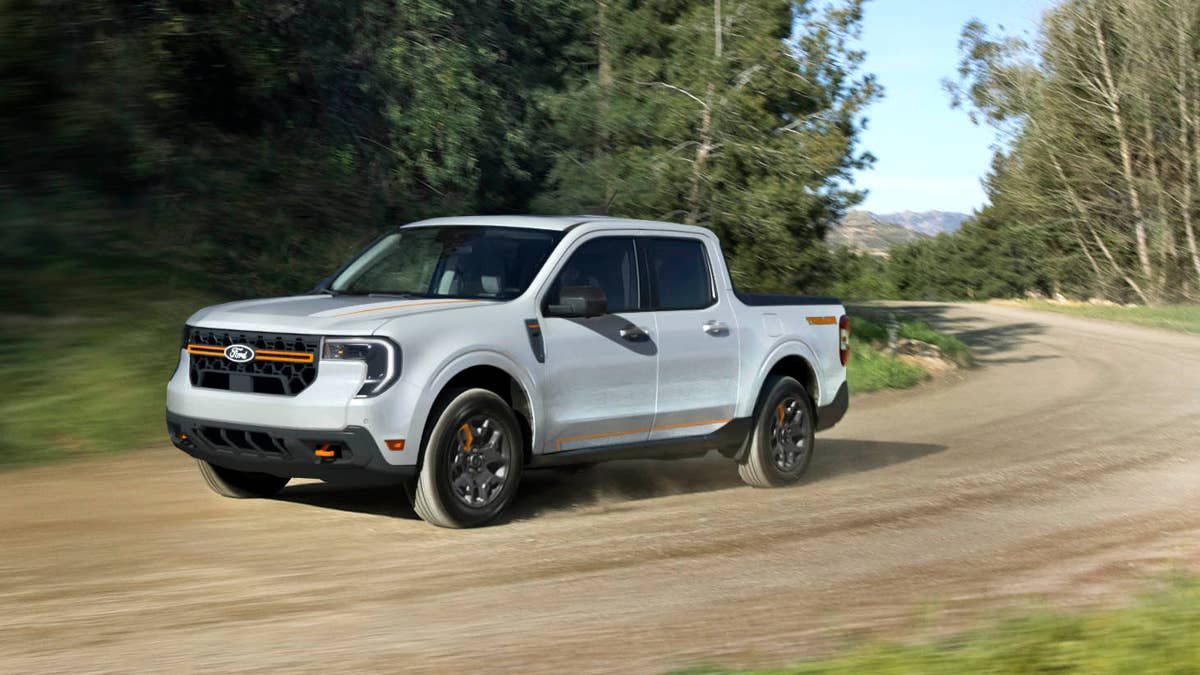
The Maverick’s advantage was never about being the better-built truck — Autoblog’s own comparison testing has found the Santa Cruz genuinely more refined to live with day to day, and it can tow more, rated at 5,000 lbs versus the Maverick’s lower rating of up to 4,000 lbs depending on spec. What it can’t do is match Ford on the numbers that actually move volume: Autoblog’s head-to-head crowned the Maverick the segment winner for 2027 largely on the strength of its standard 191-hp hybrid rated at 38 mpg combined, the most efficient pickup sold in America, against a Santa Cruz whose most efficient configuration only reaches 25 mpg combined. Hyundai’s turbo engine option requires stepping up to a roughly $41,000 XRT trim to get more power.
Ford
Hyundai Isn’t Trying To Fix This Truck — It’s Building A Different One
Rather than re-engineer the Santa Cruz to compete more directly, Hyundai is reportedly moving on entirely, with a larger, more traditional pickup aimed at the Toyota Tacoma rather than another crossover-based competitor to the Maverick. That’s a tacit admission that trying to out-efficient and out-price Ford in this specific segment wasn’t working, and that Hyundai’s better shot is a truck that doesn’t invite the comparison at all.