Things are not going well at the Volkswagen Group. After a plan to cut 100,000 jobs was initially rejected, it’s going ahead after all, just in a slightly different form. Tens of thousands of jobs have already been slashed, and according to a report from Autocar, the Volkswagen Group’s supervisory board has approved a plan to cut another roughly 50,000 jobs, including management roles. At the same time, the group intends to cut its model lineup by half by 2035.
Which vehicles will be cut from which brands has not yet been specified, but the VW Group says its European production capacity is currently running at more than 500,000 units above what demand requires, and with four plants earmarked, we can easily guess which vehicles are in the firing line.
Numerous VW Group Cars May Soon Disappear
VW
The Volkswagen Group intends to cut its trim and variant complexity by 75 percent, focusing on fewer individual products to make engineering and marketing simpler. The plants flagged in the restructuring plan are Emden, Zwickau, Hanover, and Neckarsulm, currently responsible for producing the Audi A5, A6, A8, and e-tron GT, along with the Cupra Born and several Volkswagen ID-branded EVs. To be clear, these plants will not necessarily be closed, but they’re certainly going to be restructured and potentially retooled to help produce vehicles that sell in high volumes.
Related: Volkswagen Shakes Up U.S. Leadership After Atlas Cost Overruns
Elsewhere, the Volkswagen Group is expected to drop its long-running sporty Spanish sub-brand, Seat, by 2029, but Seat’s own sub-brand, Cupra, is expected to survive. All of this is happening because the Volkswagen Group’s operating profit in 2025 plunged by a staggering 53.5 percent, its lowest point since 2016. This has been blamed, in part, on the surge of success Chinese brands are experiencing.
Autoblog’s Take
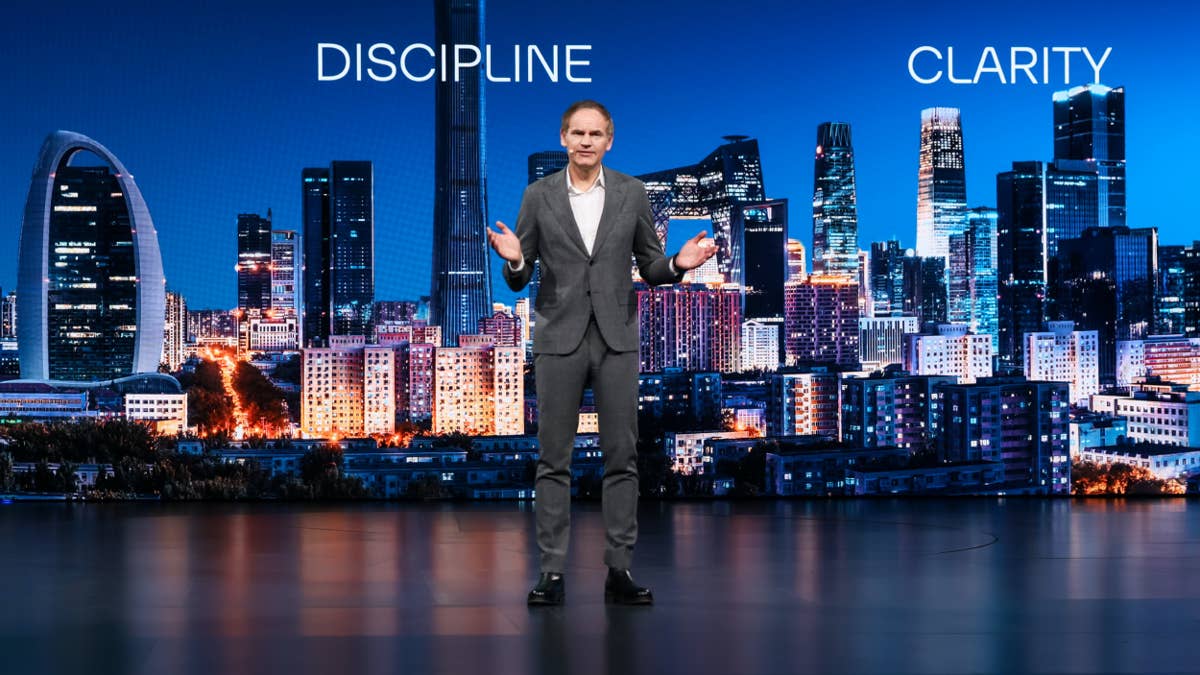
Volkswagen Group
The Volkswagen Group, particularly in the early 2010s, seemed indomitable, with a strong product lineup, exceptional global demand, and healthy profitability. Now, however, the group may be suffering from a case of too many cooks spoiling the broth. After Dr. Ferdinand Piëch effectively retired from active leadership of the group in 2015, the Volkswagen Group ship no longer had a clear captain. In fact, part of why he severed ties was a highly publicized internal power struggle, which in retrospect seems to have been inevitable given the group’s moneymaking might at the time. The VW Group has been trying to replicate the success created under Piëch while simultaneously increasing profitability, but with Chinese marques making massive inroads, particularly in affordable vehicles, VW hasn’t been able to compete as strongly, and many of its once-affordable products have become too pricey for some customers to consider. Finding a way back to the highs of old may be impossible, but simplifying the group’s products should at least help simplify offerings to customers and reduce engineering complexity. We’ll keep an eye on developments, but it’ll take roughly a decade before we know if VW’s moves today have the desired effects.