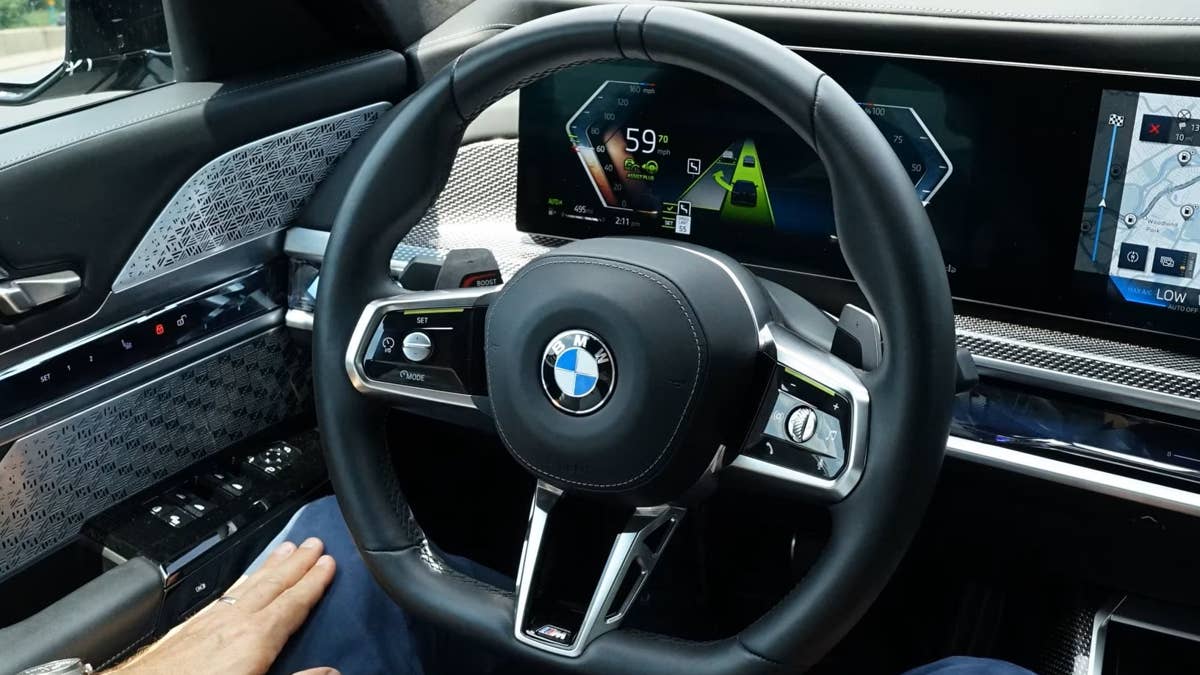
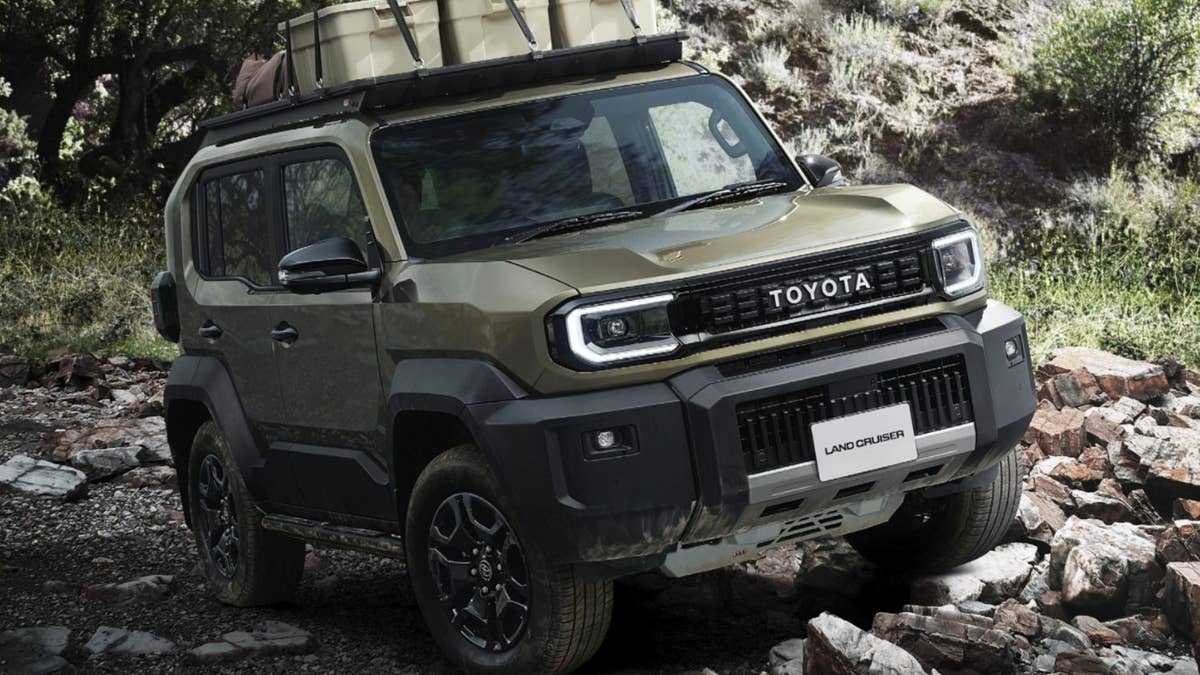
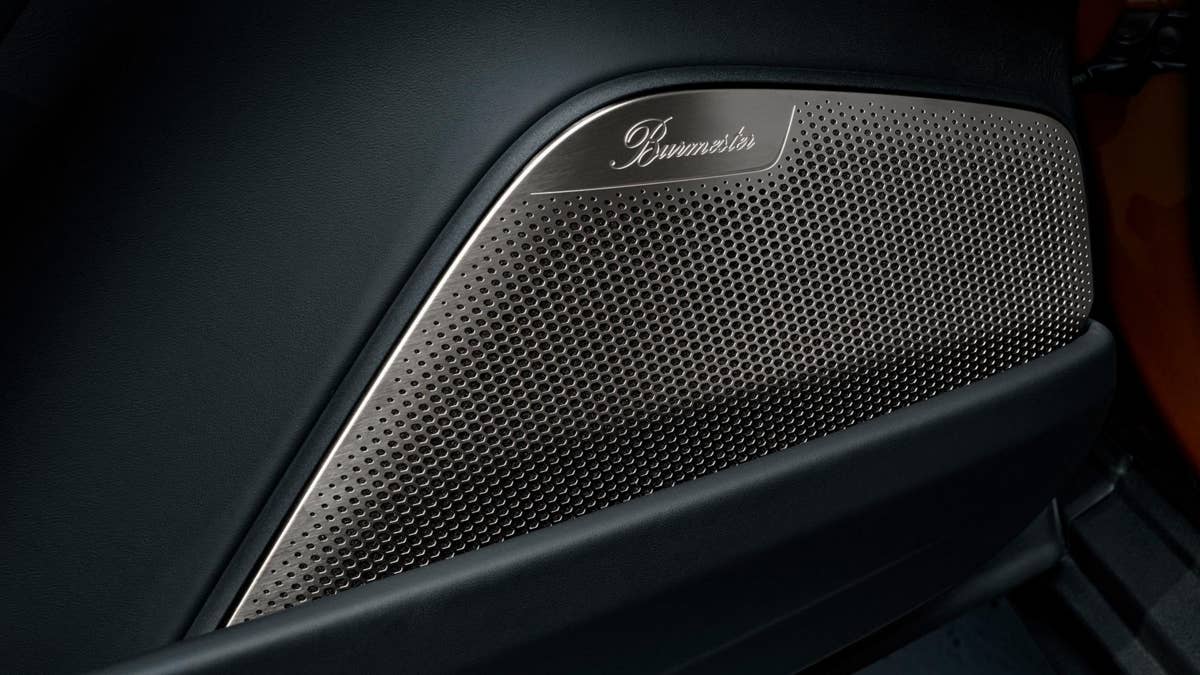
While new cars are increasingly built with digital interfaces and autonomous driving aids, driver usage patterns show a strong preference for foundational systems that simplify daily travel. Rather than relying on automated driving assistance or smartphone app controls, the majority of drivers favor essential car features that offer straightforward solutions to everyday driving challenges without adding operational friction.
A recent survey conducted by UK automotive retailer Dick Lovett highlights a clear gap between the advanced technology automakers install in modern vehicles and the features motorists actually use. Data indicates that motorists prioritize basic functionality over complex innovations. Rather than relying on automated driving assistance or smartphone app controls, the majority of drivers favor essential car features that offer straightforward solutions to everyday driving challenges without adding operational friction.
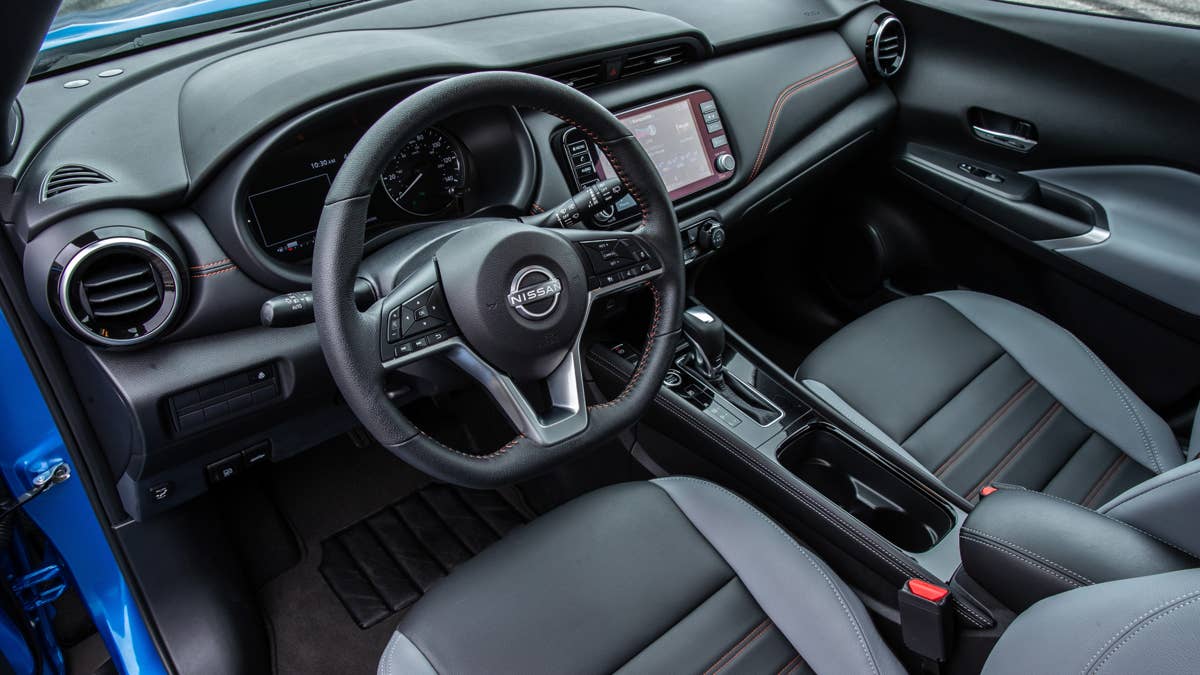
We Just Wanted Music in the Car
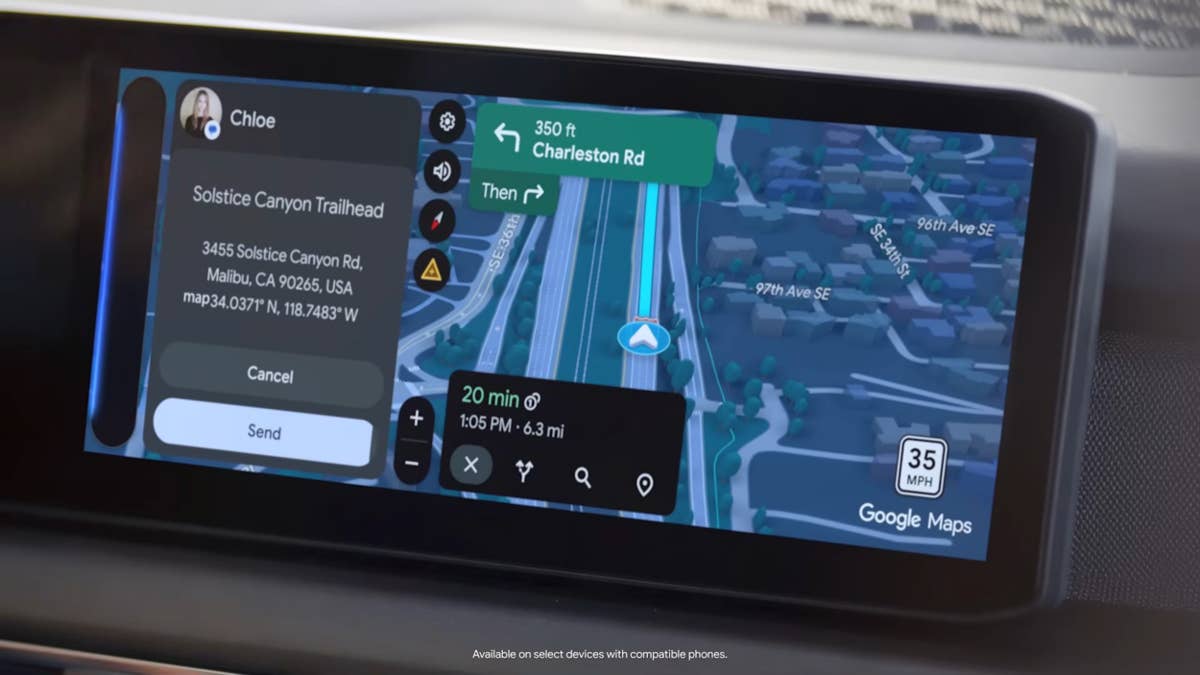
Bluetooth connectivity leads as the most widely used feature, with 58.3% of respondents identifying it as essential for connecting smartphones to Apple CarPlay and Android Auto. Reversing cameras rank second in utility at 45.7%, followed by built-in satellite navigation at 44.5% and heated windscreens at 41%. Mainstay technologies like satellite positioning originally stemmed from military tech origins before becoming standard consumer equipment.
Conversely, advanced driver-assistance systems face notable driver resistance. Over 25% of respondents with adaptive cruise control choose not to use it, while 7% admit they do not know how it works. Furthermore, nearly 18% of motorists avoid lane-keeping assist, and 21.3% reject automatic emergency braking, with many reporting that overly aggressive safety interventions prompt them to disable these systems entirely.
High-end comfort features also record low engagement and limited availability across standard vehicles. Massaging seats are absent from 67.3% of cars, and among owners equipped with plush vehicle seats, only 22% use them regularly. Augmented reality head-up displays and app-controlled climate settings show similarly low adoption rates, with usage concentrated primarily among drivers under 35.
The Literal Cost
The survey underlines a growing disconnect between manufacturer marketing strategies and consumer purchasing habits. Alex Lee, automotive expert at Dick Lovett, noted that manufacturers heavily promote premium options that many buyers actively forego to avoid price increases. This consumer hesitance aligns with broader industry discussions over feature bundling and rising vehicle costs driven by complex onboard systems.
To improve technology adoption, automakers must focus on user education and system refinement rather than feature count. Ensuring safety tools operate predictably without frustrating drivers remains critical to building consumer confidence and justifying higher specification vehicle trims.