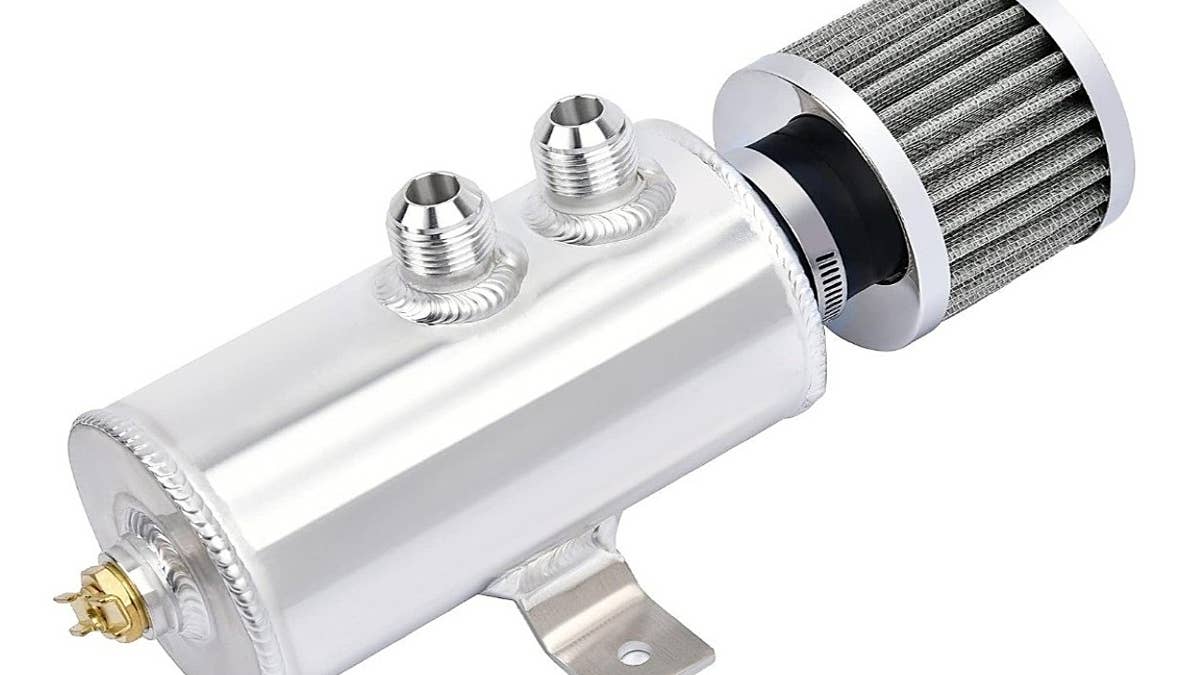
Mazda’s rotary engines have gotten by almost entirely on internal exhaust gas recirculation (EGR) rather than external EGR since the technology’s debut in 1967, thanks to quirks in how the Wankel design handles combustion. That workaround stopped being enough once emissions regulations caught up to it, forcing the RX-8’s rotary out of production in 2012 and leaving Mazda’s rotary ambitions confined to concept stages and a range-extender role in the now-discontinued MX-30 R-EV. The new filing suggests Mazda’s engineers are still trying to clear that hurdle for a proper production comeback.
How The New System Would Work
USPTO
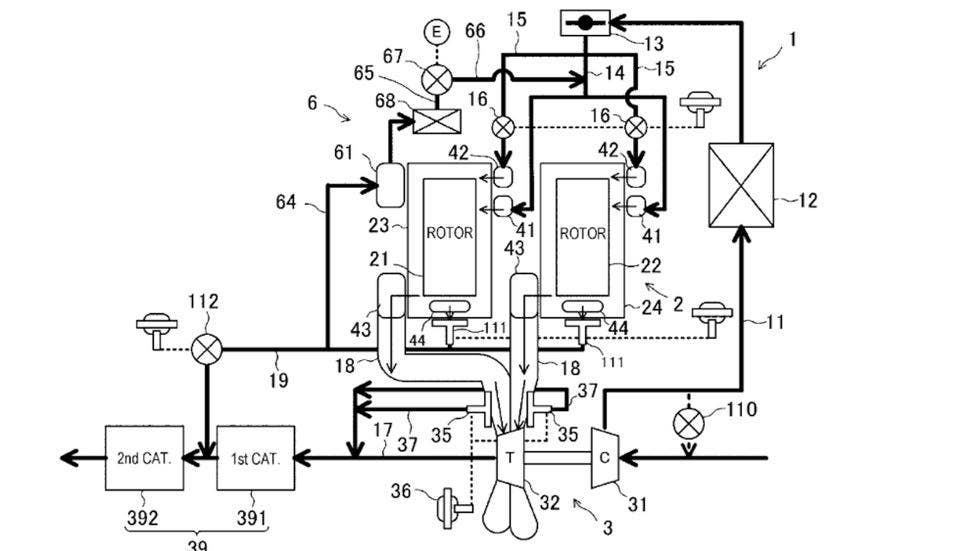
The patent, filed with the US Patent and Trademark Office (USPTO), describes splitting the rotary housing’s two exhaust routes for different jobs. The higher-volume, higher-temperature side-port exhaust would feed a turbocharger, while the cooler peripheral-port exhaust would route through an internal passage to an EGR cooler using the engine’s own coolant system — avoiding the external tubing a conventional EGR setup needs. Under heavy load, when EGR isn’t required, that cooled exhaust gas would instead dump into a secondary catalytic converter rather than the first.
Why This Matters For Mazda’s Rotary Comeback
Mazda
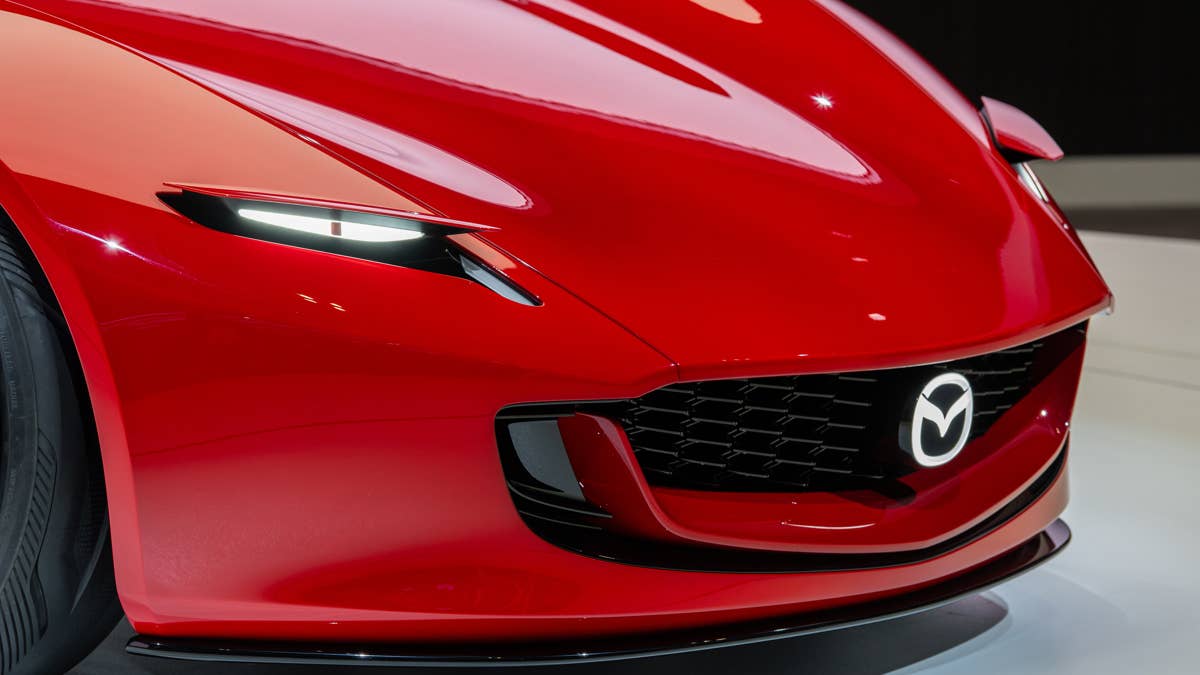
A patent filing is not confirmation of a production plan, and Mazda hasn’t attached this system to any specific model. But it lands alongside two rotary-powered concepts the brand has teased in recent patent filings of its own — the Iconic SP and last year’s turbocharged Vision X-Coupe — both of which face the same emissions hurdle this patent is designed to clear. Mazda has been candid about how difficult that balance is, insisting any production rotary sports car also has to stay commercially viable and affordable. Whether this specific EGR design ends up under the hood of the Iconic SP, a future RX successor, or nothing at all, it’s another sign Mazda hasn’t let go of the format that once powered its only Le Mans-winning race car.