Europe’s Tough Emissions Standards
As much as many European automakers would like to continue building engines, regulations are making it harder to keep going. For instance, there’s the CO2 fleet average, and all the cars an automaker builds put together should average below 93.6g/km (grams per kilometer). If you’re a big automotive conglomerate like Volkswagen, that presents a huge challenge.
Now, we’re not just talking about the collective average of all the cars the VW Group has on sale in Europe right now. Instead, it’s the average emissions of all the cars it sold in a year. So while the VW Group does have several EVs on sale, not enough people are buying these to lower the company’s fleet average. Last year, it averaged 100g/km, and as a result, VW had to pay a hefty fine for exceeding the limit set by the EU.
Volkswagen
A ‘Fine’ System
As a whole, the VW Group is a bit rocky financially. While still in the black, profits have tumbled dramatically, and the last thing it wants to spend money on is fines. According to Automotive News, VW Group CFO Arno Antlitz said the company anticipates about €400 million to €500 million in annual CO2 penalties from 2025 to 2027. Worst-case scenario, that’s €1.5 billion (approx. $1.7 billion) in fines alone.
Missing the target means €95 ($98) per gram of CO2 over the limit per vehicle. The average is then weighed over three years, in this case, from 2025 to 2027. Given that the VW Group sells millions of cars in the EU, it all piles up. Even if a car company has several EVs on offer, for as long as its CO2 fleet averages exceed the limit, automakers are penalized for every car that leaves the lot.
That’s €1.5 billion that Volkswagen Group could be using on vehicle development, production, sustainability efforts, and personnel salaries and benefits. Couple that with tariff penalties, and you’ll start to understand why the automaker is taking such drastic measures and why the electric/plug-in hybrid push is stronger than ever.
VW
The Emissions Pool
Several automakers are finding ways to get around that. After all, no one wants to pay for that if money from sales can go to far more useful things. Some have joined emissions pools and partnered up with EV automakers to lower fleet averages. It’s effectively buying carbon credits, and companies such as Tesla have a vast surplus of regulatory carbon and zero-emission vehicle (ZEV) credits available for purchase. Yes, it still costs money, but far less than paying billions in fines.
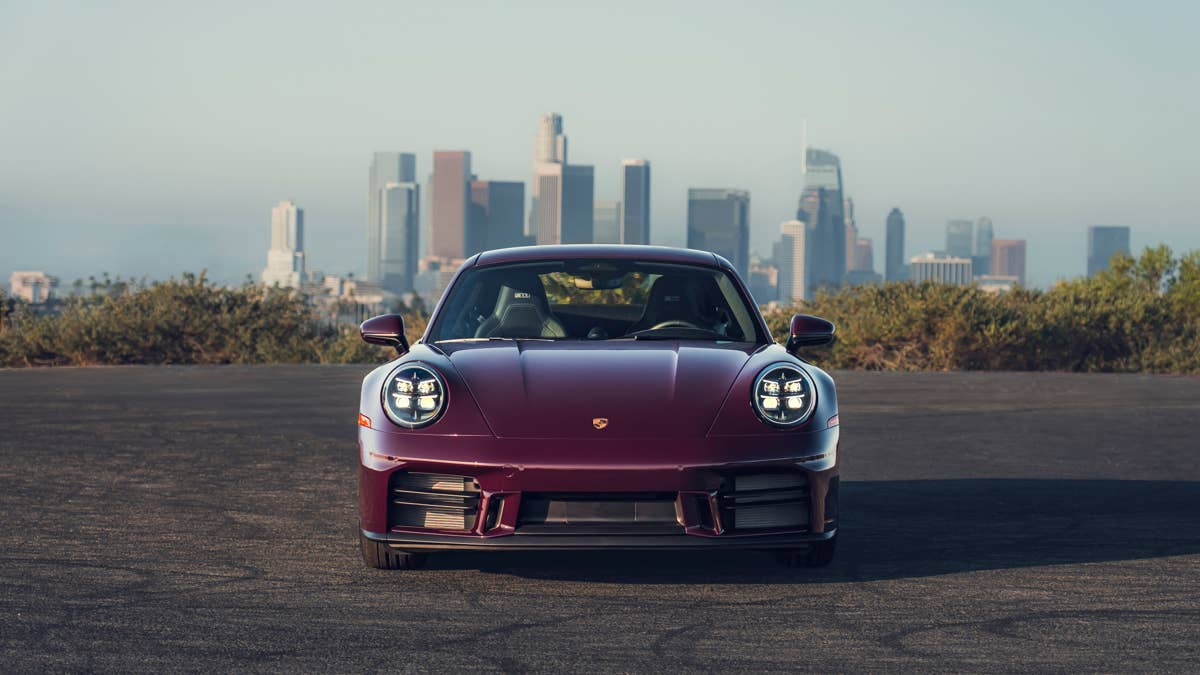
The Volkswagen Group has its own emissions pool, but given the current circumstances, it’s had to shuffle things around a bit. Porsche’s own fleet average was 130.2 g/km last year, contributing to VW exceeding the EU’s mandated limit. As a solution, Porsche is leaving the VW pool and partnering up with Chinese EV automaker Xpeng. That way, Porsche can lower its average costs while helping its parent company and generating some revenue for Xpeng, which also managed to sell about 19,000 cars in Europe last year.
Porsche
The EVs Need to Sell
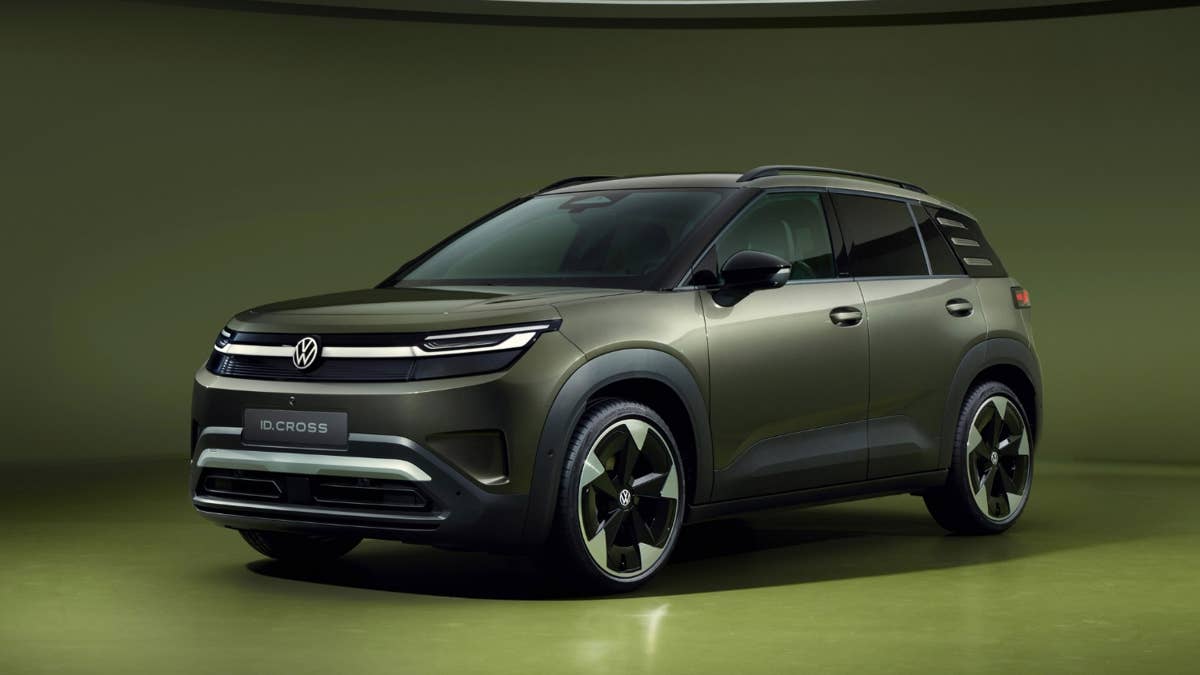
Remember when we said the ID. Polo and ID. Cross were crucial to Volkswagen’s finances? It’s not just for the sake of unit sales and the revenue from that, but also to help lower the fleet average emissions. The more these two affordable (by European standards) subcompact EVs sell, VW has a stronger chance of beating the threshold set by the EU.
But let’s say that those two cars do sell exceptionally well. That’s just half the battle because by 2030 at the earliest, the EU is targeting to lower CO2 fleet averages to just 49.5 g/km for passenger cars. VW will need to start convincing more people to buy its EVs and plug-in hybrids to comply with that, or else get slapped with hefty penalties once again. The road ahead for European automakers in their respective home markets won’t be easy, to say the least, and decisions made there will also affect how their respective cars will be sold around the world.
Volkswagen