Used EV Market Boom
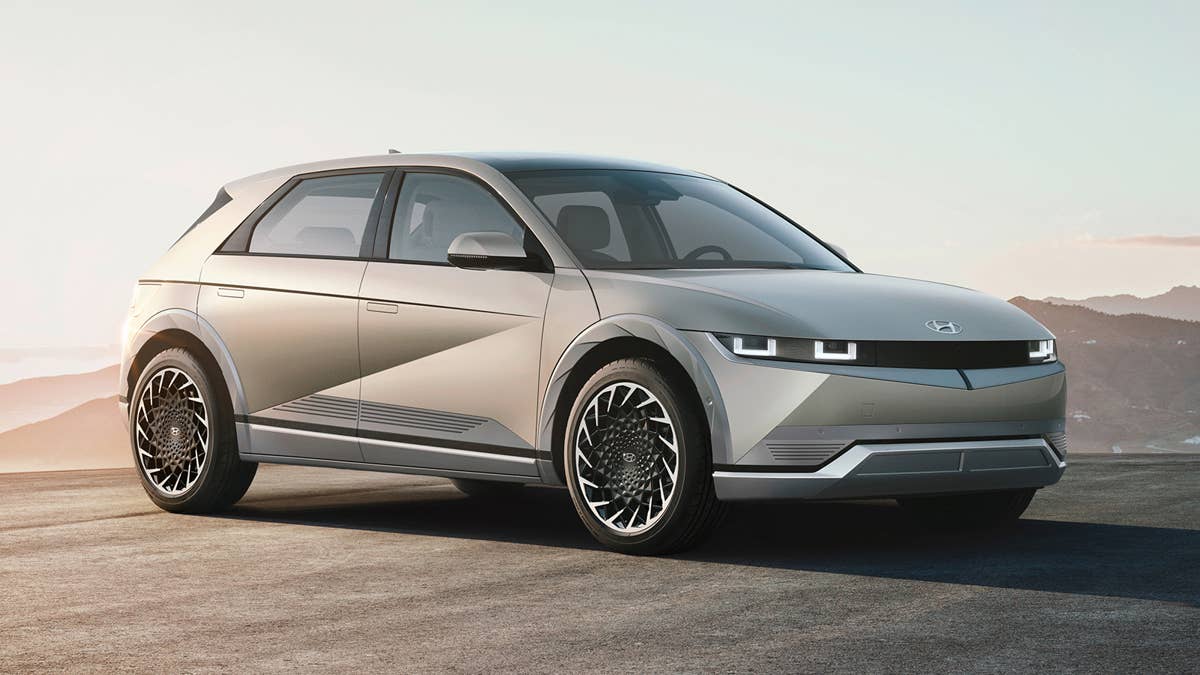
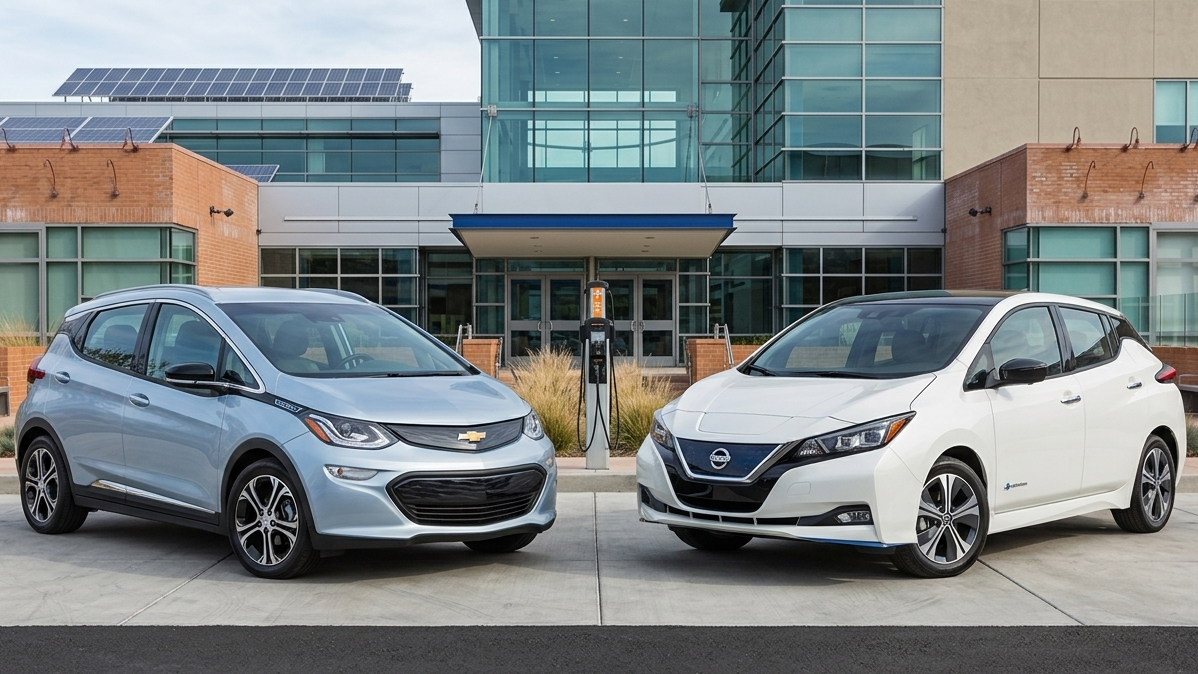
If you have been holding back from buying an EV, grabbing one on a massive discount from the secondhand market might be a brilliant idea right now. Records show that off-lease EVs are heavily entering the market after their initial leasing plans officially lapse. This sudden, unprecedented surge in supply is causing dealership prices to plummet, making advanced electric mobility highly accessible for budget-conscious drivers everywhere.
Already, the general motoring public is warming up to the idea of getting electric vehicles for a mere fraction of the original showroom cost. As new electric car sales continue to slump globally due to high interest rates, the used EV market actively sets transaction records month after month. However, before you sign on the dotted line for that heavily depreciated bargain, you must truly understand the reality of maintaining them and exactly what components actually break down over time.
It’s the Devil You Still Know
According to an insightful study from UK extended car warranty provider Warrantywise, owning an older electric vehicle brings incredibly familiar headaches. By analyzing proprietary repair requests between January 2023 and January 2026, they discovered that common EV faults closely mirror those of traditional internal combustion cars, making the battery the absolute last thing to worry about.
The usual expensive repair suspects arise from basic suspension systems, frustrating electrical niggles, and easily damaged auxiliary sensors. In fact, real-world examples show that original EV batteries easily outlast the vehicle’s surrounding hardware, proving their long-term durability. Keep in mind that, since EV volumes remain significantly lower than those of gas cars, this directional data is highly sensitive to model mix and should absolutely not be taken as strict financial advice.
| Failure Area | Failure Part | Average Repair Request (USD) | Most Expensive Repair Request (USD) |
|---|---|---|---|
|
Electrical system |
Sensors |
$1,028 |
$4,153 |
|
Electrical system |
Central locking mechanism |
$1,142 |
$5,152 |
|
EV |
Onboard charger |
$2,742 |
$13,278 |
|
Suspension |
Wishbones |
$1,562 |
$5,231 |
|
Electrical system |
Auxiliary battery (12v/48v) |
$677 |
$1,252 |
Kia
Be Wary When Buying Used
While traditional mechanical and electrical faults heavily dominate repair charts, this rightly reminds everyone that the main power pack should still be thoroughly examined. That certainly doesn’t mean battery health isn’t important, because when they do eventually fail, they are incredibly expensive. Across Warrantywise repair requests, the average high-voltage battery repair cost was a massive $8,173, underscoring why prospective buyers must still pay close attention to battery condition before purchasing a used EV.
Anthony Diggins, Managing Director, summarized the current maintenance landscape perfectly for hesitant shoppers. “It’s still early days for EV repair data, but some interesting trends are starting to emerge. While EV battery failures often receive the most attention, our repair data suggests they’re only part of the story,” he explained. Diggins noted that a broader range of electrical, charging, and suspension components requires repairs, highlighting the importance of understanding the overall ownership experience rather than focusing on a single component. EVs are apparently still regular cars with moving parts; always properly check used EVs before bringing one home.
Hyundai