Toyota remains the world’s largest automaker, but the Japanese giant is facing mounting pressure after global sales fell for a fourth consecutive month in May. While demand remains resilient in markets like the United States and Japan, sharp declines in China and the Middle East continue to weigh on the company’s overall performance.
Global Sales Continue To Slide
Toyota sold 834,279 vehicles worldwide in May, down 7.2% from a year ago, while global production fell 5.5% to 765,470 units. The picture varies dramatically by region. US sales slipped just 0.6% to 238,800 units, while deliveries in Japan jumped 11.1% to 118,381 vehicles. China, however, remained one of Toyota’s biggest weak spots, with sales plunging 31.7% as domestic brands continued drawing buyers away from foreign rivals.
Manufacturers such as BYD, Geely, Leapmotor and Xiaomi have rapidly expanded by offering advanced technology at competitive prices, making life increasingly difficult for legacy automakers. In fact, BYD says its goal is to become the world’s largest automaker by the end of the decade.
Hybrids Continue To Dominate Toyota’s Electrified Lineup
Despite the overall decline, Toyota’s latest sales figures reinforce one trend the company has championed for years: buyers still overwhelmingly prefer hybrids over fully electric vehicles. The automaker sold 396,468 hybrid vehicles during May, compared with 37,313 battery-electric vehicles and 20,825 plug-in hybrids. The figures suggest Toyota’s conservative approach to electrification continues to resonate with buyers who aren’t yet ready to make the switch to EVs.
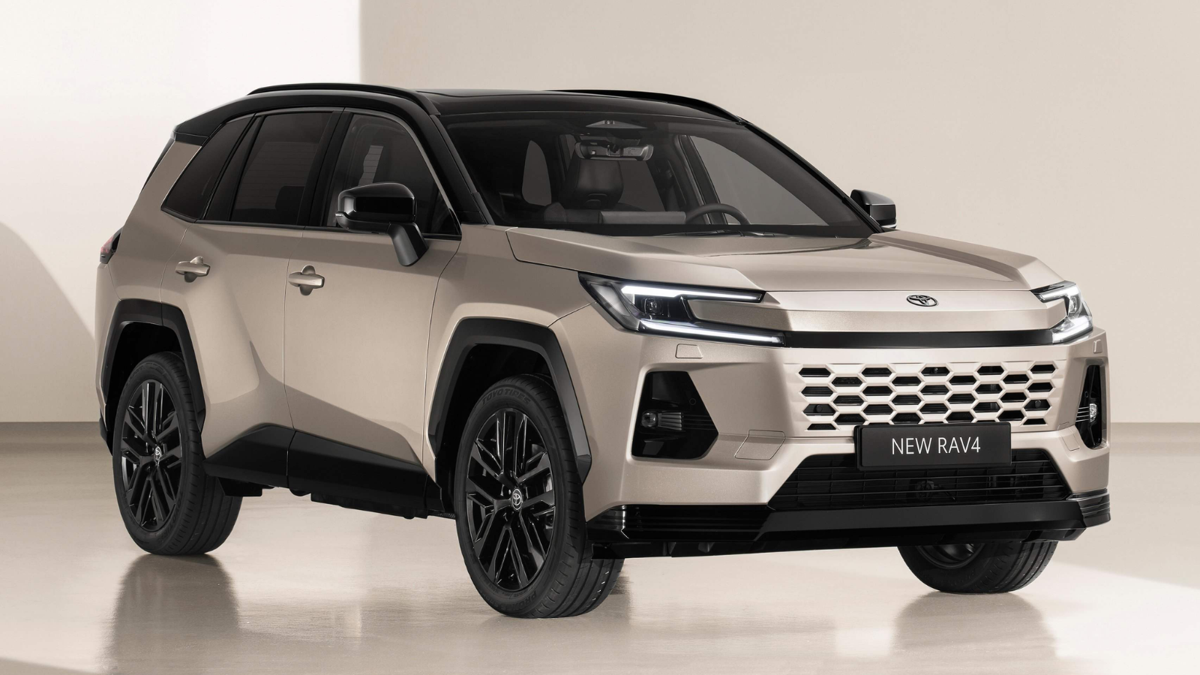
Demand for the redesigned RAV4 has become so strong that the automaker is reportedly experiencing a shortage of stock to meet buyer demand. The sales success of Toyota’s hybrids and the surge in demand for the RAV4 in the US aid Toyota as it closes the gap on General Motors.
China And The Middle East Remain Major Headaches
Toyota
Toyota’s biggest challenges remain outside its home market. Sales across the Gulf Cooperation Council (GCC), which includes Saudi Arabia, the United Arab Emirates, and others, plunged 46.4% to 20,990 vehicles in May. Overall Middle East sales fell 38.6% after already dropping nearly 33% in April. The earlier decline was partly linked to shipping disruptions caused by regional conflict, while the Iran war has added further uncertainty to one of Toyota’s strongest regions.
Four consecutive months of declining global sales are far from ideal. While geopolitical tensions and fierce competition in China continue to weigh on global results, exceptionally strong demand in Japan and the United States, particularly for hybrids, remains a bright spot for the Japanese automaker.