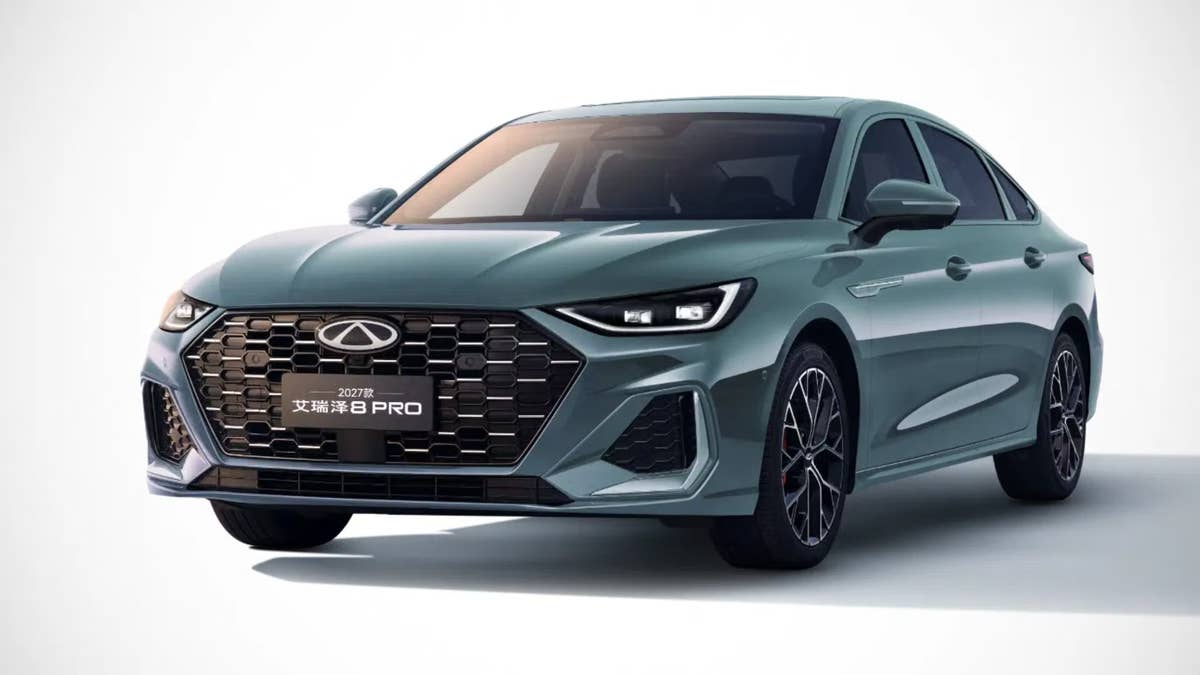
New-vehicle quality is on the rise, but drivers are still experiencing a rise in infotainment-related problems. Those are the findings from the JD Power 2026 U.S. Initial Quality Study (IQS). In nine of 10 key categories, the quality of new vehicles is up, but issues with connectivity have blemished the overall experience. In a world where our mobile devices are expected to seamlessly complement almost everything we do, automakers are still struggling to reliably integrate phones with cars.
JD Power IQS Methodology
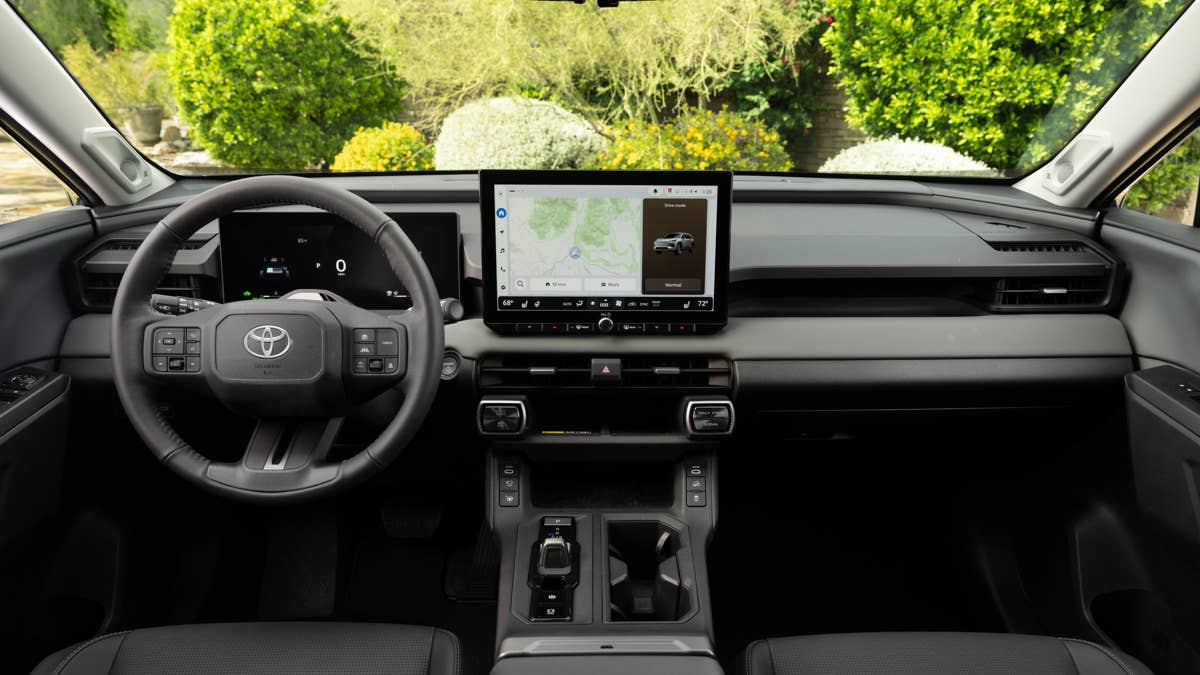
Toyota
The JD Power Initial Quality Study is now in its 40th year. For the 2026 edition, researchers consulted 78,514 purchasers and lessees of 2026 model-year vehicles. These participants were asked 227 questions that cover every facet of the ownership experience over the first 90 days.
The good news is that overall vehicle quality has improved. Measured in the number of problems per 100 vehicles (PP100), the total number of problems improved to 175 PP100 this year, down from 192 PP100 a year ago. That marks the best year-over-year improvement since 1997.
“The biggest gains in quality come from features that are easy to use—simple controls, less-intrusive driver assistance and software that works the way customers expect,” said Frank Hanley, senior director of auto benchmarking at JD Power.
Porsche was the top overall brand with 138 PP100, while Ford was the top mass-market brand with 152 PP100.
Related: Study: Over Half Of Drivers Say Losing CarPlay Is A “Deal Breaker”
Infotainment Problems Rise
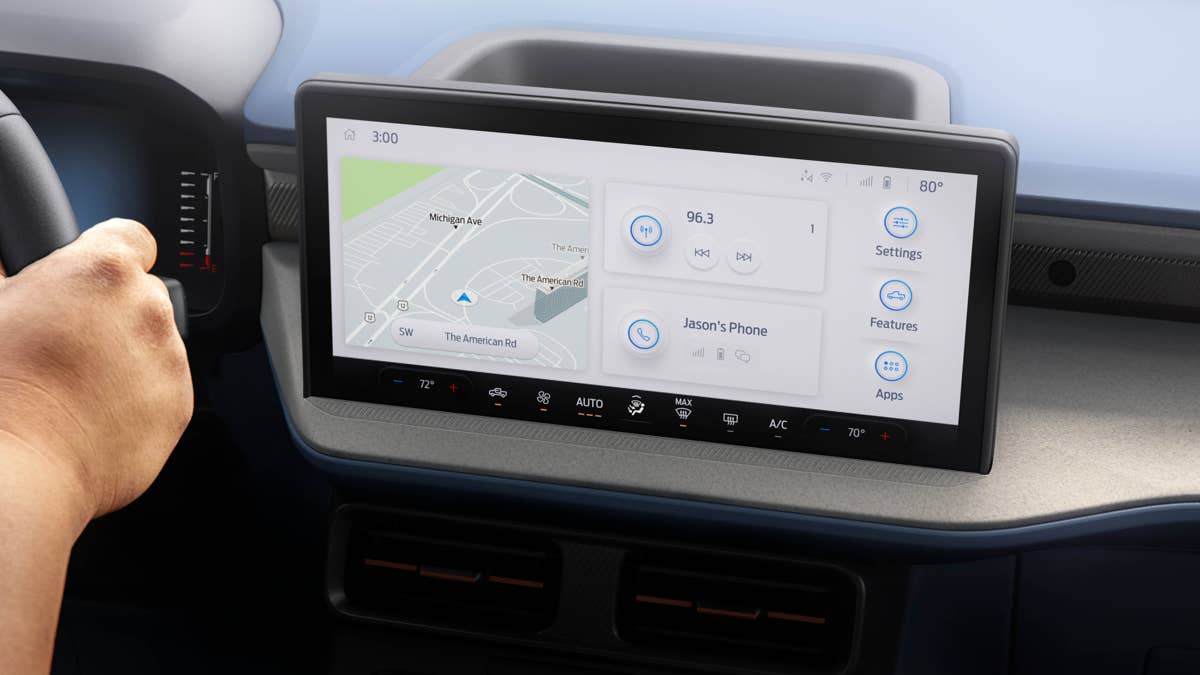
Ford
Infotainment was the sole category to see an increase in problems relative to last year. There were 44.4 PP100 for infotainment in the mass-market segment and 38.3 PP100 for premium cars. The single largest contributor to the decline in infotainment quality relates to connectivity issues with Android Auto and Apple CarPlay. They accounted for an increase of 1.4 PP100.
Also related to infotainment are distracting touchscreens. Among drivers who named a distracted driving-related problem, 46% said the source of that distraction was from the touchscreen or infotainment system. That finding comes despite automakers continuing to replace traditional controls with screens. Recently, a Mazda executive went so far as to claim a screen is safer and less distracting than physical controls.
“As more technology is introduced into vehicles, keeping the experience simple matters more than ever,” said Hanley. “When technology becomes too complicated, the likelihood of customers experiencing a problem rises considerably.”
Given that these smartphone-mirroring technologies are used widely for navigation, media, and calls, even the occasional loss of connectivity can be very frustrating for owners.
What It Means
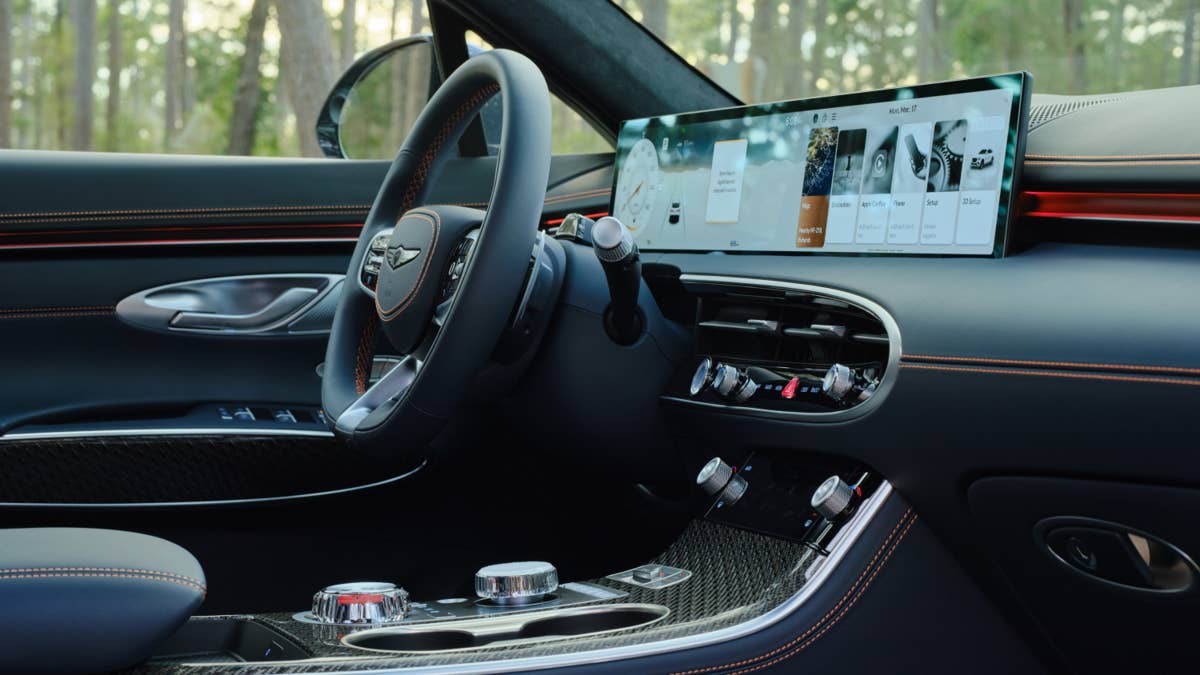
Genesis
On a positive note, it’s encouraging to see the overall improvement in new-vehicle quality. The last thing anyone wants is to have to visit the shop when your car is still new, and the data suggests this has improved over the last year.
The challenge for automakers now is balancing the integration of the latest technologies with high usability and dependability. The level of cognitive overload a driver can experience behind the wheel rises when digital features malfunction, as repeated inputs are needed to achieve the desired setting. These are the very features that are supposed to make our daily commute simpler, not more frustrating.