A Quiet Safety Feature
Airbags are one of those things most drivers rarely think about until they matter. Sitting alongside seatbelts, they remain one of the most common and effective safety features in modern cars. Save for the deadly Takata inflator scandal, airbags have largely earned their place as a quiet but critical layer of protection in crashes.
But here’s the thing: airbags haven’t really changed much over the years. No matter if you’re tall, short, sitting upright, or slouched back, they all deploy the same way.
GM wants to change that. Its new patent, published last week (patent no. 12637026 if you want to check), describes a ‘Vehicle Airbag System With Variable Deployment.’ In plain terms, it means the airbag could adjust itself based on who’s in the seat and how they’re sitting.
USPTO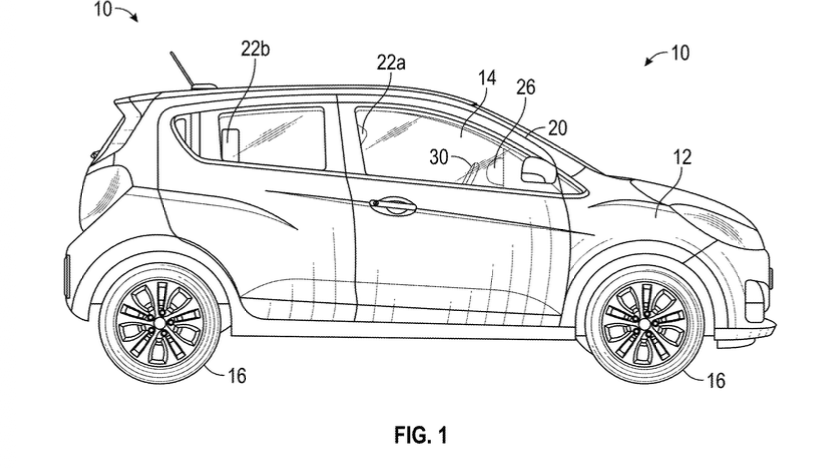
More Than Just One Big Airbag
According to the patent, which GM Authority first spotted, the system can actually change its shape, direction, or even how tightly it holds you, depending on the crash and who’s in the seat.
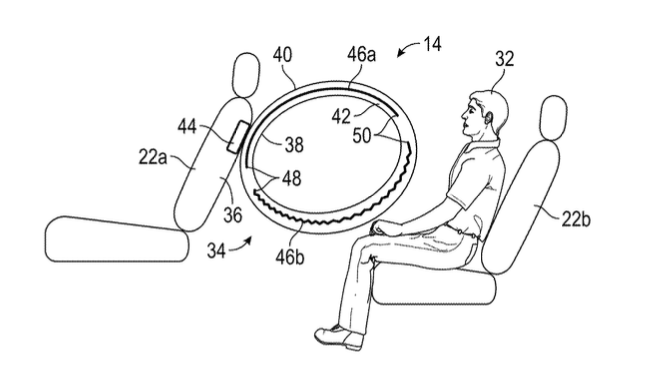
The patent sketches show airbags that could wrap around or even partially cocoon the passenger, not just burst out from the dash or steering wheel. GM talks at length about adjustable tethers and internal restraints – basically, ways to control exactly how the airbag expands and where it gives support.
So, the airbag could react differently if you’re sitting upright, leaning back, or if there’s a child in a safety seat. Some of the drawings even show the airbag working with the seat, roof, or other parts of the cabin to create a safer space around the passenger.
Bottom line: airbags could finally get personal, instead of treating everyone like they’re built the same.
USPTO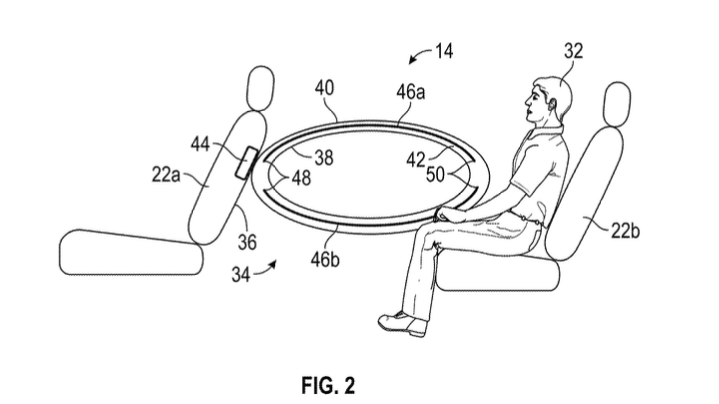
Why It Could Matter, And Why It Might Never Happen
In real life, this could solve problems where regular airbags fall short. Kids, smaller adults, or anyone sitting close to the dash could get better protection from an airbag that actually adapts to them. It’s similar to Toyota’s thinking that not everyone is seated the same way in a car, which is why an adaptive safety system is needed.
Of course, this is just a patent for now. Car companies file ideas all the time that never make it past the drawing board. Sometimes the tech shows up years later, sometimes it just sits on a shelf.
USPTO